

What to Say When Your Child Feels Crushed After Losing a School Game
Parenting Perspective
When your child feels crushed after losing a school game, start by validating their feelings rather than dismissing them. Say something like: “I know you really wanted to win, and it hurts when things do not go as we hoped.” Once they feel heard, gently shift focus from the score to their effort and character, share a relatable resilience story, and close with a small act of warmth, a hug, a cup of tea, or a bedtime story together. In the Islamic tradition, every loss is an opportunity to grow in patience (sabr) and draw closer to Allah, a perspective that lifts children far beyond the scoreboard.
Why Losing a School Game Feels So Big to a Child
For a child, losing a school game can feel far more significant than it might seem to an adult. It is not just about the final score. In that moment, it can feel as though their very worth has been publicly judged by their peers.
This sting of disappointment is also a vital parenting opportunity, a chance to teach resilience, humility, and a sense of self-worth that exists far beyond any result. By helping your child reflect with both patience and faith, you can plant the understanding that resilience is far greater than any single victory. Over time, they will come to see that every loss carries a hidden value, shaping them into stronger, kinder, and more grounded believers.
5 Steps to Help Your Child After a Painful Loss
Step 1: Acknowledge the Weight of Their Disappointment
Resist the urge to minimise what they are feeling. Begin with empathy rather than solutions. A simple statement like “I know you really wanted to win, and it hurts when things do not go as we had hoped” opens a safe space for your child to release their emotions without shame.
This is the single most important thing you can do first. A child who feels genuinely heard is far more open to reflection and growth than one who feels their pain has been brushed aside.
Step 2: Reframe Success Beyond the Scoreboard
Once the initial emotion has settled, gently shift their focus away from the outcome and towards their effort and character. Ask, “What part of the game are you most proud of in yourself?”
Then name specific actions you noticed, such as running back to help a teammate, showing fairness to an opponent, and keeping going when it was difficult. This teaches them that true success lives in character and effort, not only in winning.
Step 3: Teach Resilience Through Relatable Stories
Children absorb lessons most powerfully through story rather than direct instruction. You might say, ‘Do you remember how many times you fell when you were learning to ride your bike? Losing a game is like falling; it feels painful in the moment, but it is how we learn to stand up again, stronger than before.”
Linking today’s disappointment to their own past growth shows them that failure is never final.
Step 4: Nurture Patience and a Deeper Perspective
Help your child understand that every successful person, every athlete, scholar, and believer, faces both wins and losses. These losses, though they can feel heavy, are powerful teachers of patience and empathy.
Encourage them to journal about their feelings: “Write about how it felt to lose, and then write one thing you learned about yourself during the game.” This practice transforms a difficult emotion into insight and builds the lifelong habit of self-reflection.
Step 5: Restore Balance with Warmth and Connection
After your conversation, balance the weight of the loss with something small but uplifting, sharing a cup of tea, reading a story before bed, or simply giving them a warm hug. These small acts of unconditional love teach them that difficult moments will always pass and that your love for them remains constant regardless of any outcome.
Spiritual Insight: What Islam Teaches About Losing
In the Islamic tradition, losses are never wasted. What feels like defeat in the moment can become a seed for immense spiritual growth and a means of drawing closer to Allah. You can share this perspective with your child in simple, age-appropriate language.
Allah Almighty states in the noble Quran, Surah Al-Shuraa (42:43):
“And for the person who is patient and forgiving, indeed, (these acts are derived from) higher moral determination.”
This verse lifts your child’s eyes beyond the game entirely. The real test is not found in the final score; it is found in how they respond to it. Patience and the ability to forgive themselves and others are the marks of true strength and the highest moral character.
It is recorded in Sahih Muslim, Hadith 2609a, that the Prophet Muhammad ﷺ said:
“The strong man is not the one who throws people down, but the strong man is the one who controls himself when he is angry.”
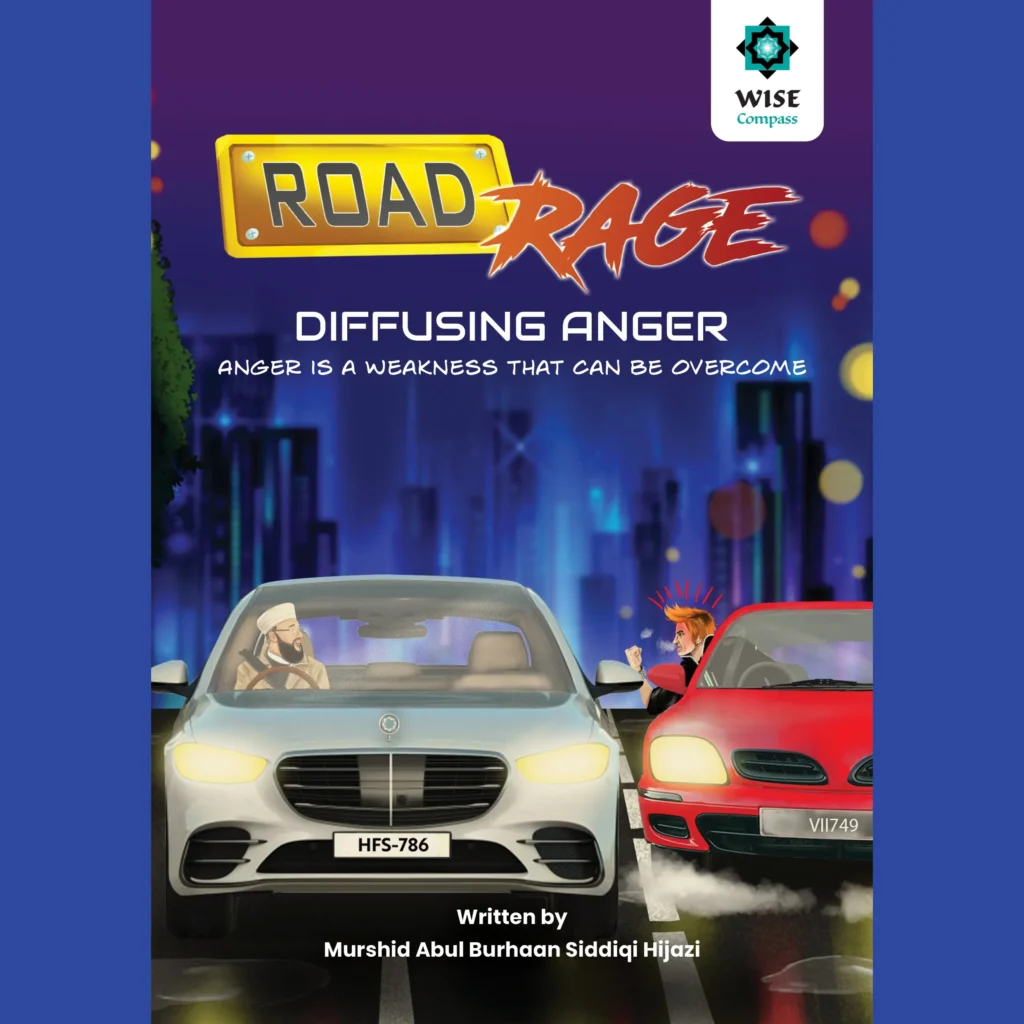
This hadith completely reframes the idea of strength for a child. Losing a game stirs real anger and frustration; that is natural and human. But the Prophet ﷺ teaches us that the truest courage is found in what we do with that anger. A story that brings this to life in a vivid, memorable way is Road Rage – Diffusing Anger. It shows children, through a relatable and surprising encounter, just how far a calm and kind response can travel and how self-control is not weakness but one of the highest forms of strength.
The Story Worth Reading Together Tonight
After a hard loss, one of the most powerful things you can do is sit beside your child and read together. A Test of Friendship follows Raihaan, Khaleel, and Zayn through a painful falling-out rooted in jealousy and hurt feelings. At the heart of the story is a simple but profound question: do you have the courage to make things right, even when your pride is bruised?
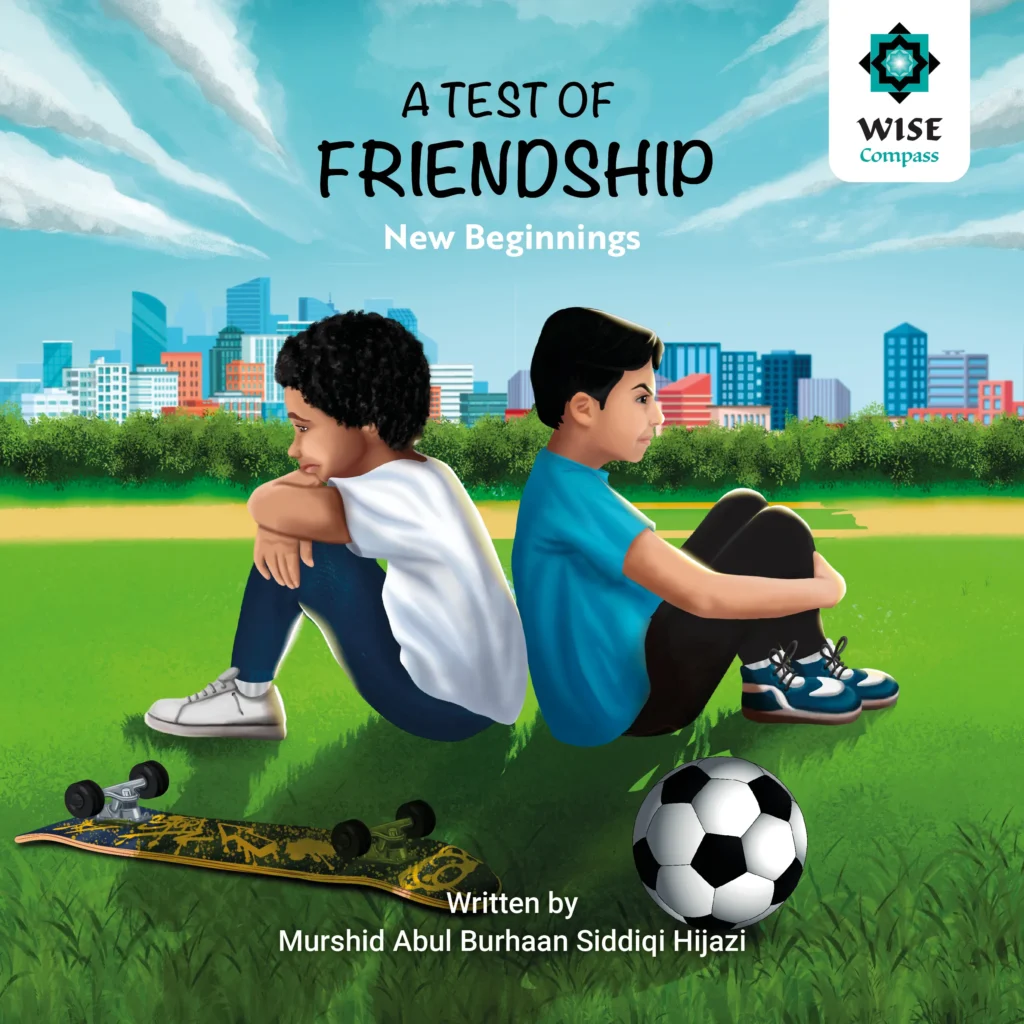
This maps directly onto what your child is feeling after a loss, the sting of wounded pride, the frustration of things not going their way, and the quiet question of what kind of person they want to be when it is hard. Reading it together gives them a safe emotional space to process those feelings and gives you a natural opening to talk.
Parenting Tip: The Reflection Journal
Keep a small notebook for your child labelled “What I Learned Today”. After any setback, on the field, in class, or at home, invite them to write two things: how it felt and what it taught them. Over months, this journal becomes a tangible record of their resilience and growth and a reminder on harder days that they have overcome difficulty before.
Frequently Asked Questions
What do you say to a child who is upset about losing a game?
Start with empathy, not solutions. Validate their feelings first: “I know you really wanted to win, and it hurts when things don’t go as we hoped.” Once they feel heard, gently shift focus to their effort, character, and what they learned, rather than dwelling on the result.
How do I stop my child from being a sore loser?
Sore losing is usually a sign of unmet expectations rather than poor character. Consistently reframe success around effort and sportsmanship before, during, and after games. Praise the moments you see grace in defeat: “I noticed you congratulated the other team; that was really mature.” Over time, this becomes their default response.
How can stories help my child after a loss?
Stories give children emotional distance; they can process hard feelings through a character without the rawness of their own experience. Choose books where a character faces a difficult moment and grows through it. Reading together after a hard day also restores connection and signals that the difficult moment has passed.
What is the Islamic perspective on children and competition?
Islam teaches that both winning and losing are tests of character. The Quran praises patience and forgiveness as signs of high moral determination (42:43), and the Prophet ﷺ defined true strength as self-mastery in moments of anger or frustration. In this framework, how a child carries themselves after a loss matters far more than the result itself.
At what age can children understand resilience?
Even children as young as three or four begin to understand simple resilience through repeated experience and modelling. By ages six to eight, they can grasp that effort and growth matter more than winning, especially when taught through stories, consistent language, and a parent’s calm example after setbacks.
The Deeper Gift Hidden Inside Every Loss
Every time you sit with your child in their disappointment, rather than rushing past it, you are teaching them something profound: that difficult feelings are safe, that they are loved unconditionally, and that growth comes through perseverance rather than in spite of it.
By helping them reflect with both patience and faith, you plant the understanding that resilience is far greater than any single victory. Over time, they will come to see that every loss carries a hidden value, shaping them into stronger, kinder, and more grounded believers.