






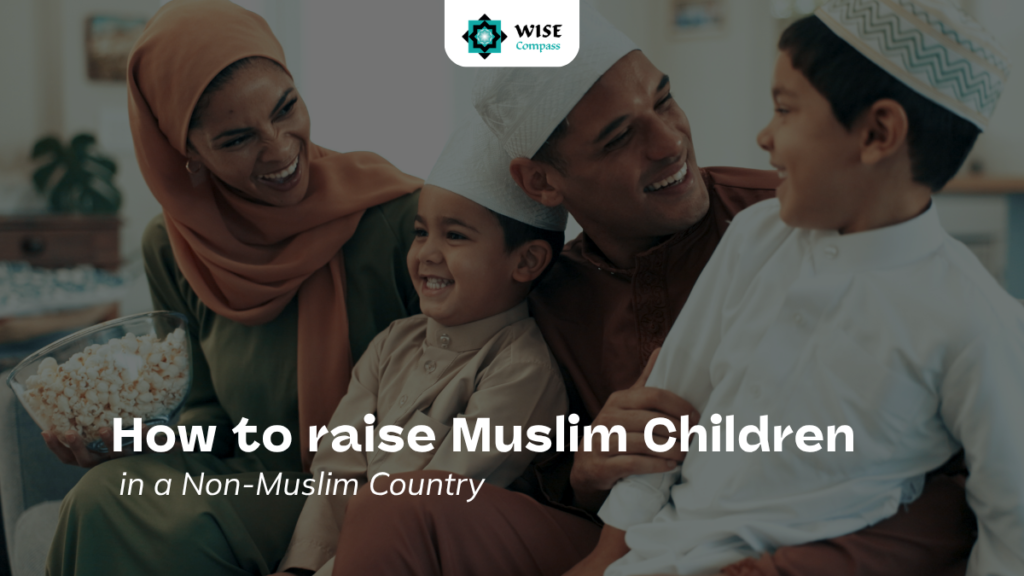
If you are a Muslim parent raising children in the ‘Western world’, namely the United Kingdom (UK), the United States of America (USA), Canada, or Australia, you are doing something that has no exact historical precedent.
Muslim communities have always existed as minorities in various places and times, but never before in conditions quite like those we find in this modern, changing world. In current conditions, Muslim children:
Oftentimes, one or all of these issues are at play and happening at an age when identity is already fragile and confusing. This is not a crisis or cause for fear. It is a challenge and an opportunity. A real and historically unusual one that deserves a serious and thoughtful response rather than just offering a checklist of tips.
This Parent’s Guide is that response.
It is written as a helping hand and supportive voice of reasoned advice to those Muslim parents in the West who are faced with this new challenge before them. Parents who want to raise children who are confident in their faith, grounded in their identity, genuinely good in their character, and capable of navigating the world they actually live in, not a simplified or skewed version of it.
Before any practical advice, it is worth being honest about what Muslim children in non-Muslim countries are actually dealing with, because the parenting strategy follows directly from that understanding.
Every child raised in a minority faith community in the West eventually faces some version of the same question: Am I fully one thing or the other, or am I something genuinely new?
This is not a crisis of faith. It is a normal, healthy developmental question. Adolescent identity formation, the process by which young people figure out who they are, is already one of the most significant psychological tasks of childhood.
For Muslim children in the West, that process has an additional dimension: they are not just figuring out who they are as individuals but who they are as Muslims. And they are doing it in a country where that identity is visible, sometimes questioned, and often misunderstood by the people around them.
The research on this topic is consistent and important. Studies on Muslim youth in the UK and US consistently find that children with a clear, positive, secure sense of their Muslim identity cope with the difficulties of Western adolescence better than those with an unclear or suppressed one. The goal is not to insulate children from their inevitable dual identity; it is to help them uphold both parts of it with confidence and without apology.
There are specific moments and environments where Muslim children in the West experience the tension between their faith and their surroundings most acutely. Parents who understand these pressure points can prepare for them rather than react to them. And most importantly, they can guide their children through them rather than stand on the outside without an idea of how to truly offer them help.
School: This is where the largest amount of daily friction between the two halves of children’s identities occurs. Whether it is in the content of lessons (particularly in PSHE, sex education, and social studies); in the social dynamics around food, prayer, and religious holidays; in the experience of being visibly different from the majority, and in the peer culture around relationships, parties, and social media.
Social media and screens: The internet is not a neutral space. It actively shapes values, normalises behaviours, and provides an endless stream of content that conditions viewers, especially children. Most online content often directly contradicts Islamic teachings while simultaneously being the primary social environment for children from about age 10years on.
A child who does not have a personal, internal value system and grounded framework of morals with which to evaluate online content is vulnerable against its influences. They are unprotected in ways that no surface-level restriction can fix, because they have no moral compass to navigate online influence which is an unpredictable landscape.
Peer pressure and belonging: The human need to belong is one of the most powerful psychological forces – especially so in childhood. Children will do significant things to maintain social belonging, including slowly distancing themselves from aspects of their identity that make them feel different or excluded by their main peer group. This is not weakness or failure. It is biology.
Parents who understand this can respond appropriately to the needs of their children. Parents should not take it personally if their child is ‘code-switching’ or apparently suppressing aspects of their ethnic or religious identity. They should respond with empathy and a supportive strategy to guide their children rather than alarm, attack or alienation of their children.
Questions without answers: Muslim children in the West are asked questions about their faith by teachers, classmates, and even strangers too. Sometimes they are questioned out of harmless interest and other times out of hostility.
Oftentimes, children may not have the knowledge or confidence to answer such questions, and can develop aversion and shame about the topic. They may internalise their inability to answer and the hostility of others unless they are taught otherwise. A child who cannot explain their faith is a child who is at risk of feeling ashamed of it.
Every child forms their first and deepest associations with Islam through their home. Not through a Maktab (Elementary Islamic school). Not through a Madrasah (Advanced Islamic school). Not through a Masjid (House of worship). Through the atmosphere they live in, since birth.
A child carries within their body the feelings experienced in their early life, at home, for the rest of their lives. Emotion is stored in the body as a psychological imprint as well as a physically rooted memory. And a childhood where Islam is genuinely, warmly lived, and not merely performed or enforced gives a Muslim child a deep-seated connection to their faith. Nothing can compare to it.
The feel of a home where the noble Quran is recited. The rhythm of Adhaan (Call to prayer) followed by prayer. The way parents speak about Allah Almighty, as a reality present in daily life, not as a name invoked only during difficulty or celebration. The mood at Iftar (Breaking fast). The conversation at the dinner table.
Such family life at home is not about perfection. It is about consistency and warmth. A home where faith is associated with love, calm, meaning, and belonging produces children who associate their faith with those feelings. That association is extraordinarily durable, even through the storms of adolescence and long into the challenge of adulthood.
A home where faith is associated with restriction, keeping up appearances, conflict, shame, or punishment produces something very different.
The single most important question a Muslim parent in the West can ask themselves is not, ‘What am I teaching my children about Islam?’ but ‘What do my children feel about Islam because of how they experience it at home?’
Children do not primarily learn from what their parents tell them. They learn from what they see their parents feel and do. A parent who quietly wakes for prayer, or happily makes the effort to attend Jamaat (Congregational prayer), and prays with visible peace and regularity teaches their child something about Salah (Prescribed prayer) that no sermon or explanation can replicate.
A parent who speaks about Allah Almighty across the ordinary moments of the day gives their child a model for how faith actually functions in a human life. Whether it is beginning good actions by remembering Allah Almighty, responding with gratitude after good news, with Tawakkal (Reliance on Allah Almighty) in difficulty, with confident hope when making Dua (Supplication), or simply with wonder at something beautiful in the natural world. These are the actions that can form the foundation of a child’s own relationship with their Creator.
This genuine practice of Islam is particularly important for Muslim parents in the West who are themselves second or third generation. This is because many of them are already navigating their own relationship with their faith while simultaneously trying to transmit it to the next generation. There is no shame in this process. Authentic faith does not require having all the answers. It requires being genuinely engaged with the questions alongside your child.
The most common failure in Islamic parenting in the West is that parents cannot explain the ‘Why’ behind the ‘What’ of Islamic beliefs and practices. This is consistently documented in research on why Muslim youth distance themselves from their faith in adolescence.
Muslim parents in the West often resort to irrational explanations or simply shutting their child down with fear-based commands such as ‘Because I said so’ or ‘Because it is Haraam (Forbidden)’. These are not good enough responses. They do not provide adequate and satisfactory rational explanations to give children a firm, logical foundation for their understanding of Islam.
At most, this approach gives children a lack of knowledge and at worst, it creates a negative association between faith and its practices in children’s minds. A child who is told what to do but not why will have nothing to hold onto when faced with social pressure.
Islam and the Islamic tradition is extraordinarily rich in logical reasons and rational thinking. Every pillar of practice, every ethical teaching, every prohibition – they all have a sensible explanation for why they exist. A young person who has the opportunity to understand them can access, explain, and genuinely appreciate their wisdom.
Take the time to explain. Not in lectures, but in conversation. Simple, honest and sensible explanations that are rooted in Islamic understanding, for common questions such as:
Why do we pray 5 times a day?
‘We pray five times a day because it regulates our emotional and psychological wellbeing. It grounds us throughout our busy day and gives us the chance to consistently remember Who made us and Who we belong to, otherwise the whole day could easily pass without us thinking about this.’
Why do we not eat pork?
‘We do not eat pork because it is an impure meat. Islam says everything we put in our bodies matters; we are looking after the body Allah Almighty gave us, and He has told us what is good for it and what is bad for it.’
Why do we dress modestly?
‘We dress modestly because we want our worth to be decided from our character and who we are, not how we look. It is an action showing our self-respect and a sign of our respect towards others.’
These explanations are not perfect or complete. But they are a start, and a child who grows up in a home where the reasons are always provided rather than denied or demanded will develop their own capacity to reason about their faith as they grow.
At this age, the goal is not knowledge or compliance. It is love and familiarity. You are building the emotional landscape of your child’s faith, the feelings, associations, and sense of belonging that will sustain them through everything that comes later. Here are some of the things you can do:
Make Islam Present Through the Senses. Have recitation of the noble Quran playing in the home, sometimes as something the family mindfully listens to in depth and in the background for younger children at other times. Use Arabic Islamic terms naturally in your conversations around young children, words like ‘Bismillah (In the Name of Allah Almighty)’, ‘Alhamdulillah (All praise is for Allah Almighty), ‘SubhaanAllah (All glory is for Allah Almighty), InshaAllah (By the Will of Allah Almighty).
Use them as genuine expressions that punctuate daily life and not as performances. Give each family member and child their own Musallah (Prayer mat) and/or Tasbeeh (Prayer beads) for them to use whenever they want. Make extra effort to celebrate the most anticipated Islamic occasions such as Fridays, Eid days and other significant dates in the Islamic calendar. Include children in the worshipful acts of Suhoor and Iftar during Ramadan, so they can experience these joyful family events as a norm in their upbringing.
Share Islamic History and Tell Stories. Children at this age live in stories. They absorb lessons about themselves, life and the world around them through imagination and creativity. By telling them stories at bedtime, in the car, and in the gaps of the day, you can build the moral imagination that will underpin their character for life.
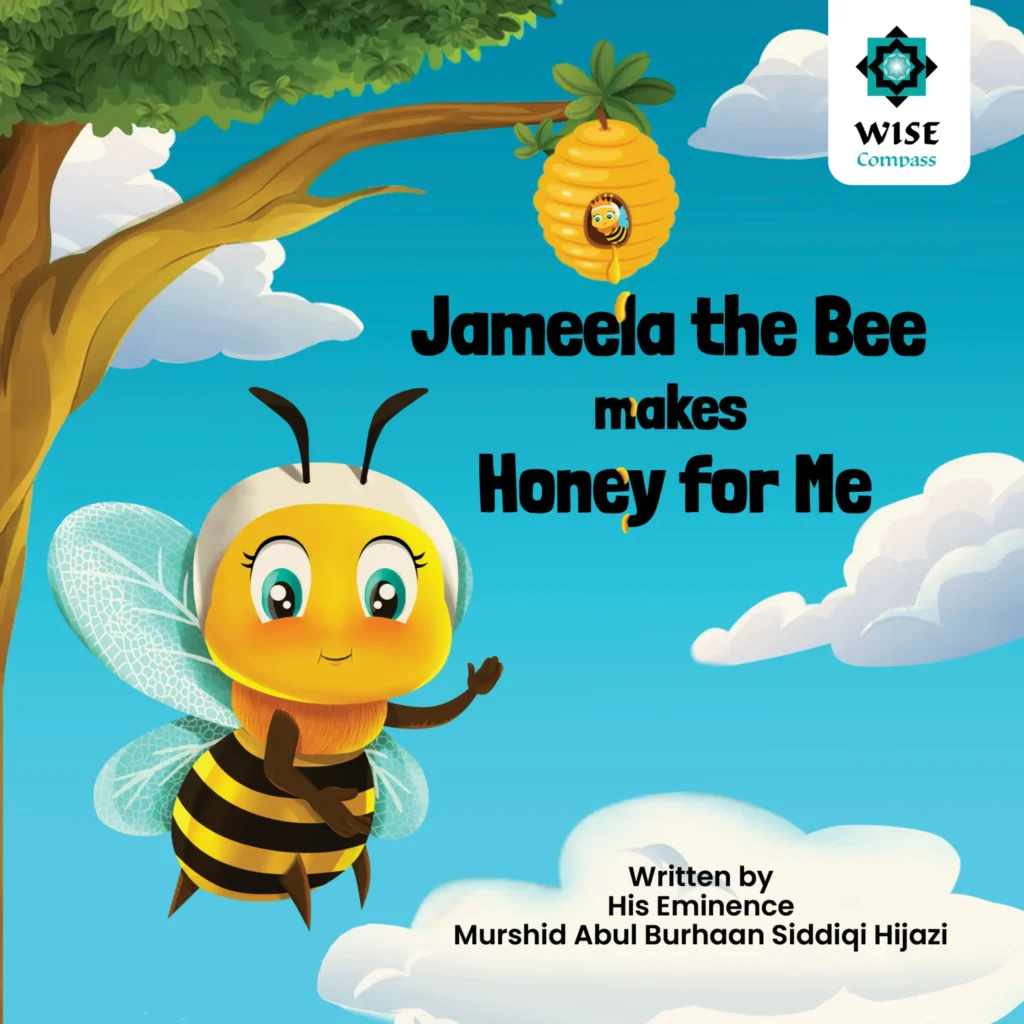
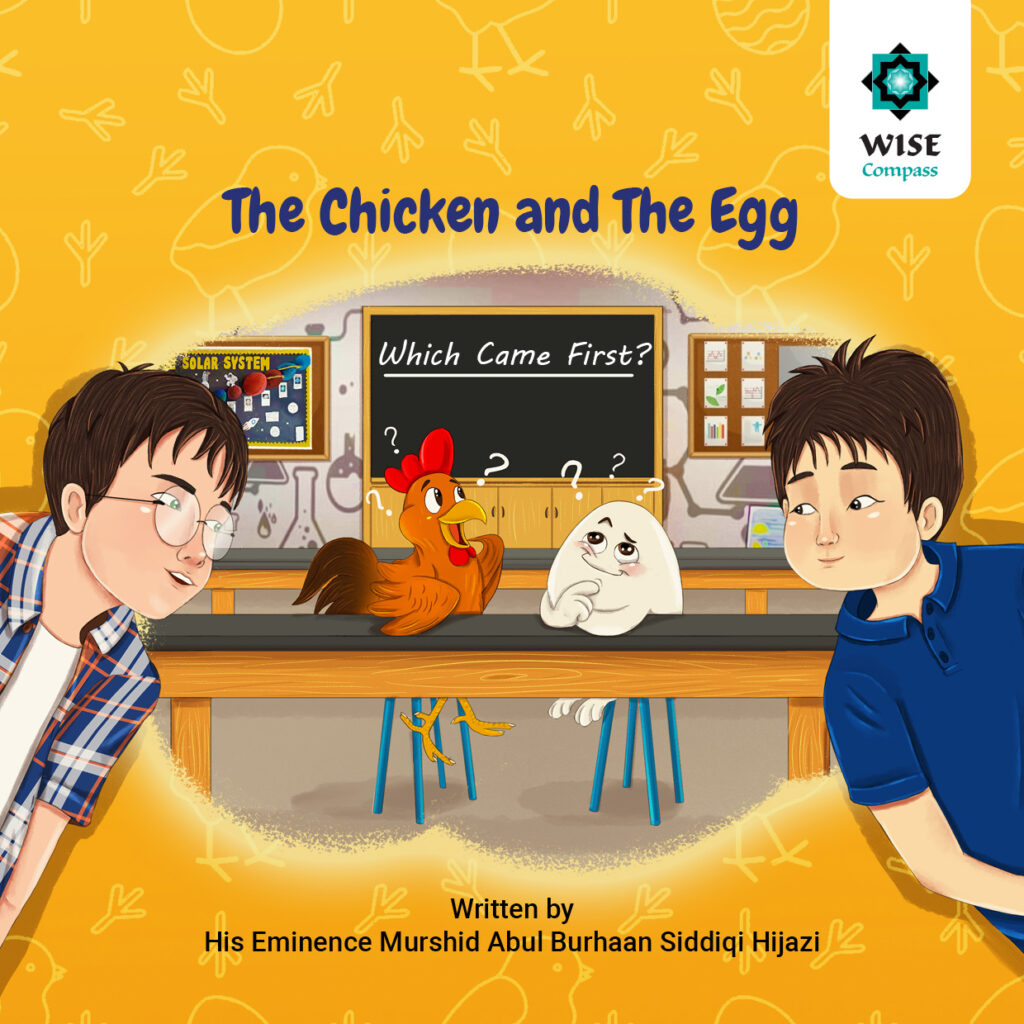
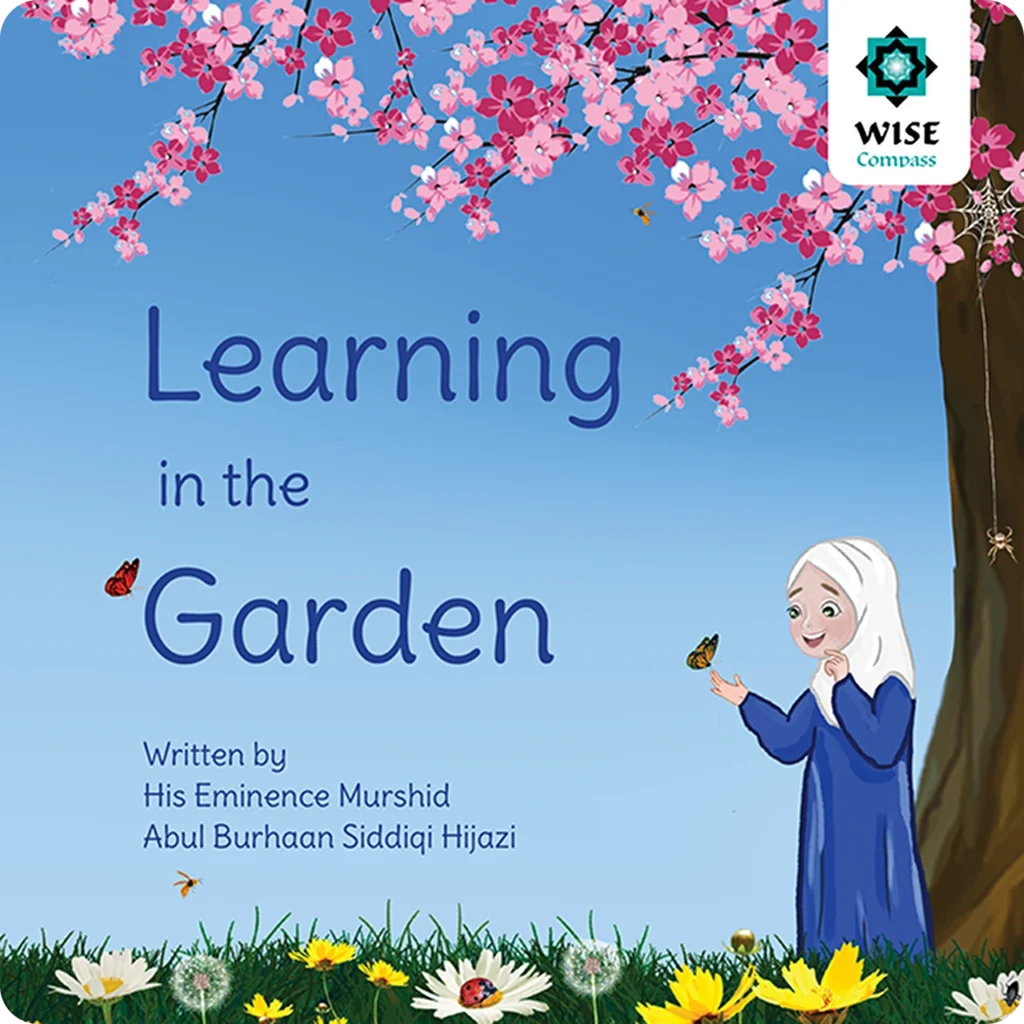
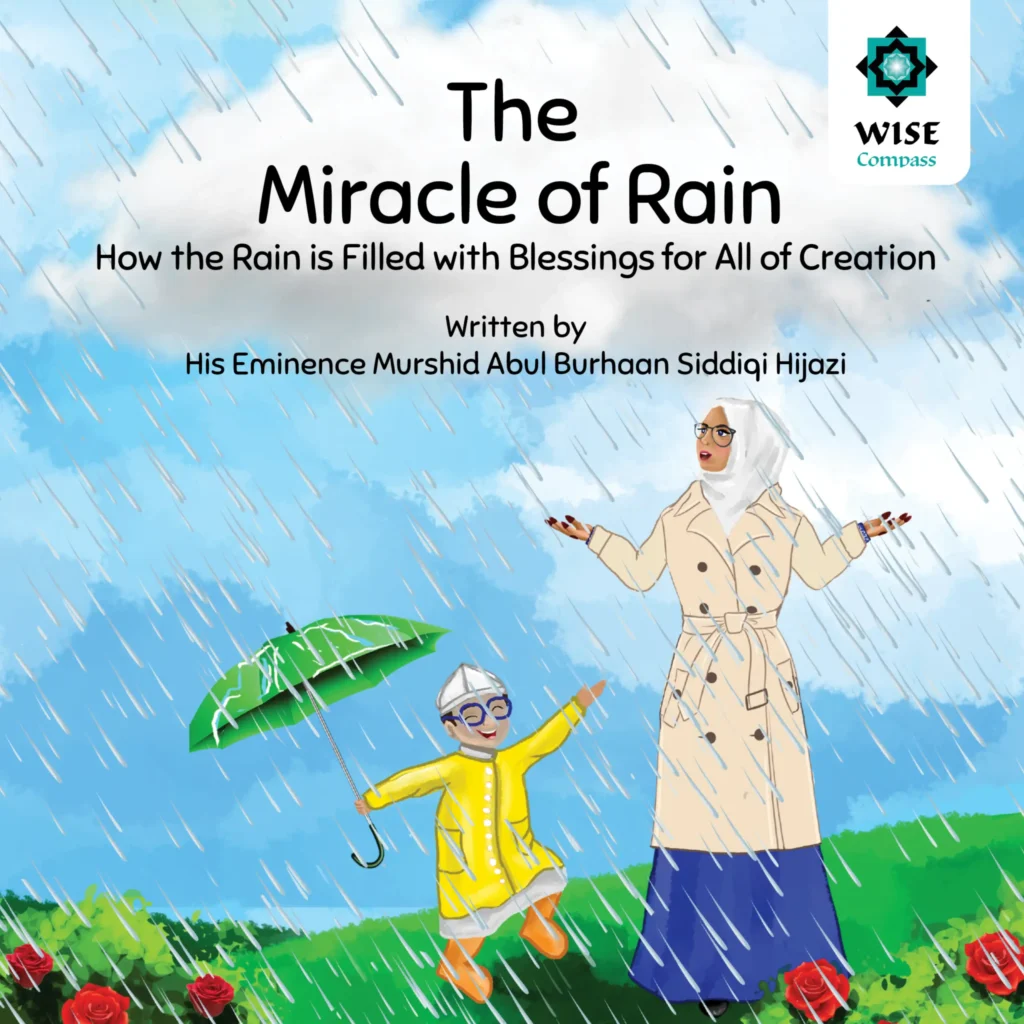
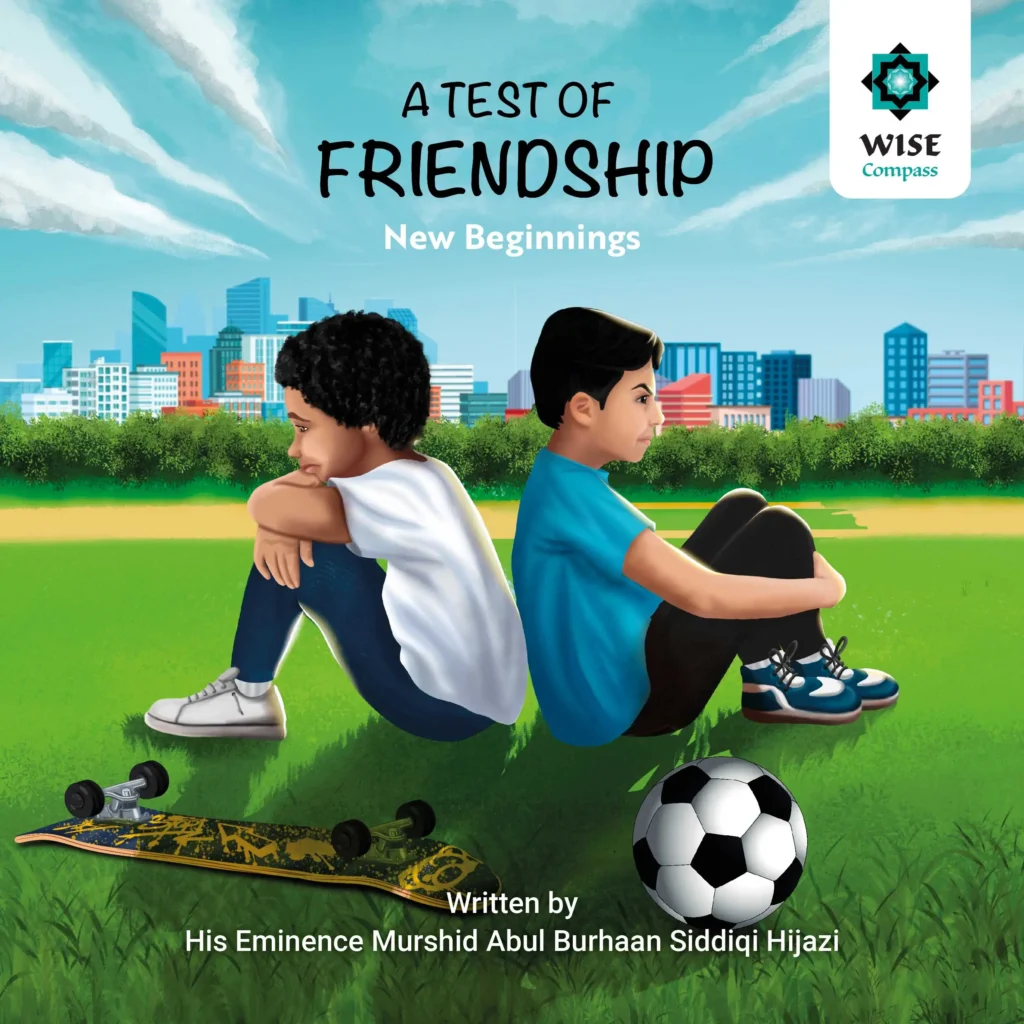
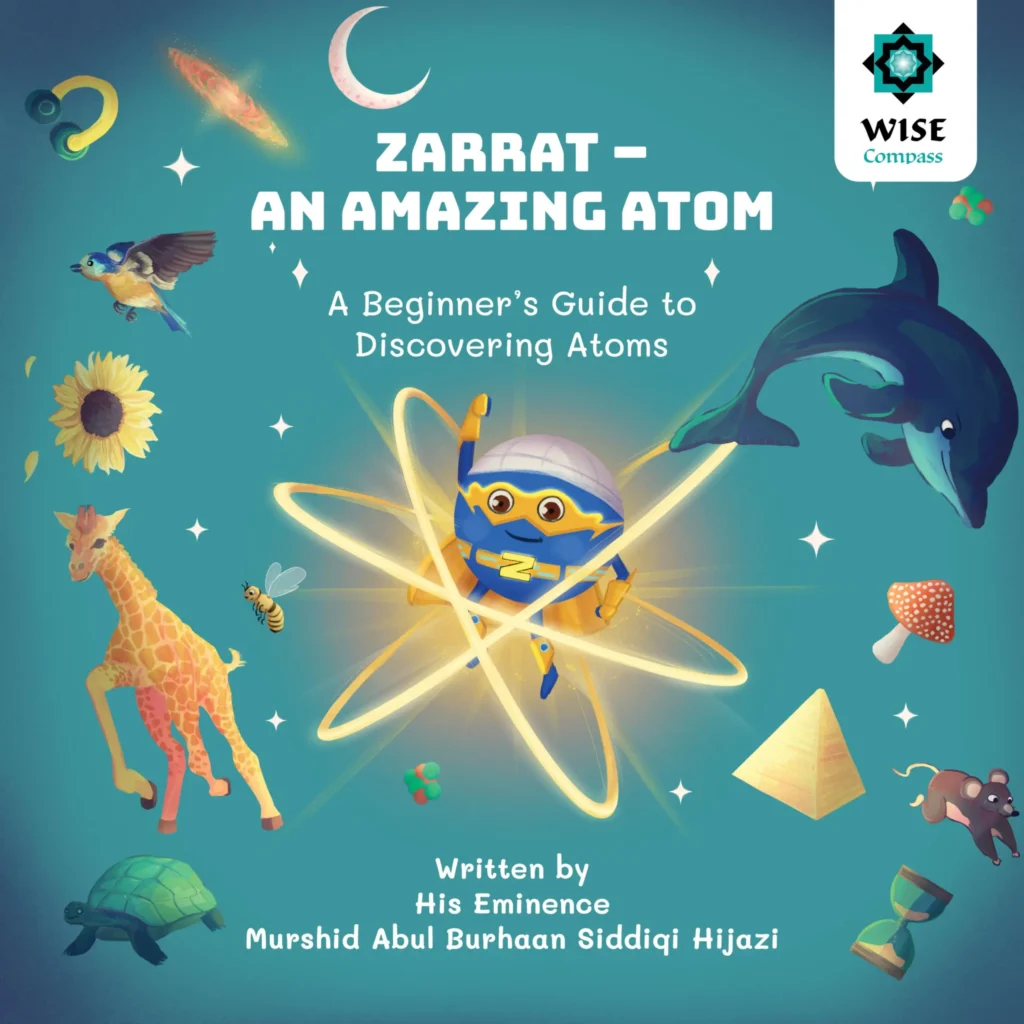
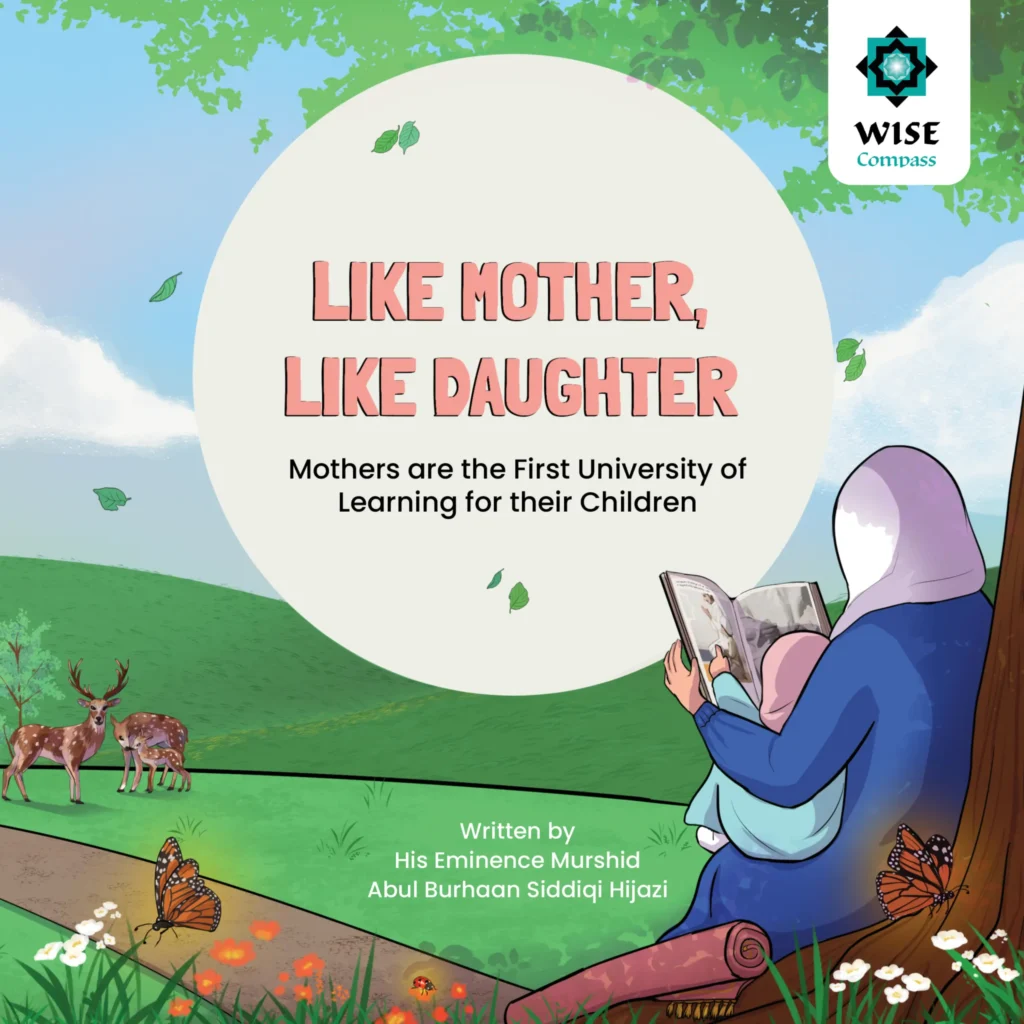
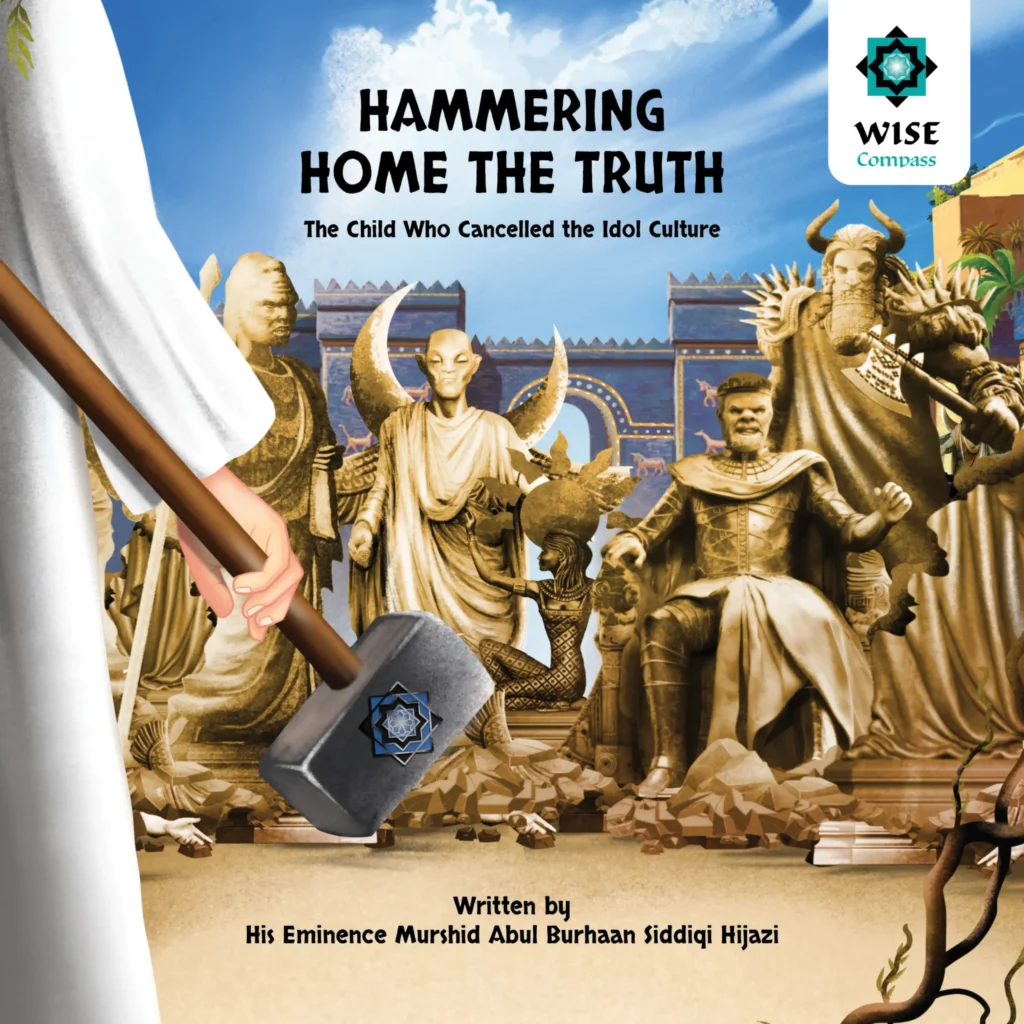
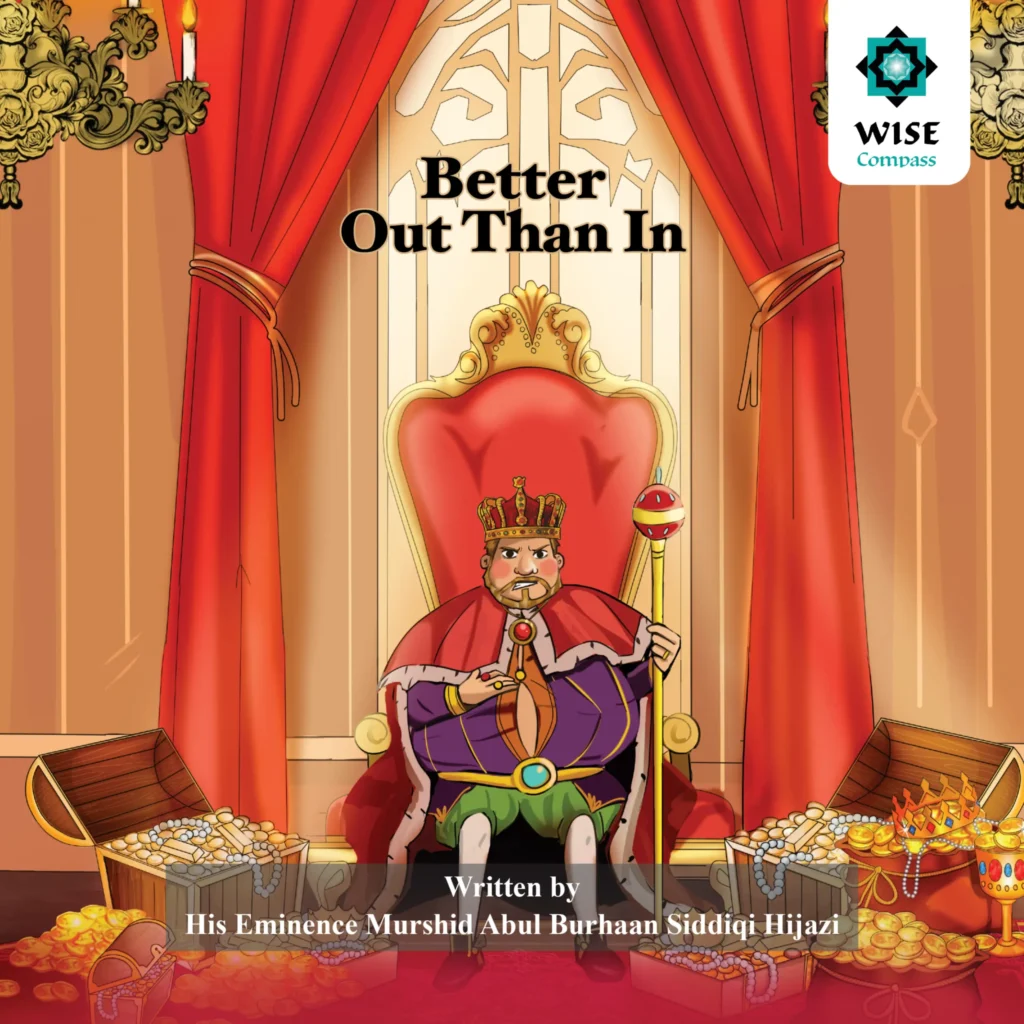
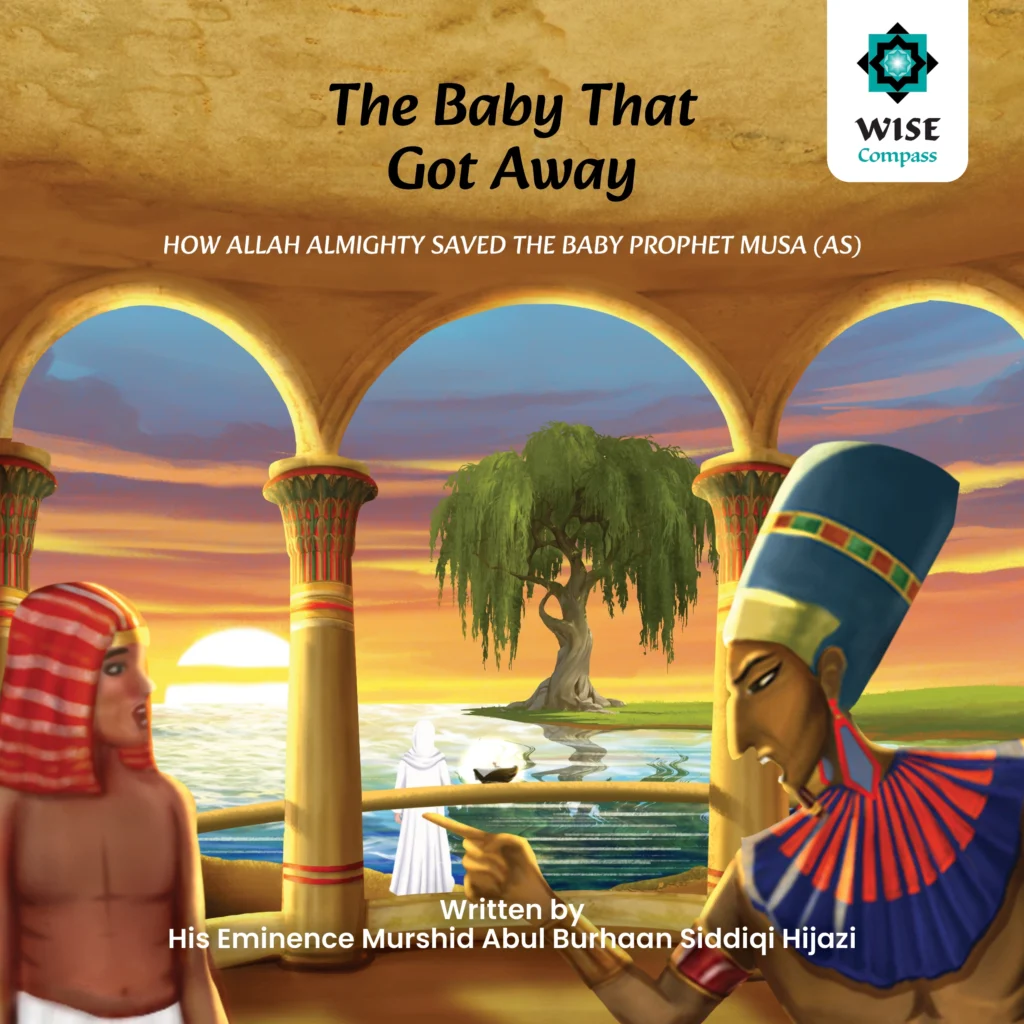
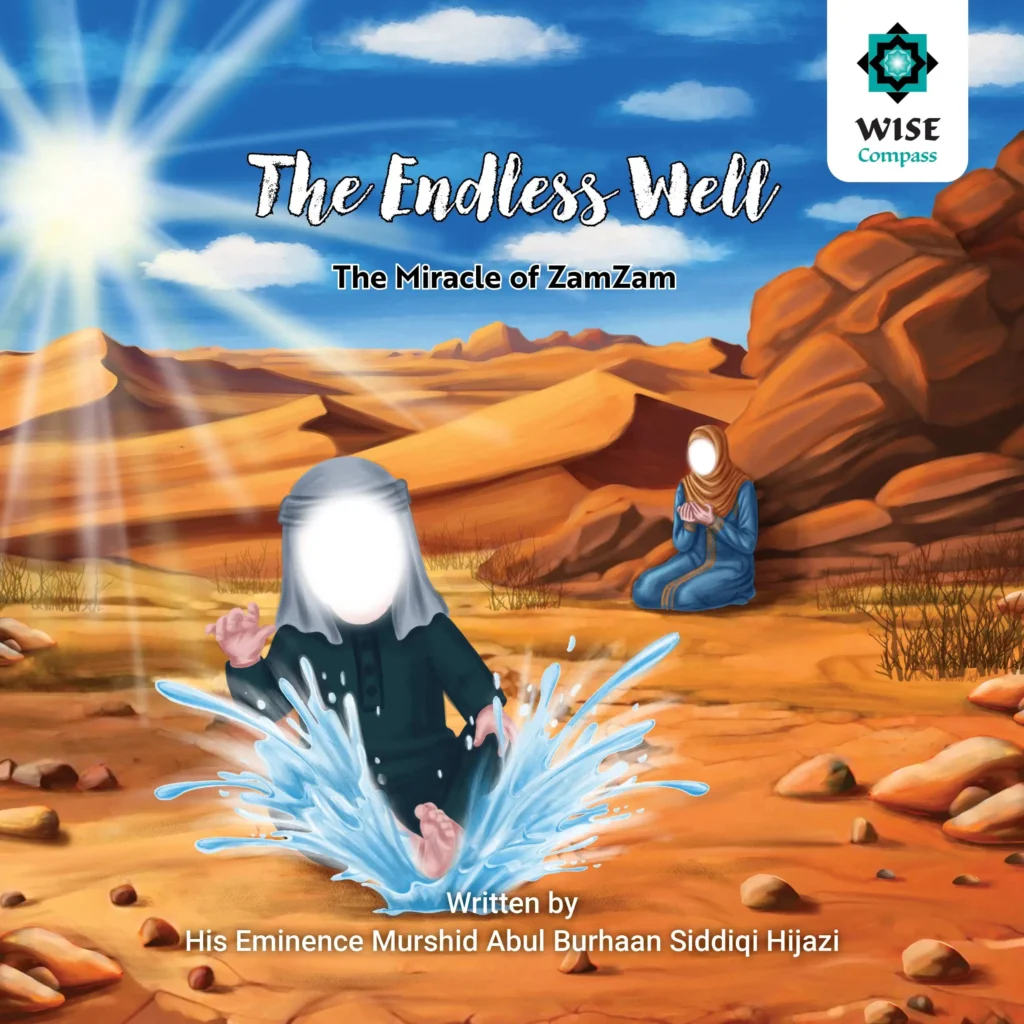
Tell them Prophet stories, stories about nature and everything created by Allah Almighty, as well as stories that show what Islamic values look like in a real person’s life. The Wise Compass library is specifically designed for this purpose: books that bring Islamic values to life through stories that children aged 4-11 years genuinely want to hear again and again.
Answer Every Question with Warmth and Honesty. Children at this age question everything, asking to understand the world as they experience it. ‘Why do we pray?’, ‘Where is Allah Almighty?’, ‘Can Allah Almighty see me?’ These are not inconvenient questions. They are the beginnings of faith. Every answer you give becomes part of your child’s understanding of what it means to be Muslim. Every question you dismiss teaches them that Islam cannot handle their curiosity.
Never Make Islam Feel Like a Punishment. No child should be forced or threatened to perform any act of worship in Islam.
The emotional association between Islam and punishment is one of the most destructive things a parent can accidentally install in a young child, and it is extraordinarily difficult to undo later. As a parent, you must remember that you are a custodian of your child; that your child is a soul created by Allah Almighty and entrusted to you to raise and share the gift of Islam with them. Their most important relationship in life will be with their Creator and you must not come in between that by poorly representing or mis-educating them about Islam and Allah Almighty.
This is the stage where children begin to notice that they are different from many of their peers, and where that difference starts to feel either like something to be proud of or something to hide. The parenting work here is to actively build pride, knowledge, and the confidence to explain and defend their faith when necessary.
Give Children Language to Express Themselves. A child who cannot explain why they pray, why they do not eat pork, what Ramadan is, or what Muslims believe is a child who is vulnerable to embarrassment and shame when these topics come up in conversation in their peer groups. Questions may come up at school, with friends or in social settings where they want to express and represent themselves accurately. Equip your child with simple, confident answers to common questions that they will actually face.
You can practice these conversations at home. Ask them for their opinions and thoughts on how they would handle certain situations, e.g. ‘What would you say if someone asked you why you don’t eat the school lunch on certain days?’ Role-play the discussions with them. Make it normal to talk about faith in ordinary terms rather than treating it as something that only belongs in religious settings.
Connect Them with Muslim Peers. Give your child exposure to Islam in community, wherever you can. At the Masjid, Islamic school, weekend classes, amongst Muslim family, friends and community – anywhere where your child can know that they are not alone. Let them see that there are other children who share their faith and navigate the same world.
This experience and exposure is extraordinarily valuable to building their sense of belonging and self-confidence. The sense of being connected to the Ummah (Global Muslim community) is not just a theological concept. For a child growing up as a minority, it is a psychological lifeline.
Address School Challenges Proactively. Before your child starts at a new school, meet with teachers to ensure prayer provisions are in place if needed, that dietary requirements are understood, and that your child knows their rights as a Muslim student. In the UK, schools are legally required to make reasonable adjustments for religious observance.
In the US, religious accommodation in schools is protected under the First Amendment and the Religious Land Use and Institutionalised Persons Act. Your child should never feel that practising faith at school is something they have to hide or apologise for.
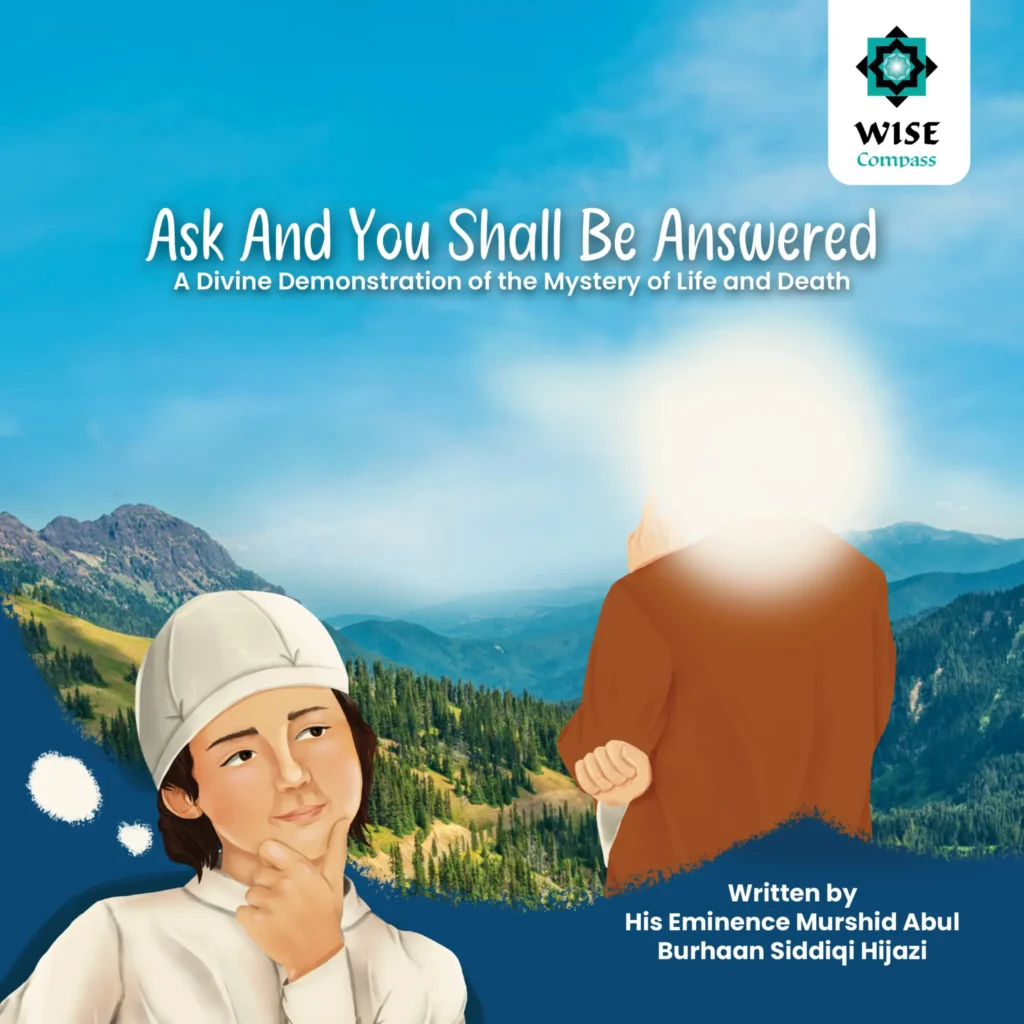
Utilise Stories to Tackle Difficult Questions. Muslim children face some common questions in middle childhood about death, about fairness, about why bad things happen to good people, and about whether Allah Almighty really exists. These are not questions that most parents feel equipped to answer in the moment.
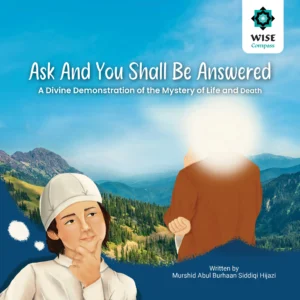
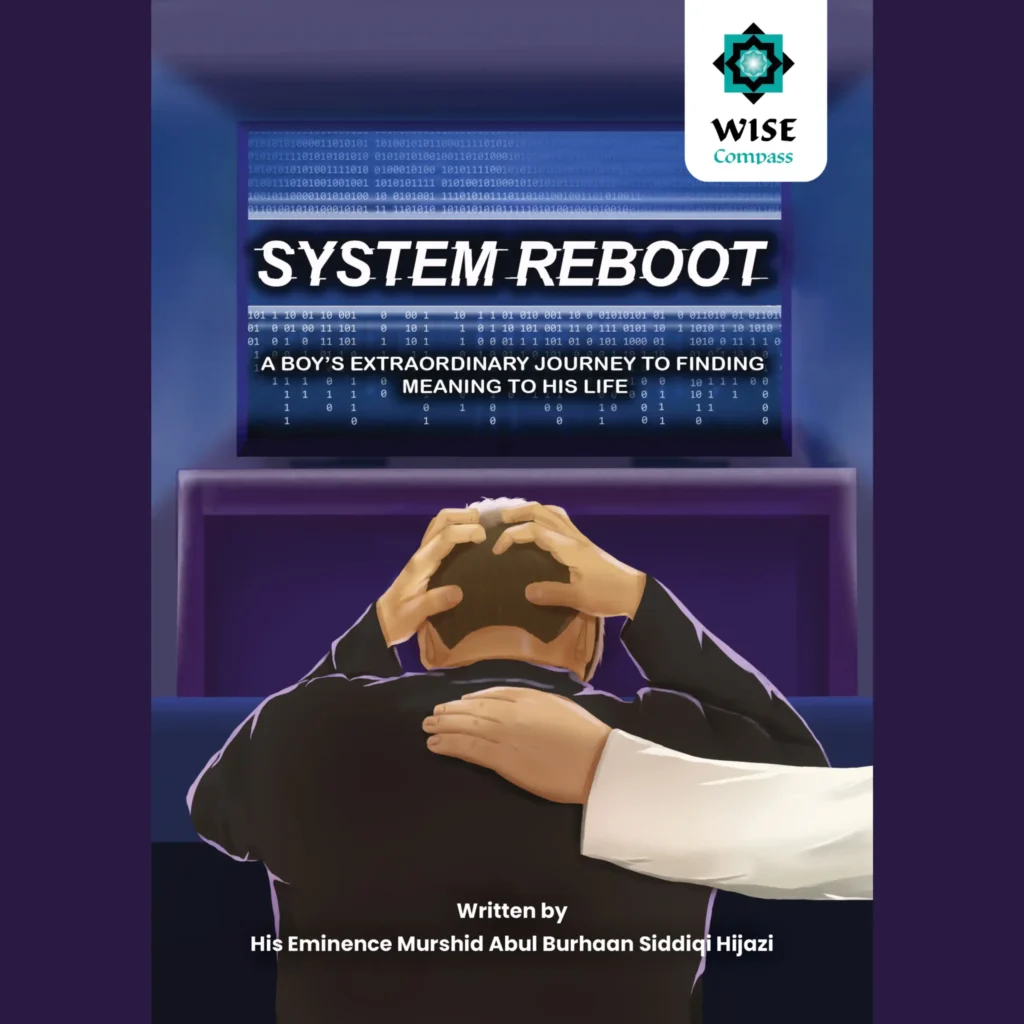
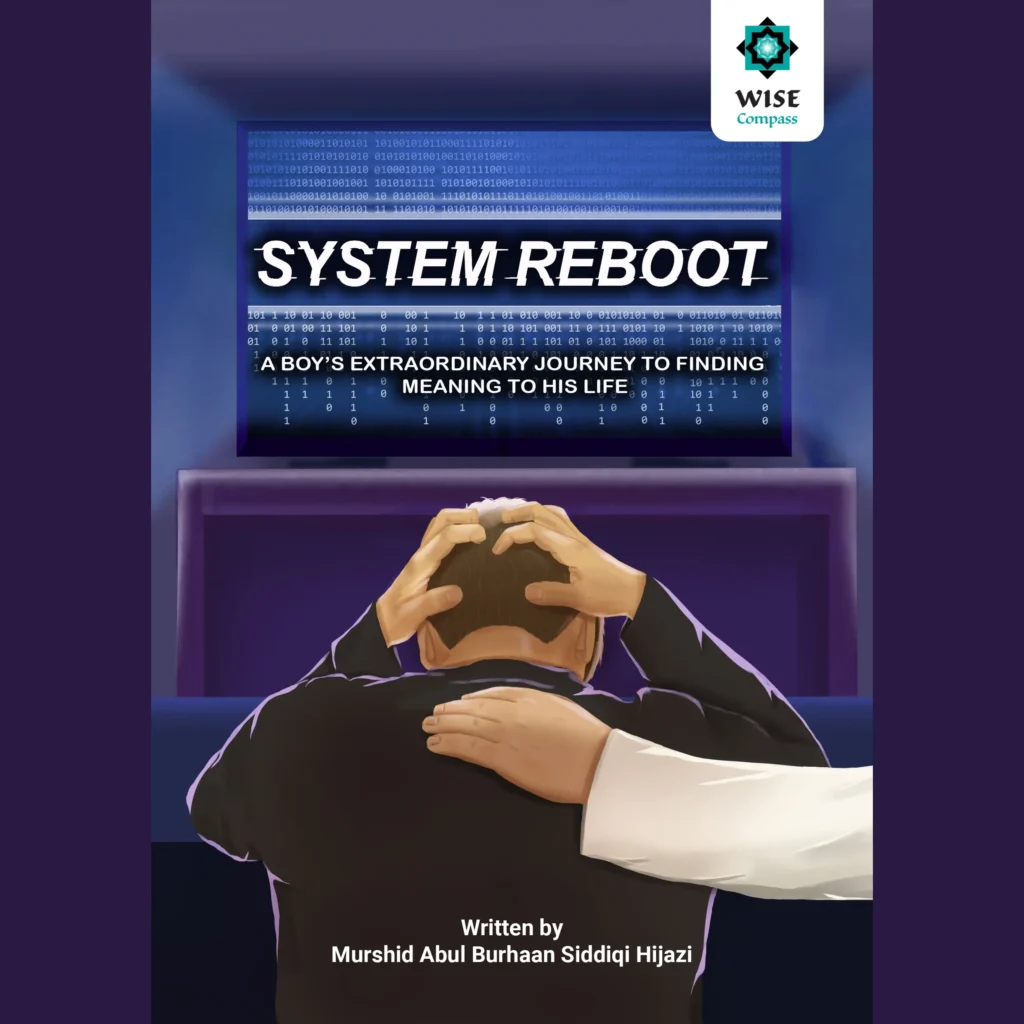
The Wise Compass library includes books specifically designed to help children work through these very questions. Books like Ask And You Shall Be Answered, perfect for the child who is full of questions about faith, existence and death; System Reboot, ideal for the child who is struggling with sadness, bullying or feeling lost; The Trillionaire and the Eye, just right for the child who is beginning to encounter the argument that science and faith are in conflict. It is a great, ever-growing resource that helps parents and children address such questions in a practical and suitable way.


This is the hardest stage and the most important one to approach with eyes open. Adolescence in a Western context is a period of intense identity formation, peer pressure, and exposure to values and experiences that directly challenge everything a Muslim parent has tried to build. Some drift is normal. The goal is not to prevent all struggle but to ensure your child has enough of a foundation that they can find their way through it.
Stay Connected, Even When it is Difficult. The adolescent who feels judged, lectured, or policed by their parents will stop talking to them. The adolescent who feels genuinely known, loved, and respected by their parents, even when those parents disagree with them, will keep coming back and stay open to communication. This does not mean having no standards or boundaries for safety. It means making your home a place where your child can bring their doubts, their questions, their mistakes, and their confusion without fear of rejection.
Distinguish Between Islam and Culture. One of the most common sources of disconnection for Muslim adolescents in the West is the confusion of cultural practices with Islamic obligations. A teenager who is told that something is Haraam because their parents’ ethnic or social culture disapproves of it, when it is not actually forbidden in Islam, will eventually discover the inconsistency and begin to question everything.
When culture does not transgress what is religiously correct, then there is no harm in sharing it and allowing it to be part of your child’s identity. But where culture is contrary to faith, it must be called out so that your child can see the difference. Be honest about the difference between what Islam actually requires and what your family’s cultural tradition has added.
Take Their Questions Seriously. A teenager who asks ‘How do I know that Allah Almighty exists?’ or ‘Why does Islam have rules about relationships?’ is not a teenager who is challenging or losing their faith. They are a teenager who is doing the essential work of exploring their faith and making it their own. The worst possible response to probing questions like this is dismissal, alarm or reprimand.
The right response is engagement, taking the question seriously, exploring it together, and being honest about the limits of your knowledge while pointing toward resources that can help. Ultimately, the fact is that we cannot make decisions for our children when they become Baaligh (Mature adults) and are personally accountable to Allah Almighty. The best we can do is guide them as trusted advisors who love them and have their best interests at heart.
Model Tawakkal Through Difficult Times. Adolescents are watching everything. How you respond to difficulty, loss, injustice, and uncertainty tells them more about what Islam actually provides than anything you say on the matter. A parent who visibly and calmly turns to Allah Almighty during difficulty, without performance, is giving their teenager the most powerful demonstration available of why the faith is worth keeping.
This is often the first visible point of difference a child encounters. Handle it by making it something your child is aware of and feels happy about rather than something to be potentially embarrassed by. You should prepare them for this through framing, and not through lecturing. Talk to them and explain, ‘You know what you can and cannot eat, which most of your classmates might not. You understand where your food comes from and why it matters. You are taking care of your physical and spiritual health by doing this. That is something to be proud of.’
At the start of each school year, contact the school to liaise with the catering team to ensure Halal options are available. In the UK, many local authorities have policies requiring Halal provision in schools with significant Muslim populations. In the US, many school districts have similar provisions. Equip your children to know their rights and exercise them calmly and confidently.
Children should never be made to feel that their religious observance is something to hide. In the UK, the Equality Act 2010 protects students from discrimination on grounds of religion or belief, and schools must make reasonable adjustments to uphold these rights. In the US, students have the right to pray at school, wear religious clothing, and observe their faith without harassment.
If your child faces difficulties on these issues, address them directly with the school to understand the cause and to collaborate on solutions. Teach your child the language to use at the time when issues arise: ‘I am Muslim, and this is part of my faith,’, ‘It is part of my human rights to practice my religion in this country, it is protected by law’, ‘You should not mock someone’s beliefs, that is uncivilised behaviour’, ‘If you have questions about my beliefs, we can talk about it respectfully.’
A child who has been taught self-respect will show respect to others and not internalise any ignorance or unfairness they face. A child who knows their rights is a child who can hold their ground if those rights are undermined, challenged, or denied.
This is a constant pressure point for Muslim children in the West, particularly in primary school, where class parties and dress-up days on festival days are common. As a Muslim parent, you should handle it with clarity, warmth, and consistency rather than rigidity or anxiety.
Be honest with your child: ‘Halloween/Christmas is a celebration from a different religious tradition that we do not believe in. We are Muslims, and do not celebrate these holidays; we celebrate our own holy days and beautiful celebrations, such as Eid Al Fitr, Eid Al Adha, and Ramadan.
These are meaningful holy days for us and are not based on cultural traditions or superstitious beliefs but on pleasing Allah Almighty. We respect other people’s right to celebrate what they believe in, and we are kind about it but we do not promote or copy them.’
In the case of specific festivals, you can explain that these are not just celebrations for fun but are actually based on religious beliefs and pagan beliefs. You can explain these beliefs to your child so they are clear about why you do not believe in them and as Muslims cannot accept them or emulate them.
For example, you can explain to them that Christmas is in part inspired as a religious Christian holiday but also largely is derived from the Wiccan festival Saturnalia, or Halloween being based on the pagan solstice of Samhain, Easter being an amalgamation of Christianity and Ostara, Diwali being a Hindu religious celebration.
This approach, understanding the reality + showing clear boundaries + having respect for others + pride in Islamic alternatives, is far more effective than either prohibition without explanation or reluctant participation that leaves the child feeling neither here nor there. In this way, Muslim children will not form attachments to non-Islamic influences and will understand clearly how they are not a part of Islam.
You should also ask your children what they like about these celebrations, to understand their interest in them. Oftentimes, children are attracted to the fun and excitement around these celebrations and are not connected to what they actually mean. As these are national holidays in the West, it is also a more overwhelming experience to have main holidays off from school, see promotional gifts and seasonal shows and movies on TV that promote these festivals.
The reason many Muslim children feel the pull of Christmas and Halloween is that those celebrations are culturally enormous, with presents, costumes, lights, and parties. But these are temporary and superficial experiences that can easily be overridden with better replacements.
Give them a life where they have many opportunities to enjoy those same experiences, for other reasons – enjoying time off from school, eating fun foods, sharing presents, enjoying shows they like can all be done without needing a non-Islamic festival. Make Islamic celebrations genuinely special too, so that Muslim children experience their own exciting religious traditions. If Eid in your home is more vibrant, more joyful, and more memorable than anything secular culture offers, your children will not feel the pull of these other influences.
Young people growing up will always come to think about romantic relationships and have questions and curiosity about this natural part of human connection. This time of questioning will come. Prepare for it rather than reacting to it.
The Islamic framework for relationships: lowering the gaze, guarding chastity, and Nikkah (Marriage) as the context for intimacy, makes profound sense when explained with wisdom and without shame. It should be explained to young people in terms that they can understand.
‘Islam asks us to protect our hearts and our dignity. Allah Almighty has created us to have affection between each other, and especially for the right person who is our partner.
Relationships in Islam are about respect, love, positivity and long-lasting goodness. They should not be undermined by treating them as a way to entertain passing fancies or gratify basic urges.
In Islam, we understand how powerful attraction is; that is why Islam gives us boundaries, not to make life hard, but to protect us from making reckless or damaging choices. It protects us from the kind of pain that comes from giving too much of yourself too soon to someone who was not meant for you.
The Islamic way of having honourable relationships is about finding the right person properly, with your family’s support, when you are ready. It is not restrictive; but is actually based on self-respect, maturity and responsibility for this important step in life.’
A teenager who has heard this conversation calmly, without embarrassment, framed in terms of their own dignity and wellbeing rather than fear of sin, is equipped to make sensible choices. They are better able to hold their ground against temptation, coercion or undue influence in a way that a teenager who has only ever been told ‘It is Haraam’ is not.
The most important thing to understand about raising Muslim children in a non-Muslim country is that the goal is not to produce a child who complies robotically with Islamic rules. It is to produce a person who has a genuine, living, personal relationship with Allah Almighty. Someone who has a deep and personal sense of their faith and chooses to practice it with sincerity. They will carry their faith forward not because their parents demanded it but because it is their chosen path of life and the truest and most beautiful way of life they know.
This does not happen quickly or in one go. It does not happen through any single strategy or resource either. You help your child discover and embrace their Islamic identity across thousands of small moments. From bedtime stories that carry Islamic values when they are a young child to conversations engaging their opinions at the dinner table. From seeing their parents praying in the early morning or joining in a Dua made together before a difficult day at school. From asking their curious or difficult questions and having them answered with sensitivity, honesty and love rather than dismissal.
The Wise Compass library exists precisely to support parents and children alike in this long-term journey of personal development. For Muslim children in the UK and US, we provide stories that carry the values, questions, and wisdom of their faith in a form they can engage with at every age.
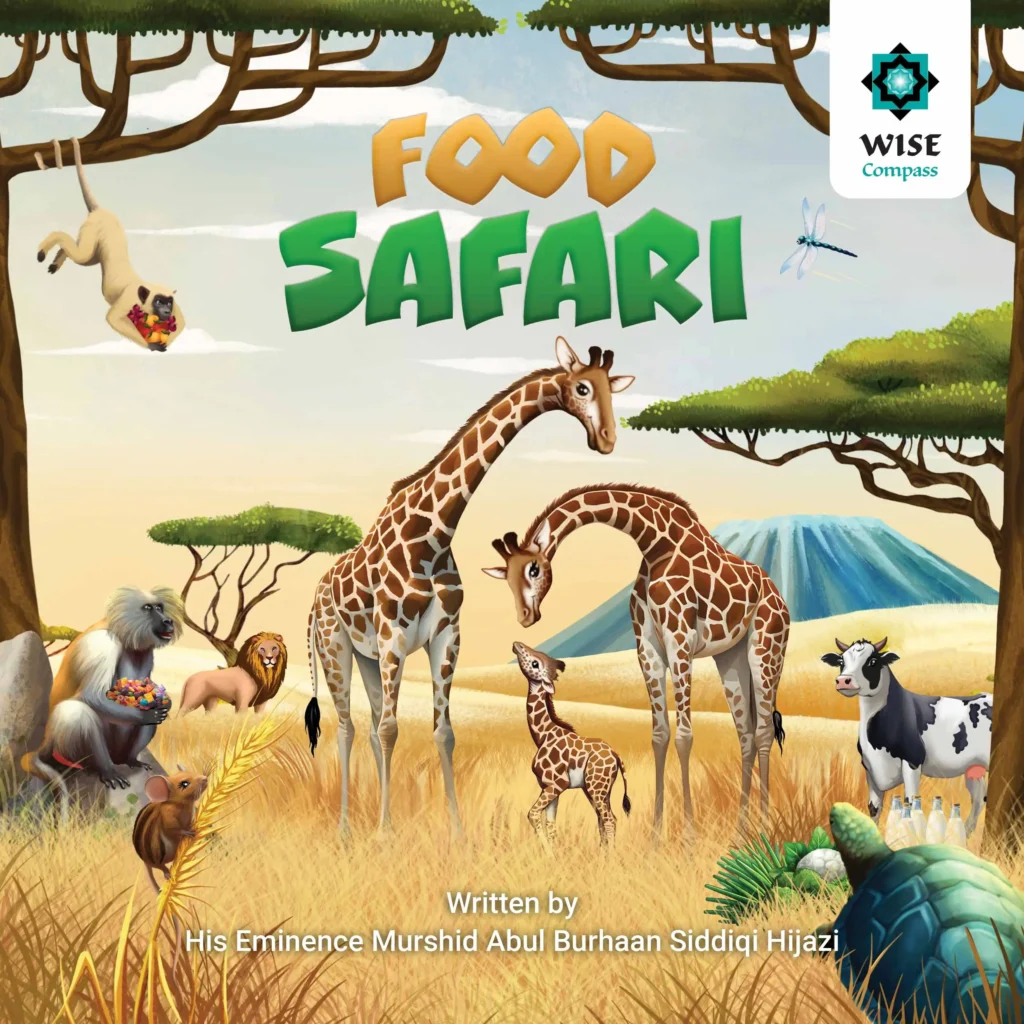
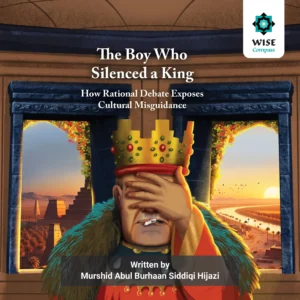
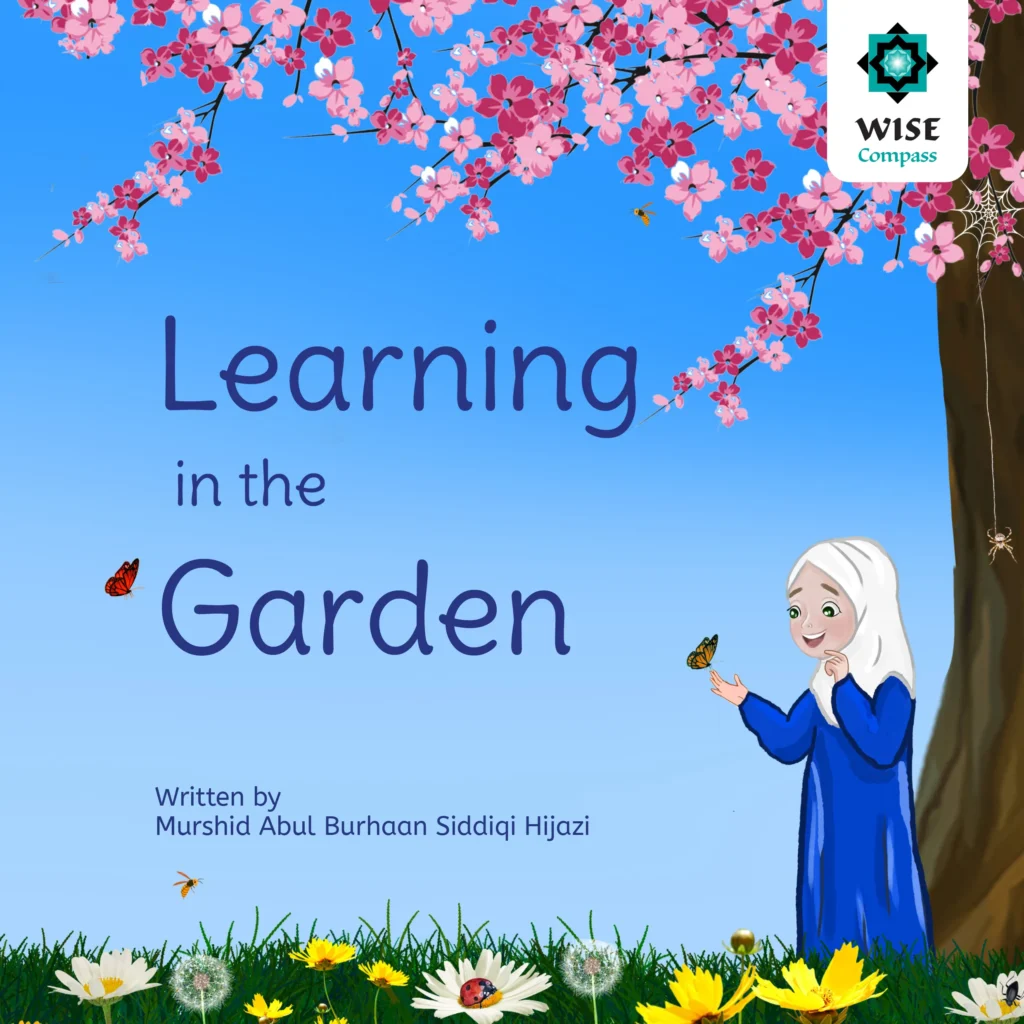
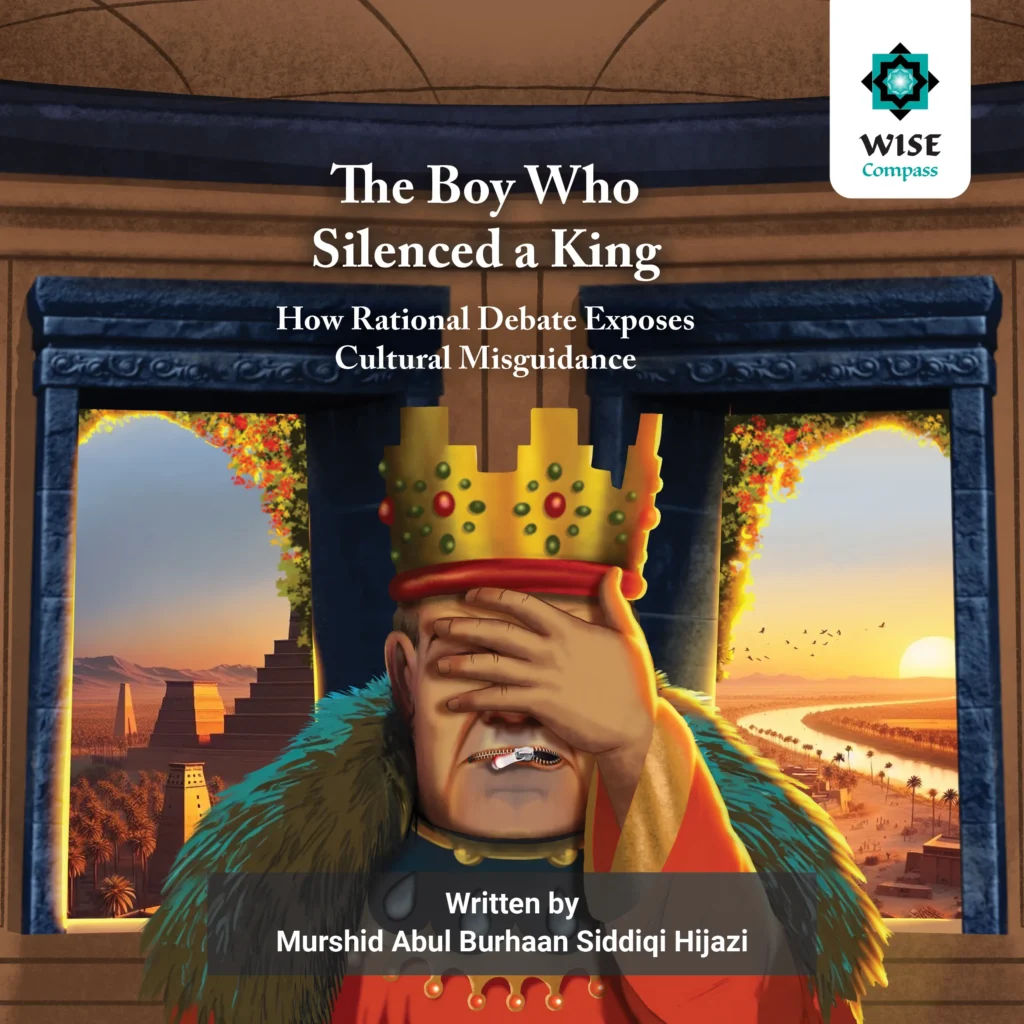
Stories that spark their curiosity and encourage discovery of the wonders of nature created by Allah Almighty – like a little girl called Sabah in ‘Learning in the Garden’ or a little giraffe called Zaafir in ‘Food Safari’. Stories that show what courage looks like when you stand up for your faith as a pre-teen – like Prophet Ibraheem (AS) did as a child, showcased in ‘The Boy Who Silenced a King’.
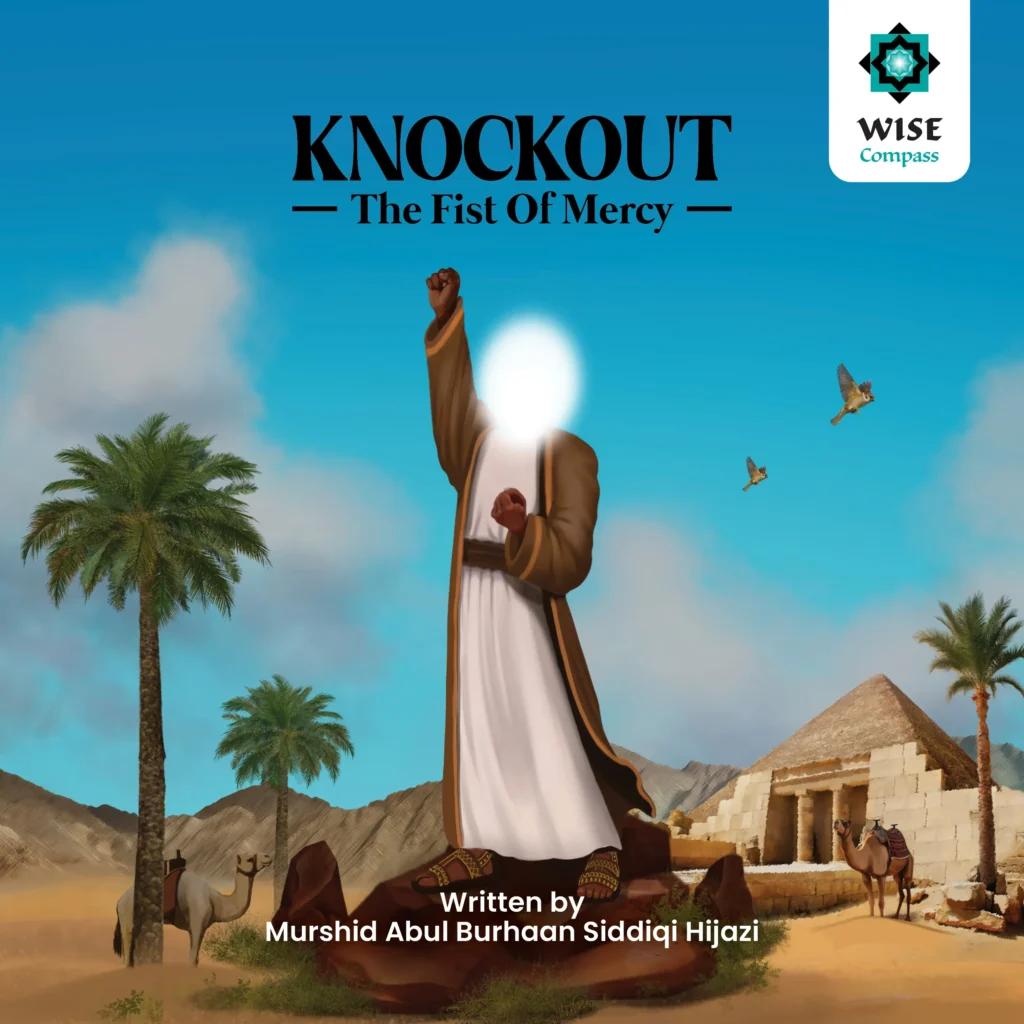
What trust in Allah Almighty feels like when you are standing at a crossroads in life, as a young person facing public discrimination – like Prophet Musa (AS) did when accused by his community, showcased in ‘Knockout – The Fist of Mercy’. What it means to come back to your faith when you have felt lost and find that the door was never closed – like Shafeeq in ‘System Reboot’.

Many Muslim parents in the UK and US are themselves products of a Western upbringing and are working out their relationship with their faith while trying to transmit it to their children. There is sometimes a pressure to appear certain, established, and unwavering when internally you are still figuring things out too.
You do not need to be a scholar to raise a Muslim child. You need to be honest, consistent, warm, and genuinely seeking understanding of your religion. A parent who says: ‘I don’t know the answer to that, let’s find out together,’ is teaching their child something more valuable than any single piece of Islamic knowledge.
They are teaching them that faith can handle honest questions, that not knowing is the beginning of learning, and that seeking Allah Almighty is a lifelong journey, not a destination you arrive at and then stop moving.
You should make Dua to Allah Almighty for your children sincerely, specifically, and regularly. The Dua of a parent for their child is described in Islamic tradition as one of the most powerful and most certainly answered of all supplications. Whatever strategies you apply, whatever resources you use, whatever conversations you have, begin and end with Dua.
Practical Summary: 10 Things That Actually Make a Difference
For parents who want a quick reference, here are the ten most impactful things that independent research and the Islamic tradition both point toward:
Explore the Wise Compass library
Also read: How to Teach the 5 Pillars of Islam to Children
Also read: 99 beautiful Names of Allah Almighty for Kids
Also read: Islamic Stories That Strengthen Faith and Imaan