








Talking to children about purpose and Islamic values works best when the conversation grows with the child, moving from simple, sensory explanations at age 3 to honest, reflective discussion by age 10. Between these ages, children absorb values most naturally through stories, daily routines, and the example they see at home, rather than through lectures on faith.
The most effective approach draws on short, honest answers rooted in the noble Quran and Sunnah, real stories of the Prophets and pious people, and consistent modelling of values such as honesty, patience, and gratitude. As children mature, parents can gradually introduce bigger questions, such as why Allah Almighty created us and what our purpose in this life is. Patience and consistency matter far more than getting every explanation perfect.
Every child eventually asks some version of the same question: Why am I here? For Muslim parents, this moment is an opportunity to help their children grow as Muslims and should not be seen as a challenge to dread. Below is a step-by-step approach to having this conversation at every stage between ages 3 and 10 years.
The earliest conversations about purpose do not need to mention ‘purpose’ at all. For toddlers and young children, purpose begins with wonder: noticing the sky, the moon, animals, and their own bodies, and gently connecting these things to Allah Almighty, the Creator.
For younger children (ages 3-5 years), you can explain it in this way:
‘Allah Almighty made everything you can see. He made the sun to keep us warm, and He made you because He loves you.’
This plants the earliest seed of Aqeedah (Belief) without overwhelming a young mind with abstract ideas. Keep these chats short, repeat them often, and let your child ask follow-up questions in their own time.
Once a child can follow a simple narrative, stories become one of the most powerful tools for teaching about purpose and good character. Rather than explaining a value in the abstract, a good story lets a child see it lived out by someone else, which makes the lesson far easier to remember and repeat.
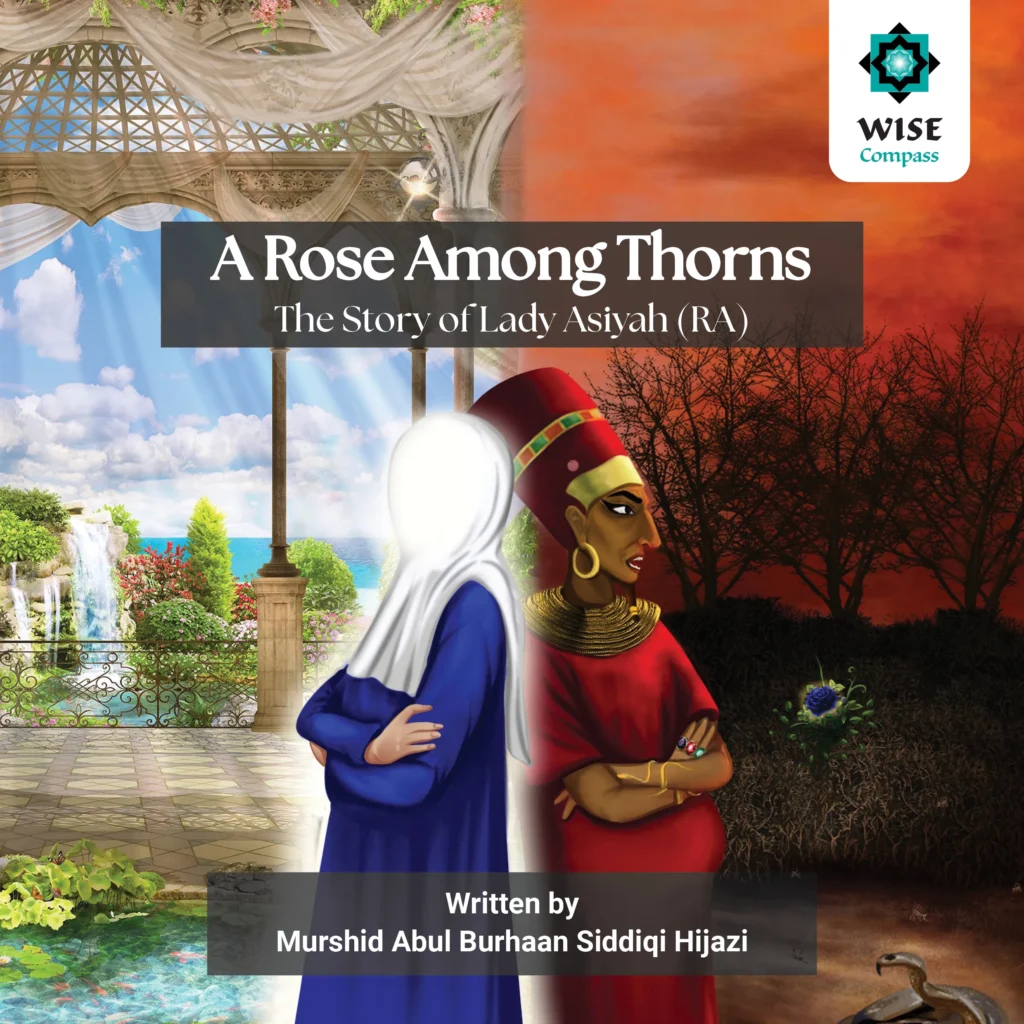
A wonderful example is the story of Lady Asiyah (RA), the wife of Pharaoh, who held on to her faith and moral courage even while living inside a household built on cruelty and injustice. Her story, told in A Rose Among Thorns, shows children that goodness and purpose can survive in even the harshest surroundings, a gentle but powerful lesson for a child who is starting to notice right from wrong in their own world. Stories like this one make for some of the most memorable bedtime stories for kids, precisely because they starkly show value within a character that a child can imagine and root for.
By age 6 or 7, many children start to worry about things not going their way, whether that is losing a toy, feeling left out, or simply not understanding why hard things happen. This is a good moment to introduce the idea of Tawakkal (Reliance on Allah Almighty).
The story of Murshidah Sayyidah Haajrah (RA), left in the desert with her infant son and trusting completely in Allah Almighty’s promise, is a gentle way to bring this to life. Told in The Endless Well, this story shows a child that even in the most desperate circumstances, Allah Almighty provides resolutions. This is a theme that resonates with children facing their own smaller worries about the future.

Allah Almighty tells us in the noble Quran, at Surah Al Aa’raaf (7), Verse 180:
وَلِلَّهِ ٱلْأَسْمَآءُ ٱلْحُسْنَىٰ فَٱدْعُوهُ بِهَا ۖۦ
Wa lillaahil asmaa’ul husnaa fad’oohu bihaa
Allah Almighty has the most beautiful names. So call upon Him by them.
You can use this verse to explain to your child that whenever they feel worried, they can call on Allah Almighty by His Names, such as Al Razzaaq (The Ultimate Provider), and trust that He hears them.
As children reach the 7-10 age range, they begin to grasp more complex moral dilemmas, such as choosing honesty even when it is difficult. This is a good age to move from teaching simple obedience, such as teaching them ‘don’t lie’, to understanding why honesty matters as part of a bigger purpose.
The story in Honour Amongst Thieves is an excellent example for this age group. A young man surrounded by sixty thieves must choose between lying for his own safety or keeping a promise made to his mother to always tell the truth. It is his honesty that ends up changing the hearts of those around him. This is one of those short stories for kids that shows children that a single truthful choice can matter more than they realise.

It is reported in Sahih Muslim, Hadith 2747, that holy Prophet Muhammad ﷺ said:
‘Allah Almighty is more pleased by the repentance of His servant than a man who finds his lost camel in the desert.’
This Hadith is useful here too, as it reassures children that Allah Almighty loves sincerity and honesty even after a mistake, not just perfect behaviour.
By age 8 or 9 years, many children start to ask the big question directly: Why did Allah Almighty create us? At this stage, you can begin to explain the concept of worship in its fullest sense, not only Salah (Prescribed prayers) and Dua (Supplication), but also kindness, honesty, and good character as forms of worship too.
For children 8-10 years, this is a simple way to frame it:
‘Allah Almighty created us to know Him, to worship Him, and to be good to His creation, and every good choice you make, from telling the truth to helping a sibling, is part of fulfilling that purpose.’
This is also a good age to introduce reflection questions rather than only giving answers, letting your child sit with the question for a while before you respond.
Children between the ages of 3 and 10 years learn values far more from what they observe than from what they are told. A parent who is calm in traffic, honest about a mistake, or generous with a neighbour teaches more about Islamic values through their example in those moments than an hour of explanation could. Try to narrate your own choices out loud occasionally, for example, ‘I am going to say sorry because I was wrong, and Allah Almighty likes us to ask for forgiveness when we have made a mistake,’ so your child can connect the value to a real action.
Perhaps the single most important habit across all ages is making it safe for your child to ask anything, even if they ask questions that feel awkward or repetitive. A child who is met with patience when they ask a tough question such as ‘Why does Allah Almighty let bad things happen?’ will keep coming back to you with their bigger questions as they grow older, rather than looking elsewhere for answers.
Children can begin absorbing simple ideas about Allah Almighty and purpose from around the age of 3 years, through short, sensory conversations about creation. There is no need to wait for a ‘big talk’; small, repeated conversations from an early age build a stronger foundation than one detailed discussion later on.
Keep explanations short, concrete, and tied to something the child can see or experience. Make the connection clear for them between the created world they can witness and the Creator, Allah Almighty. You can use examples such as the sun, food, or family and explain how each of these have been made with a purpose, and then link it to the purpose with which your child has been made. Avoid long theological explanations for younger children, and let the conversation grow naturally as your child asks more questions over time.
It is always better to acknowledge that you do not have the answer right away and say, ‘That’s a wonderful question; let me find out and come back to you,’ than to guess or dismiss the question. This models honesty and shows your child that it is okay to ask tough or difficult-to-answer questions and demonstrates that seeking knowledge is itself a valued part of faith.
Stories give children characters and a situation to relate to, which makes abstract values like honesty, patience, and trust in Allah Almighty far easier to understand and remember than a direct instruction. Reading age-appropriate stories together, especially at bedtime, also creates a natural, low-pressure setting for these conversations to continue afterwards.
With younger children, keep the explanation simple and reassuring, focusing on Allah Almighty’s Mercy and the fact that this life is temporary. With older children (around age 8-10 years), you can gently introduce the concept of Qadr (Divine decree) and explain that difficulties are part of a bigger plan and a learning opportunity in life while still validating their feelings about the situation.
No. A 3-year-old needs short, simple, sensory language, while a 10-year-old can handle reflection, questions, and more nuanced discussion. The goal is to keep the core values consistent while adjusting the depth and language to match your child’s developmental stage.
Little and often works better than occasional long talks. Weaving short reflections into everyday moments, such as bedtime stories, mealtimes, or car journeys, helps values become part of a child’s normal thinking rather than a separate, formal subject.
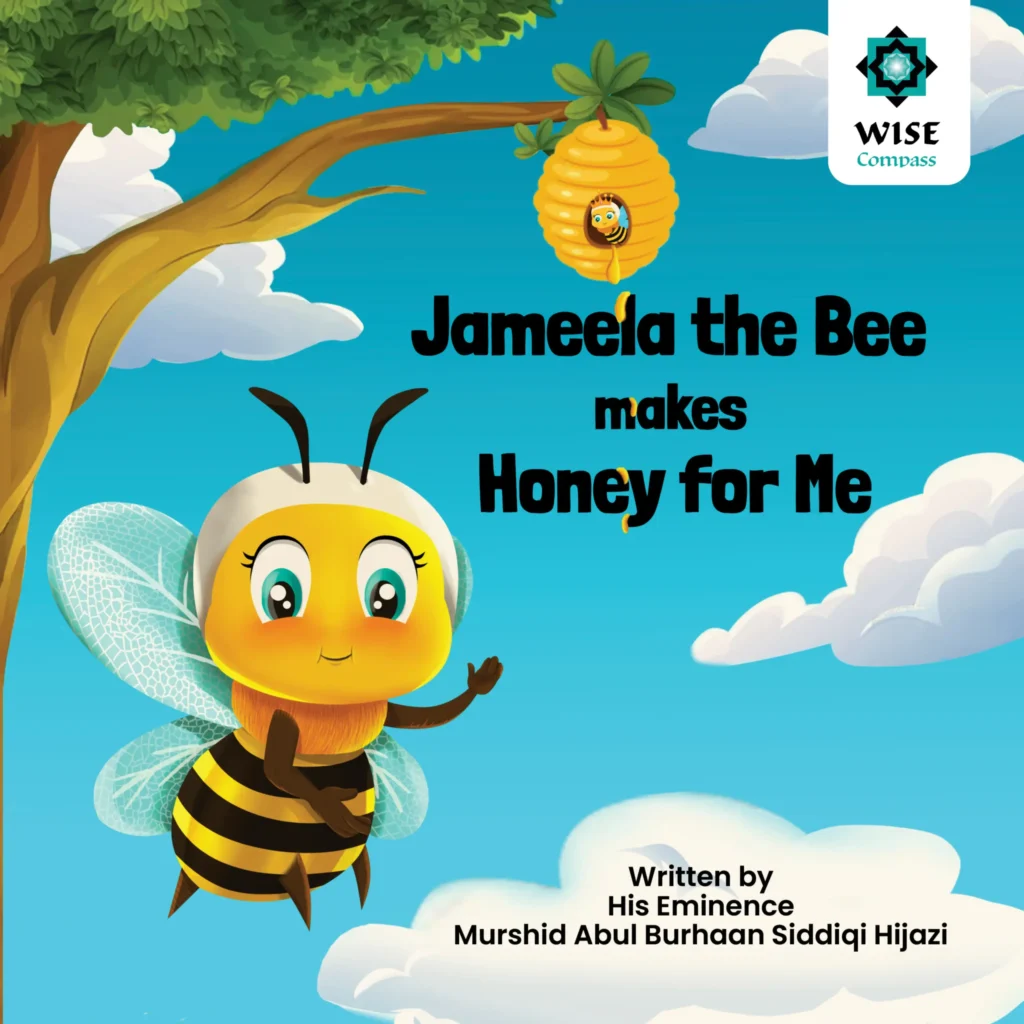
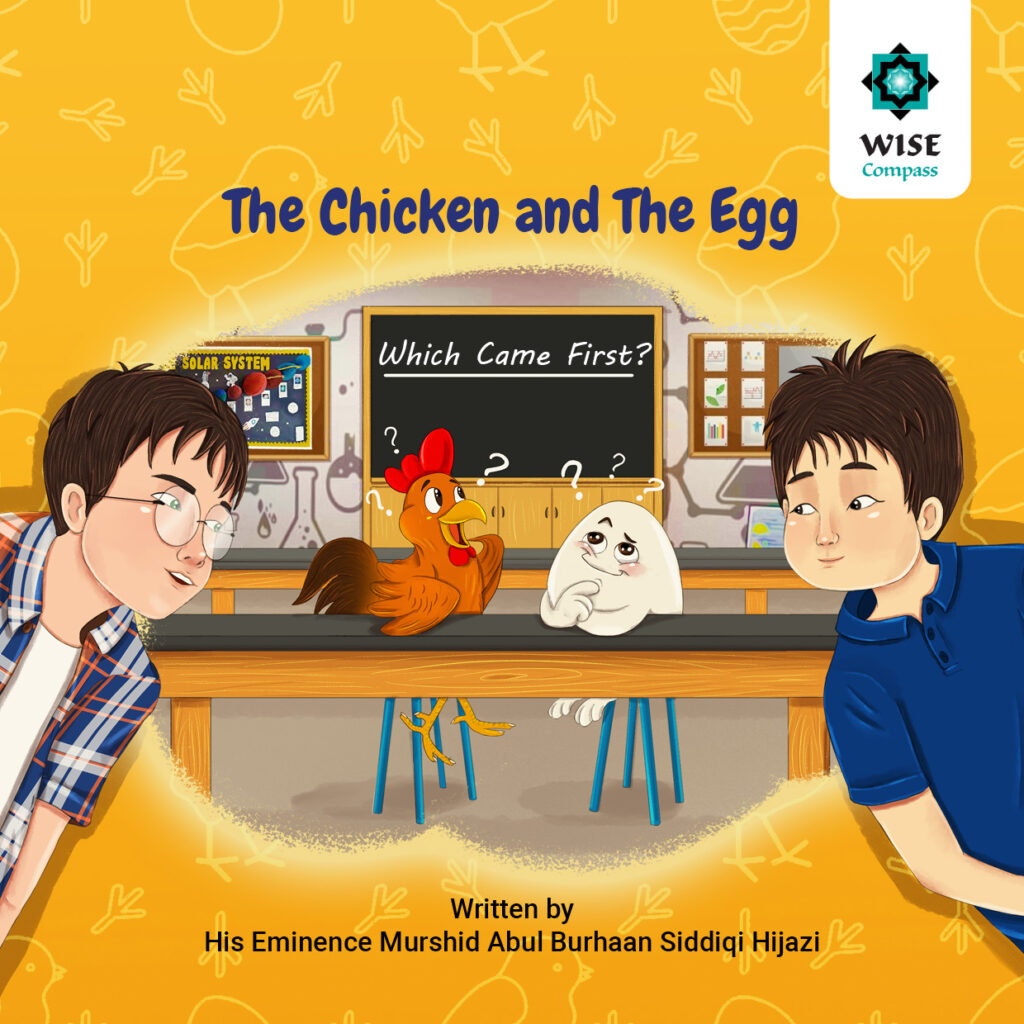
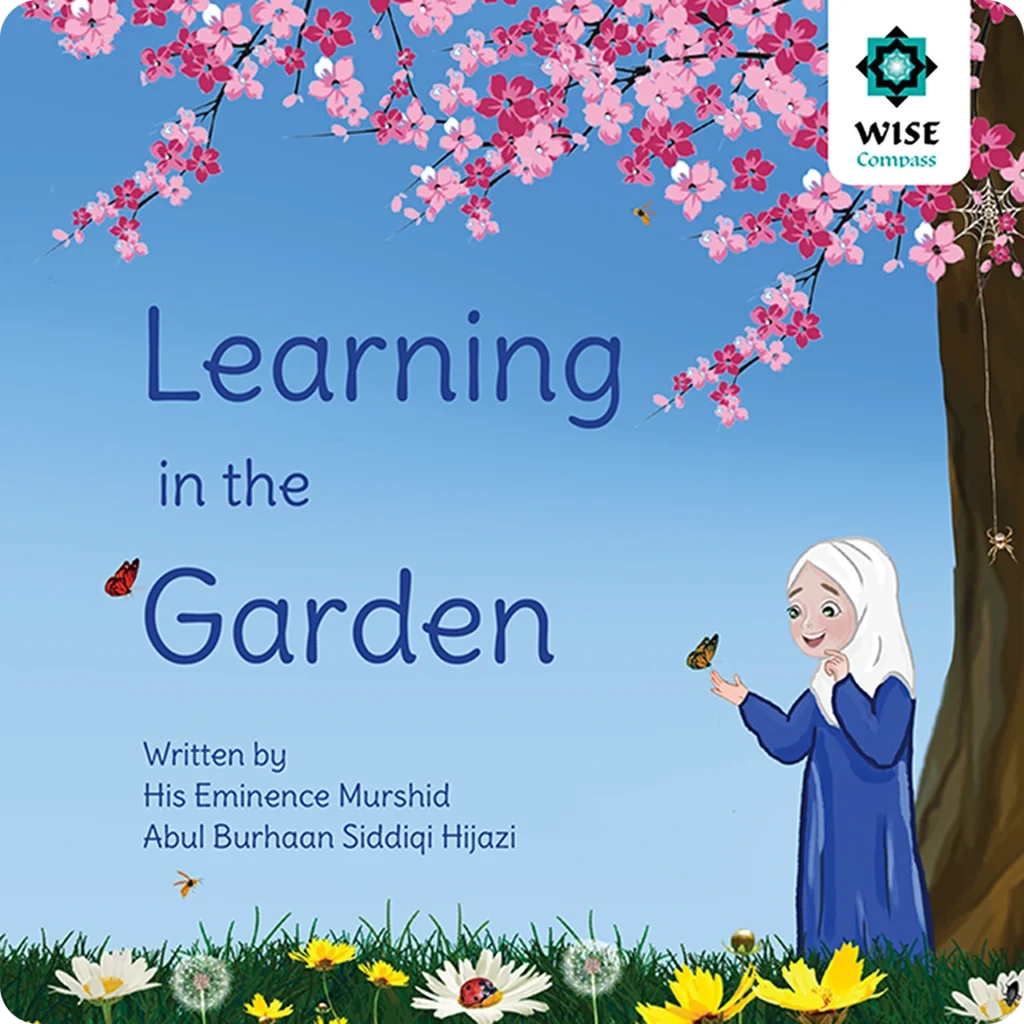
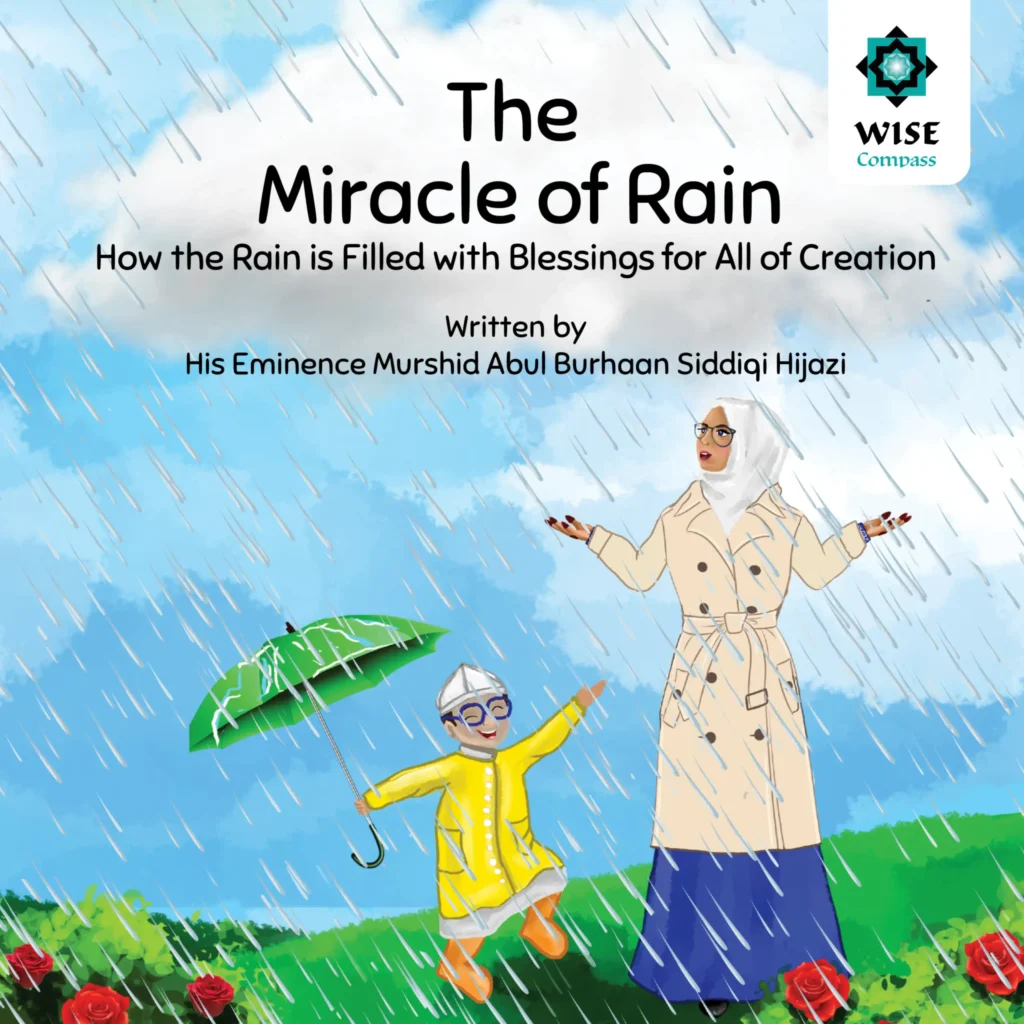
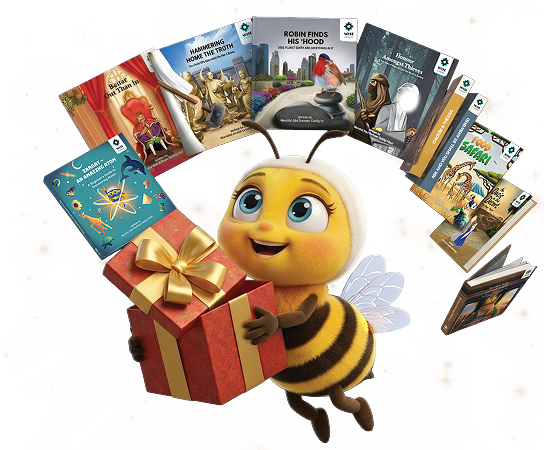
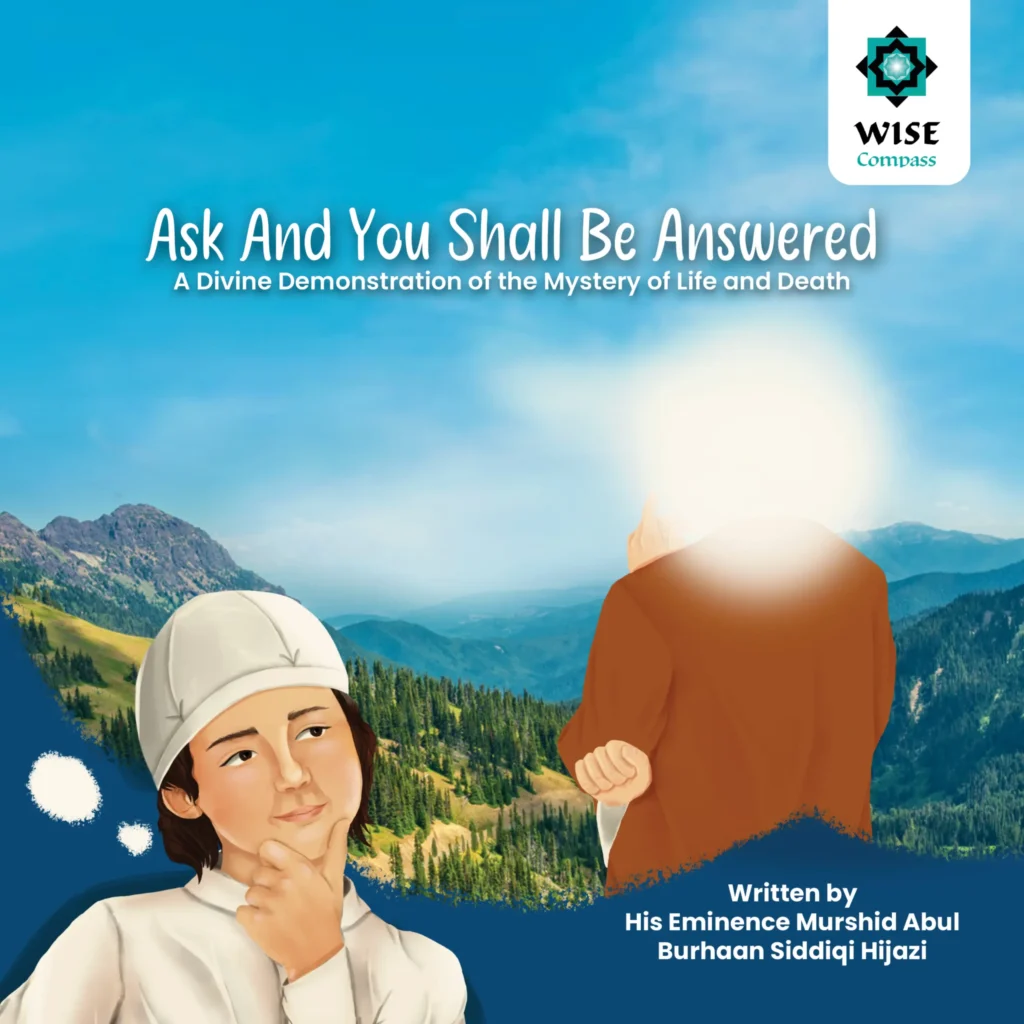
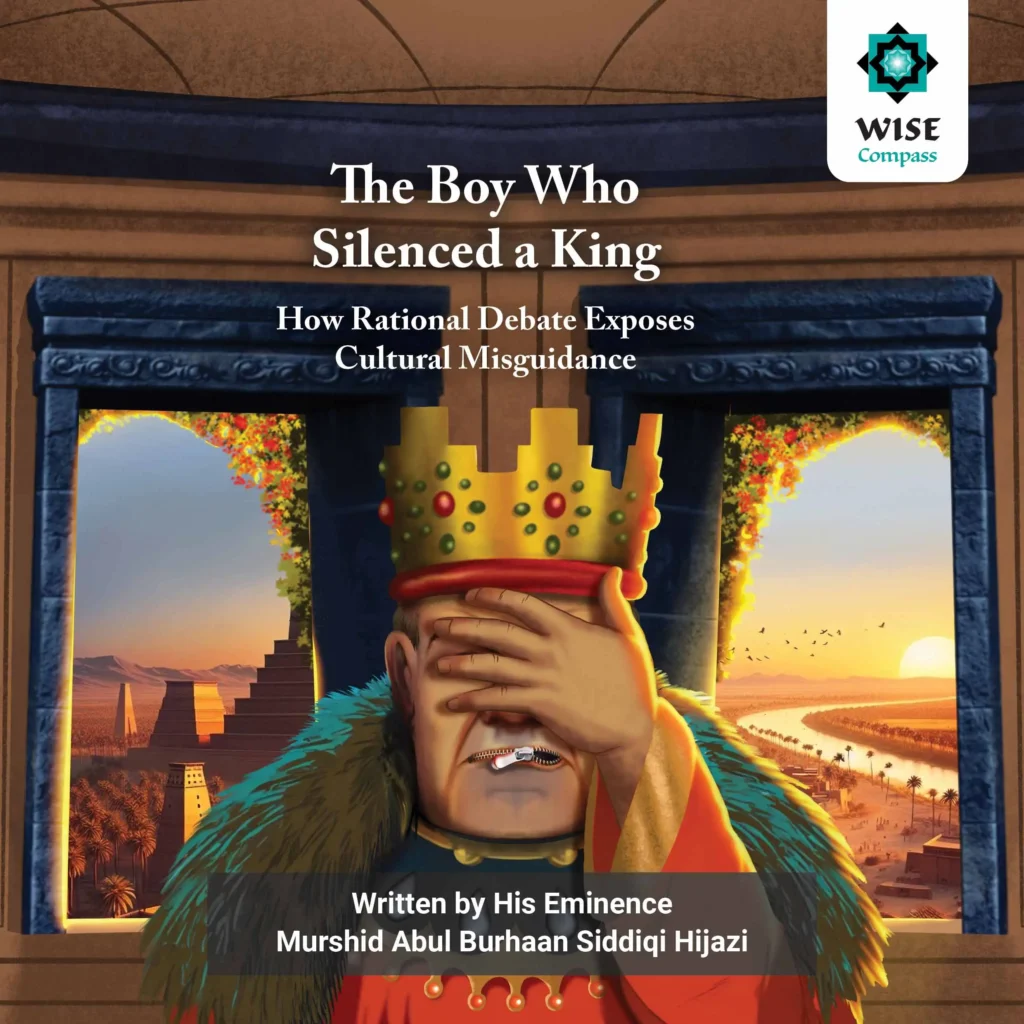
The Wise Compass stories recommended in this article are part of a wider collection of Islamic stories for kids, with options for Junior Adventurers aged up to 7 years and Young Explorers aged 7 years and above, so you can keep the conversation going at whichever stage your child is at.