


On the 15th of Shaban (Shab‑e‑Barat), Muslims across the world recite the Dua of Nisf Shaban, a heartfelt supplication seeking Allah Almighty’s mercy, forgiveness, and renewal of destiny. Learn its meaning, method of recitation, and spiritual benefits for this blessed night of Shaban.
Dua of Nisf Shaban is a time-honoured tradition for many seeking spiritual renewal during the mid-Shaban night. Often referred to as Laylat Al Barat (The Night of Salvation), this supplication serves as a heartfelt plea for Allah Almighty’s mercy, grace and generosity in rewriting one’s destiny for the coming year. Darul Iftaa and other scholarly sources highlight its role in seeking divine intervention during a night when ‘every wise matter is decreed’.
After Maghrib prayer on the 15th of Shaban, traditionally this Dua is recited after performing 6 Rakats of Nafal (Voluntary) prayer in pairs of two. After every two Rakats, Surah Yaseen is recited once, followed by the Dua of Nisf Shaban with a specific intention:
Below is the full Arabic text of the Dua of 15th of Shaban, along with its transliteration and meaning.
Arabic:
اللَّهُمَّ يَا ذَا الْمَنِّ وَلَا يُمَنُّ عَلَيْهِ، يَا ذَا الْجَلَالِ وَالْإِكْرَامِ، يَا ذَا الطَّوْلِ وَالْإِنْعَامِ، لَا إِلَهَ إِلَّا أَنْتَ ظَهْرَ اللَّاجِئِينَ، وَجَارَ الْمُسْتَجِيرِينَ، وَأَمَانَ الْخَائِفِينَ.
اللَّهُمَّ إِنْ كُنْتَ كَتَبْتَنِي عِنْدَكَ فِي أُمِّ الْكِتَابِ شَقِيًّا أَوْ مَحْرُومًا أَوْ مَطْرُودًا أَوْ مُقَتَّرًا عَلَيَّ فِي الرِّزْقِ، فَامْحُ اللَّهُمَّ بِفَضْلِكَ شَقَاوَتِي وَحِرْمَانِي وَطَرْدِي وَإِقْتَارَ رِزْقِي، وَأَثْبِتْنِي عِنْدَكَ فِي أُمِّ الْكِتَابِ سَعِيدًا مَرْزُوقًا مُوَفَّقًا لِلْخَيْرَاتِ، فَإِنَّكَ قُلْتَ وَقَوْلُكَ الْحَقُّ فِي كِتَابِكَ الْمُنَزَّلِ عَلَى لِسَانِ نَبِيِّكَ الْمُرْسَلِ: يَمْحُو اللَّهُ مَا يَشَاءُ وَيُثْبِتُ وَعِنْدَهُ أُمُّ الْكِتَابِ.
إِلَهِي بِالتَّجَلِّي الْأَعْظَمِ فِي لَيْلَةِ النِّصْفِ مِنْ شَهْرِ شَعْبَانَ الْمُكَرَّمِ، الَّتِي يُفْرَقُ فِيهَا كُلُّ أَمْرٍ حَكِيمٍ وَيُبْرَمُ، أَنْ تَكْشِفَ عَنَّا مِنَ الْبَلَاءِ مَا نَعْلَمُ وَمَا لَا نَعْلَمُ وَمَا أَنْتَ بِهِ أَعْلَمُ، إِنَّكَ أَنْتَ الْأَعَزُّ الْأَكْرَمُ.
Transliteration:
“Allahumma ya Dhal-Manni wala yamunnu ‘alayhi ahad, ya Dhal-Jalali wal-Ikram, ya Dhat-Tawli wal-In’am. La ilaha illa Anta Zahral-lajeen, wa Jaral-mustajireen, wa Amanal-kha’ifeen.
Allahumma in kunta katabtani ‘indaka fi Ummil-Kitabi shaqiyan aw mahruman aw matruda aw muqattaran ‘alayya fir-rizq, famhu-llahumma bi-fadlika shaqawati wa hirmani wa tardi wa iqtara rizqi, wa athbitni ‘indaka fi Ummil-Kitabi sa’idan marzuqan muwaffaqan lil-khayrat.”
Translation:
“O Allah Almighty! You shower favours on everyone and no one can do You any favour. O Possessor of Majesty and Honour, O Distributor of Bounty and Rewards! There is no one worthy of worship except You. You help the fallen, provide refuge to the refugees, and give peace to those who are in fear.
O Allah Almighty! If You have written me down in the Mother of Books (the record of destiny) as someone who is miserable, or deprived, or rejected, or restricted in sustenance – then, O Allah Almighty, by Your Grace, erase my misery, my deprivation, and my restricted provision. Instead, establish me with You as someone who is blessed, provided with abundant sustenance, and guided to do good deeds.”
Reciting the Dua Nisf Shaban is a powerful way to connect with Allah Almighty on the special night of Shab e Barat. It is deeply rooted in the theme of ‘Salvation’ and ‘Fate’, serving as a spiritual conversation where we ask our Creator to better our lives.
Here are some of its benefits:
The most unique benefit of this Dua is the plea for Allah Almighty to erase any misfortune written in our record. It is based on the belief that sincere supplication can change one’s circumstances. We ask Him to remove misery (Shaqawat) and replace it with happiness and success (Sa’adat).
The prayer specifically asks Allah Almighty to remove ‘restricted provision’. For families, this is a beautiful way to ask for Barakah (Blessings) – not just in money, but in time, health, and peace within the home. It encourages us to rely solely on Allah Almighty rather than being dependent on people.
By reciting this Dua, we seek refuge (Aman) from the fears and hardships of the world. It acts as a spiritual shield, asking for a year ahead that is filled with safety and freedom from punishment or distress (Azaab).
As Shab-e-Barat is the Night of Salvation, this Dua serves as a formal “Fresh Start.” It reminds us that Allah Almighty is the Possessor of Majesty and Honour, and no matter how many mistakes we have made, His grace (Fadhl) is enough to wipe them away.
The final part of the Dua asks to be ‘guided to do good deeds’. This is a long-term benefit; we are not just asking for worldly things, but for the strength to remain a good Muslim throughout the upcoming year.
This is a beautiful prayer traditionally recited on the 15th night of Shaban, asking Allah Almighty to bless our future and erase our misfortunes.
While the Dua of Nisf Shaban is a special supplication for the mid‑Shaban night, this month as a whole is a powerful time to increase worship. Many Muslims also try to fast during Shaban, following the example of holy Prophet Muhammad ﷺ, as a way to prepare their hearts and habits for Ramadan.
Alongside this Dua, you can fill your days and nights with Zikr (Remembrance of Allah Almighty) in Shaban, frequent Istighfaar (Seeking forgiveness), and extra recitation of the noble Quran. These simple acts strengthen the same themes found in the Dua; hope, repentance, and trust in Allah Almighty, and help you carry the blessings of the 15th of Shaban into the rest of the year.
Beyond personal recitation, the night of Nisf Shaban is a beautiful opportunity for families to worship together and nurture faith in younger hearts.
Creating a special atmosphere for children on Shab-e-Barat is about more than just staying up late; it is about planting the seeds of love for Allah Almighty in their growing hearts. Involving children in shared family prayer is a beautiful way to turn complex theology into a lived experience of faith and understanding.
Here are some methods you can use to teach this special Dua Nisf Shaban to your little ones.
Instead of everyone reciting the Dua Nisf Shaban individually in silence, have the parent or the eldest child lead it.
Recite one sentence at a time in Arabic and have the rest of the family repeat it back in unison. This “call and response” style keeps the children focused and makes them feel like their voices are part of a powerful, collective plea to Allah Almighty.
Once the Arabic recitation is finished, share the meaning of the prayer using this family-friendly explanation:
“Tonight is the night of the ‘Divine Reset’. Think of your life like a book that is being written. Sometimes, we have a challenging chapter, maybe we struggled in school, felt lonely, or made mistakes that made us feel bad.
This Dua teaches us that nothing is impossible for Allah Almighty. He is the one who holds the pen! Tonight, we are asking Him to rub out the difficult parts of our story and write in new chapters full of happiness, health, and success.
Even if last year felt like a ‘stormy’ year, tonight we are asking Allah Almighty to bring the sun out for the year ahead. When we say this Dua, we are telling Him: ‘I trust You to make my life beautiful.'”
To make it interactive, ask each child to think of one specific thing they want Allah Almighty to ‘change for the better’ in their life.
They do not have to say it out loud if they are shy.
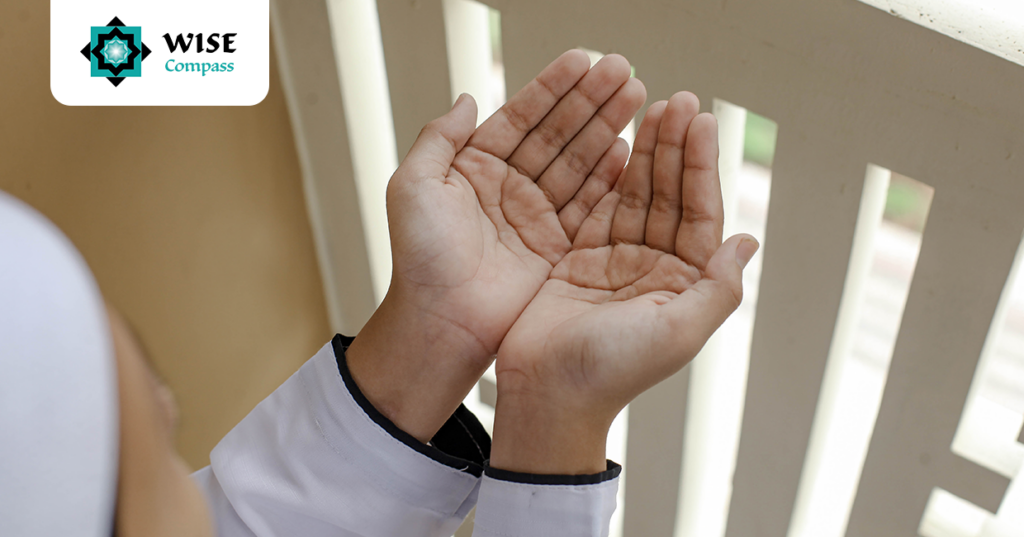
Tell them to hold their hands open wide, imagine that specific hope sitting in their palms, and then ‘lock it in’ by wiping their hands over their face after the final ‘Ameen’.
This physical action helps children understand that their personal hopes are being directly connected to the powerful Dua the family just recited together.
Embracing the night of Nisf Shaban is a transformative opportunity for every household.
By reciting this profound Dua together, you are doing more than following a tradition. You are opening the doors to Divine Mercy, inviting limitless blessings into your home, and teaching your children that hope is never lost when we turn to our Creator.
As the 15th of Shaban approaches, prepare your hearts and homes for a night of spiritual rejuvenation. Whether you seek a breakthrough in your provision, protection for your loved ones, or a fresh start with Allah Almighty, this beautiful supplication is your key. Let this night be the beginning of your best year yet, filled with light, guided by faith, and overflowing with the grace of the Most Merciful!