



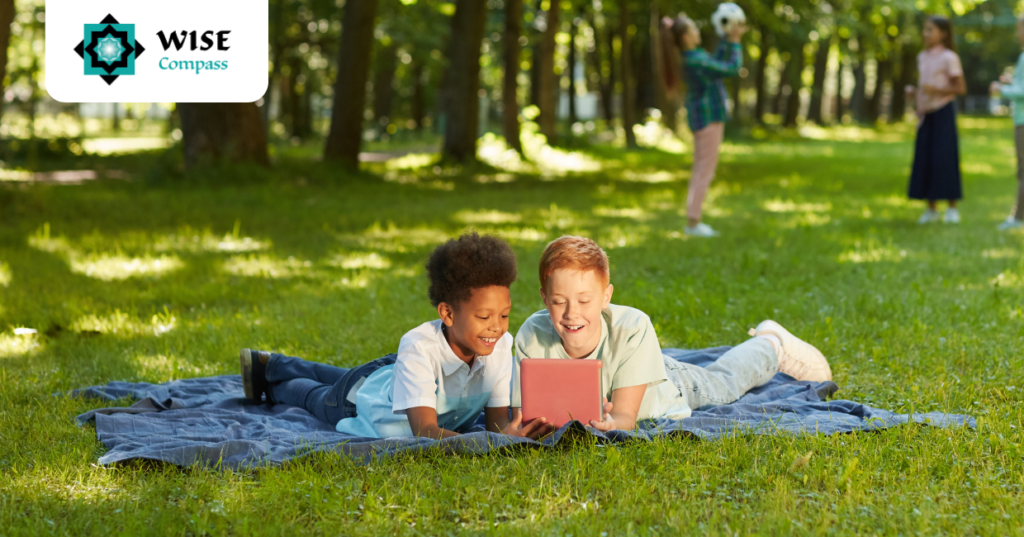
Islam has an environmental theology that predates the modern conservation movement by fourteen centuries. The Quran describes human beings as Allah’s khalifah, stewards and guardians of the earth, with a specific responsibility to maintain the mizan (balance) that Allah Almighty placed in creation.
The Prophet Muhammad ﷺ said that planting a tree is an act of sadaqah jariyah, ongoing charity, even if a bird, an animal, or a person you never meet benefits from it. He prohibited the wasteful use of water even in Wudu, beside a flowing river. These are not peripheral teachings. They are woven into the fabric of what it means to be a Muslim.
Yet for most children growing up today, Islam and environmentalism feel like separate conversations: one spiritual, one political; one about faith, one about recycling. Islamic stories about nature and the environment for children are one of the most effective tools for closing that gap, showing children that caring for the natural world is not an optional extra in their faith but an expression of it.
The Wise Compass library includes some of the most beautifully crafted nature-themed Islamic stories for children available today, stories that make the concept of khalifah tangible, that turn awe at creation into a sense of responsibility, and that give children the Islamic language to understand why the world around them matters so deeply.
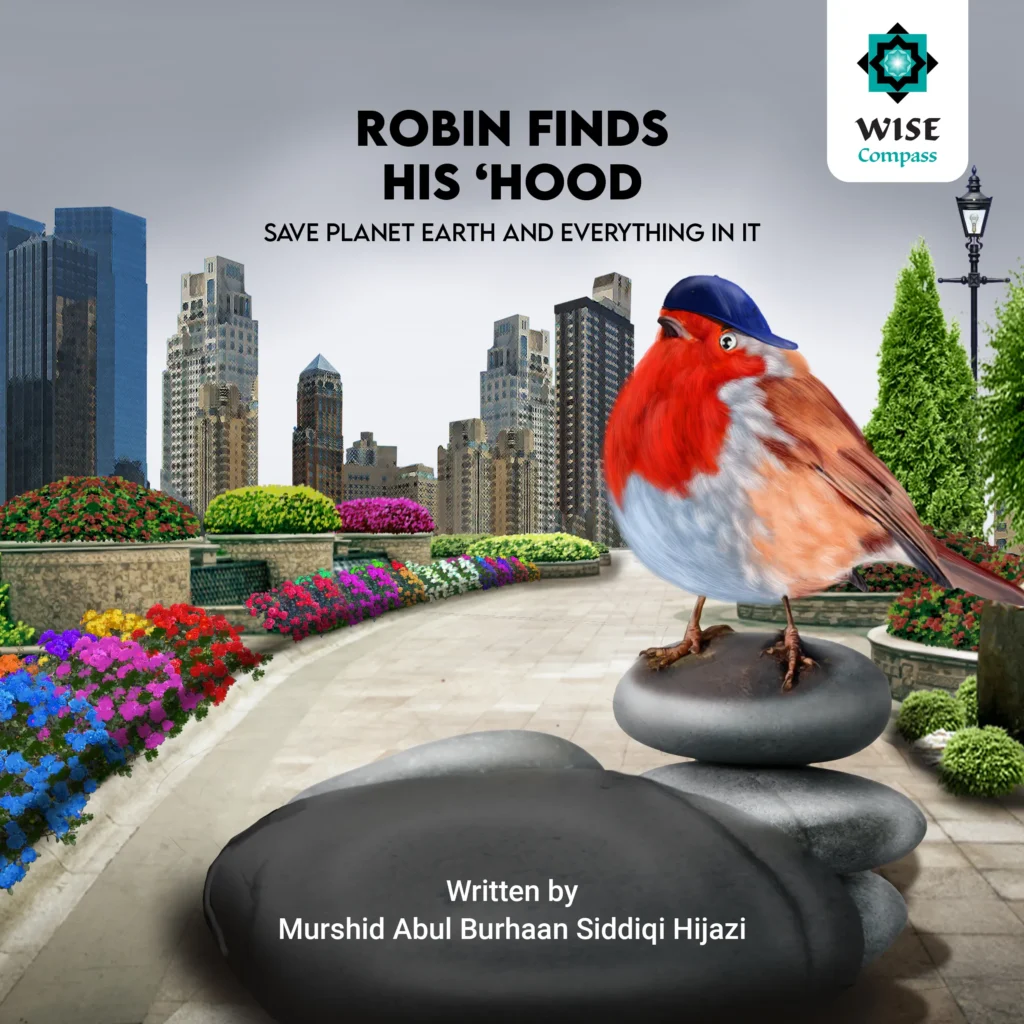
Robin loves the city. The energy, the movement, and the constant noise of urban life all feel exciting and alive to him. But as the smog builds and the concrete slowly replaces the trees and open spaces, something changes; his lungs begin to struggle, his voice weakens, and the vibrant life that once defined him starts to dim. Desperate, he makes a leap of faith back toward the forest he once left behind.
What Robin finds there, clean air, birdsong, and the extraordinary efficiency of trees converting carbon dioxide into oxygen through photosynthesis, is both a scientific revelation and a spiritual one. This Islamic story about the environment and clean air for children is one of the most direct in the library about the consequences of environmental harm, showing children in vivid, felt terms what happens when the balance Allah Almighty placed in the natural world is disrupted through human carelessness.
It also carries one of the most relevant Hadith for Islamic environmentalism: the Prophet Muhammad ﷺ described planting a tree as sadaqah jariyah , charity that continues to benefit others long after the act. Robin’s return to the forest is exactly the point: not a recognition that the natural world is not ours to use until it is gone, but a trust from Allah Almighty that we are responsible for preserving it.
Islamic concepts: Khalifah (stewardship of the earth); sadaqah jariyah (the Hadith about planting trees as ongoing charity); and fasad (the Quran’s prohibition on causing harm and corruption on earth).
Environmental concept: The oxygen cycle, photosynthesis, air quality, the consequences of deforestation and pollution.
Lesson: The natural world is Allah Almighty’s gift and our amanah (trust) , caring for it is an act of worship.
Themes: Pollution, clean air, environmental responsibility, trees and the oxygen cycle, returning to nature.
Age: 7+ years
Read the story: Robin Finds His Hood
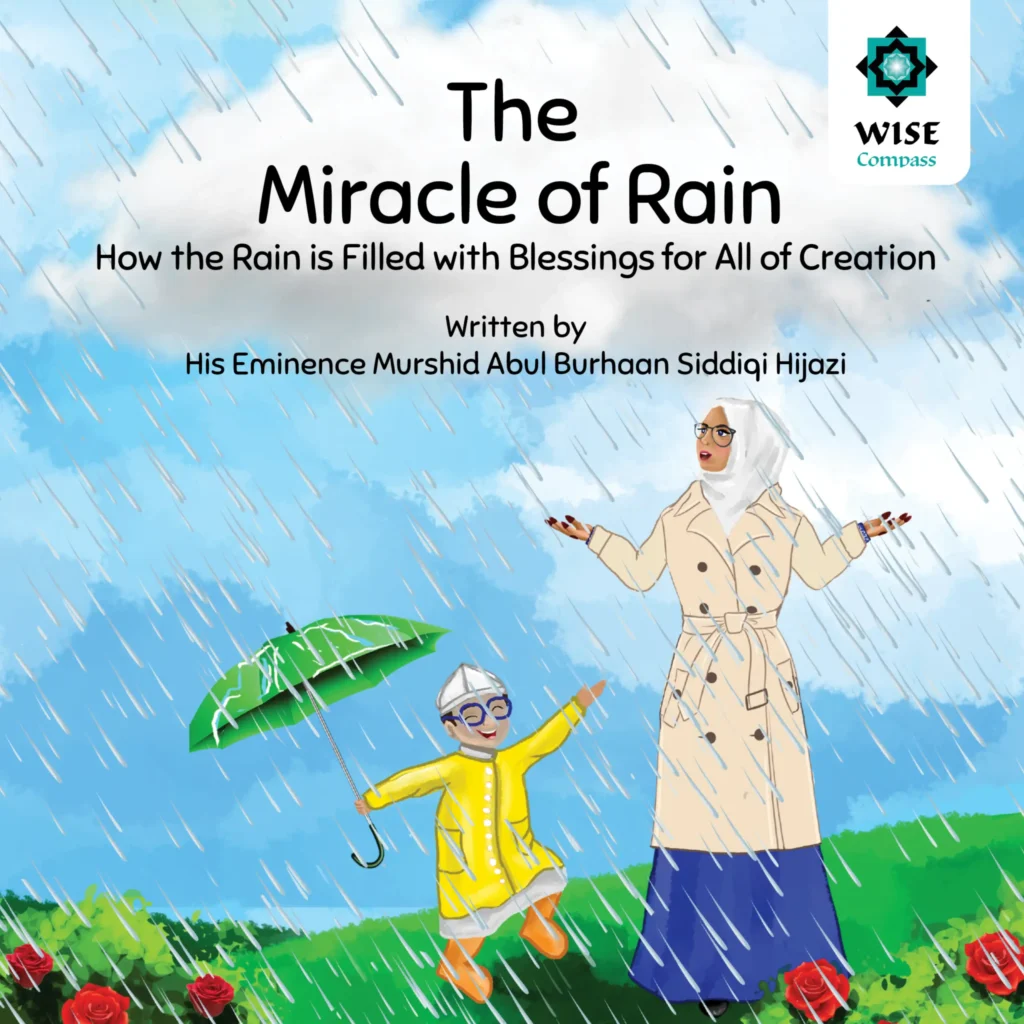
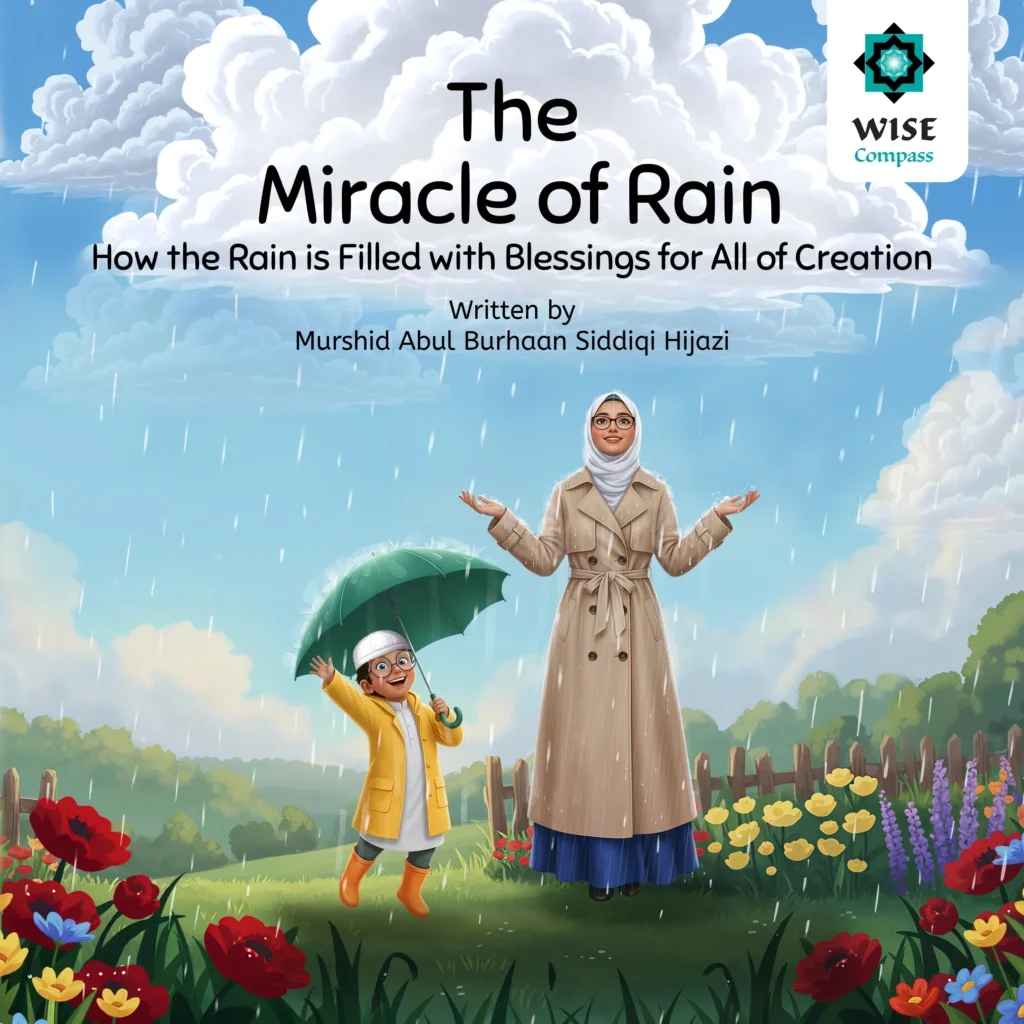
Hassan wants to play outside. It is raining. He is annoyed in the specific, complete way that only children can be annoyed, the whole world reduced to the single injustice of unwanted weather. But his mother begins to explain the water cycle: evaporation from the oceans and rivers, the formation of clouds, condensation, precipitation, and the way water travels endlessly through the atmosphere, sustaining every living thing on the planet from the highest mountain to the deepest root.
And as Hassan listens, something shifts. The rain outside is no longer an inconvenience; it is a system of extraordinary precision that Allah Almighty designed and sustains without human involvement or permission, delivering exactly what the earth needs when it needs it.
This transformation, from complaint to gratitude, from annoyance to awe, is the emotional journey at the heart of this Islamic nature story about water for young children, and it is one of the most teachable moments in the entire library for parents wanting to cultivate shukr in their children for everyday natural blessings.
The Quran mentions rain as a sign of Allah’s rahma (mercy) more than fifty times. This story makes each of those mentions come alive in the most ordinary, relatable way possible: a disappointed child and a patient mother on a rainy afternoon.
Islamic concept: Shukr (gratitude for natural blessings) and Al-Razzaq (Allah as the Provider who sustains all life through His designed systems, seeing rain as one of the Quran’s most repeated signs of divine mercy).
Environmental concept: The water cycle, evaporation, condensation, precipitation, and water’s role in sustaining all life.
Lesson: Every drop of rain is an act of provision from Allah Almighty; what looks like an inconvenience from a window is a miracle from above.
Themes: The water cycle, gratitude, nature appreciation, seeing signs of Allah in everyday weather.
Age: 4–7 years (Junior Adventurers)
Read the story: The Miracle of Rain
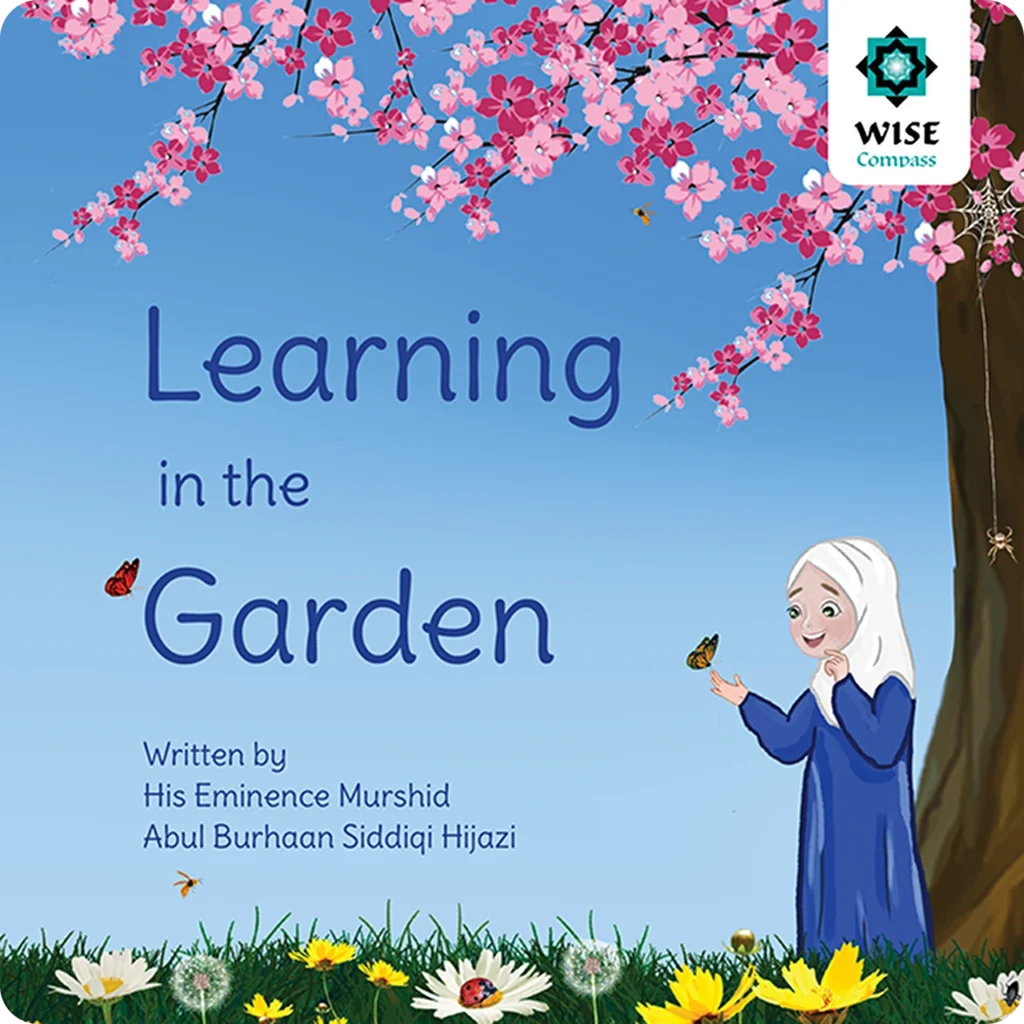
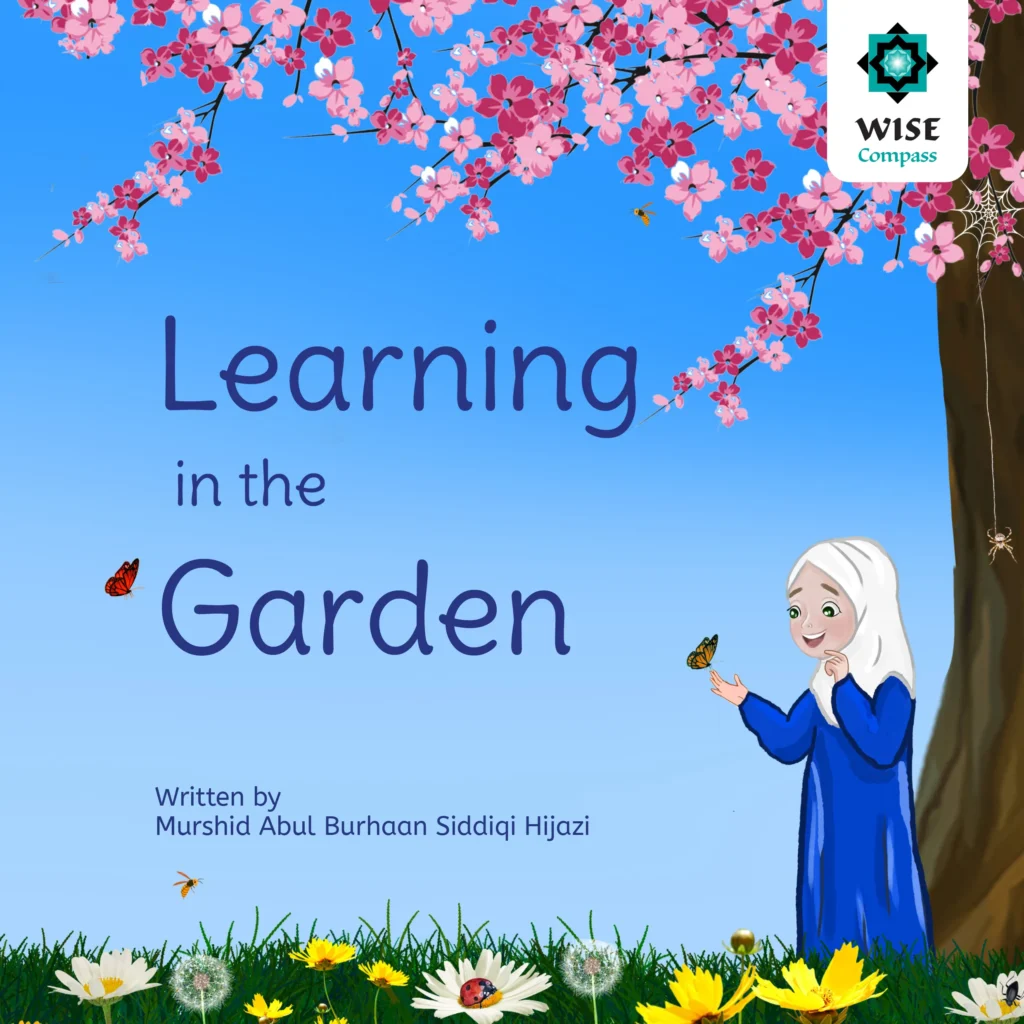
Sabah’s trip to the garden is, on the surface, completely ordinary. But as she begins to slow down and actually look at the structure of a leaf, the way sunlight filters through petals, the purposeful activity of insects in the soil, and the interconnection of every living thing with every other, the garden transforms. It becomes a classroom, a place of wonder, and ultimately a place of tafakkur: the deep, sustained reflection on creation that Islam has always identified as one of the shortest paths to genuine iman.
This Islamic story about the natural world and reflection for young children is the gentlest introduction in the library to the Islamic practice of looking at Allah’s creation as a form of worship. It does not lecture children about environmentalism; it invites them into wonder first, knowing that genuine love and care for the natural world always begins there. A child who has learned to notice the extraordinary design in a single garden is a child who will never be entirely indifferent to what happens to the natural world.
It also provides parents a practical tool: the story is short enough to read on the way to an actual garden, and the questions it raises are ones a child can immediately go and investigate. Which plants are growing? What insects are here? What would happen if the bees stopped coming?
Islamic concept: Tafakkur (reflection on creation as worship) and the Quran’s repeated invitation to look at the earth and plants as signs of Allah’s power, such as in Surah Ya-Sin (36:33) and many others.
Environmental concept: Botany, plant biology, pollination, the interdependence of living things, ecosystems.
Lesson: The garden is already full of signs pointing to Allah Almighty; we just need to slow down enough to see them.
Themes: Nature observation, botany, tafakkur, finding wonder in the everyday natural world.
Age: 4–7 years (Junior Adventurers)
Read the story: Learning in the Garden
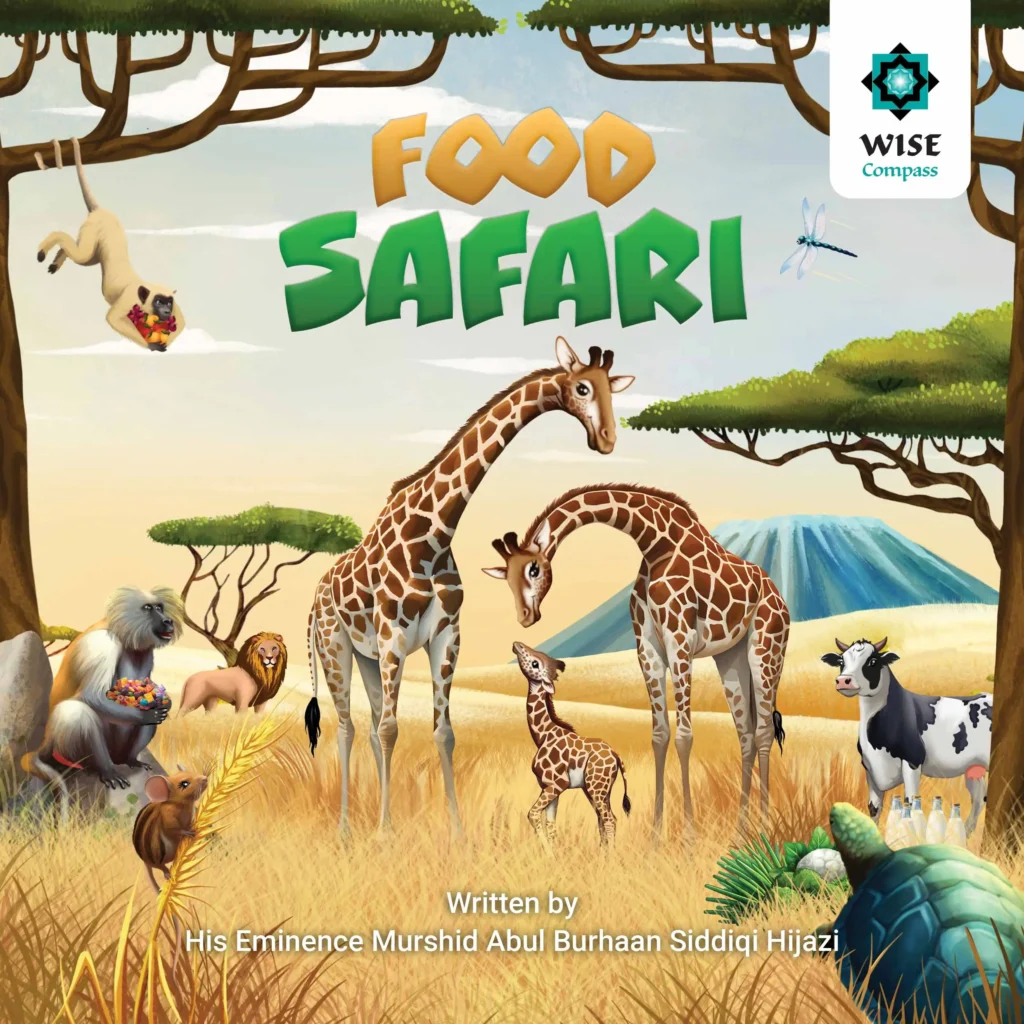
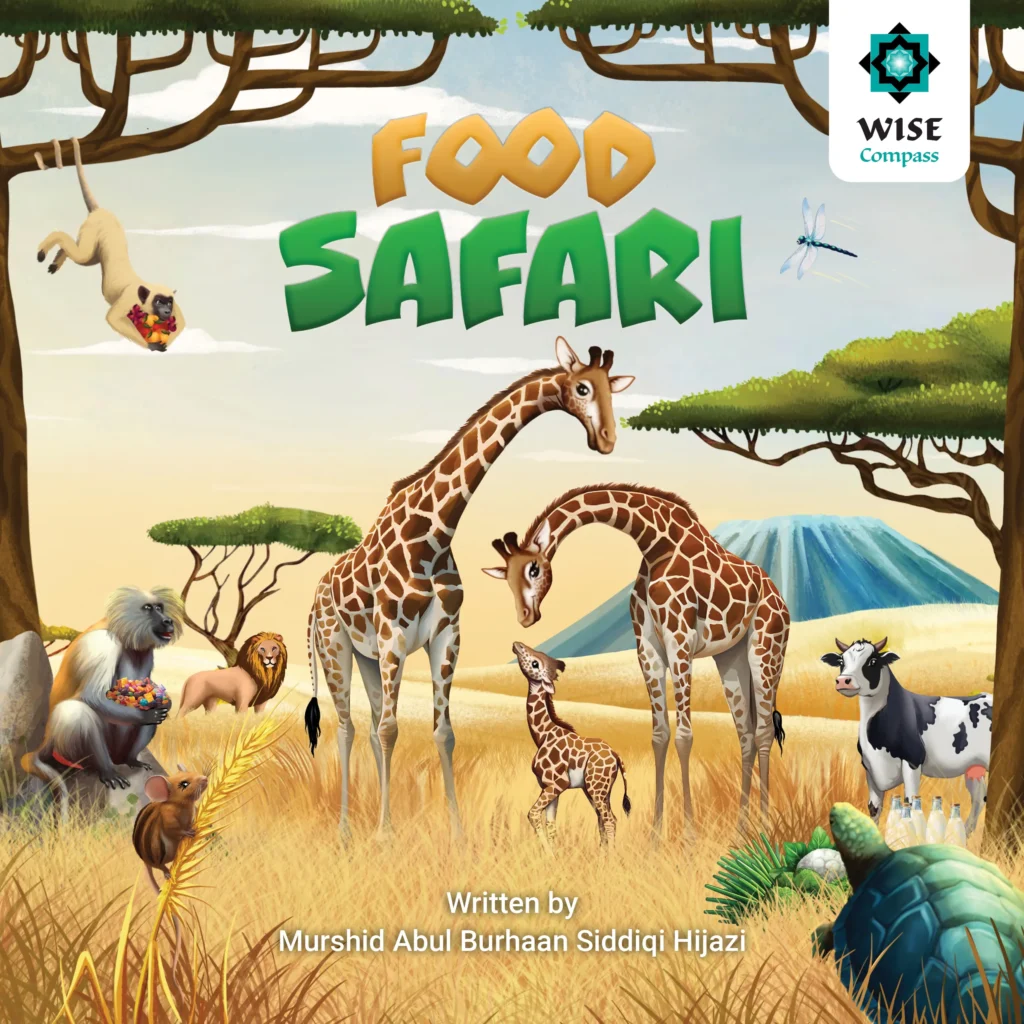
Zaafir the Giraffe wants to grow big and tall, so he sets off across the savannah to discover what he needs to eat to get there. What he finds is a journey through the extraordinary variety and precision of Allah Almighty’s provision: different plants with different nutrients for different creatures, a food chain of breathtaking complexity and balance, and the astonishing fact that every living thing on earth has been provided for in a system designed by its Creator.
This Islamic story about the food chain and gratitude for children connects environmental awareness directly to the Islamic concept of ‘rizq’, the provision that Allah Almighty has ordained for every living creature.
Children who understand where food actually comes from – from soil, from rain, from sunlight, from the labour of countless creatures in a chain that ultimately traces back to the will of Allah Almighty – are children who find it natural to be grateful for it and natural to feel responsible for the systems that produce it.
In a world where most children’s food arrives in packaging from a supermarket, this story reconnects them to the extraordinary length and complexity of the journey from seed to plate and frames that journey as one of Allah’s most visible acts of ongoing mercy toward His creation.
Islamic concept: Rizq (the provision Allah Almighty has ordained for every living thing), Al-Razzaq (the Provider), and shukr (gratitude that grows from understanding the source of blessings).
Environmental concept: the food chain, nutrition, biodiversity, the role of plants and animals in sustaining human life, and the natural system of provision.
Lesson: Food is not a product; it is a gift from Allah Almighty delivered through a system of extraordinary natural complexity that deserves our gratitude and care.
Themes: The food chain, gratitude, provision, biodiversity, the natural world as Allah’s gift.
Age: 4–7 years (Junior Adventurers)
Read the story: Food Safari
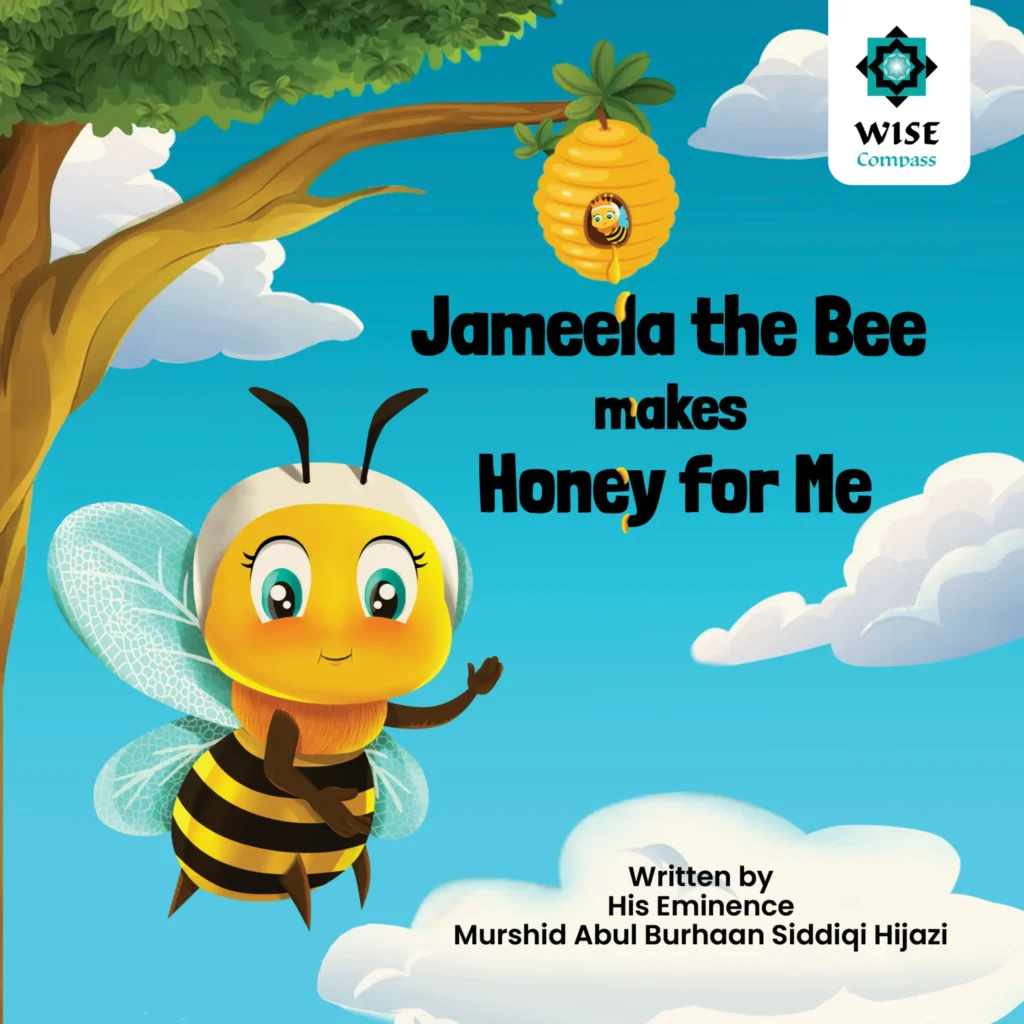
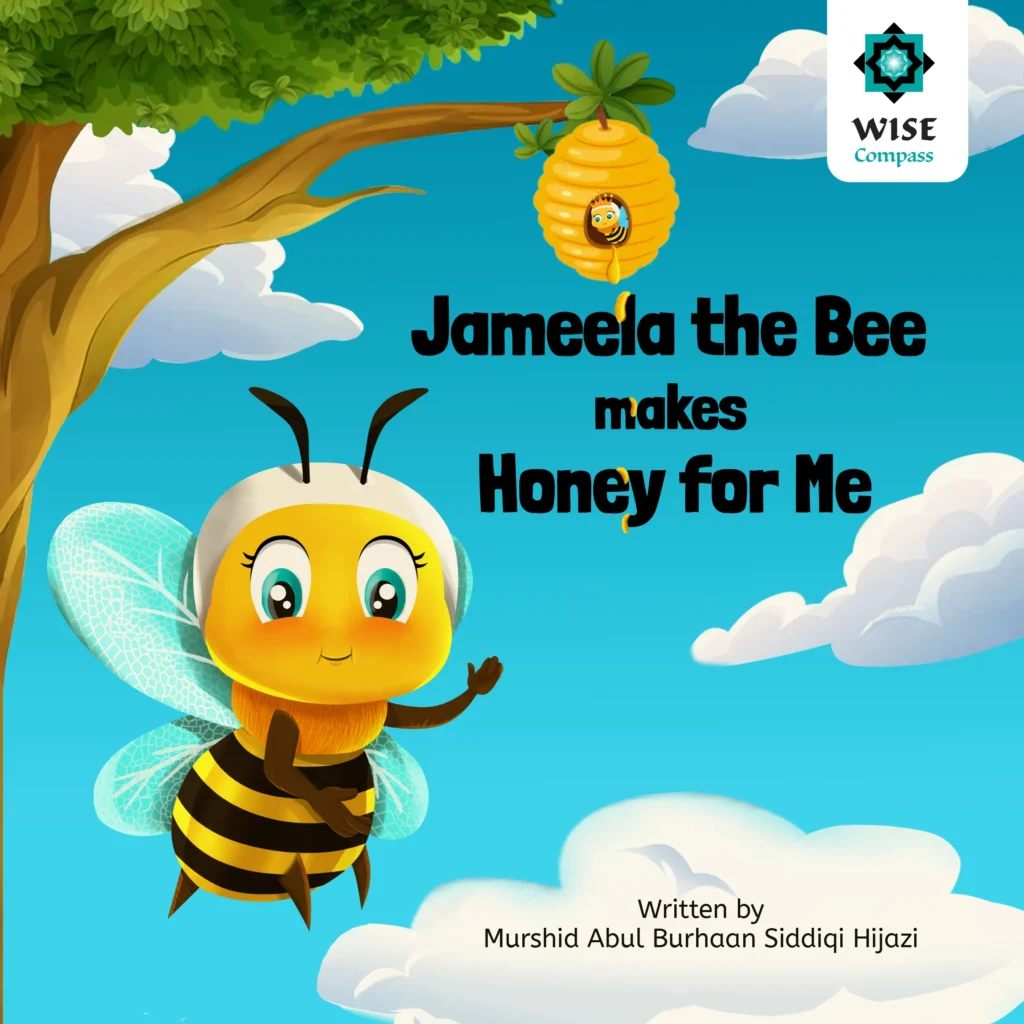
How important is a bee? Most people, and most children, would say ‘not very’. They are small; they sting; they buzz. But Jameela the Bee tells a different story, one that the Quran itself considered important enough to name an entire surah after. Surah An-Nahl (The Bee) draws attention to these remarkable insects as a sign of divine wisdom and provision, and this story brings that divine attention to life for young readers in the most accessible, joyful way possible.
Through Jameela’s busy, purposeful day, the flowers she visits, the pollen she carries, the honey she produces, and the food chain she underpins, children discover that the disappearance of bees would mean the collapse of a significant portion of the world’s food supply. A creature that most children dismiss without a second thought turns out to be one of the most essential actors in Allah Almighty’s system of provision for the entire planet.
This Islamic environmental story about bees and nature for children does something important: it gives children a specific, concrete example of why caring for even the smallest and most overlooked creatures is part of what it means to be Allah’s khalifah on earth. If a bee matters enough for the Quran to mention it, it matters enough for us to protect the flowers it needs to survive.
Islamic concept: Khalifah (stewardship of every creature, not just charismatic megafauna), Surah An-Nahl as evidence of the Quran’s specific attention to the natural world, and the Islamic prohibition on needlessly harming animals.
Environmental concept: pollination, bees and biodiversity, the collapse of ecosystems when keystone species are removed, and the honey production process.
Lesson: Every creature in Allah Almighty’s creation has a purpose; caring for even the smallest ones is part of our responsibility as His khalifah.
Themes: Bees, pollination, biodiversity, Islamic stewardship of animals, the interconnectedness of creation.
Age: 4–7 years (Junior Adventurers)
Read the story: Jameela the Bee
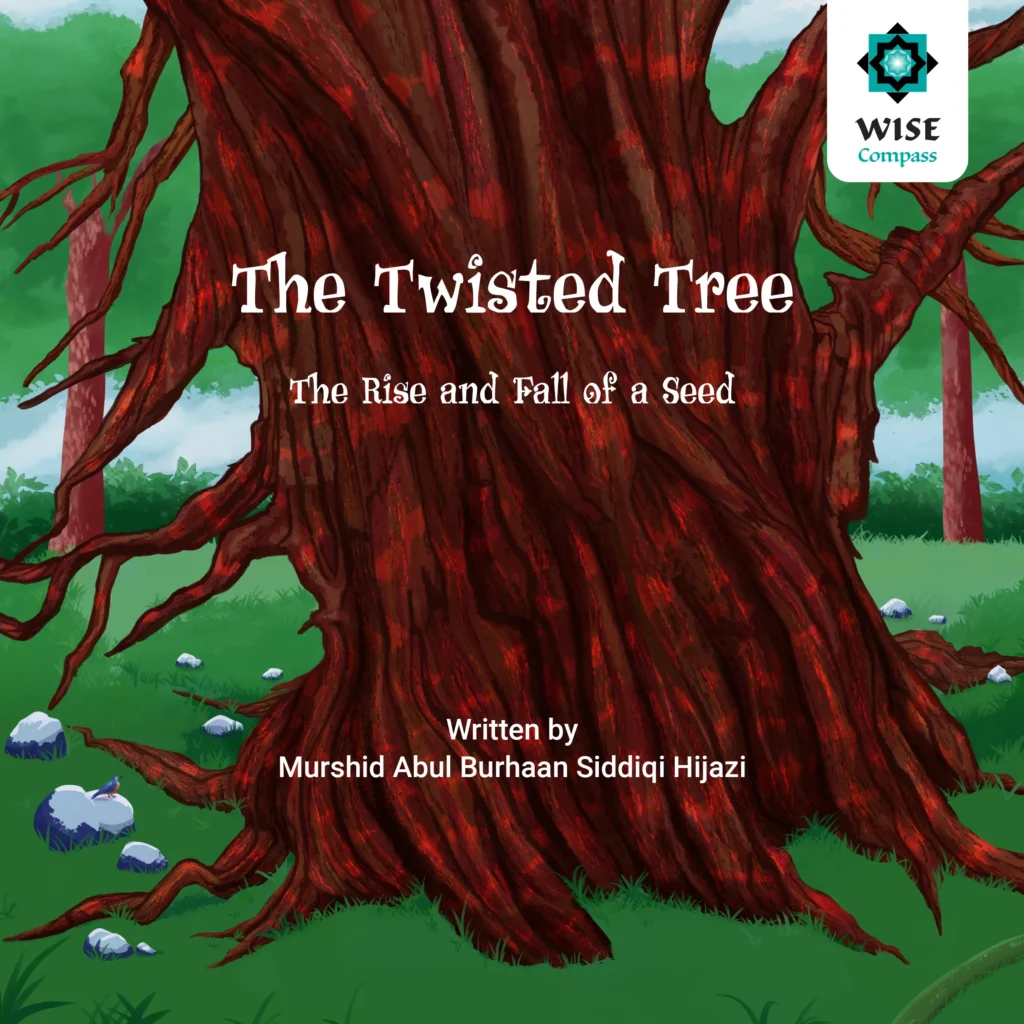
A seed grows into one of the oldest and mightiest trees in the world. It has witnessed civilisations rise and fall, weathered storms that flatten buildings, and outlasted every creature that has been sheltered under its branches.
And yet, it forgets. It forgets the soil that fed it, the rain that sustained it, and the Creator who designed every ring within its trunk. Its pride grows, but so does its disconnection from the truth: it is a creation, not a creator. And creation, as nature always eventually demonstrates, has limits.
While this story is most powerfully read as a character story about kibr (arrogance), it carries an equally important environmental dimension that is rarely discussed. The tree’s story is a story about natural impermanence, the law that Allah Almighty built into every living system, that nothing in creation is permanent, and that balance is maintained not through dominance but through cycles of growth and return.
For children beginning to think about the natural world and humanity’s place within it, this Islamic story about nature and impermanence teaches one of the most important ecological principles from a distinctly Islamic angle: we are part of creation, not above it, and the laws that govern creation apply to us too.
Islamic concept: Mizan (the balance Allah placed in all of creation) and the Islamic understanding that everything in existence is in a state of tasbeeh (glorifying Allah), including trees, weather, and the natural world.
Environmental concept: Natural cycles, impermanence, the law of balance in ecosystems, the relationship between hubris and ecological harm.
Lesson: The natural world operates by laws of balance that Allah Almighty designed. A creature that forgets its place within those laws, whether a tree or a person, eventually learns it.
Themes: Natural cycles, impermanence, the balance in creation, humility before the natural world.
Age: 7+ years
Read the story: The Twisted Tree
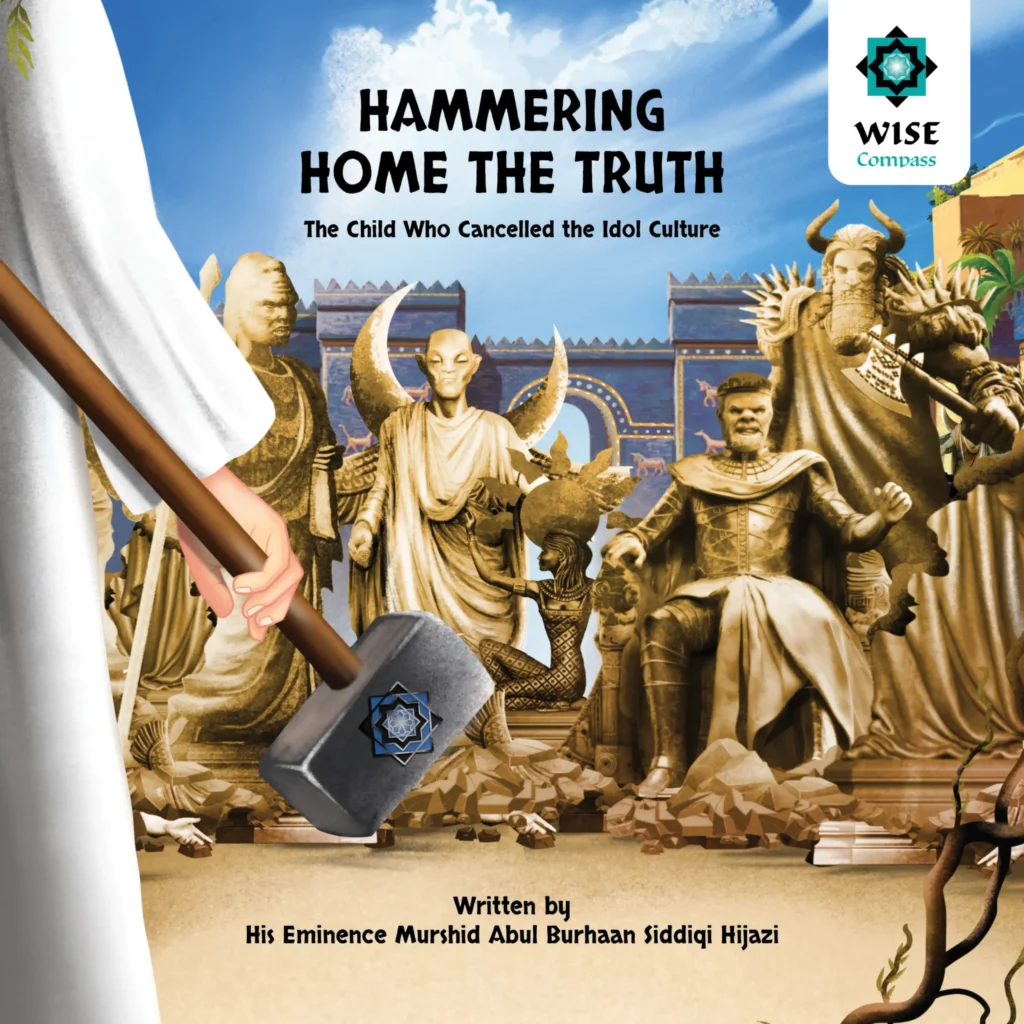
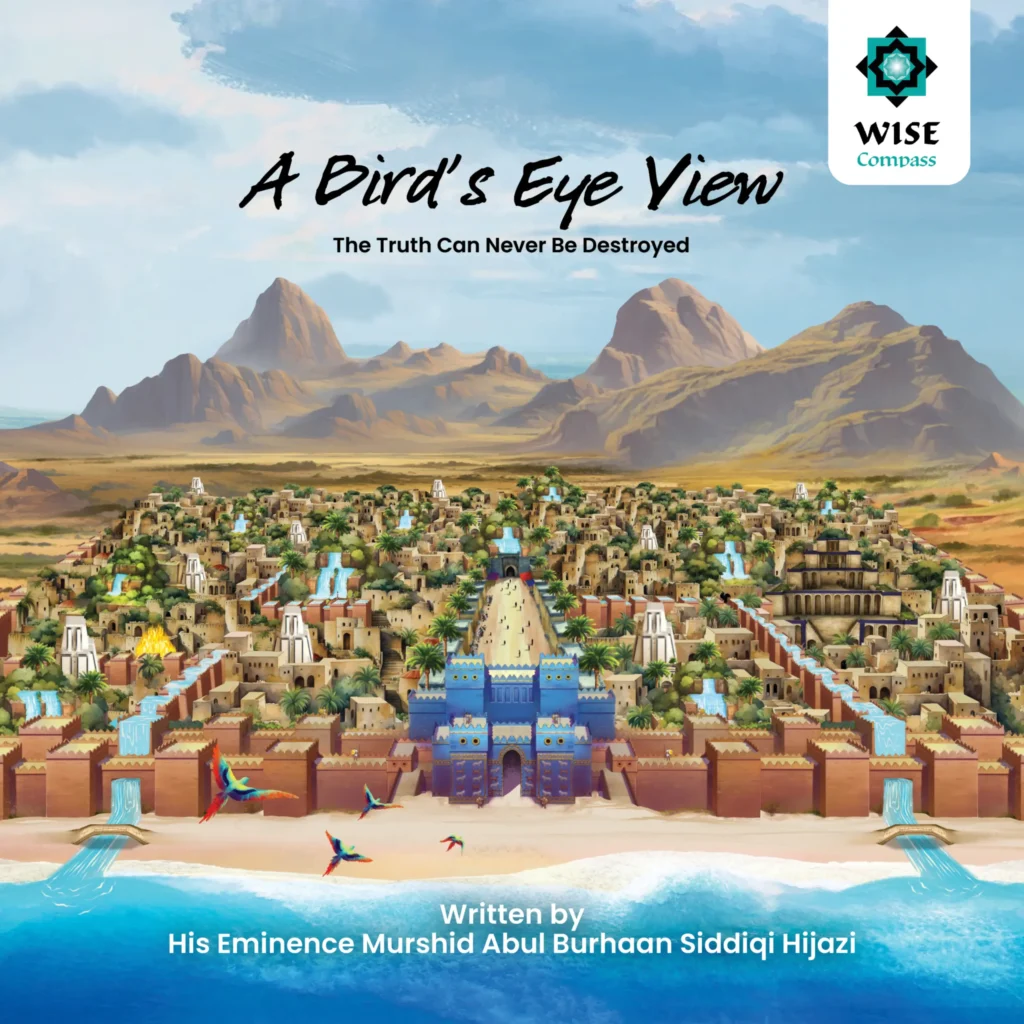
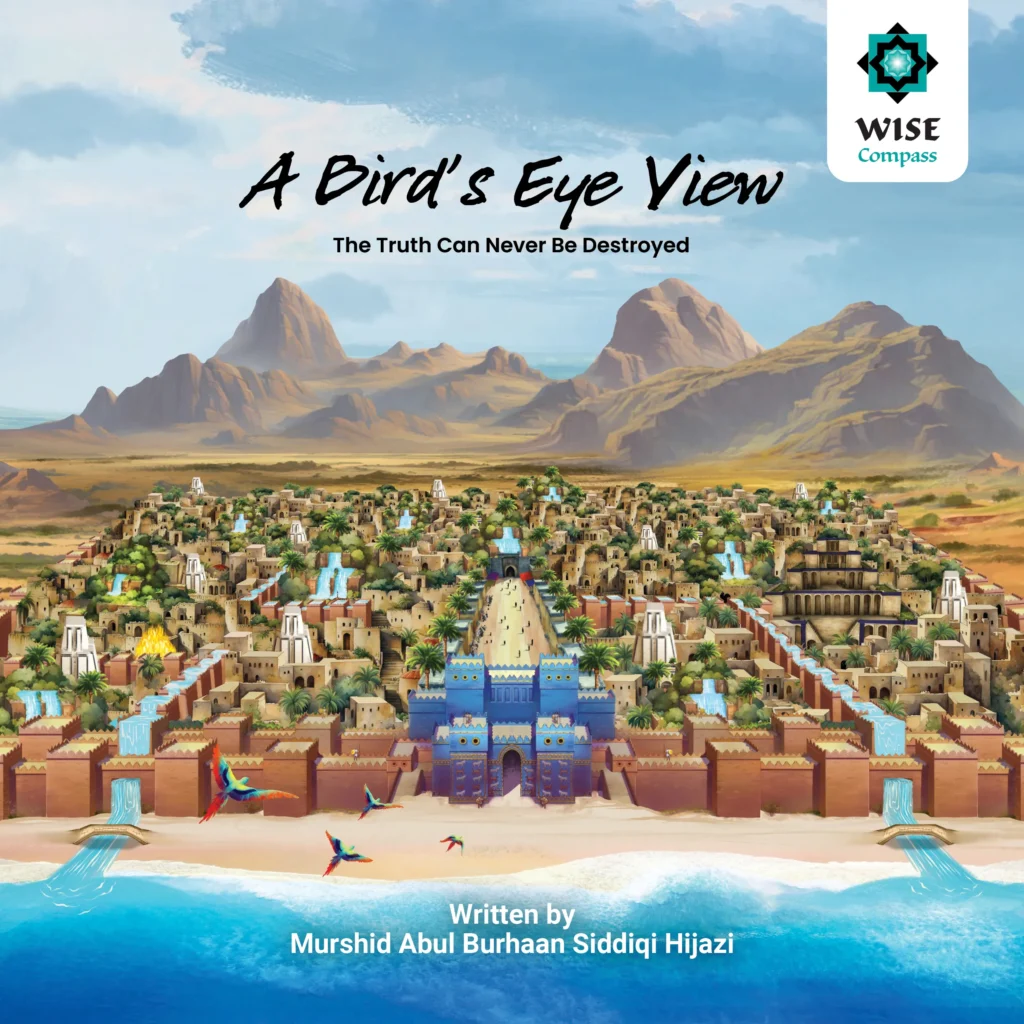
Prophet Ibrahim (AS) is thrown into a raging fire for refusing to abandon his belief in Allah Almighty. As the flames rise, a tiny babbler bird, watching from high in the sky, fills her beak with a few drops of water and flies toward the inferno. She cannot put the fire out. She knows she cannot. But she tries anyway, because doing nothing when something needs doing is not an option her nature allows.
This story is most commonly read as a story about courage and the value of small, sincere acts, and it is both of those things powerfully. But it also carries a distinct environmental message that makes it a natural fit for this collection. The bird’s act is an act of natural justice: a creature responding to wrongdoing in her environment with whatever means she has available.
She does not wait for permission. She does not calculate whether her contribution will be sufficient. She acts because the natural world that Allah Almighty created responds to injustice with whatever it has, however small that might be.
For children growing up with an awareness of environmental challenges that feel too large to address, this Islamic story about small actions and natural justice for children carries a message of profound practical importance: do what you can with what you have where you are. Your few drops of water matter. Allah Almighty sees every sincere effort.
Islamic concept: The Islamic encouragement of every sincere act of good regardless of its apparent scale, niyyah (the intention behind action), and the natural world as a participant in tasbih and justice.
Environmental concept: The principle that every individual contribution to environmental care matters; action vs. inaction in the face of harm.
Lesson: You do not need to be able to solve the whole problem to be part of the solution; a small act done sincerely for Allah Almighty is never wasted.
Themes: Environmental action, small acts of care, justice, courage, doing what you can.
Age: 7+ years
Read the story: A Bird’s Eye View
There is no shortage of environmental content for children. Books, documentaries, school curricula – the message that the earth needs protecting is everywhere. But for Muslim children, there is something missing from most of this content: a reason rooted in their faith, not just in science or politics.
Islam provides that reason with extraordinary depth. The concept of ‘khalifah’ places every Muslim, child and adult, in a direct, personal relationship of stewardship with the natural world. They treat the natural world not as its owner or ruler, but as its guardian, accountable to Allah Almighty for their actions.
The Quran’s ‘mizan’, the balance placed in creation, frames environmental harm not just as wasteful but as a transgression against a divine order. The Hadith about trees as sadaqah jariyah frames environmental action not as activism but as worship.
When Muslim children understand the natural world through this framework, their relationship with it changes completely. They are not just environmentalists; they are khalifah, fulfilling a responsibility that Allah Almighty placed on every human being before a single environmental movement existed.
Islamic stories about nature for children are one of the most powerful ways to plant that understanding early, when it can grow into a lifelong relationship with the natural world rooted in faith rather than fashion.
Parent tip: After reading any of these stories, take your child outside, to a garden, a park, or anywhere there is something alive and growing, and ask them, “What sign of Allah Almighty can you find right here?” “Who do you think is responsible for looking after this?” and “What is one thing we can do this week to be better khalifah?” Three questions, ten minutes, and the beginning of a lifelong Islamic relationship with the natural world.
Explore the full Wise Compass library
Also read: Islamic Science Stories for Kids
Also read: Islamic Moral Stories for Kids