



One of the greatest challenges facing Muslim parents today is raising children who remain grounded in a world that constantly celebrates ego. Social media, influencer culture, and the relentless pressure to be “the best” all quietly teach children that pride is something to cultivate rather than guard against. Yet Islam has always understood the opposite to be true.
Kibr, arrogance and pride, are described in the Quran and Sunnah as one of the most dangerous qualities a person can carry. The Prophet Muhammad ﷺ said that no one who has even a mustard seed’s worth of arrogance in their heart will enter Jannah. And tawadu, humility, is described not as weakness but as one of the highest qualities a believer can possess, the hallmark of every prophet, every scholar, and every person whose character was truly shaped by faith.
Islamic stories about humility for kids are one of the most effective ways to bring these values to life for young readers, not as abstract rules but as vivid, felt experiences through the characters they meet on the page. The Wise Compass library includes some of the most powerful stories on this theme available for Muslim children today.
Here are 8 of the best, each one showing in a different way what kibr costs and what tawadu gives.
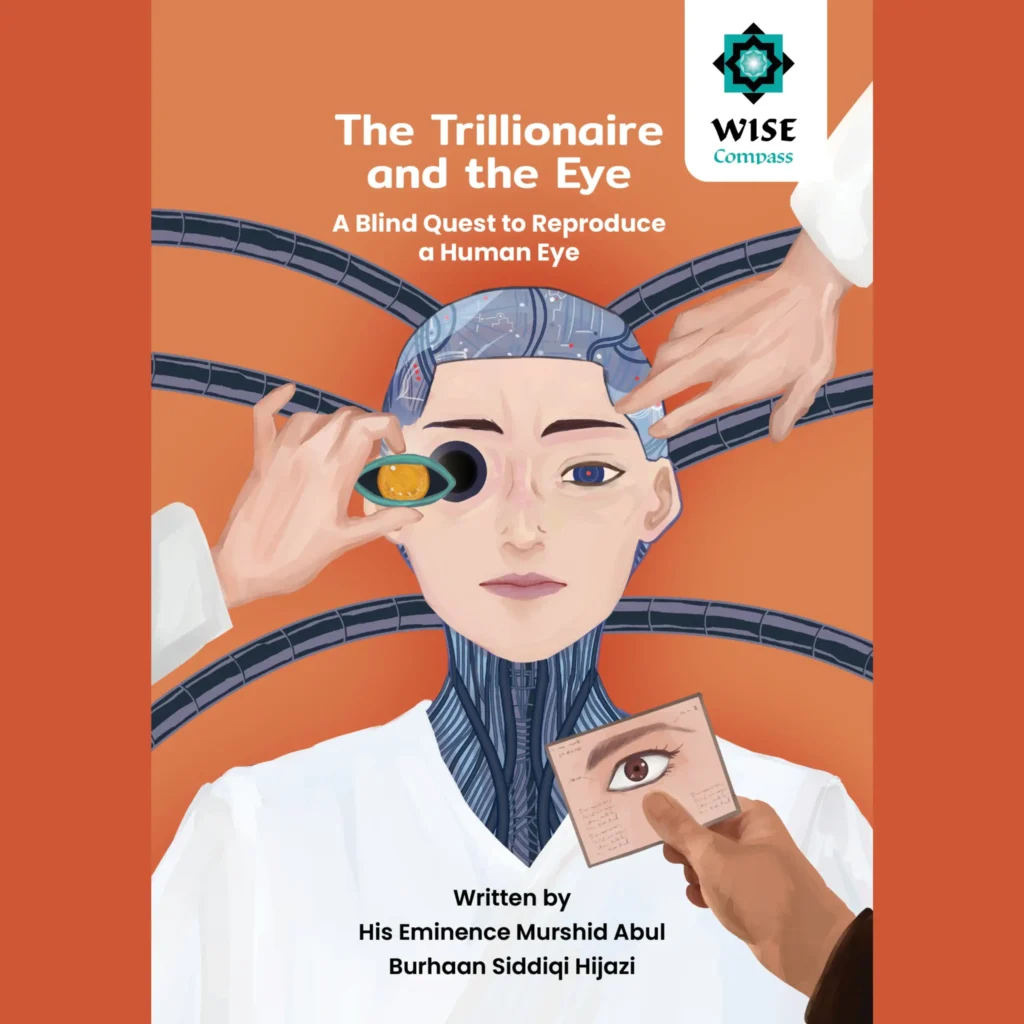
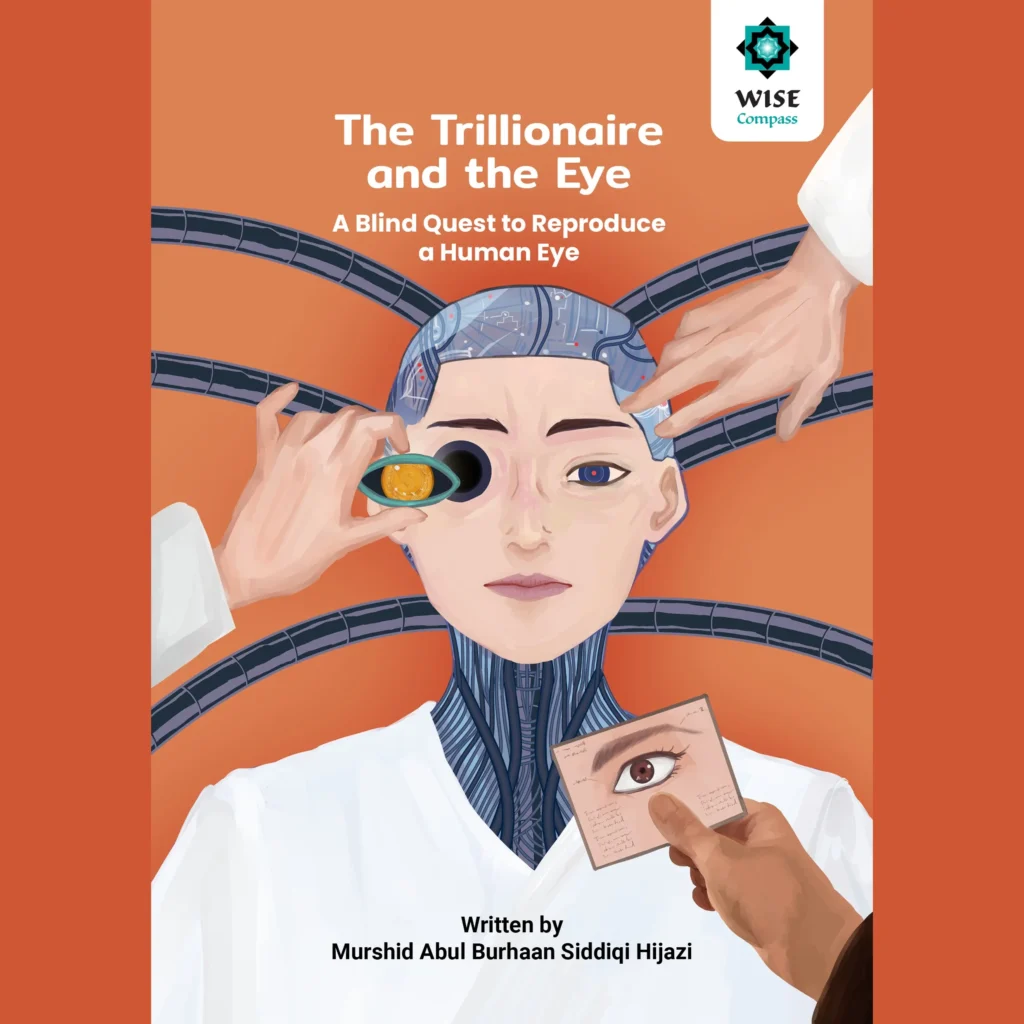
A man with more money than anyone in history believes that wealth is the ultimate power and that with enough resources, anything is achievable. He sets himself one final challenge to prove it: recreate the human eye from scratch. He assembles the world’s best scientists, the most advanced technology, and virtually unlimited funding. And he fails. Completely. Repeatedly. Humiliatingly.
What this story does extraordinarily well is show children that there is a specific kind of pride that comes with wealth and achievement, the belief that human intelligence and human effort have no ceiling. It takes the extraordinary complexity of the human eye, the photoreceptors, the lens, the optic nerve, and the way a single organ processes millions of pieces of visual information every second and uses it as a mirror held up to that pride. The reflection is unmistakable: the eye world was designed by Someone whose intelligence is of a completely different order to ours.
For children who are beginning to be impressed by human achievement, technology, science, wealth, and fame, this Islamic story about humility before Allah’s creation is a perfectly timed reminder that the greatest achievements of humanity cannot recreate even one small part of what Allah Almighty fashioned from nothing.
Islamic concepts: Kibr (pride in wealth and human achievement), tafakkur (reflection on creation as a cure for arrogance), and recognising that all power belongs to Allah alone.
Lesson: No amount of wealth or human ingenuity can touch what Allah Almighty alone can create; true humility begins with recognising it.
Themes: Humility, the limits of human power, reflection on creation, wealth and arrogance.
Age: 9+ years
Read the story: The Trillionaire and the Eye
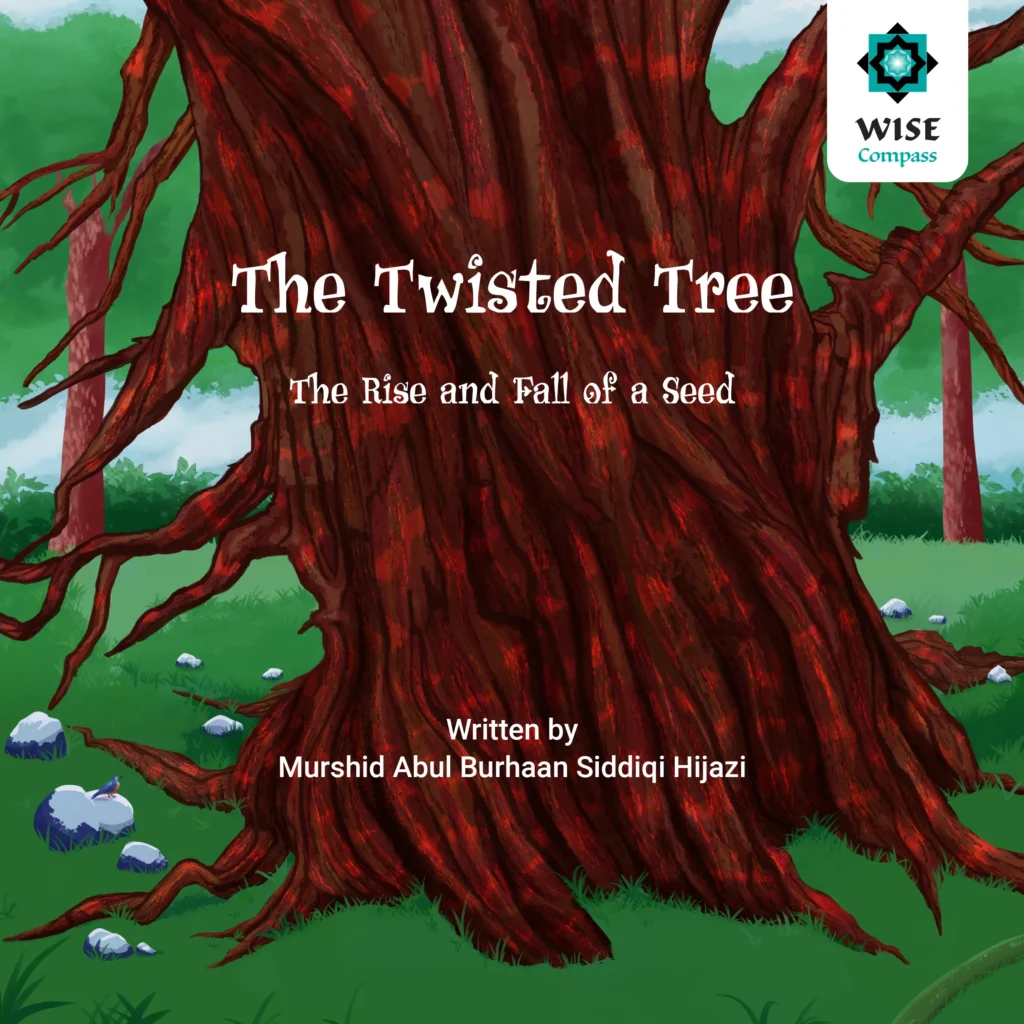
From a small, fragile seed in the earth to a vast, ancient tree that has witnessed the rise and fall of entire civilisations, this tree’s journey is one of the most vivid portraits of kibr in the entire Wise Compass library. With each century, its strength and size grow. And with each century, so does its arrogance. It forgets the soil that fed it as a seedling. It forgets the rain that sustained it through droughts. It begins to believe that its greatness is its own until nature, with quiet inevitability, proves otherwise.
This Islamic story about arrogance for children works because it uses a non-human character to show a very human failing. Children can watch the tree’s pride develop without feeling personally accused, and then, in the quiet moment of recognition when the tree’s downfall comes, many will see themselves in it. The story speaks directly to the child who is talented, who is praised, and who begins to feel superior, and does so with gentleness and clarity rather than shame.
The story also carries one of Islam’s most important reminders about origin: that shukr (gratitude) requires remembering where you came from, and that the moment a person forgets and gets their humble beginning, kibr begins to grow in the space that gratitude left behind.
Islamic concepts: Kibr (arrogance), shukr (gratitude), tawadu (humility), remembering that all gifts are from Allah, not from the self.
Lesson: Everything you have, your strength, your gifts, your very existence, comes from Allah Almighty. The tree that forgets its roots cannot stand forever.
Themes: pride, impermanence, gratitude, self-awareness, and the danger of forgetting your origins.
Age: 7+ years
Read the story: The Twisted Tree
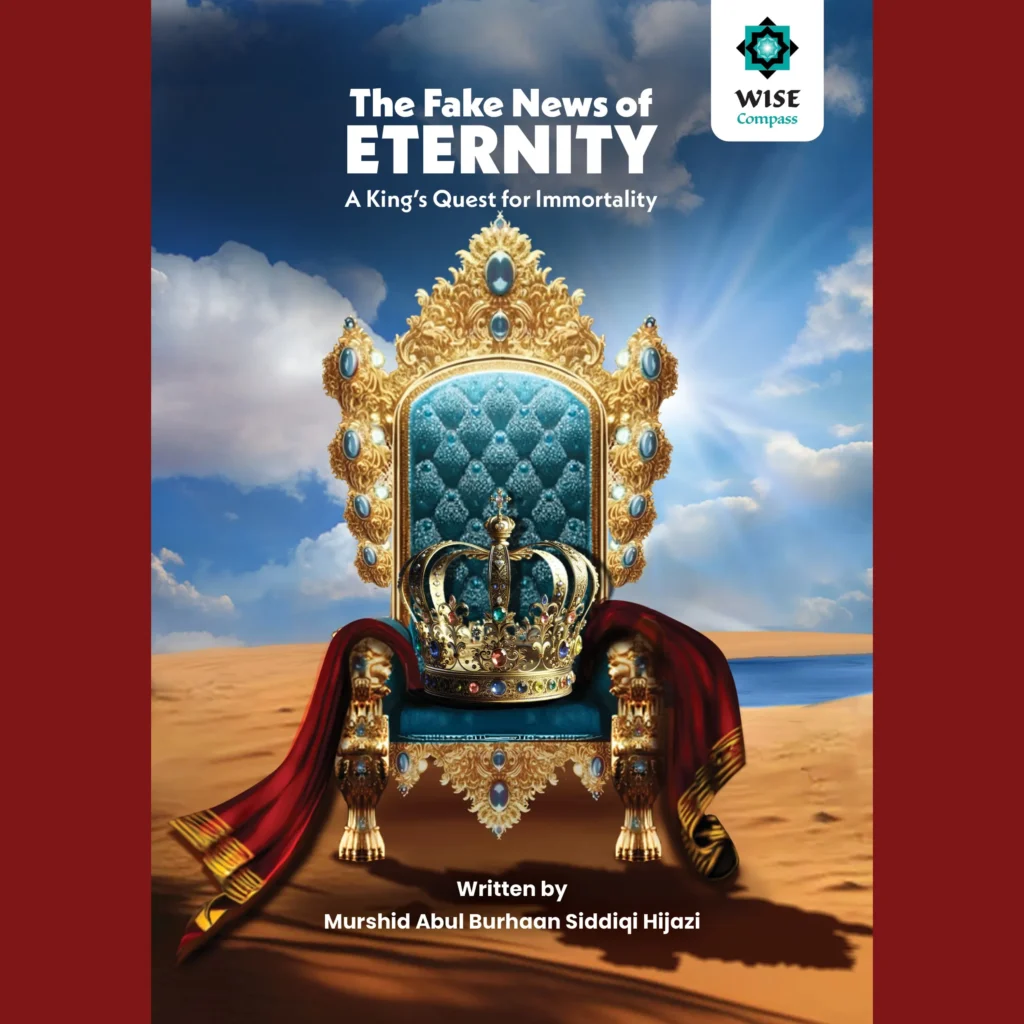
A young king is told he is self-aware. He believes it because everything in his life up to that point has confirmed his sense of exceptionalism. He is wealthy, powerful, surrounded by people who tell him what he wants to hear, and convinced that the normal rules of existence do not apply to him.
His pursuit of immortality is not just foolish; it is the natural endpoint of unchecked pride, the ultimate expression of the belief that you are above what Allah Almighty has decreed for every human being.
This Islamic story about the pride of kings and the wisdom of accepting qadr is compelling for children precisely because it shows pride not as a single dramatic act but as a slow accumulation of small choices, each one pulling the king further from reality and closer to his inevitable reckoning.
It also makes an important modern point: the king’s arrogance is fed by misinformation, by an advisor who tells him what he wants to believe rather than what is true. In an age where children are bombarded with false promises and inflated self-images from every screen, this story’s warning is unusually timely.
Islamic concepts: Qadr (Allah’s divine decree over life and death), kibr (arrogance), and the Islamic warning against following those who tell you what you want to hear rather than what is true.
Lesson: No one is exempt from Allah Almighty’s decree; the pride that makes you think otherwise is the most dangerous kind.
Themes: arrogance, mortality, accepting Allah’s plan, critical thinking, and the dangers of pride and misinformation.
Age: 9+ years
Read the story: The Fake News of Eternity
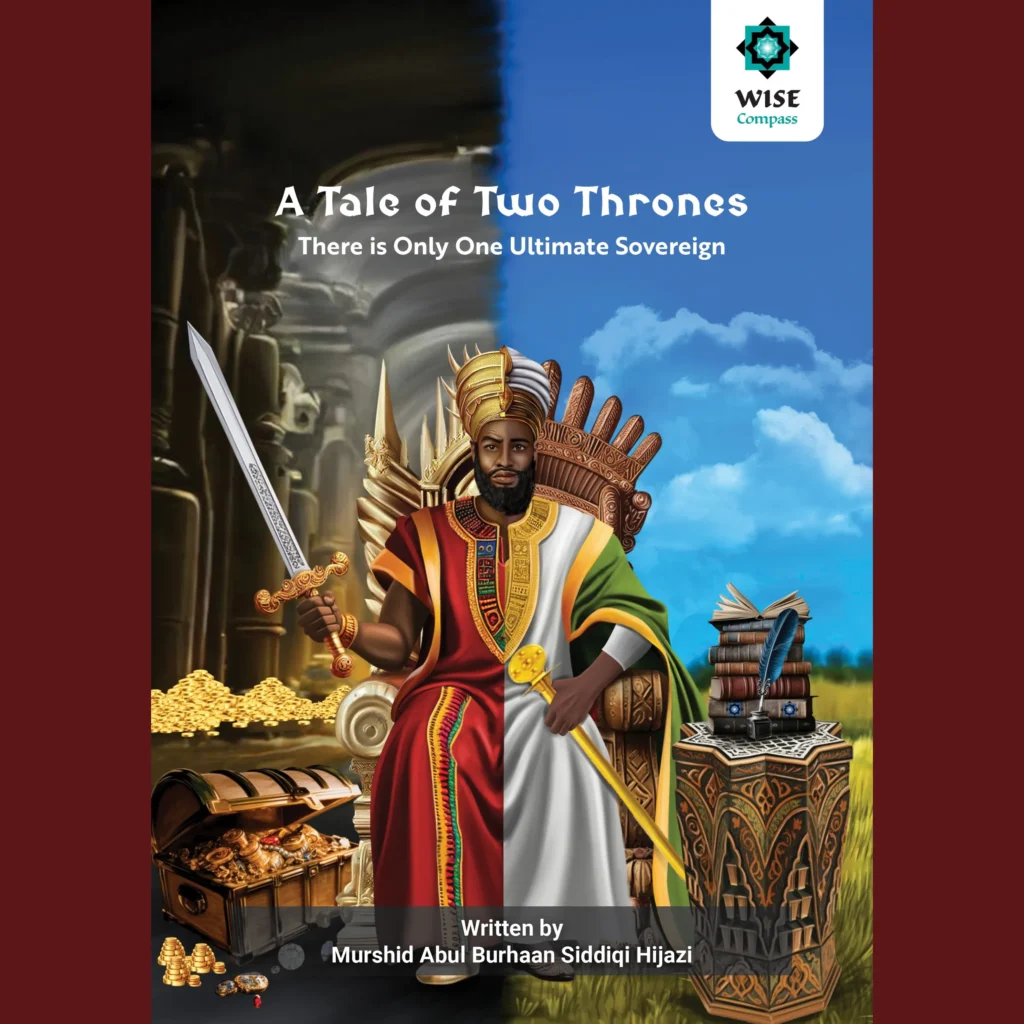
Twin princes. Equal beginnings. Identical opportunities. But two entirely different characters and two completely different lives. One prince grows up understanding that his power is a trust from Allah Almighty to be spent in service of others. The other grows up believing that power is for personal glory.
The contrast between them is not dramatic at first; it rarely is with pride, but over time, the distance between a heart that leads with humility and one that leads with ego becomes a chasm that defines everything.
This Islamic story about pride in leadership for children is particularly valuable because it speaks to something children encounter from a very young age: the dynamics of power, popularity, and how people treat those below them. The story does not say that being confident or capable is wrong , it says that what matters is what you do with those gifts and whether your first instinct is to serve others or to be served.
For children who are natural leaders, academically gifted, or popular among their peers, this story is a timely and loving challenge: greatness in Islam is measured not by what you achieve for yourself but by what you give to others.
Islamic concept: Tawadu (humility in leadership) and adl (justice), the Islamic understanding that power is an amanah (trust) from Allah, not a personal achievement.
Lesson: A humble heart serves; a proud heart takes. The legacy of any leader is written entirely in how they treated others.
Themes: leadership, humility vs pride, legacy, gratitude, the responsibility of power.
Age: 9+ years
Read the story: A Tale of Two Thrones
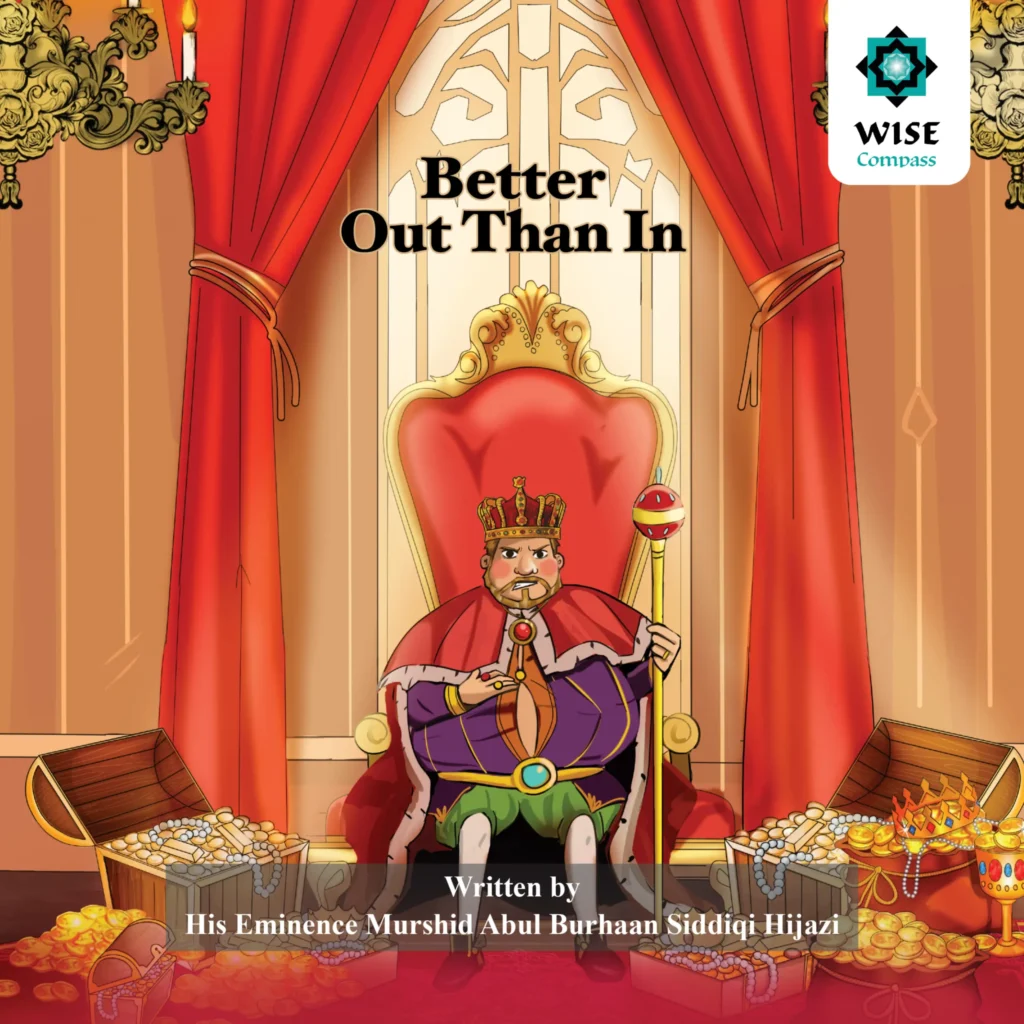
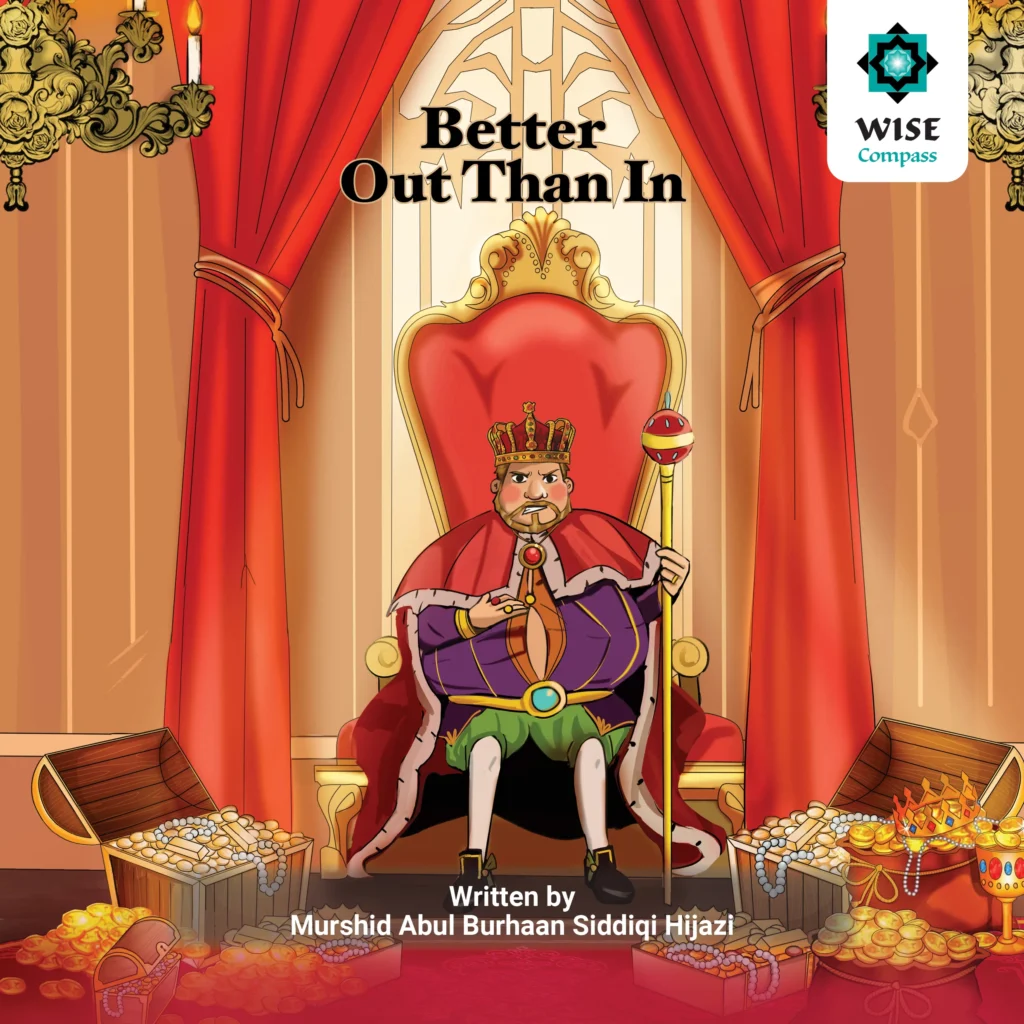
A king who has everything – the finest food, the grandest palace, and the most celebrated physicians in the land – is brought completely to his knees by a stomach ache. Not a battle, not a betrayal, not a political crisis. A stomachache. As he writhes in his golden chambers, stripped of every privilege his wealth cannot fix, it is a simple man with very little who arrives with both the remedy and the reminder: that the body is Allah’s trust, that moderation is a form of worship, and that gratitude for the basics of health and sustenance is the foundation of a humble heart.
This Islamic story about gratitude and humility for children works beautifully precisely because of its humour. The image of a proud, indulgent king humbled by his stomach is both funny and deeply true, and children instinctively feel the justice of it. It teaches them that qana’ah (contentment with what Allah has given) is not a consolation prize for those who have less but a spiritual achievement that brings genuine peace, something the king, for all his wealth, clearly did not have.
Islamic concepts: Qana’ah (contentment), shukr (gratitude for health and simple blessings), and the Islamic teaching on moderation in eating and living.
Lesson: True wealth is found not in abundance but in gratitude. The king had everything and was miserable; the simple man had little and was at peace.
Themes: humility, gratitude, moderation, contentment, the limits of wealth.
Age: 7+ years
Read the story: Better Out Than In
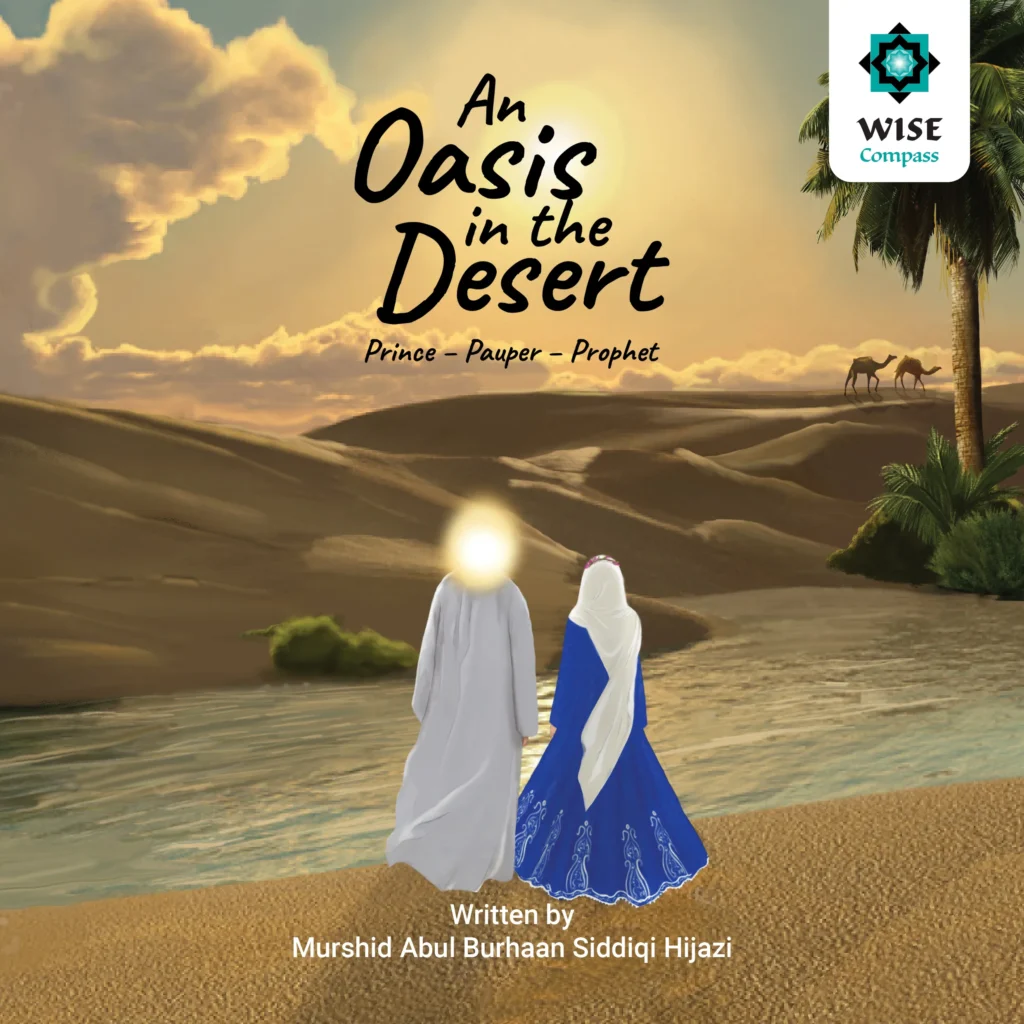
A prince who has grown up surrounded by wealth, fine fabrics, and the trappings of royal life makes a remarkable decision: to leave it all behind and live as a simple shepherd among honest, ordinary people. What he discovers in the desert, in the silence, the simplicity, and the absence of status, is something he could never have found in his palace: a genuine sense of who he is when the external markers of importance are stripped away.
This quietly profound Islamic story about tawadu and simplicity for children teaches something that is genuinely counter-cultural: that prestige, status, and the opinions of others are not reliable measures of a person’s worth. The prince’s real growth happens not when he is given more but when he chooses less, and children who read this story absorb a picture of what it looks and feels like to live without the constant need for external validation that defines so much of modern life.
Islamic concept: Tawadu (humility through voluntary simplicity), the Islamic teaching that nobility of character is independent of social position or wealth.
Lesson: You find out who you really are not when you have everything but when you choose to live without what you don’t need.
Themes: simplicity, humility, inner peace, identity beyond status, and the freedom that comes from tawadu.
Age: 9+ years
Read the story: An Oasis in the Desert
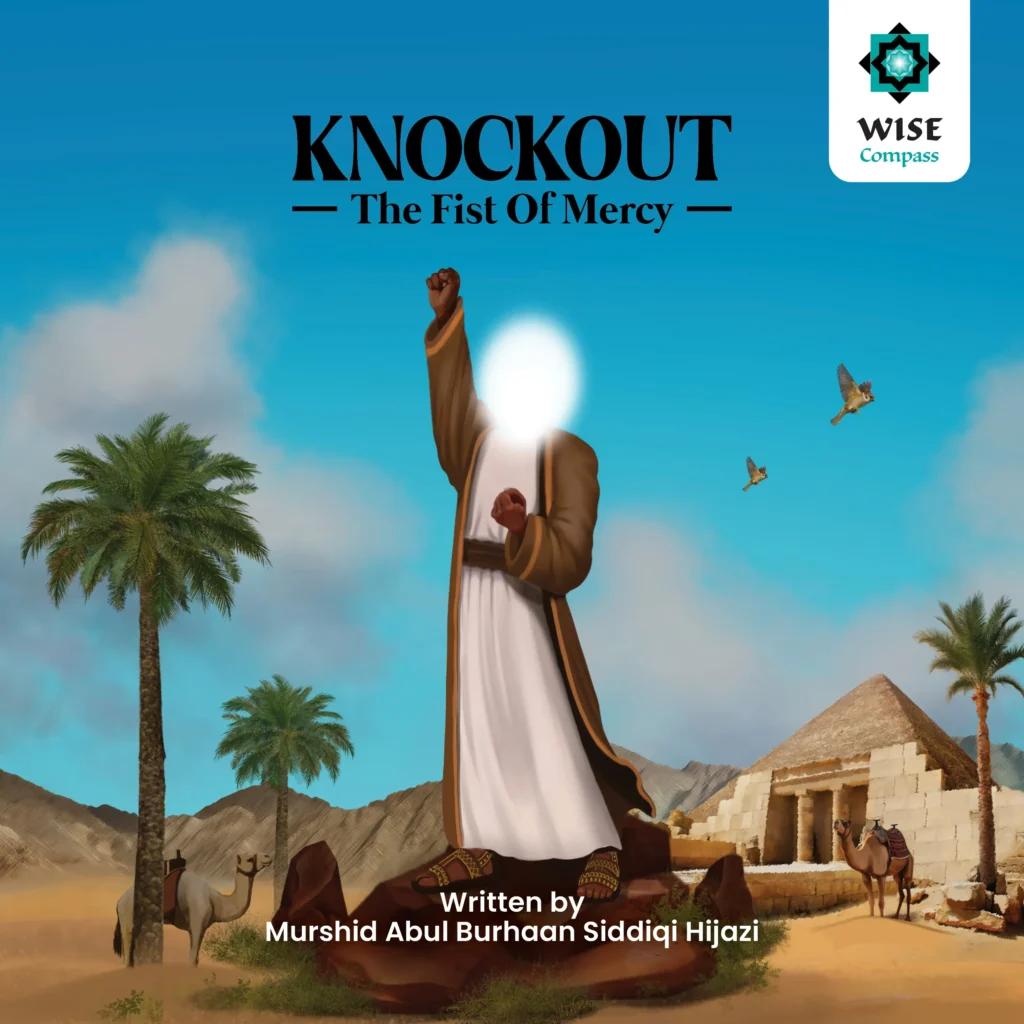
Prophet Musa (AS) is living as an adopted prince in Pharaoh’s palace, already a man of strong convictions and a powerful sense of justice. When he witnesses an injustice in the streets of Egypt and acts decisively to stop it, one moment of force has unintended consequences that change everything. What follows is not a story of a villain but of a righteous man confronting the full weight of his fallibility and choosing accountability over denial.
This Islamic story about humility and accountability for older children captures something important that other humility stories often miss: that even good people, with good intentions, can cause harm, and that the humble response is not to minimise it or deflect it, but to face it honestly. For children who struggle with admitting mistakes or who confuse confidence with infallibility, this story shows them a Prophet of Allah modelling the very thing Islam asks of all of us: the humility to say, “I was wrong, and I am accountable.”
Islamic concepts: Muhasabah (self-accountability), tawadu (humility in the face of one’s own errors), and the prophetic example of owning mistakes rather than hiding behind intention.
Lesson: True humility is not just being gentle with others; it is having the courage to be honest about yourself, especially your mistakes.
Themes: accountability, humility in failure, justice, and the courage to admit wrongdoing.
Age: 9+ years
Read the story: Knockout
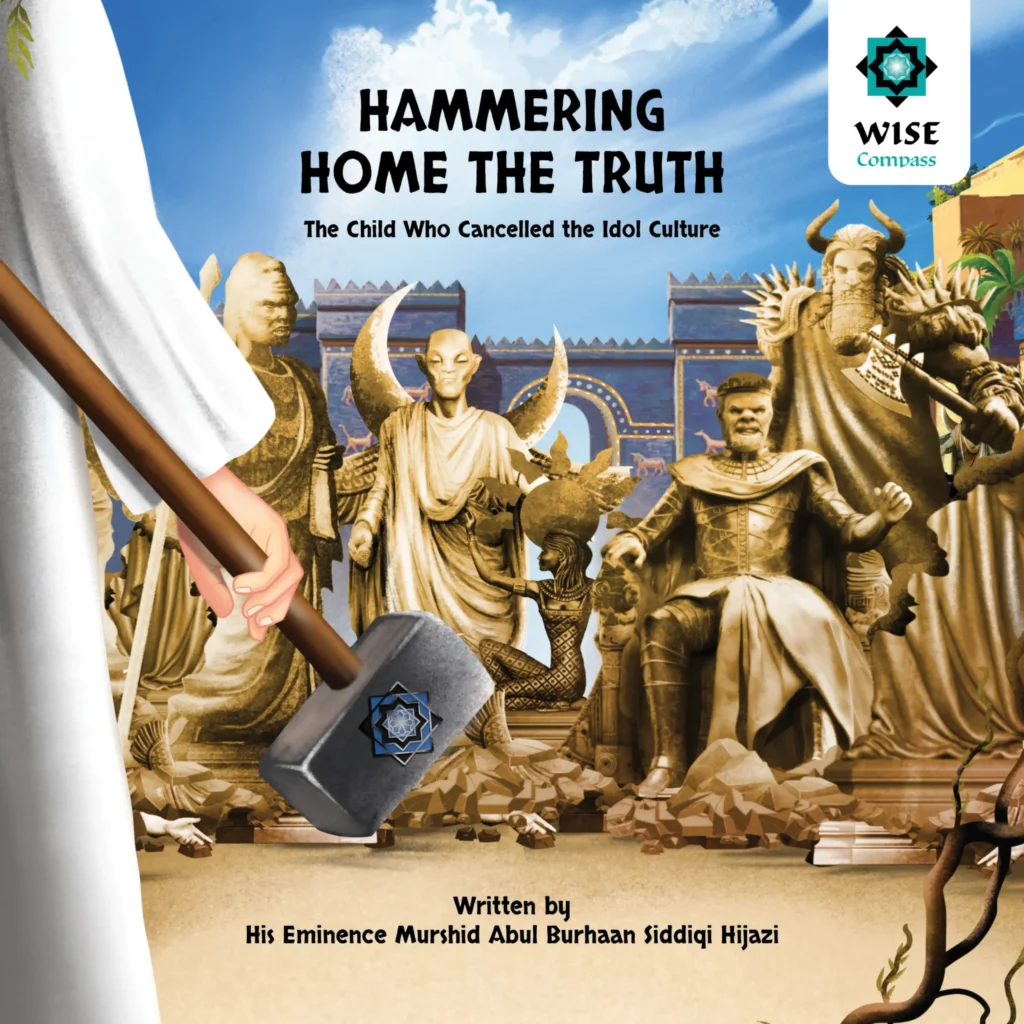
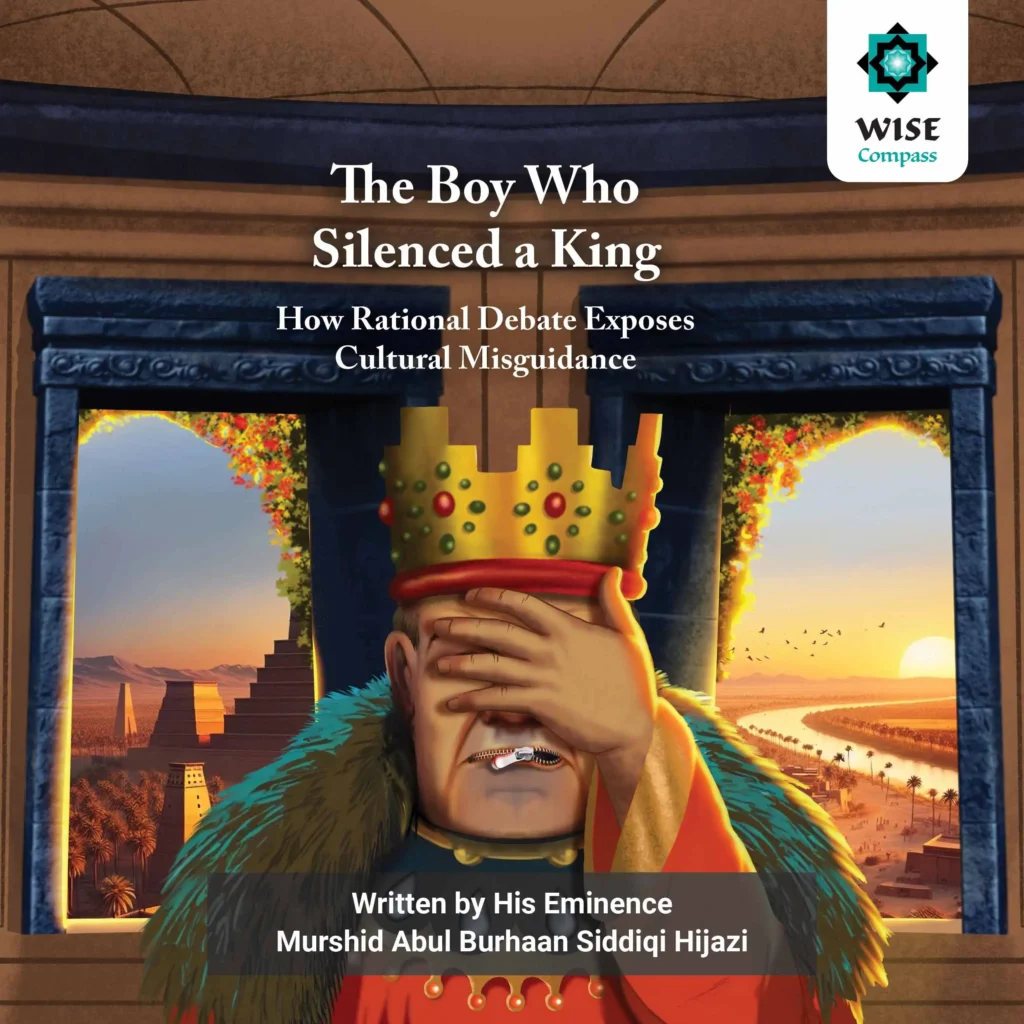
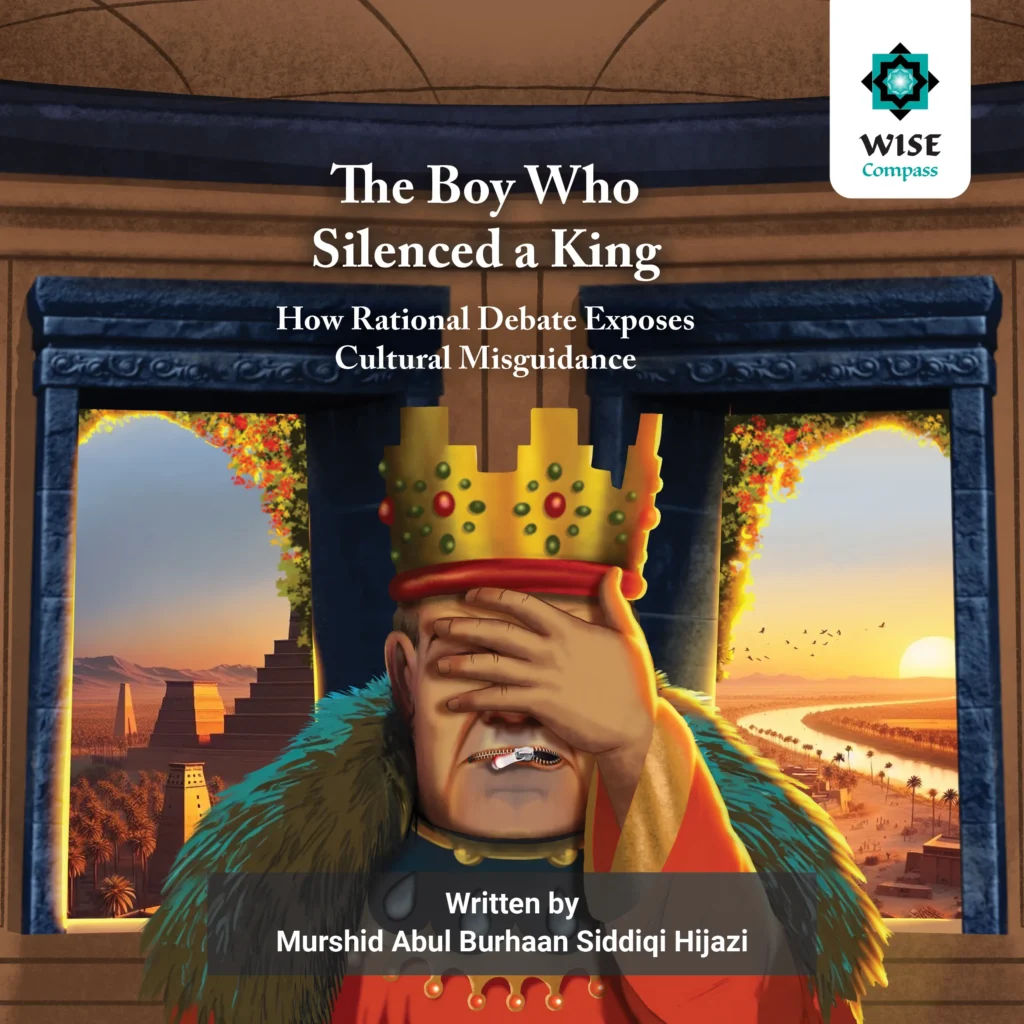
A king who claims to hold the power of life and death is publicly challenged by a young boy, Prophet Ibraheem (AS), not with force or status but with calm, precise, logical reasoning. The king has power. He has an army, a court, a throne, and centuries of inherited authority behind him.
The boy has nothing but the truth and the clarity of mind to express it. The exchange ends in a way that power almost never prepares people for: the king is silenced, his pride exposed as hollow, and a child’s humble, reasoned faith shown to be more powerful than any crown.
This Islamic story about the humility of truth and the pride of power is one of the most compelling in the entire library because it shows children that tawadu is not timidity. Prophet Ibraheem (AS) was not meek; he was fearless, sharp, and completely unimpressed by the trappings of earthly authority. His humility was not weakness; it was the deepest kind of strength, rooted in the certainty that truth ultimately defeats pride no matter what armies stand behind it.
Islamic concepts: Tawadu (the strength of humble truth), kibr (the fragility of proud power), and the Islamic understanding that genuine confidence comes from knowledge and faith, not from status.
Lesson: The most powerful thing in any room is not the person with the most authority. It is the person standing closest to the truth.
Themes: truth vs pride, the strength of humility, courage, logical reasoning, faith over power. Age: 9+ years
Read the story: The Boy Who Silenced a King
Why Teaching Humility Early Is One of the Most Important Things a Muslim Parent Can Do
The Prophet Muhammad ﷺ described kibr , arrogance , as rejecting truth and looking down on others. And he described tawadu, humility, as one of the qualities that raises a person’s rank in both this world and the next. These are not peripheral virtues in Islam. They sit at the very center of what it means to be Muslim.
Children who grow up with a genuine sense of tawadu, who understand that their gifts come from Allah, that their status does not define their worth, and that the measure of a person is how they treat those with less power than them, are children who will be genuinely good to their families, their communities, and the world around them.
Islamic stories about humility can help kids plant those seeds early. Not through rules and warnings, but through stories that make tawadu feel desirable and noble, while kibr feels like exactly what it is: a trap.
Parent tip: After reading any of these stories, ask your child, “What was the character most proud of?”, “What did their pride cost them?”, and “What’s one thing you’re grateful for today that came from Allah, not from you?” That last question, asked regularly, is one of the most consistent antidotes to kibr that Islamic tradition has always known.
Explore the full Wise Compass library
Also read: Islamic Moral Stories for Kids
Also read: Islamic Stories That Strengthen Faith and Iman