


Children today experience big, complex emotions earlier than ever. Jealousy when a friend gets something they want. Anger that flares up before they have words for it. Loneliness that comes without warning. The frustration of a friendship that suddenly feels broken. The confusion of not knowing whether to speak the truth or stay quiet to keep the peace.
Parents know these moments well, and many find them genuinely difficult to navigate. How do you explain forgiveness to a seven-year-old? How do you help a child understand that their anger is valid, but their response to it matters? How do you teach empathy in a world that rewards self-promotion?
Islam has always had answers to these questions, rooted in the prophetic example of emotional wisdom, the Quranic emphasis on rahma (compassion), and the Islamic tradition of ukhuwwah (brotherhood and sisterhood in faith), which places the emotional well-being of others at the centre of how we relate to each other.
Islamic stories about friendship and emotions for children are one of the most powerful ways to bring these values within reach of young readers, not as abstract rules but as lived experiences in characters they care about.
Here are 7 of the best Wise Compass books for building emotional intelligence, empathy, and healthy friendships in children aged 5 to 11.
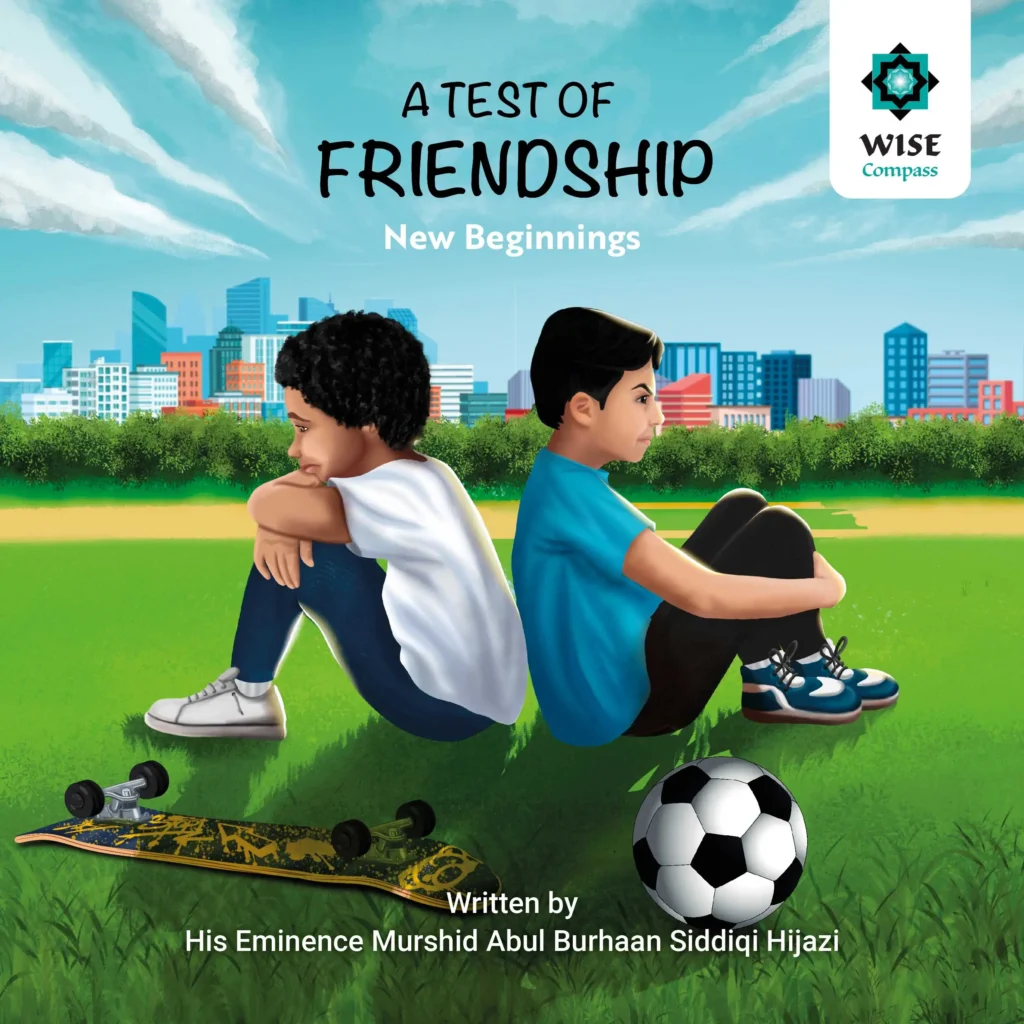
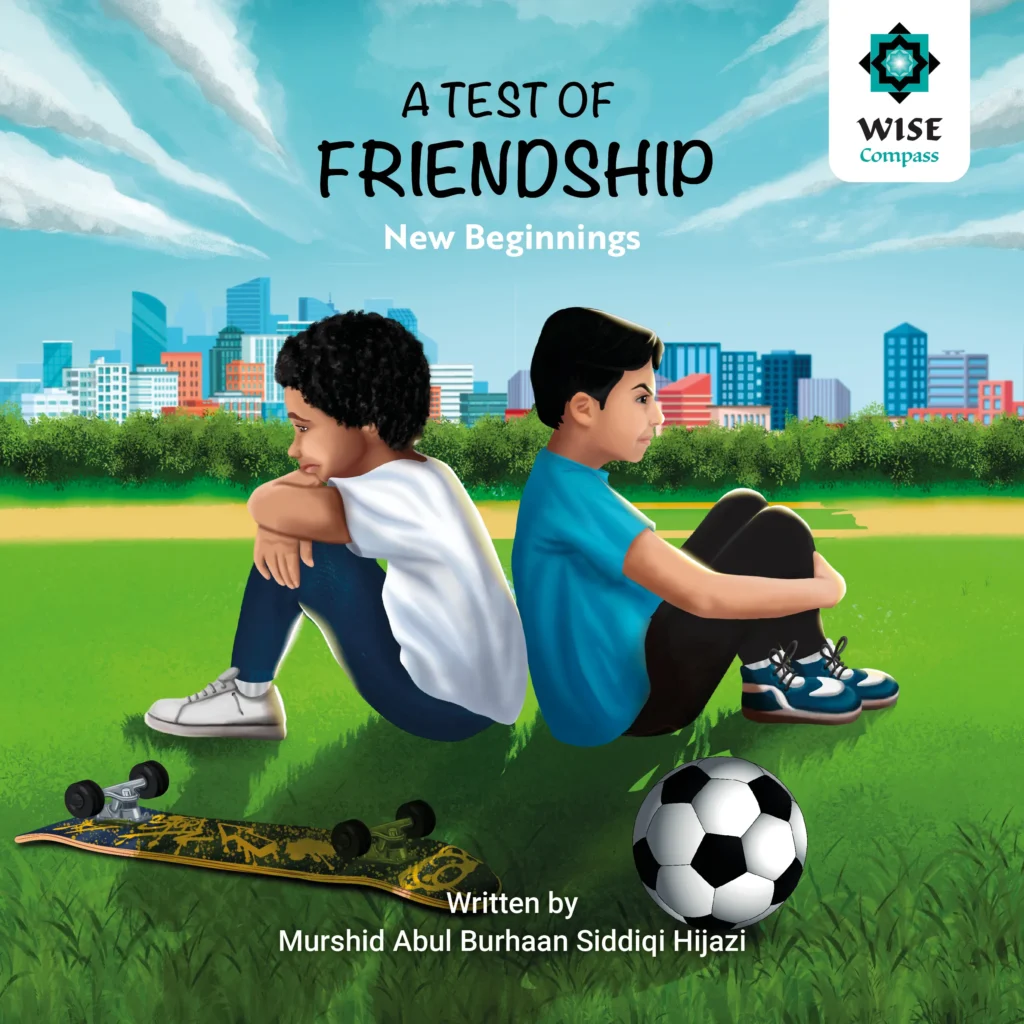
Raihaan, Khaleel, and Zayn are friends, but when Zayn’s jealousy gets the better of him, he spreads a misleading rumour that shatters the friendship between Raihaan and Khaleel. The park falls silent. The laughter stops. And Zayn is left with the full emotional weight of what his moment of envy has caused, including the much harder question of what he is going to do about it.
This is one of the most emotionally precise Islamic stories about friendship for children in the entire Wise Compass library because it names feelings that children experience constantly but rarely see reflected in stories: jealousy, the temptation to say something you know you shouldn’t, the guilt that follows, and the far greater courage it takes to repair damage than it did to cause it. It provides children a clear, relatable model for what afuw (forgiveness) looks like in practice, not as a grand, abstract gesture but as a difficult, ordinary, achievable act between three children on a playground.
For parents trying to navigate the social dynamics of primary school, the rumours, the falling-outs, and the sudden inexplicable silences, this story is a remarkably useful tool.
Islamic concepts: Afuw (forgiveness), the Islamic prohibition on ghiba (backbiting and spreading rumours), and ukhuwwah (true brotherhood/sisterhood in faith).
Emotions addressed: Jealousy, guilt, courage to apologise, forgiveness, relief.
Lesson: Real friendship survives not because it avoids conflict, but because it finds the courage to repair it.
Themes: Friendship, jealousy, rumours, forgiveness, making amends.
Age: 5–7 years (Junior Adventurers)
Read the story: A Test of Friendship
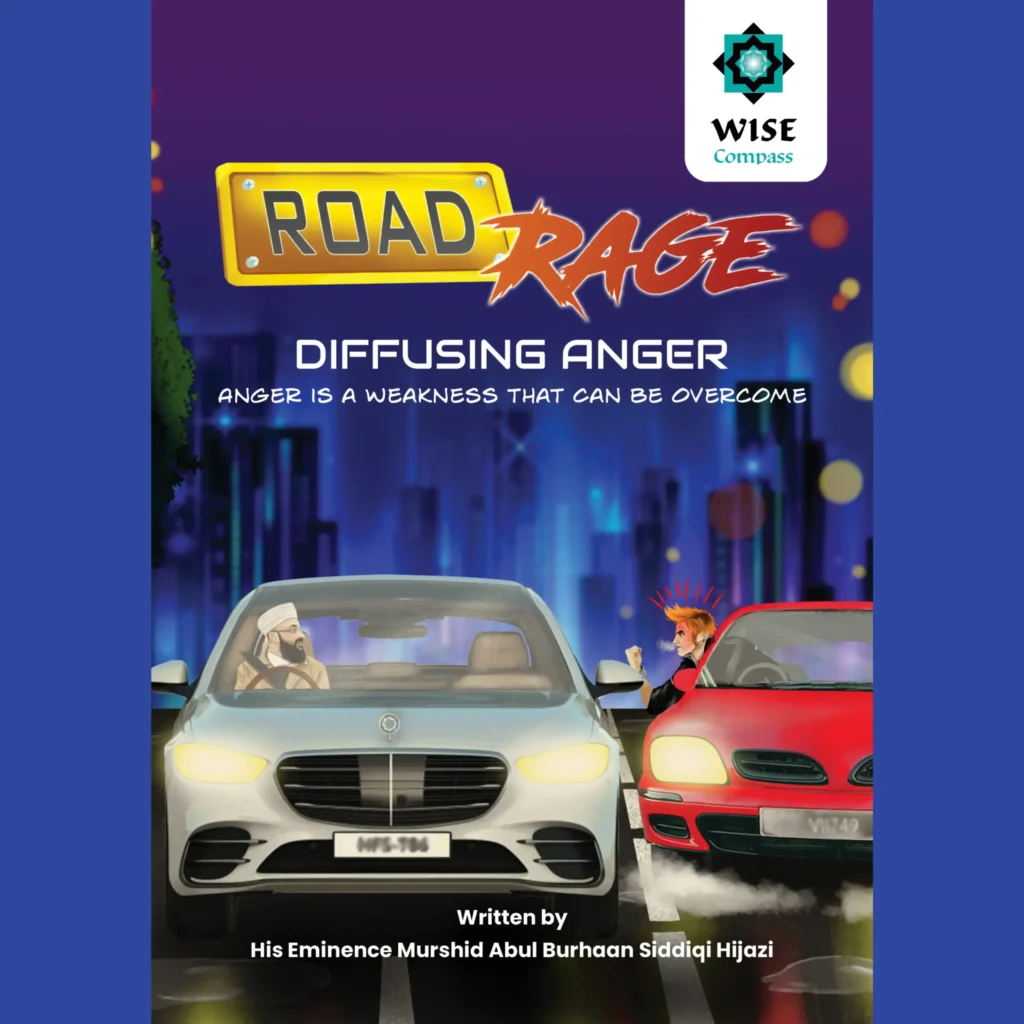
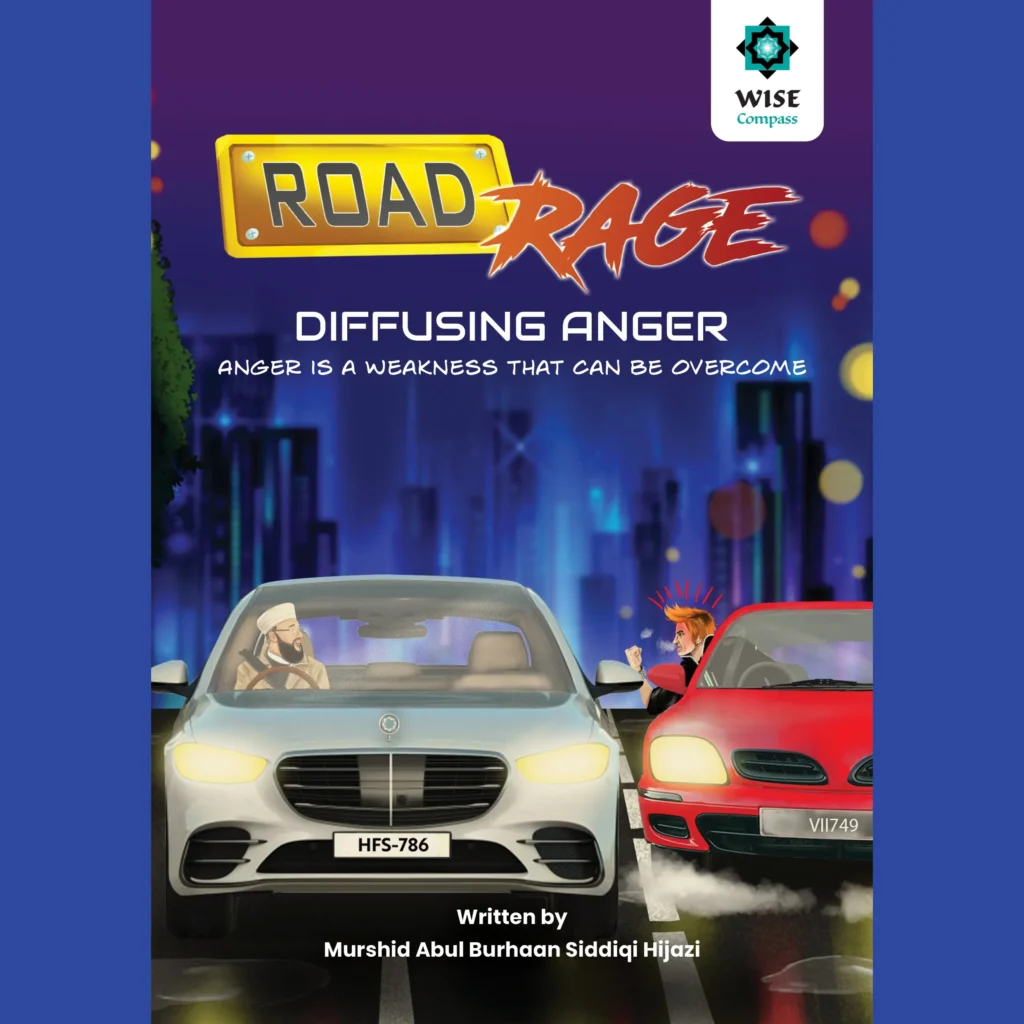
An angry man is driving through the streets, his frustration building with every minute, and when he encounters a Muslim, he misdirects all of that anger at someone who has done nothing to deserve it. He is ready for a confrontation. He expects one. What he receives instead stops him completely: genuine calm, warmth, and kindness that he did not anticipate and cannot immediately make sense of.
This Islamic story about anger management for children is one of the most practically relevant in the library because it is set in the modern, ordinary world – not a historical palace or a desert, but a street, a car, and a flash of adult temper that children witness regularly without necessarily having the language to understand.
It shows children what the Prophet Muhammad ﷺ taught about anger: that the truly strong person is not the one who wins a confrontation but the one who controls themselves in the moment when losing control would be easiest.
What makes this story particularly valuable for emotional intelligence work is that it shows the effect of a kind response on an angry person. Kids learn that kindness is effective and can reach places force can’t. That observation, felt through a story rather than told as a rule, is far more likely to shape behaviour than any lecture.
Islamic concept: Hilm (forbearance and emotional composure), the prophetic teaching that the strong person controls their anger, and the transformative impact of ihsan (doing good to those who wrong you).
Emotions addressed: anger, frustration, the impulse to retaliate, and the surprise of receiving unexpected kindness.
Lesson: Responding to anger with kindness is not weakness; it is the strongest and most Islamic response available.
Themes: Anger management, compassion, the prophetic example, emotional self-regulation.
Age: 9+ years
Read the story: Road Rage – Diffusing Anger
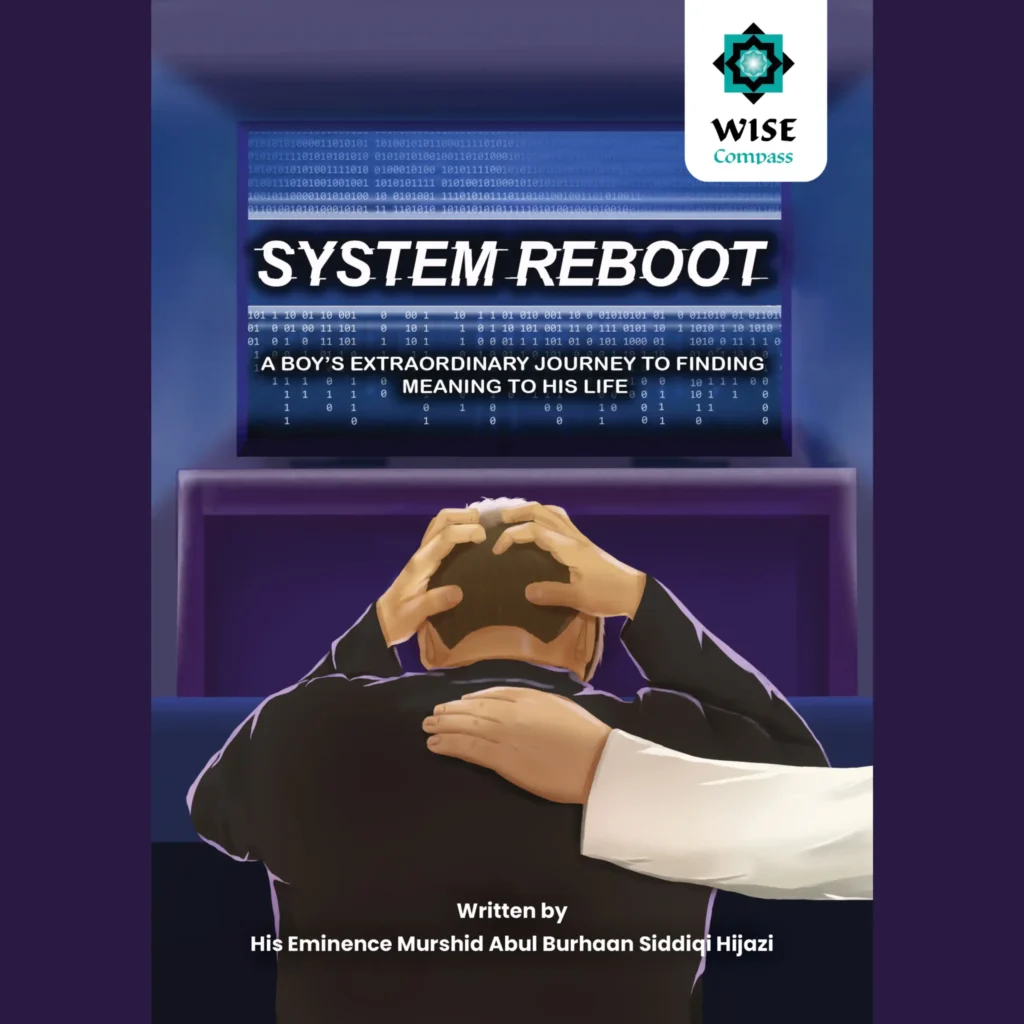
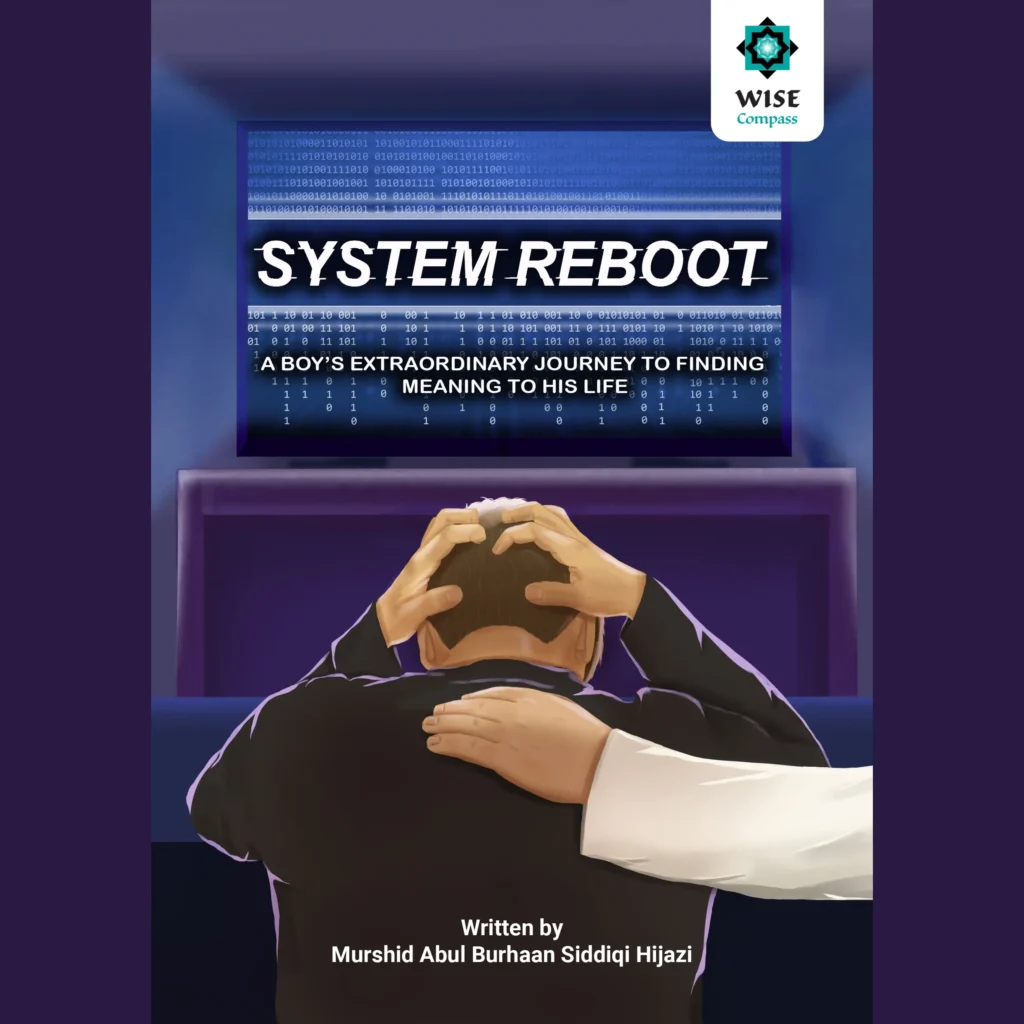
Shafeeq is not searching for a friend. He is not, honestly, looking for much at all. He is simply lost, emptied out by a sadness he cannot name, disconnected from the purpose he used to feel, struggling to find the thread that used to connect him to life and to faith. And then a guiding friend arrives. The friend arrives not with solutions or advice, but with presence, patience, and a quiet reminder that Allah Almighty’s mercy is always closer than it seems.
This is the most emotionally courageous story in the Wise Compass collection, one that addresses depression, despair, and the particular kind of loneliness that comes from feeling spiritually adrift in a way that is both honest and deeply rooted in Islamic understanding.
For children navigating difficult emotions and for parents trying to understand what their child might be experiencing, this Islamic story about emotional healing and friendship opens doors that are very difficult to open any other way.
It also carries an important message about what good friendship looks like at its most essential: not the friend who fixes everything, but the one who sits with you in the dark and reminds you that the light is still there. For children who are natural carers and helpers, it shows them that the most powerful thing they can offer a struggling friend is simply to stay.
Note: This book carries a parental guidance recommendation for its mature themes (depression, despair, and references to suicidal ideation) and is best read and discussed together.
Islamic concept: Tawbah (returning to Allah), rahma (divine and human compassion), and the Islamic understanding that sadness is not a sign of weak faith but a human reality that Allah Almighty acknowledges and responds to.
Emotions addressed: Despair, emptiness, loneliness, the gradual return of hope, the comfort of being understood.
Lesson: No heart is too broken for Allah Almighty’s mercy to reach, and the right friend, sent at the right time, can be part of how that mercy arrives.
Themes: Depression, emotional healing, the power of compassionate friendship, returning to faith, Allah’s mercy.
Age: 11+ years (parental guidance recommended)
Read the story: System Reboot
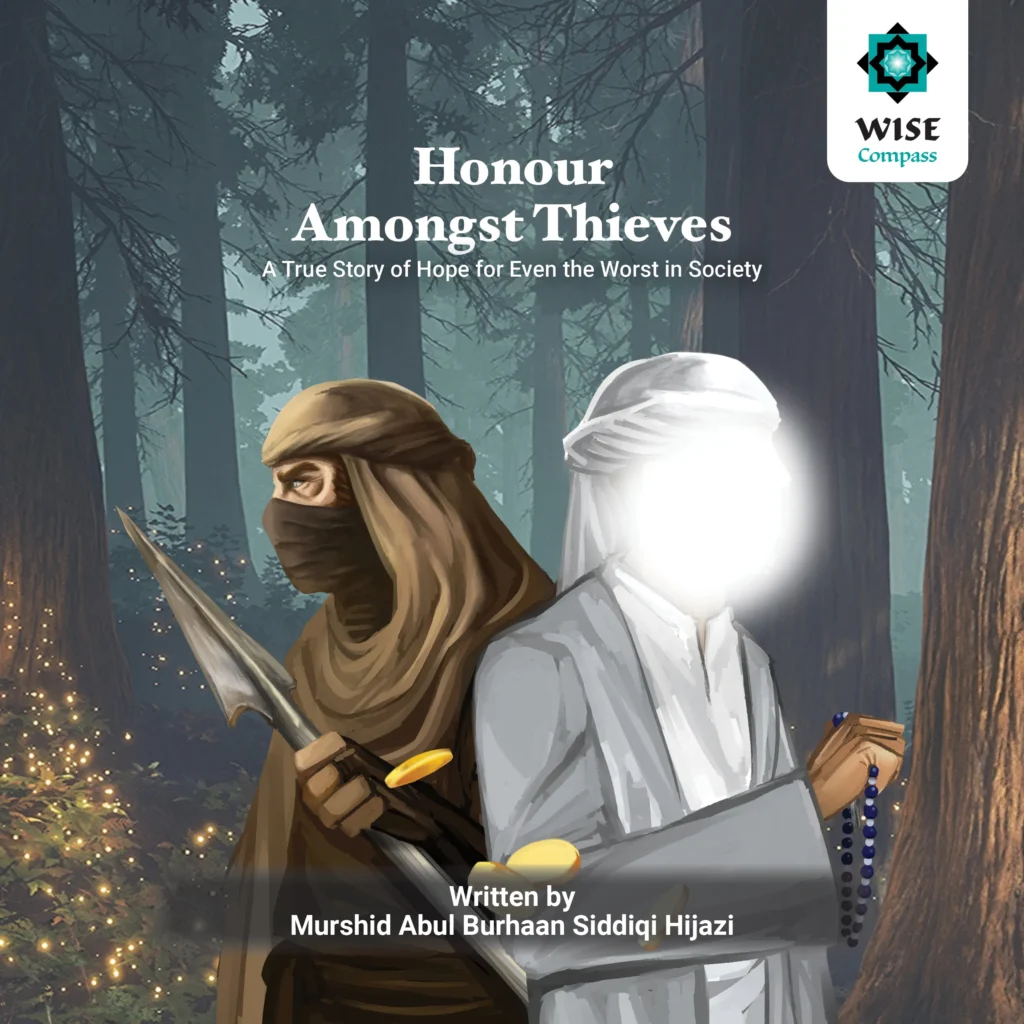
A young man is surrounded by sixty thieves and asked whether he is carrying money. He is. He tells the truth anyway, because he promised his mother he always would. What follows is one of the most remarkable demonstrations in the entire library of how a single person’s integrity can shift the emotional and moral atmosphere of an entire situation.
This Islamic story about honesty and its emotional impact works particularly well for emotional intelligence development because it shows children something that is counterintuitive but deeply Islamic: that your emotional choices affect other people.
Zayn’s jealousy in A Test of Friendship hurt his friends. This young man’s honesty transformed people who had every reason to be unmoved by it. The story teaches children that they are not emotionally isolated, so what they choose to feel and express and act on ripples outward in ways that can genuinely change the world immediately around them.
This story provides the most compelling answer for children who struggle to understand why honesty matters when lying seems easier and safer: truth, spoken with courage, holds a power that no calculation of personal safety can account for.
Islamic concept: Sidq (truthfulness), the emotional courage required to be honest when it costs something, and the Islamic understanding that good character has a communal impact, not just a personal one.
Emotions addressed: fear, the temptation to self-protect through dishonesty, moral courage, and the unexpected reward of integrity.
Lesson: Your emotional choices affect everyone around you, and a single act of honest courage can transform even the hardest hearts.
Themes: Honesty, moral courage, the social impact of personal integrity, keeping promises.
Age: 9+ years
Read the story: Honour Amongst Thieves
A young man accidentally eats an apple that belongs to someone else. A genuinely small thing, the kind of thing that most people would dismiss without a second thought. Instead, he feels the full weight of it and goes to extraordinary, almost absurd lengths to find the apple’s owner and make it right.
What begins as a story about personal accountability becomes something unexpectedly beautiful: a demonstration of what genuine forgiveness looks and feels like when it is sought properly and given freely.
This Islamic story about forgiveness and emotional accountability for children fills a genuine gap in what the library offers on this theme. Where A Test of Friendship shows forgiveness between peers after a conflict, this story shows something different: the proactive seeking of forgiveness when you have wronged someone, even when they don’t know you wronged them and even when apologising will cost you something.
It teaches children that true emotional maturity is not just about managing how you feel , it is about taking responsibility for how your actions affect others and doing the harder work of repair.
Islamic concept: Muhasabah (self-accountability), afuw (forgiveness), and the Islamic understanding that making things right with those you have wronged is an act of worship in itself.
Emotions addressed: guilt, the discomfort of unresolved wrongdoing, relief through accountability, and the warmth of genuine forgiveness received.
Lesson: Emotional maturity means not just managing your feelings but also taking responsibility for how your actions affect others and working to make things right.
Themes: accountability, forgiveness, guilt and resolution, and emotional integrity.
Age: 9+ years
Read the story: A Marriage Made in Heaven

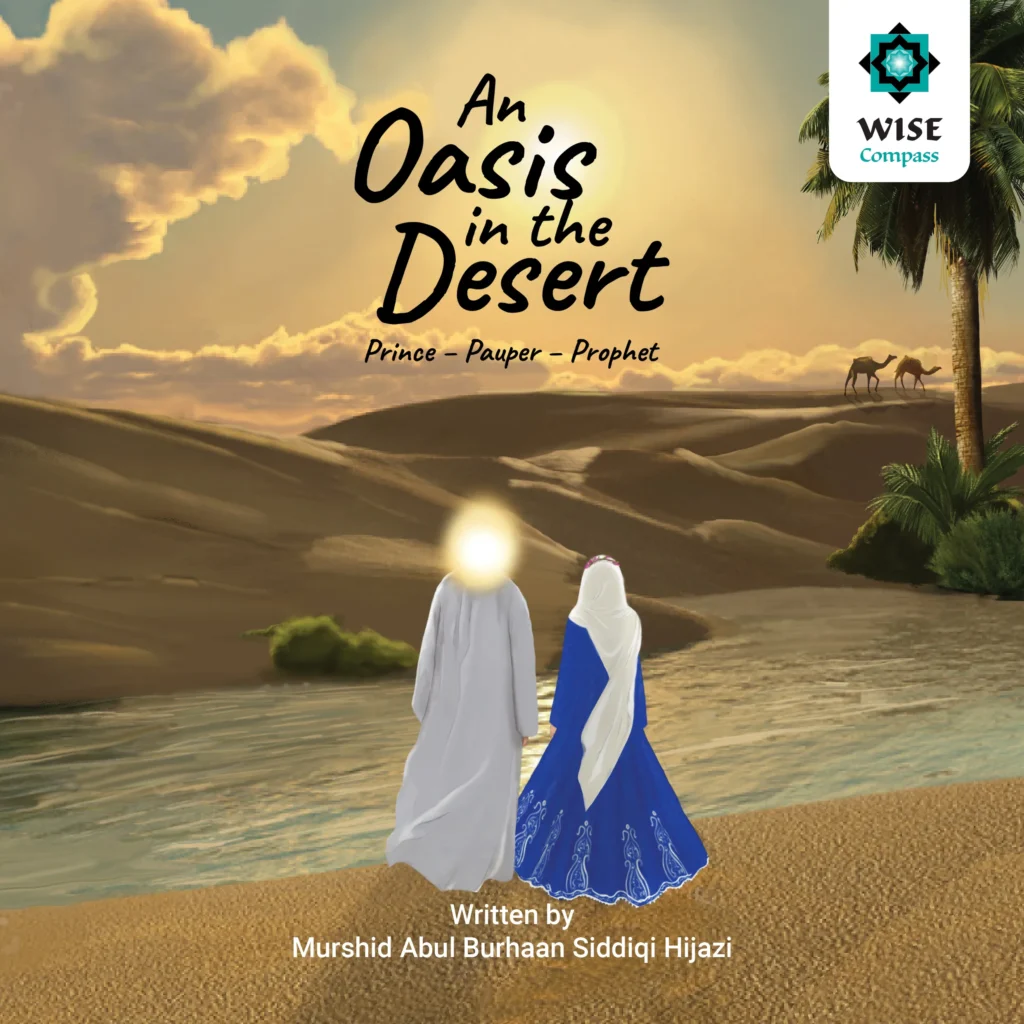
A prince raised in wealth and status makes a choice that changes everything: he leaves the palace and lives among simple shepherds. Far from his throne, stripped of every marker of social importance, he has to relate to people on purely human terms and, in doing so, he discovers a depth of connection and belonging that his gilded life never offered him.
This gentle, reflective Islamic story about empathy and human connection for children shows what it means to truly see another person, not through the lens of their status, wealth, or usefulness to you, but simply as a fellow human being deserving of dignity and care.
For children who struggle with empathy across social differences, who find it difficult to relate to classmates from different backgrounds, or who are beginning to notice and be shaped by status hierarchies, this story offers a different model.
It shows that the capacity to connect with people who are different from you is not just emotionally rewarding but spiritually significant, one of the qualities that made the greatest people in Islamic history genuinely great.
Islamic concept: The Islamic emphasis on karamah (human dignity) regardless of social status and the prophetic example of treating every person with equal regard.
Emotions addressed: Loneliness in privilege, the unexpected warmth of genuine human connection, the peace that comes from shedding false status.
Lesson: Real empathy means seeing people as they are, not as their status suggests, and the connections you build on that basis are the most lasting.
Themes: Empathy, belonging, human dignity, connection across difference, the limits of status.
Age: 9+ years
Read the story: An Oasis in the Desert
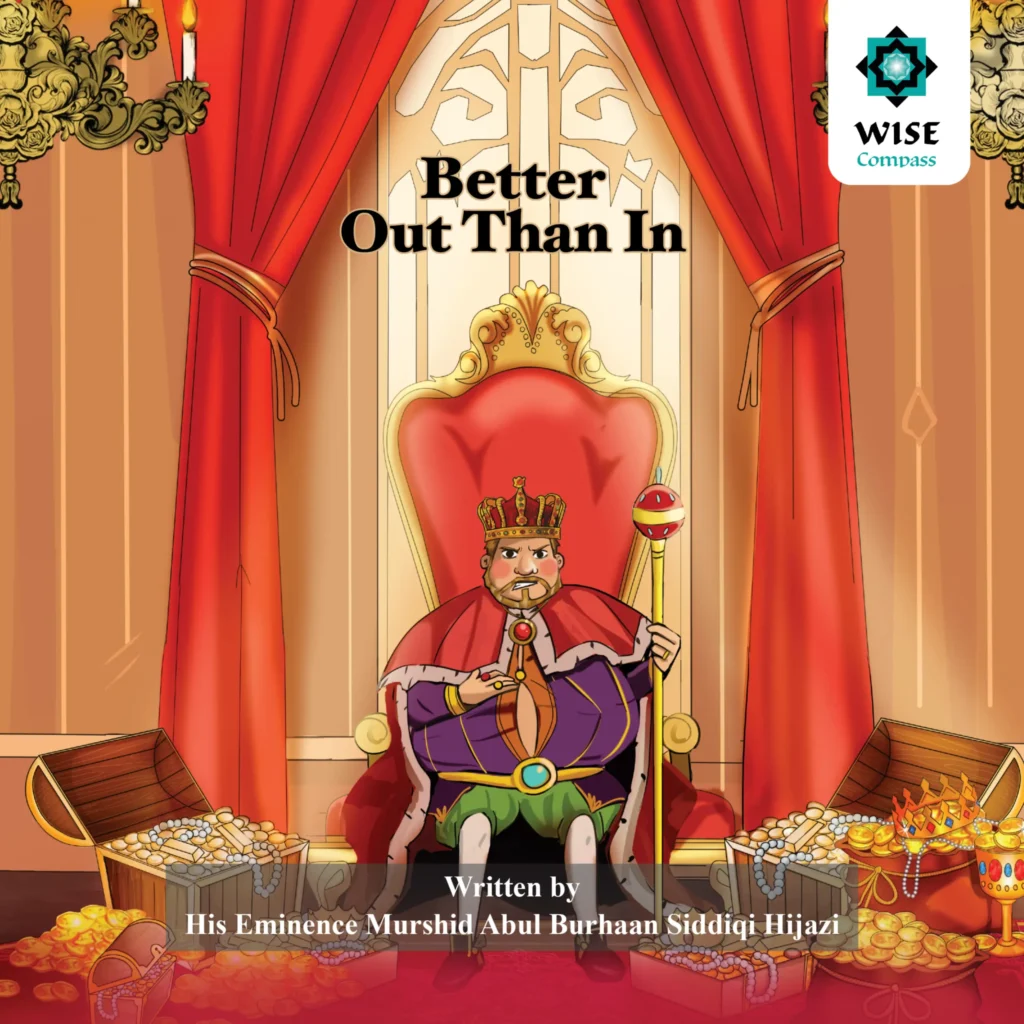
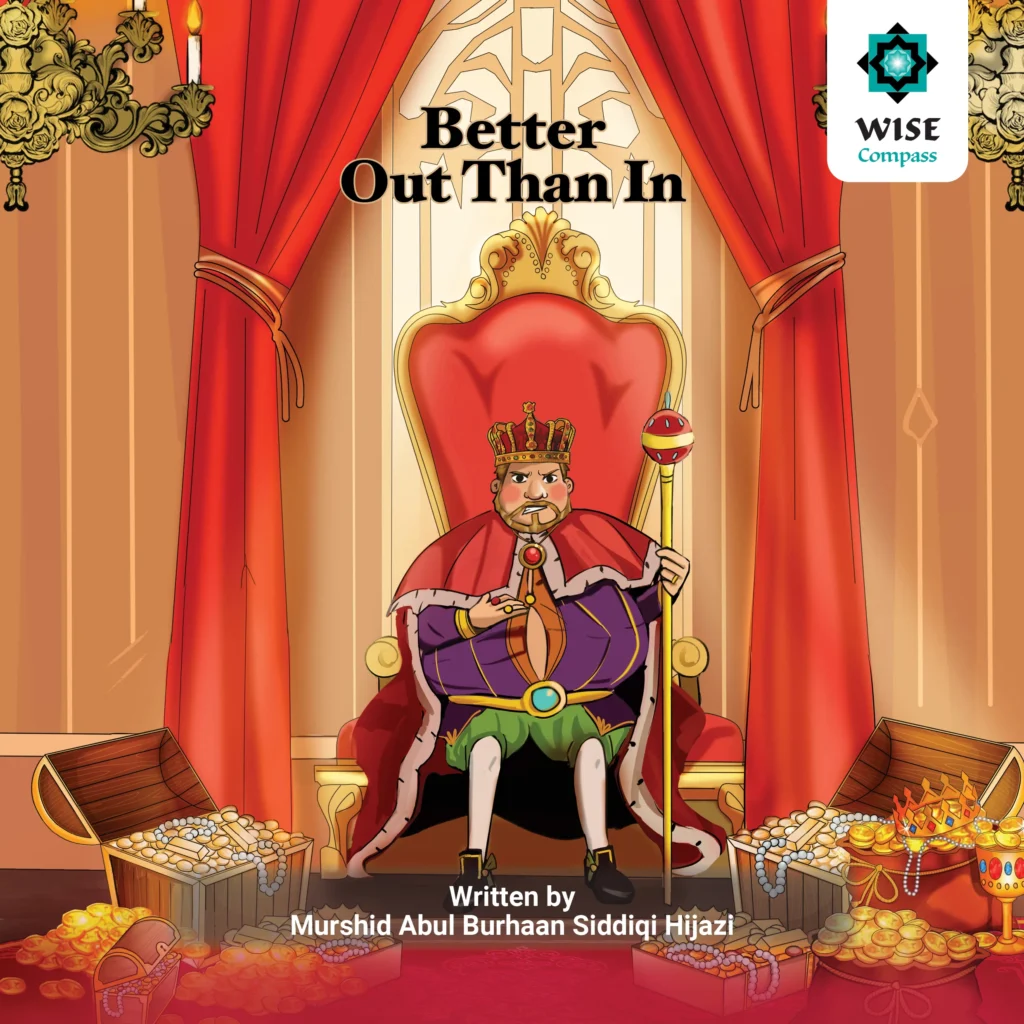
A king who has spent his entire life in comfort, excess, and the automatic gratification of every desire is suddenly, humiliatingly, brought low by a stomachache. The pain is real, the frustration is real, and the helplessness, for a man who has never truly been helpless, is almost unbearable.
Into that helplessness steps a simple, contented man who offers something the king’s physicians could not: genuine wisdom about the relationship between gratitude, moderation, and emotional wellbeing.
This Islamic story about gratitude and emotional regulation for children is some of the funniest in the library, and humour, as it turns out, is one of the most effective vehicles for emotional insight. Children laugh at the king’s predicament, and in that laughter they absorb something important: that entitlement is not just morally problematic but emotionally self-defeating.
The king has everything and is miserable. The simple man has little and is at peace. The difference between them is not wealth; it is the emotional practice of shukr (gratitude) that one has and the other lacks entirely.
Islamic concepts: Shukr (gratitude as an emotional and spiritual practice), qana’ah (contentment), and the Islamic understanding that emotional peace comes from accepting Allah’s provision rather than endlessly seeking more.
Emotions addressed: frustration, entitlement, helplessness, the relief of gratitude, and the peace of contentment.
Lesson: Emotional peace is not found in having more; it is found in genuinely appreciating what you already have, which is itself a gift from Allah Almighty.
Themes: Gratitude, contentment, frustration, the emotional cost of excess, finding peace in simplicity.
Age: 7+ years
Read the story: Better Out Than In
Emotional intelligence, the ability to recognise, understand, manage, and respond thoughtfully to emotions in yourself and others, is not something children develop from lectures or worksheets. It grows through experience, through seeing emotions modelled and navigated in ways that make sense, and through gradually internalising a framework for what desirable emotional choices look like.
Islam has always understood these principles. The Prophet Muhammad ﷺ was described by Aishah (RA) as the living Quran, a walking demonstration of every quality that the Quran describes as noble, including extraordinary emotional wisdom.
His patience, his compassion, his ability to respond to anger with calm and to cruelty with kindness, and his genuine attentiveness to the emotional states of the people around him – these are not peripheral anecdotes from his biography. They are the emotional curriculum that Islam asks every Muslim to aspire to.
Islamic stories about friendship and emotions for children are one of the most accessible entry points into that curriculum. When a child feels Zayn’s guilt and recognises it, when they are surprised by the effect of the young man’s honesty on the thieves, and when they understand in their body rather than just their head why Shafeeq’s friend’s presence was the most important thing, they are not just being entertained.
They are practising the emotional skills that will define the quality of their relationships, their communities, and their faith for the rest of their lives.
Parent tip: After reading any of these stories, ask your child three questions: “What did the character feel in that moment?”, “What did they choose to do with that feeling?”, and “What would you have felt, and what would you have done?” These three questions are the core of emotional intelligence work, and a 10-minute conversation after a bedtime story is one of the most natural ways to have them.
Explore the full Wise Compass library
Also read: Islamic Moral Stories for Kids
Also read: Islamic Stories About Humility for Kids