


Islam teaches that every human being was created with a clear, specific purpose: to worship Allah Almighty and to act as a responsible steward of the earth and everything within it, in order to please Allah Almighty and discover the undeniable, sincere, personal connection we each have with our Creator. This purpose is not arbitrary; it shapes the entire framework of Islamic values. It is these values, including honesty, humility, gratitude, and trust in Allah Almighty, that are the practical, day-to-day expression of living out our purpose in a comprehensive and holistic way.
A person who understands their purpose approaches their whole life and human experience differently. Every situation and action, from hardship to success to everyday choices, becomes connected to something greater than themselves. Teaching children this connection early, through both direct explanation and through helpful stories, gives them a moral wise compass that holds steady regardless of circumstance.
Islam does not leave the question of human purpose to guesswork. Allah Almighty states this directly in the noble Quran, addressing it as one of the most fundamental truths a believer can know.
Allah Almighty tells us in the noble Quran, at Surah Al Dhaariyaat (51), Verse 56:
وَمَا خَلَقْتُ الْجِنَّ وَالْإِنسَ إِلَّا لِيَعْبُدُونِ
Wa maa khalaqtul jinna wal-insa illaa liya’budoon
And I did not create the jinn and mankind except to worship Me.
This verse establishes the foundation for everything else in Islamic thought. Ibaadah (Worship) in Islam is not limited to Salah (Prescribed prayers) or ritual; it extends to all manner of actions and behaviour. All conduct can be a form of worship if carried out with the intention to venerate Allah Almighty and fulfil one’s purpose, from how a person treats their parents, speaks to a stranger, runs a business, or disciplines their patience. Purpose, in this sense, is woven into daily life rather than separated from it.
Alongside worship, Allah Almighty has given mankind a second dimension of purpose: Khilafah (Stewardship). This is the responsibility of caring for the earth and for other people and is an Amaanah (Trust) placed in each individual’s hands for how they choose to uphold this responsibility. Together, these two ideas, worship and stewardship, form the basis of every Islamic value that follows.
Once a child (or an adult) understands why they exist, Islamic values stop looking like a checklist and start making sense as a natural response. Honesty, humility, patience, and gratitude are not arbitrary or optional ‘rules’; they are what a life orientated around purpose actually looks like in practice.
This is one of the reasons why storytelling is such a powerful teaching tool in Islamic parenting. A rule tells a child what to do. A story shows them why it matters and lets them feel the weight of the choice through someone else’s eyes.
Children naturally ask big questions: ‘Why are we here? ’, ‘What happens when we die?’ ‘Why do bad things happen?’ In Islam, this kind of sincere curiosity is not treated as a threat to faith; it is recognised as a sign of it and honoured with rational engagement. In Islam, parents do not run from their children’s big questions; they welcome them for discussion for the development of the child.
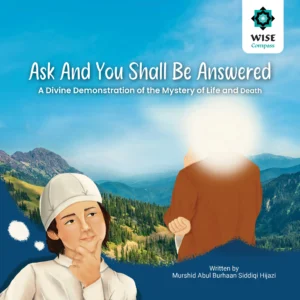
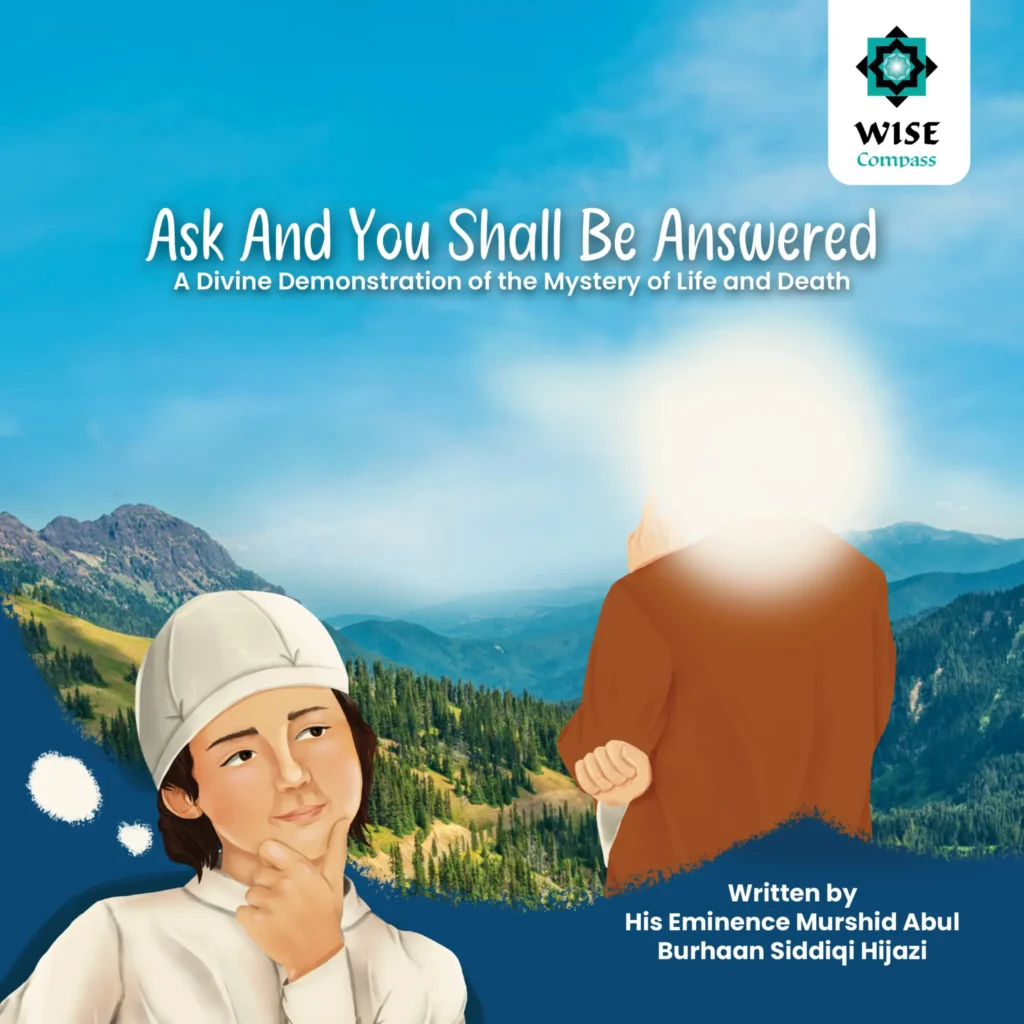
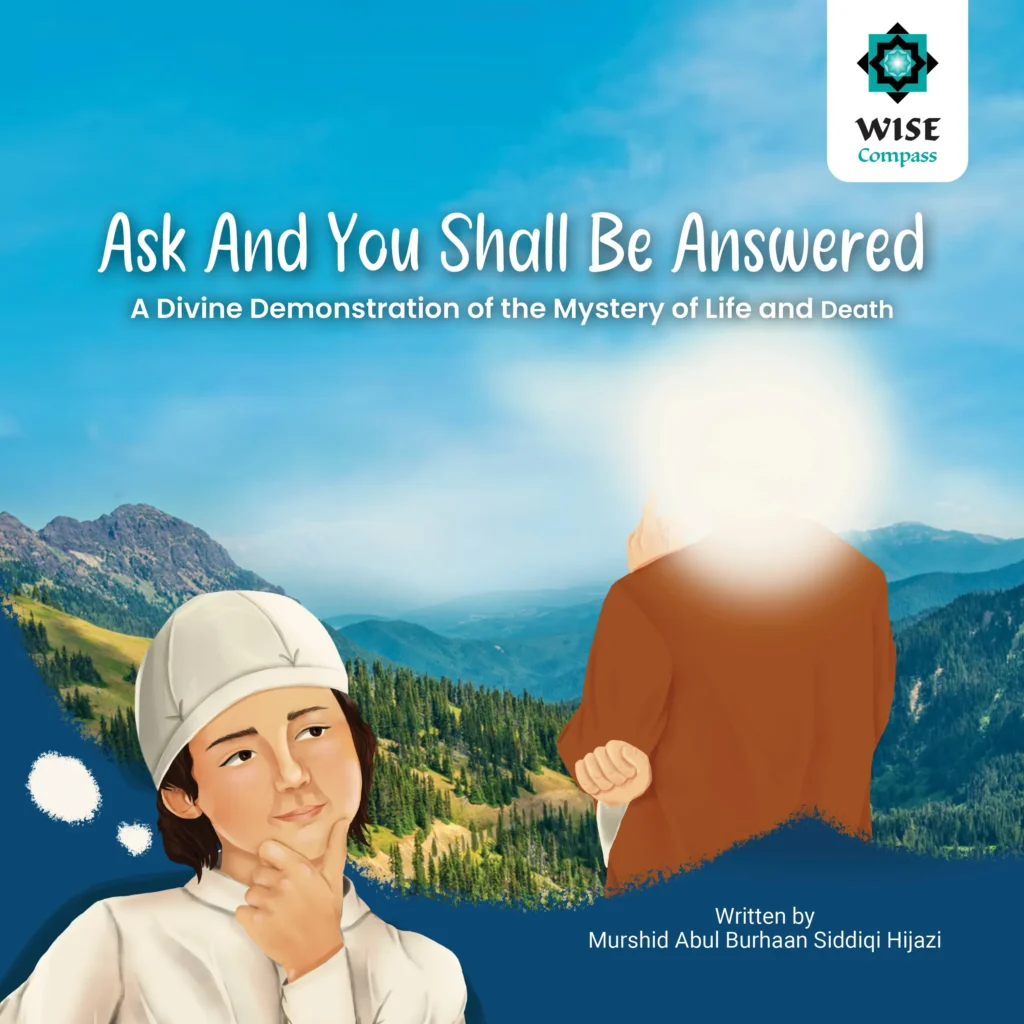
This idea comes alive in the Wise Compass story Ask And You Shall Be Answered, where a young boy named Musaddiq cannot sleep because his mind is full of questions about life and death. Rather than brushing these big questions aside, his mother tells him about a Prophet who asked Allah Almighty those very same questions and received an answer that fully answered his curiosity. This story is perfect for parents who want a gentle way of showing children that asking ‘why’ is part of building genuine faith, not a challenge to it. And it is perfect for children who have big questions and are seeking a parental relationship where they can ask them.
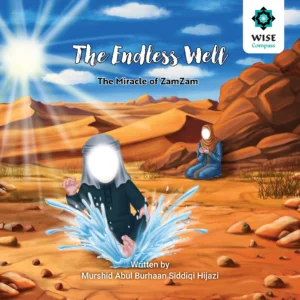
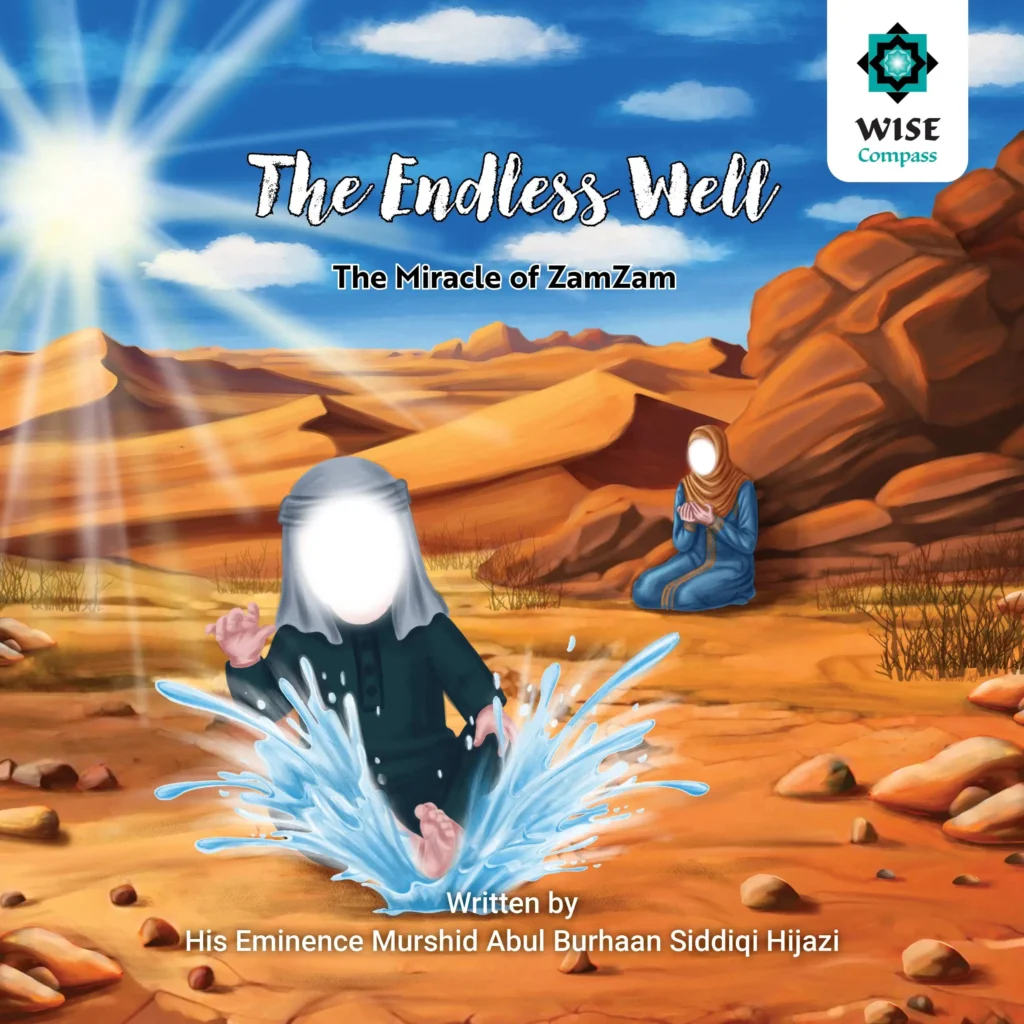
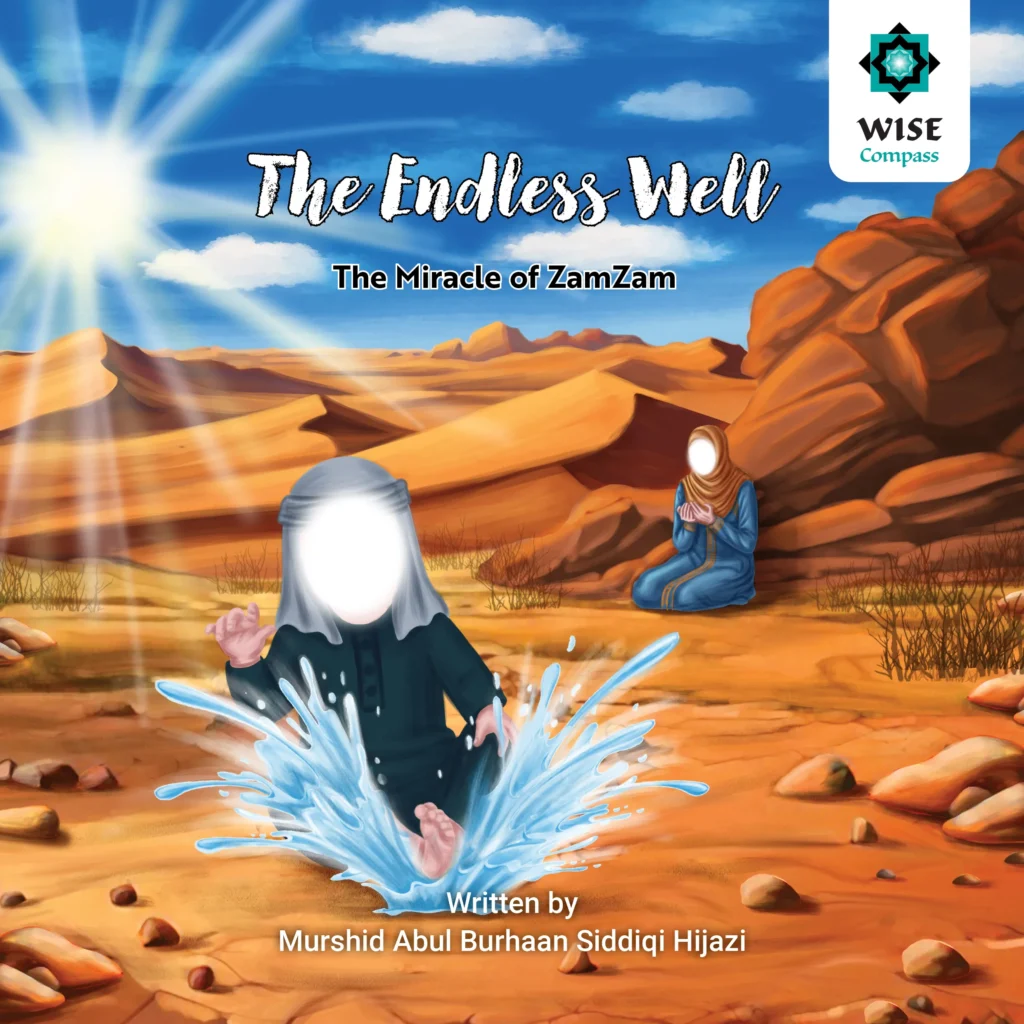
One of the clearest examples of purpose being fulfilled under pressure comes from the story of Murshidah Sayyidah Haajrah (RA), the mother of Prophet Ismaeel (AS). Left alone in a barren desert with her infant son and nourished by nothing but her complete trust in Allah Almighty’s command, she did not despair or turn away from her identity and purpose as a Muslimah. She relied completely on Allah Almighty and did not despair of His Mercy, all while she actively made her best efforts to fulfil her role as a mother by searching for water to provide for her child.
In every sense of the word, she upheld her purpose: by unfailing worship and dutiful stewardship. Her efforts were blessed with a miracle that is described in the recorded Hadith of holy Prophet Muhammad ﷺ, and still observed to this day. This story is compellingly retold in The Endless Well, narrated through the eyes of an eagle watching from above as a miracle unfolds before a devoted Muslim mother.
For children, this story reframes what trust in Allah Almighty actually looks like: not passive waiting, but faith combined with action.
A common misconception, even among adults, is that living a purposeful, values-driven life is somehow dependent on the circumstances or environment we are in. That such a pious and purposeful life is defined by or cannot begin until we have established a good family, a good community, or a good set of circumstances. Islam firmly rejects this idea. There is no ‘perfect time’ or ‘perfect situation’ for which we should wait before we lead our lives correctly.
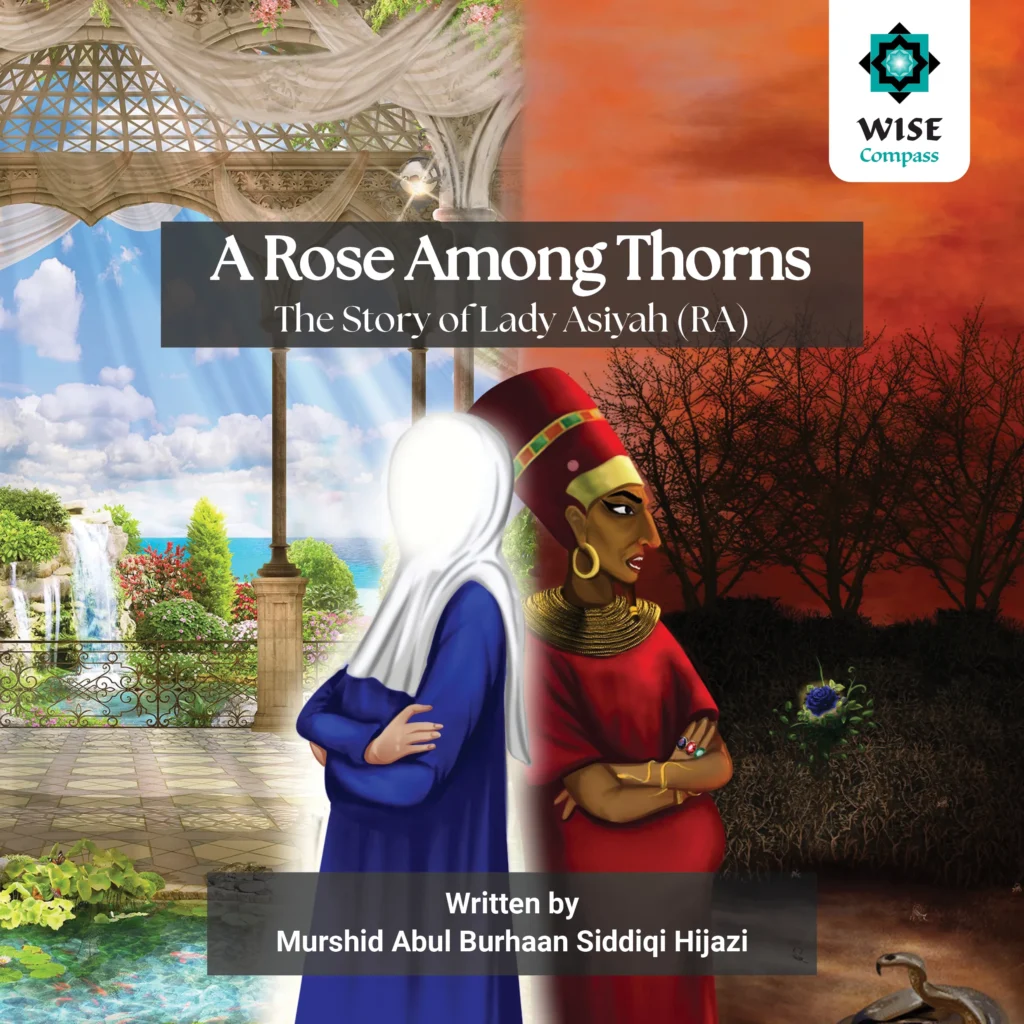
The story of Lady Asiyah (RA), told in A Rose Among Thorns, shows a woman who remained firmly guided by her faith while married to one of the cruellest rulers in history and who raised the child who would become Prophet Musa (AS) inside that very household. Her story teaches children a lesson that stays with them long after the book is closed: your environment does not define your character; your relationship with Allah Almighty does. Fulfilling your purpose is your duty, wherever you are, whatever age and stage of life you are at.
For younger children (ages 4-7 years), you can explain it in this way:
‘Allah Almighty made us all for a special job: to love Him, to be kind, and to look after the world and the people in it. When we are honest, patient, and kind, we are doing our job well and making Allah Almighty happy with us.’
Simple, repeated explanations like this, paired with age-appropriate bedtime stories for kids, help young children begin to absorb and understand their purpose long before they can articulate it themselves.
As children move past the age 7, they are ready for richer, more layered narratives that explore purpose through real Islamic history rather than simplified explanations or scenarios. This is where books for age 7+ and inspirational stories written for slightly older readers become especially valuable, giving children the vocabulary and emotional depth to understand concepts like Tawakkul (Trust in Allah), Sabr (Patience), and Ibaadah (Worship) in a way that makes sense to them and takes root in their thinking.
Children who grow up understanding that their life has a clear purpose tend to make sense of Islamic values differently than children who are simply told ‘this is Haraam (Prohibited)’ or ‘this is Halal (Permissible)’. When a child understands why honesty matters, why gratitude matters, and why their character is being shaped, values stop being external rules and become an internal compass, one that holds steady whether anyone is watching or not. The function and purpose of Islam, transmitted and perfectly modelled by the holy Prophet Muhammad ﷺ, is deeply connected to the cultivation of beautiful character. This is why developing and honing children’s character is key in their journey of life.
It is recorded in Al Adab Al Mufrad, Hadith 273, that holy Prophet Muhammad ﷺ said:
‘Verily, I was only sent to perfect good character.’
This single statement perfectly demonstrates the connection between purpose and values in Islam. The two are interwoven and form the foundation of each individual’s life – which in turn forms the fabric of a harmonious and purposeful society, united in their connection to our Creator, Allah Almighty. Helping children form a strong foundation early in life gives them the best opportunity to be fully successful in their purpose in the long run.
According to Islam, the main purpose of life is to form a genuine and strong connection with our Creator, Allah Almighty, based on sincere and total Ibaadah (Worship) combined with responsible Khilafah (Stewardship). This stewardship is a trust upon every individual to care for and safeguard the earth and everything within it, including our families, communities, and the natural world. This purpose is stated directly in the noble Quran and forms the foundation for every Islamic value.
Core Islamic values include humility, sincerity, honesty, gratitude, patience, justice, and above all else trust and reliance upon Allah Almighty. These values are not isolated rules; they are practical expressions of a life orientated around worship and purpose.
The most effective approach combines simple, age-appropriate explanations with storytelling. Younger children respond well to short stories (often as bedtime stories) that focus on situations that have a clear moral of the story. Older children, aged 7 years and up, benefit from fuller narratives drawn from Islamic history that let them see purpose and values in action, often through the examples such as pious Islamic role models.
Yes. Islamic teaching, particularly through the lives of the Prophets and pious Islamic personalities, shows purpose and trust in Allah Almighty are most clearly tested and revealed through difficult situations. For example, in the stories The Endless Well and A Rose Among Thorns, the noble and inspiring figures of Lady Haajrah (RA) and Lady Asiyah (RA) demonstrate that faith and character are proven, not diminished, by difficult circumstances. In any of the Prophetic stories presented by Wise Compass, you can learn about the extraordinary challenges that these exemplary teachers of humanity faced and overcame when fulfilling their Divine missions and intrinsic purpose.
Children can begin absorbing basic Islamic values as early as ages 3 to 4 years, through simple language, daily example, and short stories. More complex concepts, such as Tawakkul or Khilafah, are typically introduced from around age 7 years onwards as children develop greater emotional and conceptual understanding. The best way to introduce Islamic values is through age-appropriate stories that allow children to consider scenarios and engage with the concepts at their level of understanding, whether this is through Islamic stories for kids or books for age 7+.
No. While Salah (Prescribed prayers) and other rituals are central acts of worship, Islam defines Ibaadah (Worship) far more broadly, to include honesty in speech, kindness to parents, fairness in business, and everyday good character. Purpose, in Islam, touches every part of daily life.
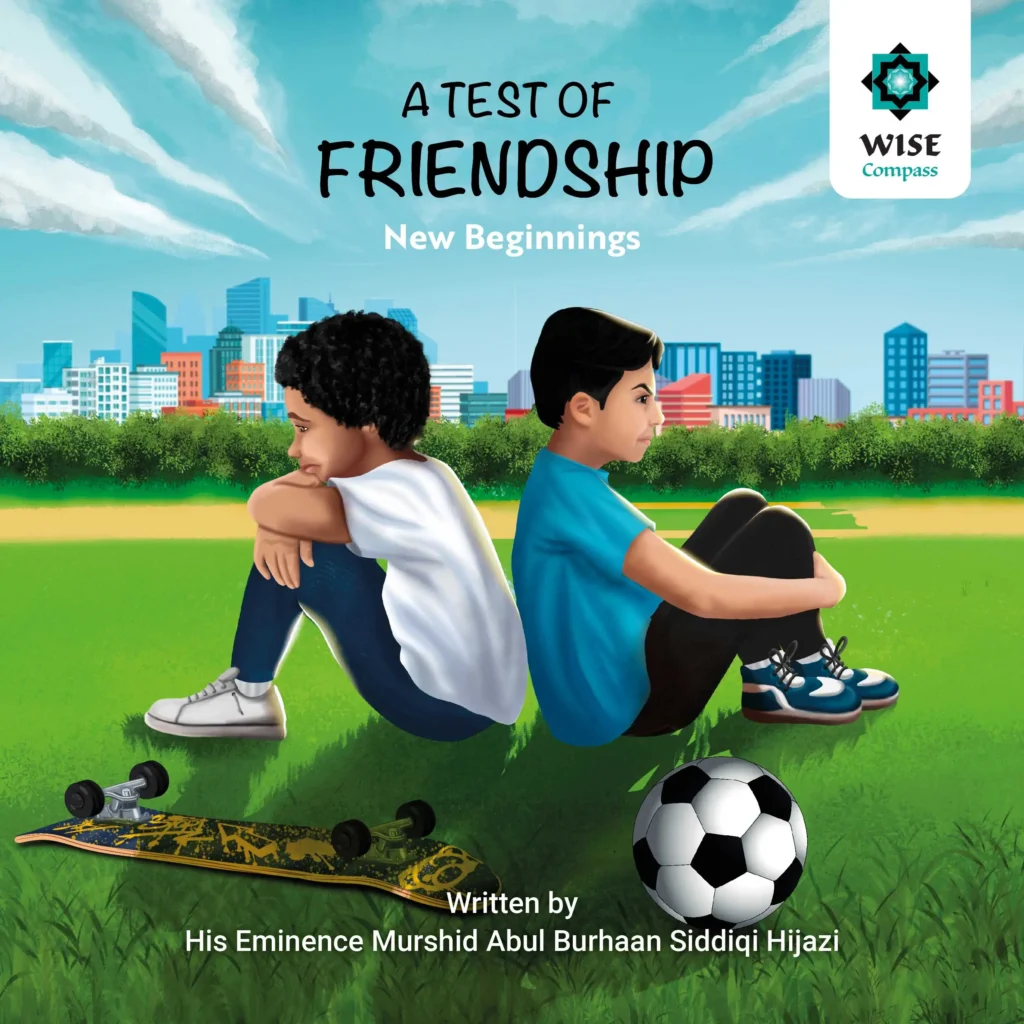
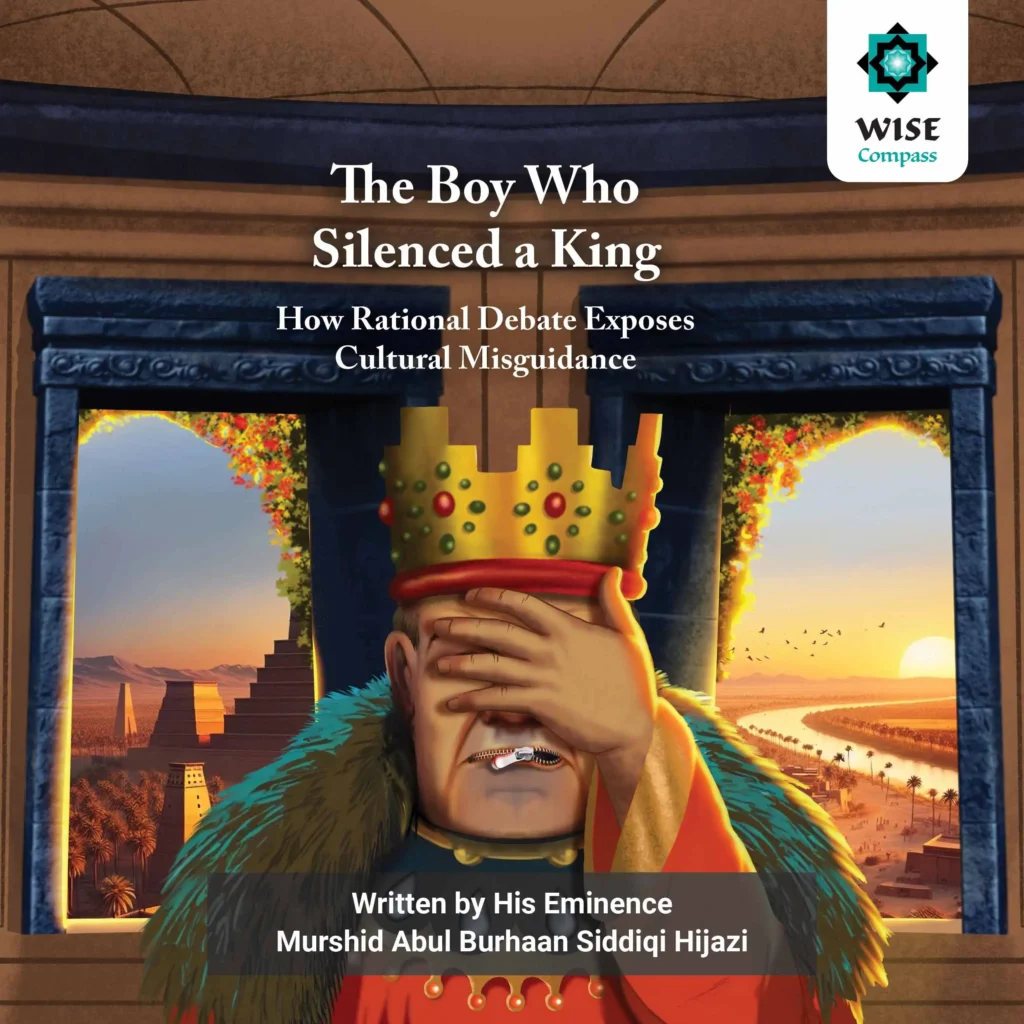
Stories allow children to experience abstract ideas emotionally rather than just intellectually. Stories that teach them about honesty in the face of peer pressure like Honour Amongst Thieves, or how to be brave despite others disagreeing with you like The Boy Who Silenced a King, or how to resolve conflict between friends based on Islamic principles like A Test of Friendship can really help them experience such abstract concepts in a real and personal way.
Instead of worrying that they cannot ask big questions, a story like Ask And You Shall Be Answered helps a child understand why they should think rationally and never be afraid to question. Instead of being told that trust in Allah Almighty matters, a child who reads about Lady Haajrah (RA) or Lady Asiyah (RA) feels what that trust looks like under real pressure, which tends to create a far deeper and longer-lasting understanding than explanation alone.