

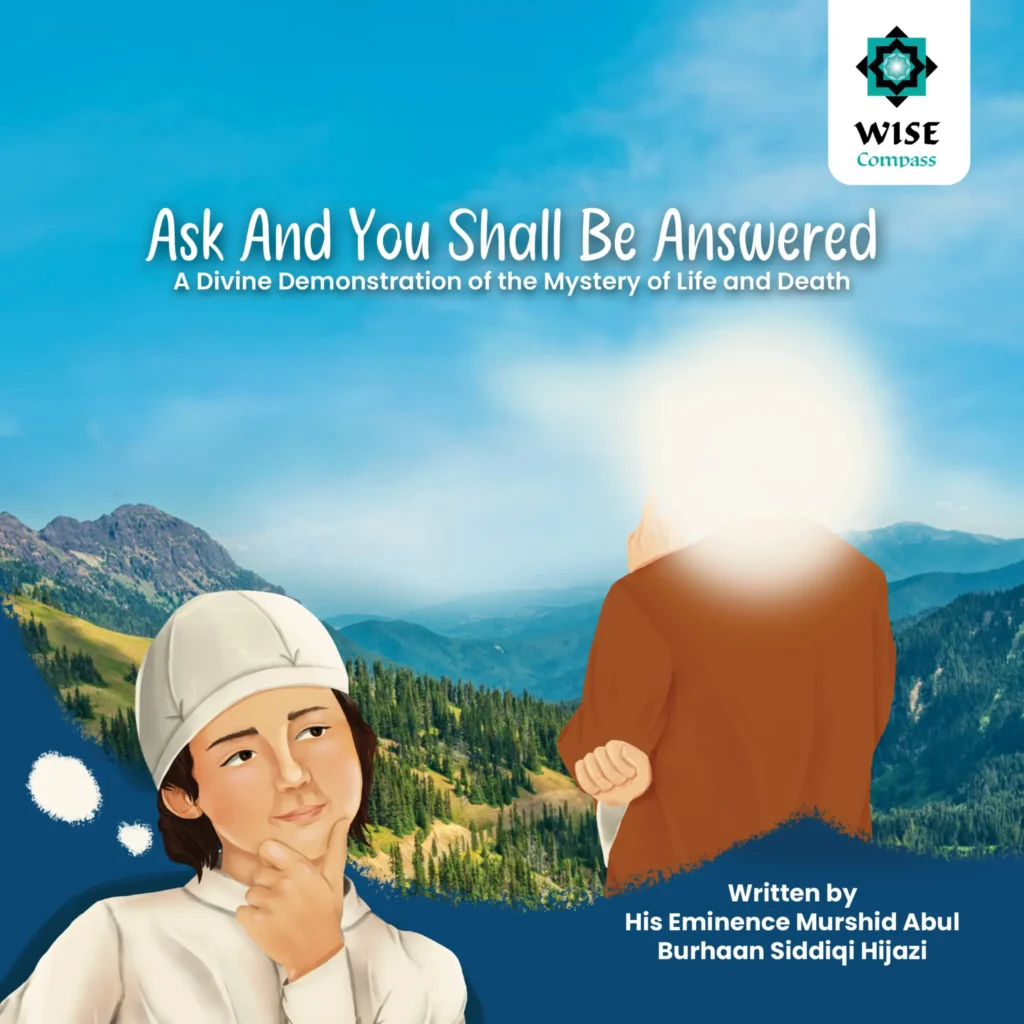
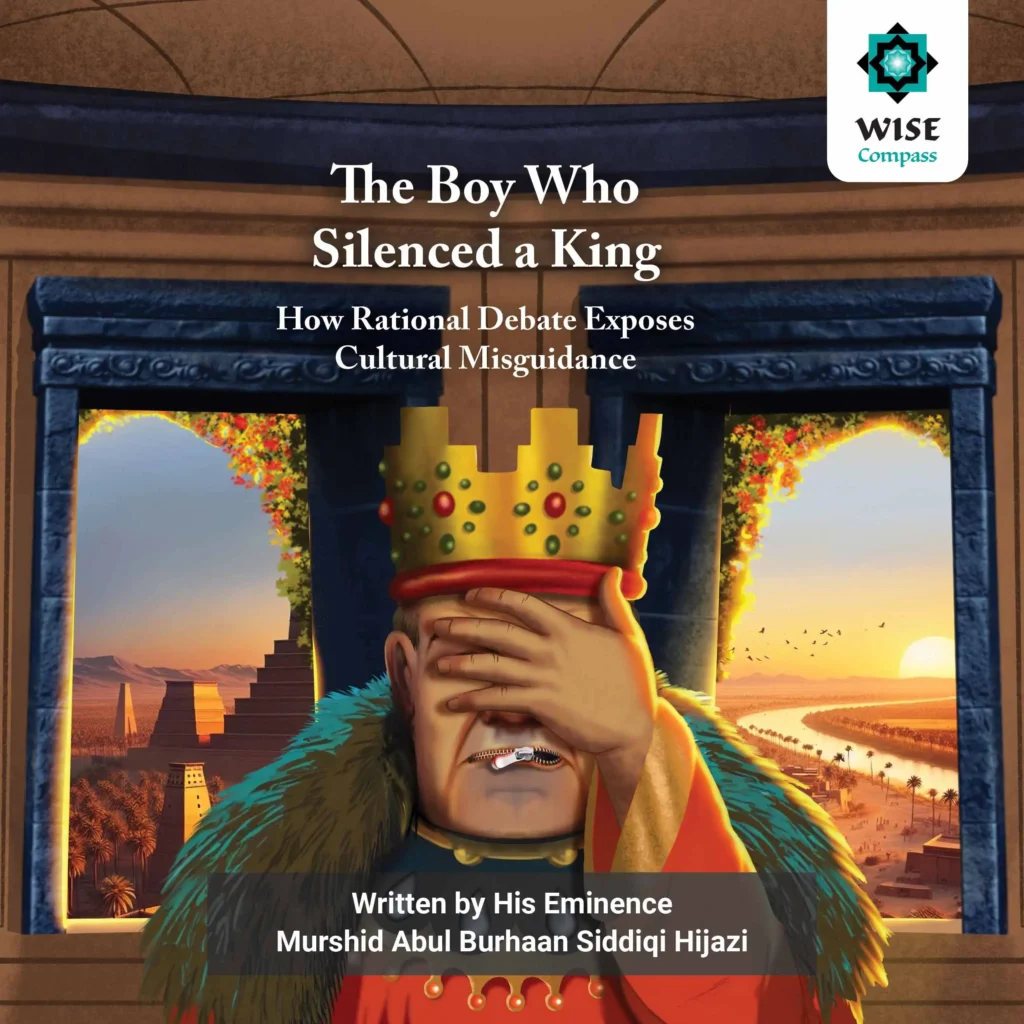
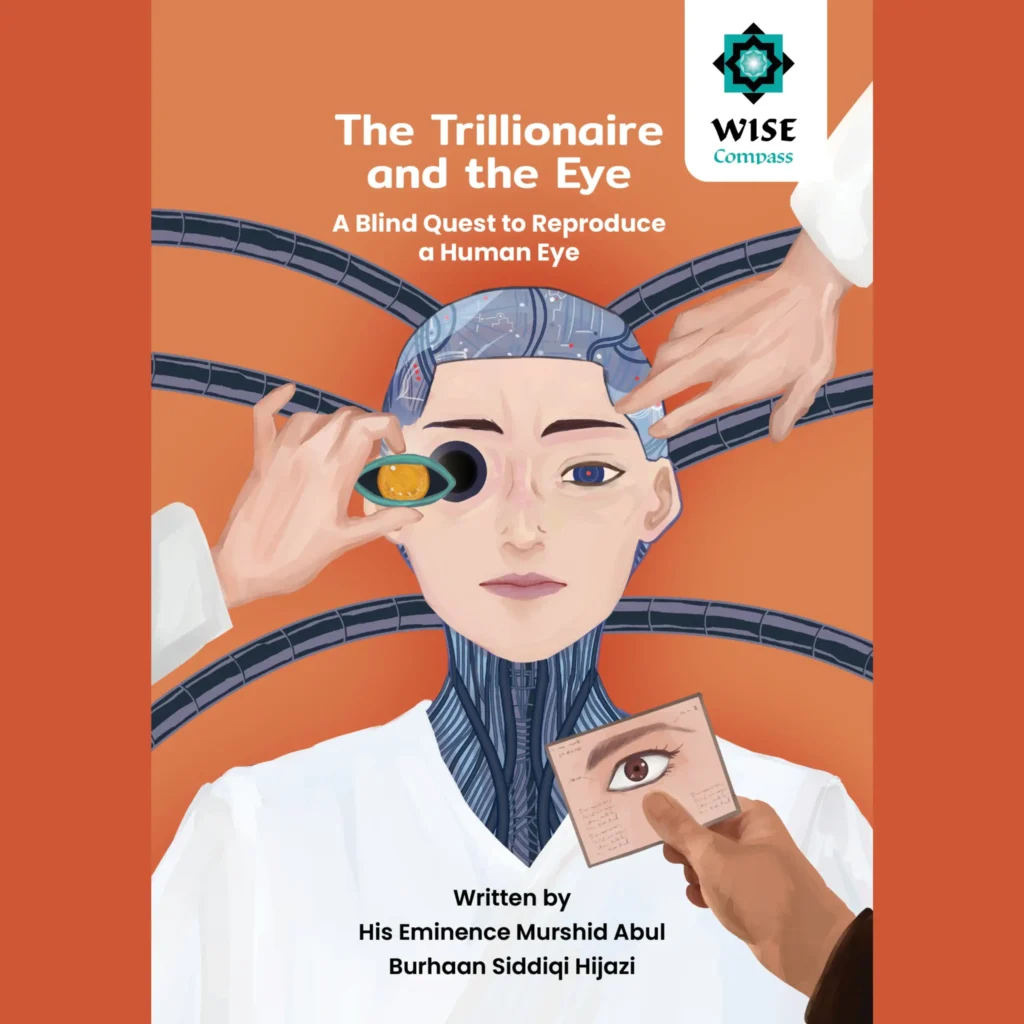

Teaching children about purpose and Islamic values starts with helping them understand that Allah Almighty created every person for a reason greater than themselves. Parents can build this understanding gradually through daily conversations, storytelling, consistent role-modelling, and connecting everyday choices back to Islamic principles.
The most effective approach combines simple, age-appropriate explanations with real stories of the Prophets and pious figures who lived with clear purpose and unwavering values. Over time, children internalise these lessons not as rules imposed on them but as a source of identity and an inner wise compass that they carry for life. Consistency, patience, and honest conversation matter far more than any single lesson or lecture.
Every parent eventually faces the big questions from their child: ‘Why am I here?’ and ‘What’s the point of all this?’, ‘Why do we have to be good?’ These moments are not disruptions or problems in the parenting journey; they are golden opportunities. How a parent answers such questions can shape whether children grow up seeing Islamic values as a burden or as the very compass that gives their life direction and meaning.
Before children can understand values, they need to understand purpose. Allah Almighty has created two life forms with free will: human beings and Jinn (interdimensional beings made of smokeless fire). And Allah Almighty tells us clearly why He created human beings.
Allah Almighty states in the noble Quran at Surah Al Dhaariyaat (51), Verse 56:
وَمَا خَلَقْتُ الْجِنَّ وَالْإِنسَ إِلَّا لِيَعْبُدُونِ
Wa maa khalaqtul jinna wal-insa illaa liya’budoon
I did not create Jinn and mankind except to worship Me.
For a young child, this does not need to be a heavy theological discussion. You can simply highlight the key lesson from this that it means we are here on purpose, not by accident, and Allah Almighty has a deliberate plan for each of us. Framing daily life – kindness, honesty, prayer, even chores – as part of that bigger purpose helps children see values as connected to something meaningful rather than arbitrary rules.
Children absorb values far more naturally through stories than through direct instruction. A story lets them feel the weight of a choice rather than just being told the ‘right’ answer. It also allows them to imagine themselves in a scenario, and if they have no experience of a particular aspect of a story, then they can ‘live’ through it without having to be directly exposed to it. And if they do have any personal experience of a subject or scenario shown in a story, they can relate to it and process their own experience with the benefit of hindsight and distance.
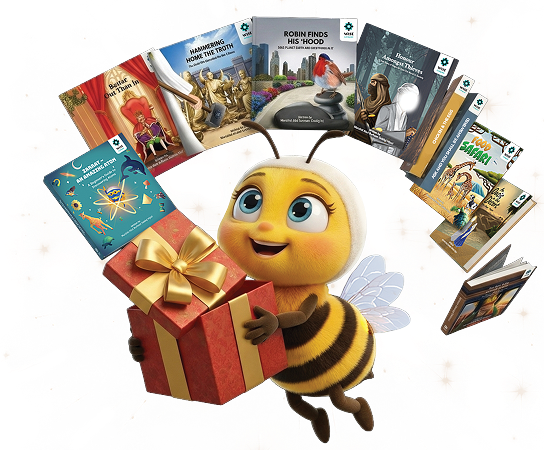
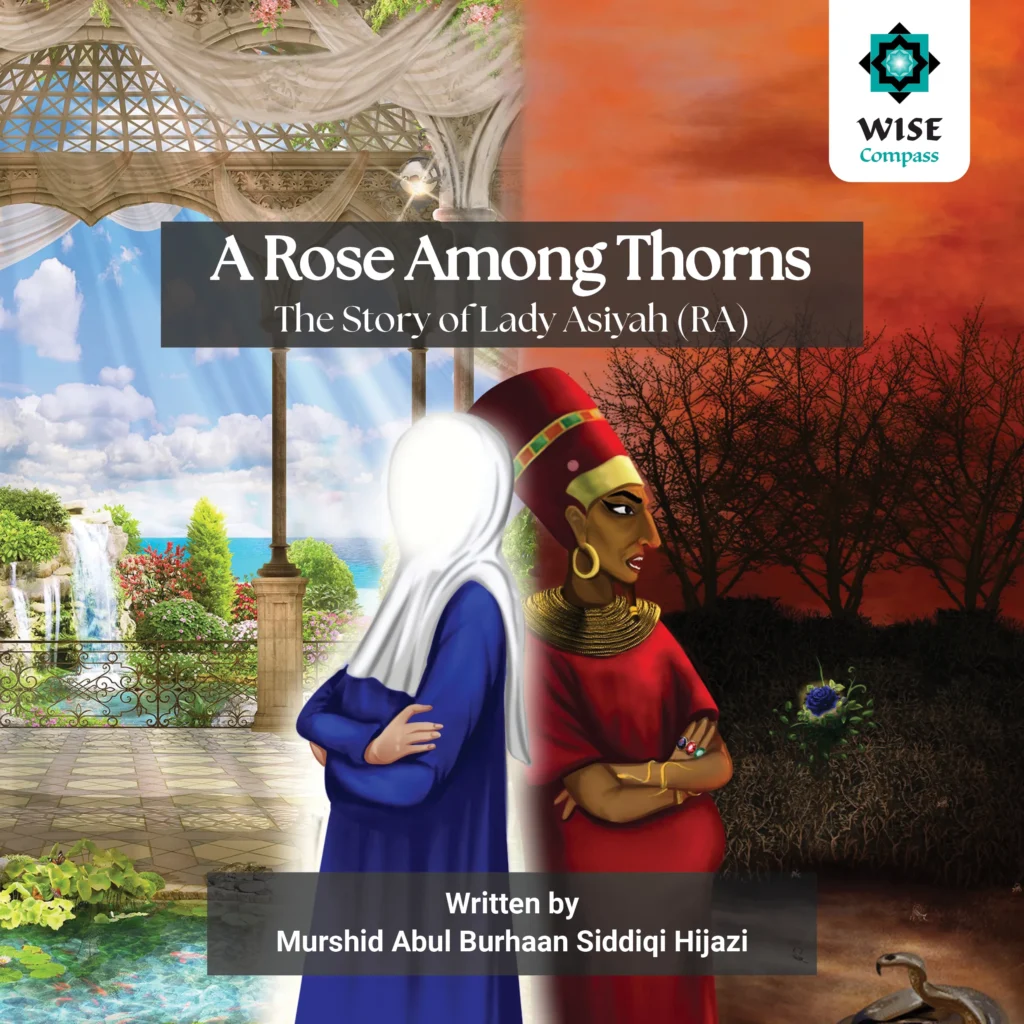
Take the story of A Rose Among Thorns, which follows Lady Asiyah (RA), a Queen married to a cruel Pharaoh, who still raised her foster son with humility and virtue despite being surrounded by corruption. Naturally, most people – let alone children – will not have had the same experience. However, any person can relate to the feelings of otherness and being challenged when you come up against the status quo or social expectations. As part of the Prophetic series on Prophet Musa (AS), it is a story that shows children the real-life, relatable examples of pious people from our own Islamic history. And, as a story, it is a powerful way to show children that your environment does not define your values; your choices do.
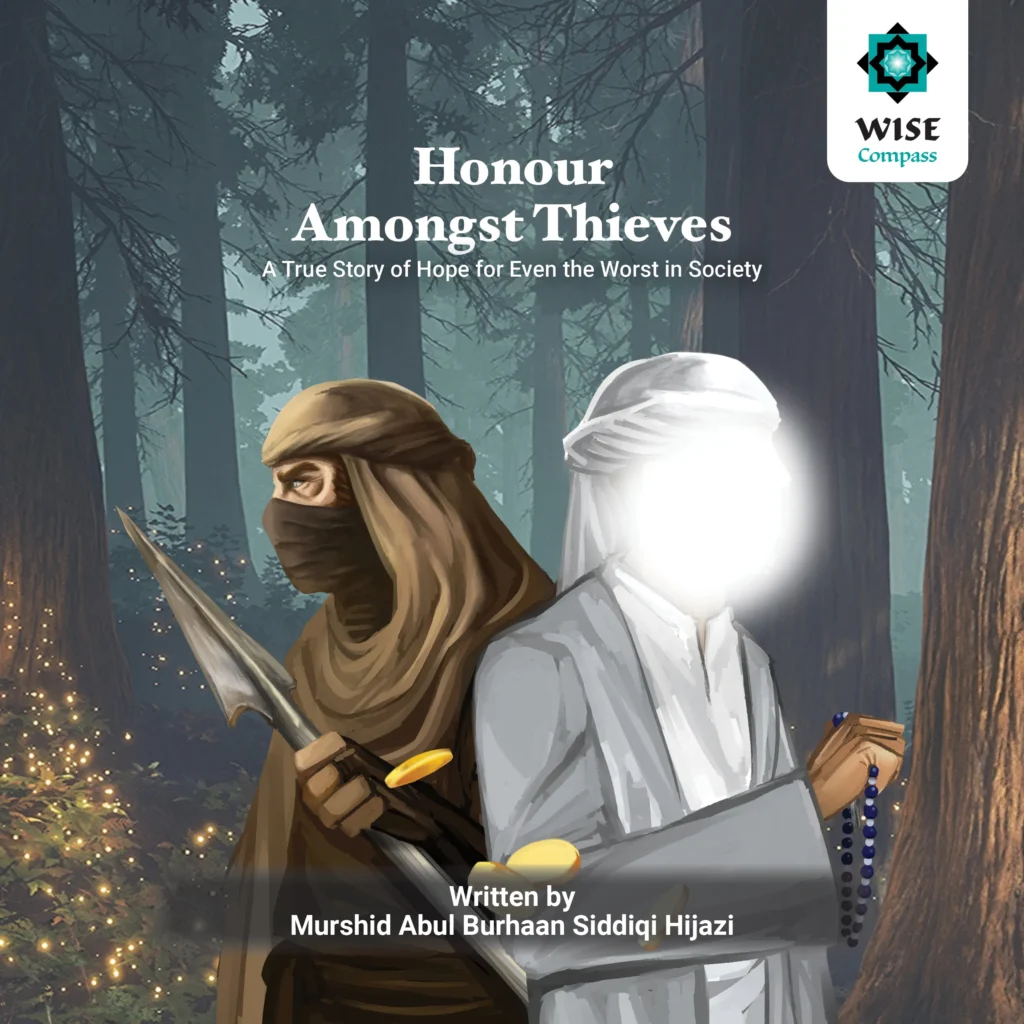
Similarly, Honour Amongst Thieves tells the true story of a young man surrounded by 60 threatening thieves, who chooses honesty over self-protection because of a promise he made to his mother. This story gives children a vivid, memorable example of what it looks like to hold onto your values even when the circumstances are hard – and how honesty can transform even the worst situation into the best outcome.
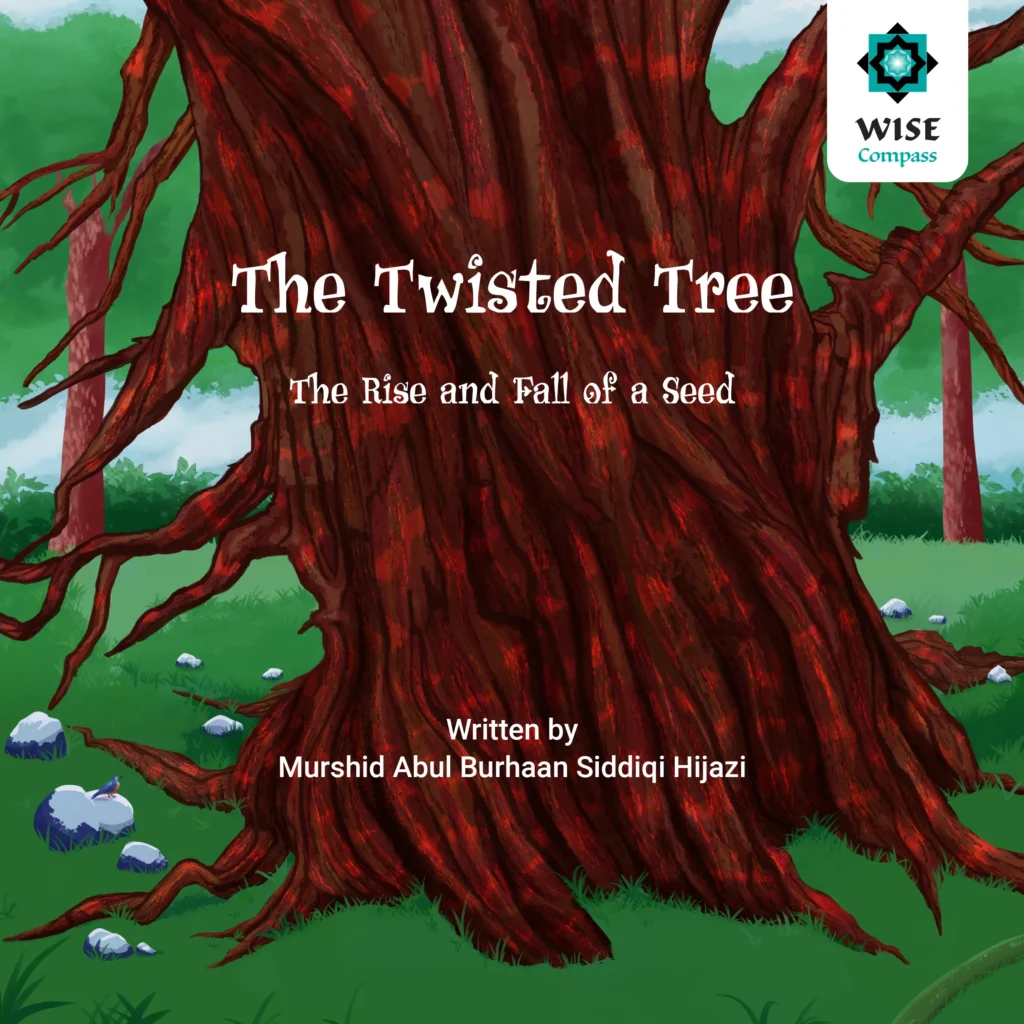
For children ready to reflect on where true greatness comes from, The Twisted Tree offers a gentle but striking lesson: a tree that grows arrogant with its own strength forgets that everything it boasts of as its own abilities and qualities are actually blessings granted by Allah Almighty, and reflect His Greatness rather than the tree’s. It is an excellent conversation-starter about humility and where real purpose is rooted.
Children process big ideas differently at different ages, so the explanation should match their level of understanding.
For younger children (ages 4-7 years), you can explain it in this way:
‘Allah Almighty made you special on purpose. He made you and knows what your best effort looks like. He wants us all to be kind, honest, and helpful, because that makes Him happy with us. You should think about how you can be the best version of yourself to make Allah Almighty happy.’
For older children, you can build on this with more nuance.
Discuss behaviour and actions by asking them questions about what they do, why they do it, what they think and how they feel. Speak to them about Niyyah (intention), accountability, and the idea that purpose is not a one-time action or single achievement but a way of living every single day.
One of the most transformative Islamic concepts for children to grasp early is that Allah Almighty judges actions by intention, not just outcome.
It is recorded in Sahih Bukhari, Hadith 1, that holy Prophet Muhammad ﷺ said:
‘Actions are but by intentions, and every person will have what they intended.’
This teaches children that even small, everyday actions – sharing a toy, telling the truth, helping a sibling – are significant when they are done sincerely for the sake of Allah Almighty. It shifts the focus away from ‘being good to avoid trouble’ and toward ‘being good because it pleases Allah Almighty and matters to who I am becoming.’
Children learn far more from what they observe than what they are told. If honesty, patience, and gratitude are visibly part of your own daily life – including how you handle mistakes – your child absorbs these as normal, expected behaviour rather than performance for special occasions.
Narrate your own decision-making out loud sometimes: ‘I was going to say I couldn’t make it, but that wouldn’t be true, so I told them honestly I was just tired.’ These small windows into your thinking teach values far more effectively than formal lessons.
Rather than saying ‘Don’t lie’, help your child see honesty as part of who they are: ‘You are someone who tells the truth, even when it feels hard.’ This reframing helps values become internalised as identity rather than external rules, which tends to make children far more resilient as people, especially as they grow older and face peer pressure.
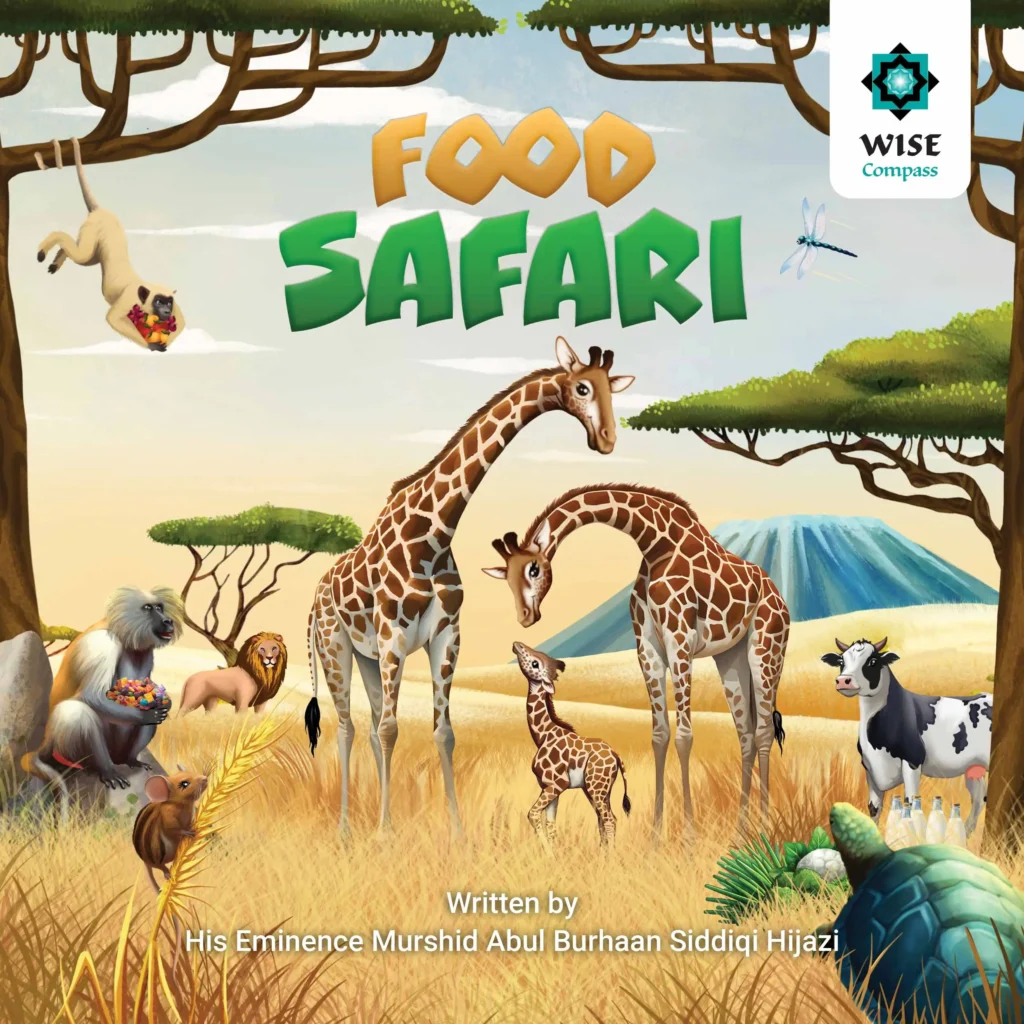
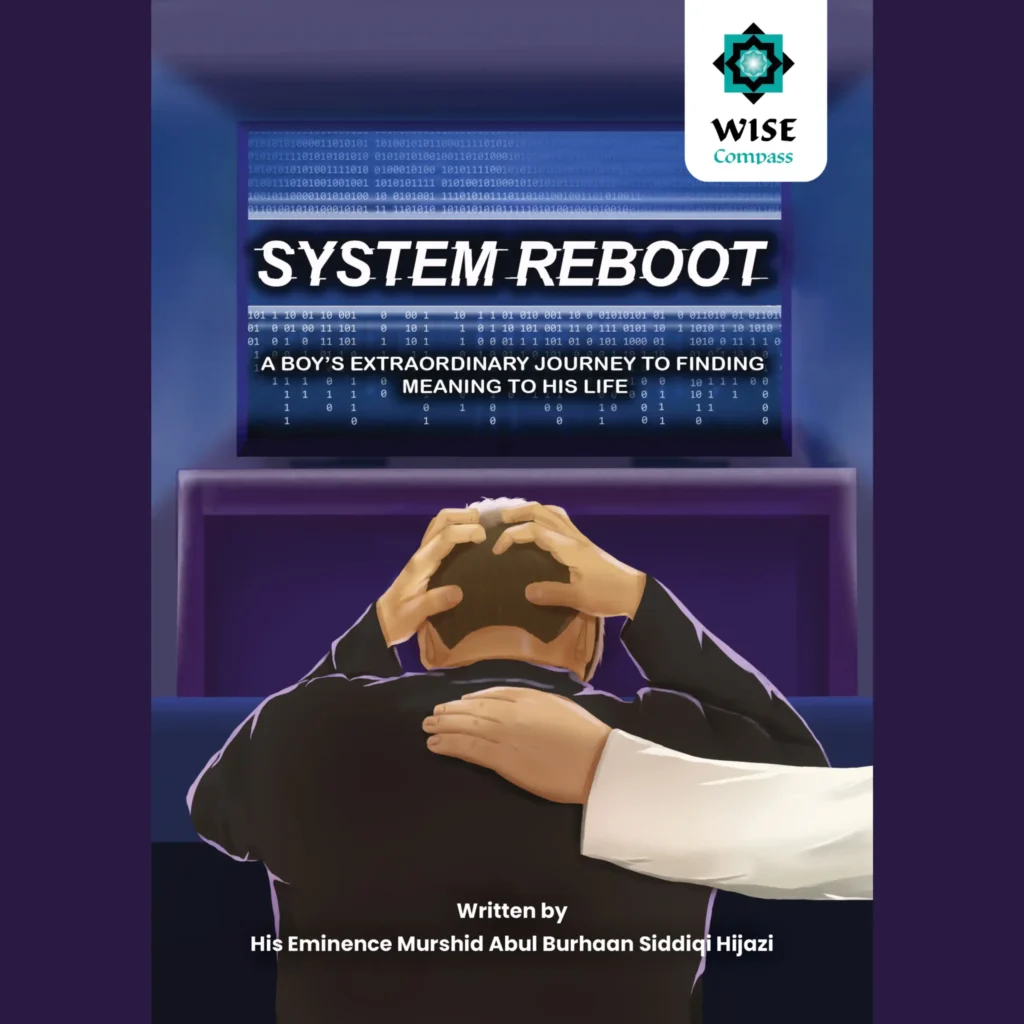
For children ready for more layered stories with this identity-forming approach, our Young Explorers collection offers inspirational stories and books for young readers aged 7 and above that dig deeper into character and purpose.
Purpose and values are not the subject of a one-time talk – they are part of an ongoing conversation that evolves as your child grows. Revisit these themes during car rides, at bedtime, or after a difficult day at school. Ask open-ended questions and listen to their answers rather than always providing the answer yourself. By asking questions like ‘What do you think Allah Almighty wants from us today?’ and hearing them out, you encourage your child to take the lead and you show them that you care about their opinions and support them in their journey of development. This approach makes development and thinking about purpose and values a natural result; it takes their thinking from ideas of ‘Should I be better?’ to ‘How can I be better?’
For families with younger children just starting this journey, browsing Junior Adventurers stories for kindergartners can offer simple, engaging entry points into these conversations well before children are old enough for deeper theological discussion.
You can begin as early as ages 3-4 years, using very simple language such as ‘Allah Almighty made you on purpose, and He loves it when you are kind.’ As your child grows, you can build on this foundation with more depth, introducing concepts like intention, accountability, and the Hereafter gradually rather than all at once.
Keep explanations simple and reassuring rather than detailed. You might say that Allah Almighty always has a plan, even when things feel hard, and that facing difficulties with patience is itself part of living with purpose. Avoid heavy theological discussion with very young children and avoid debate with emerging young adults; instead, focus on trust and comfort, expanding the explanation as they mature and begin to ask you more specific questions.
You can reassure children that you will always have honest and thoughtful discussions with them so they are comfortable in the knowledge that advanced discussions are coming and that their Mum and Dad will always be open and understanding with them.
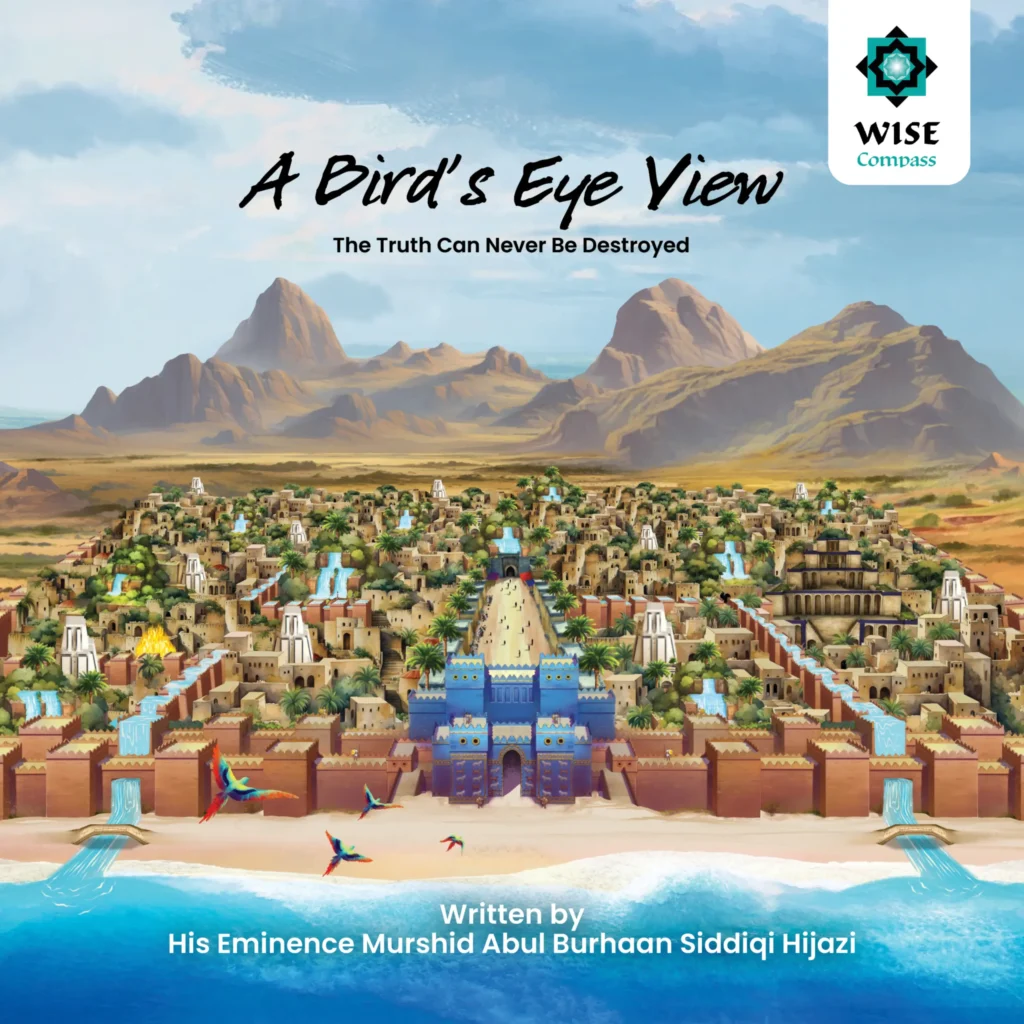
This is a natural and important question. You can explain that Allah Almighty tests those He loves and that difficulties are often opportunities to grow in patience and closeness to Him. Stories from any of the Prophetic series, like An Oasis in the Desert, A Rose Among Thorns, A Bird’s Eye View or Make and Break can help make this idea tangible and inspirational. They show children real examples from among the best of humanity who remained good despite hardship and role-modelled for us all how to understand, process and respond to challenges in life.
Focus on the ‘why’ behind each value rather than just the ‘what’. Instead of saying ‘Don’t lie because it’s wrong’, explain how honesty builds trust, protects relationships, and pleases Allah Almighty. Connecting values to identity (reminding them ‘You’re someone who is honest’, ‘You’re someone who is kind’) rather than emphasising and instructing behaviour alone also helps children feel ownership over their character rather than learning blind compliance with rules.
Well-crafted Islamic stories for kids do far more than entertain – they let children witness moral choices being made by relatable characters, which helps abstract values become concrete and memorable. Stories rooted in authentic Islamic sources, like those referencing the noble Quran or Hadith, also give children early familiarity with where these values actually come from and ground their Islamic identity and character development.
As a contemporary parent, you should also understand that Wise Compass provides your children with a unique ‘edutainment’ blend, giving your child meaningful Islamic education through the mechanism of positive, wholesome entertainment. With us, you can give your child a positive outlet for entertainment in the traditional printed format as well as the modern digital formats they are familiar with and experience increasingly in their personal, educational and later professional arenas.
Purpose and values need ongoing, evolving conversation rather than a single lesson. Revisit themes regularly, and adjust the depth of discussion according to your child’s age, emotional maturity and understanding capacity. Use everyday moments – mistakes, achievements, and disappointments – as natural opportunities to reconnect actions to Islamic principles. Consistency and regularity will be your biggest tools to ensure that your child stays in touch with their roots and their continuous development.
Values are the individual principles – such as honesty, kindness, and patience – while purpose is the bigger ‘why’ that gives those values meaning. Teaching purpose first, that we are created intentionally by Allah Almighty with our own special purpose and relationship with Him, gives children a framework that makes individual values feel connected and worthwhile. Building on that with layered teaching about individual principles and values and positive character traits makes the learning personal and bespoke to your child, rather than making it feel like a disconnected list of Dos and Don’ts.