








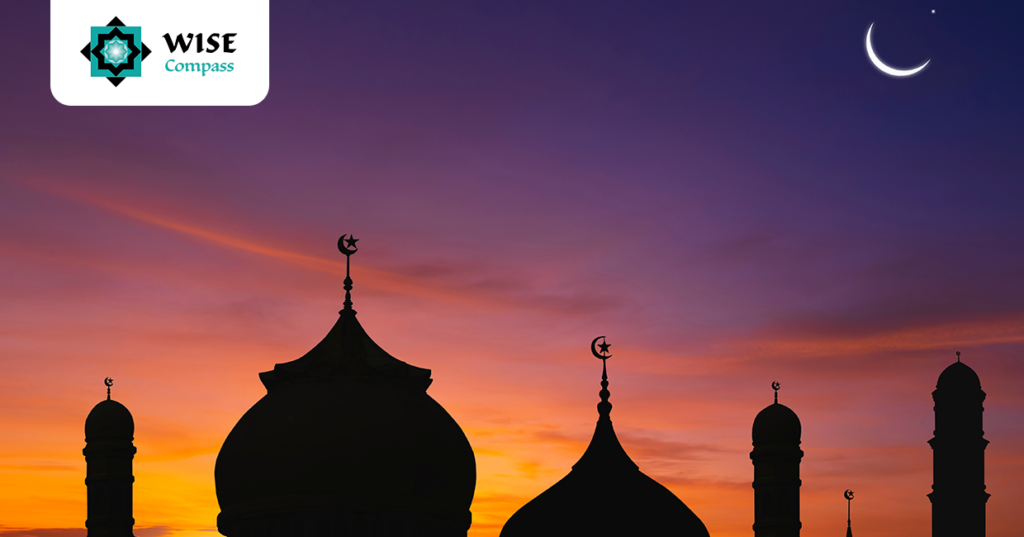
Taraweeh Salah is the special 20 Rakat night prayer offered during Ramadan, after Isha Salah. For this voluntary prayer, Muslims pray in congregation, listen to the noble Quran being recited in prayer and seek closeness to Allah Almighty. As Taraweeh Salah draws to a close each night, worshippers leave not only with tired bodies, but with hearts that have been lifted and renewed.
The reward of this special prayer is deeply connected to three powerful elements that come together in a way found in few other acts of worship:
Each of these carries its own virtue and spiritual blessings, and when combined, they create a precious time of immense spiritual value.
Prayer in congregation holds a special place in Islam. It has been mentioned that a person who prays in congregation receives 27 times more reward than one who prays alone. Standing shoulder to shoulder, sharing the same movements and recitation, builds a sense of unity and reminds each person that worship is both a personal journey and a shared experience within the wider community.
The night itself adds another layer of meaning. Holy Prophet Muhammad ﷺ praised the act of praying when most of the world is asleep. The stillness of the night creates a space where the heart can turn more fully toward Allah Almighty, free from the distractions of the day. It has been narrated that supplications made in the middle of the night are especially accepted by Allah Almighty, making these hours a time of deep hope, reflection, and sincere calling out to Allah Almighty.
Taraweeh brings the first two virtues together within the unique atmosphere of Ramadan, a month already filled with mercy, forgiveness, and spiritual opportunity. Ramadan is known as one of the most sacred months in the Islamic calendar and fasting in Ramadan is one of the 5 Pillars of Islam. Every act of goodness is amplified in reward and impact in this blessed month; and Taraweeh Salah is among one of its treasures.
Holy Prophet Muhammad ﷺ specifically highlighted the reward for those who remain with the congregation until the prayer is complete. The following Hadith narration highlights just how generous the reward can be. It is reported in Jami Tirmidhi, Hadith 806, that holy Prophet Muhammad ﷺ said:
إِنَّهُ مَنْ قَامَ مَعَ الإِمَامِ حَتَّى يَنْصَرِفَ كُتِبَ لَهُ قِيَامُ لَيْلَةٍ
“Indeed, (the person) who stands with the Imam (Congregational prayer leader) until he finishes, the reward of standing for the entire night is written for him (that person).”
This Hadith offers encouragement to remain present from the beginning of the prayer to its end, reminding worshippers that even a few hours spent sincerely in prayer can carry the reward of an entire night of devotion.
Another Hadith speaks to the deeper purpose behind Taraweeh, which is not only physical effort, but faith and intention. It is reported in Sahih Muslim, Hadith 759, that holy Prophet Muhammad ﷺ said:
مَنْ قَامَ رَمَضَانَ إِيمَانًا وَاحْتِسَابًا غُفِرَ لَهُ مَا تَقَدَّمَ مِنْ ذَنْبِهِ
“Whoever stands in Ramadan with faith and seeking reward, his past sins are forgiven.”
These words gently guide the heart toward sincerity. The value of Taraweeh Salah is not measured only by how long a person stands or how many Rakats are completed, but by the intention carried in each movement and each verse recited.
In this way, Taraweeh becomes more than a nightly routine of ritual actions. It becomes a doorway to forgiveness, a chance to reconnect with Allah Almighty, and a reminder that even in the quiet hours of the night, every sincere effort is seen, valued, and rewarded. As worshippers step away from the prayer mat and return to their homes, they carry with them not just the memory of standing in prayer, but the hope of mercy, renewal, and lasting spiritual growth that extends far beyond the month of Ramadan.
Taraweeh Salah holds a unique place in the life of a Muslim because it can only be prayed during the month of Ramadan. This alone gives it a special weight and beauty. It is a reminder that not every spiritual opportunity is always open in the same way. Some moments are gifted to us for a short time, inviting us to step into them fully before they gently pass.
For a complete step-by-step guide on how to pray Taraweeh, including practical tips for families and beginners, read our detailed article: Taraweeh Prayer: A Complete Step-by-Step Guide for Ramadan.
Ramadan arrives like a reset to the rhythm of everyday life. The days may still be filled with work, study, and responsibilities, but the nights take on a different character. The world becomes quieter, the pace slows, and hearts are drawn toward reflection. Taraweeh fits naturally into this space, offering a chance to stand, listen, and reconnect in a way that feels both personal and deeply communal.
Because Taraweeh is limited to this one month, it often carries a sense of intention with it. Each night feels meaningful, as if it is part of a larger journey that unfolds across the weeks of Ramadan. The recitation of the noble Quran, the familiar movements of prayer, and the shared presence of others all work together to create an atmosphere that gently encourages change from within.
For many, this becomes a time to step back and look honestly at their habits, their priorities, and their relationship with Allah Almighty. Taraweeh does not demand perfection; instead, it offers consistency. Night after night, standing in prayer becomes a quiet reminder that growth often comes through small, repeated efforts rather than sudden, dramatic change.
This month-only prayer can also serve as a spiritual reset for the year ahead. The patience learned through long nights, the focus gained through listening to the noble Quran, and the calm found in moments of stillness can begin to shape how a person approaches life beyond Ramadan. What starts on the prayer mat can slowly carry into daily interactions, decisions, and personal goals.
Taraweeh, in this sense, is more than a ritual tied to a calendar. It is an invitation to pause, realign, and begin again. Each Ramadan opens this door once more, offering a fresh opportunity to let go of what weighs the heart down and to move forward with renewed faith, purpose, and hope. Even when the month comes to an end, the imprint of those quiet nights can remain, guiding the steps taken long after the last Taraweeh prayer has been offered.