










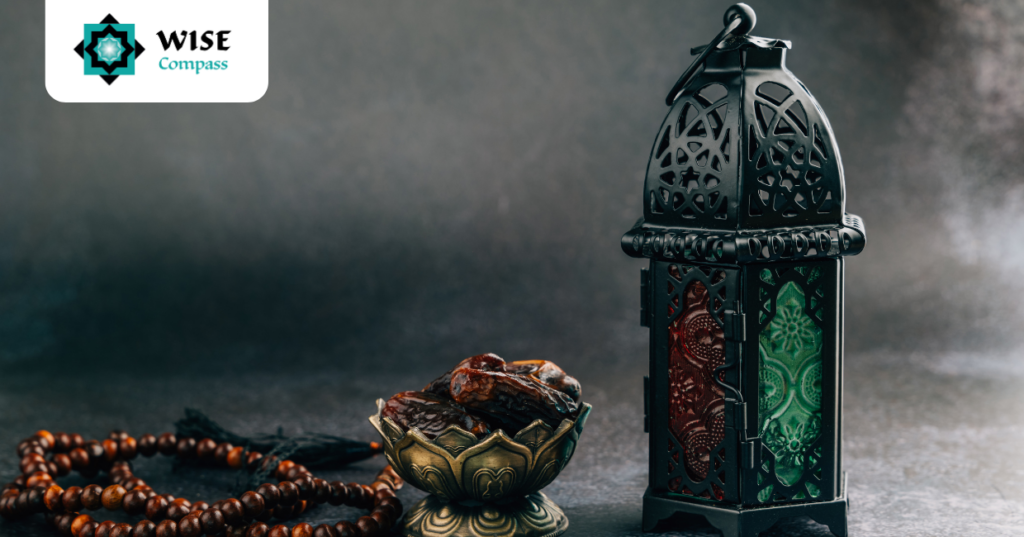
Suhoor (سُحور) is the pre-dawn meal eaten by Muslims before starting the fast during the month of Ramadan and on other voluntary fasting days. It is eaten in the early morning, before the Fajr (Dawn) prayer, and marks the final time to eat and drink before the fast begins. Suhoor cannot be eaten after Fajr time has begun. The time of beginning the fast is clearly communicated in the noble Quran, and Allah Almighty tells us at Surah Al Baqarah (2), Verse 187:
‘And eat and drink until the white thread of dawn becomes distinct to you from the black thread. Then complete the fast until the night.’
This clearly informs us that:
Holy Prophet Muhammad ﷺ has instructed and encouraged us to eat Suhoor before any fast, which indicates the spiritual value of this action. It is reported in Sahih Bukhari, Hadith 1923 that holy Prophet Muhammad ﷺ said:
تَسَحَّرُوا فَإِنَّ فِي السَّحُورِ بَرَكَةً
‘Eat Suhoor, for indeed in Suhoor there is blessing.’
There is no single, fixed Dua prescribed exclusively for Suhoor, however it is the ideal time to recite the Dua of Intention to Fast at the end of Suhoor.
It is also one of the best times to make personal supplication and ask Allah Almighty for forgiveness as it takes place in the last third of the night, which is a time when Allah Almighty’s mercy is especially near. It is reported in Sahih Muslim, Hadith 758 that holy Prophet Muhammad ﷺ said:
يَنْزِلُ رَبُّنَا تَبَارَكَ وَتَعَالَىٰ كُلَّ لَيْلَةٍ إِلَى السَّمَاءِ الدُّنْيَا
حِينَ يَبْقَىٰ ثُلُثُ اللَّيْلِ الْآخِرُ…
‘Our Sustainer descends every night to the lowest heaven when the last third of the night remains and says: “Who is calling upon Me that I may answer him…”’
Below are some Duas associated with Suhoor, with full Arabic, transliteration, translation provided.
Note: The intention should be made in the heart, and is not strictly required to be spoken aloud. However, many people recite this for clarity and teaching purposes.
نَوَيْتُ صَوْمَ غَدٍ عَنْ أَدَاءِ فَرْضِ شَهْرِ رَمَضَانَ لِلَّهِ تَعَالَى
Nawaytu sawma ghadin ‘an ada’i fardi shahri Ramadana lillahi ta‘ala
‘I intend to fulfil the obligatory fast tomorrow during the month of Ramadan, to please Allah Almighty’
نَوَيْتُ صَوْمَ غَدٍ عَنْ أَدَاءِ فَرْضِ شَهْرِ رَمَضَانَ لِلَّهِ تَعَالَى
Nawaytu sawma ghadin ‘an ada’i fardi shahri Ramadana lillahi ta‘ala
A Sunnah Dua to say while eating or after finishing Suhoor.
It is reported in Jami Tirmidhi, Hadith 3457 that holy Prophet Muhammad ﷺ said:
اللَّهُمَّ بَارِكْ لَنَا فِيمَا رَزَقْتَنَا وَقِنَا عَذَابَ النَّارِ
Allahumma barik lana fima razaqtana wa qina ‘azaaban-naar
‘O Allah Almighty, bless for us what You have provided us and protect us from the punishment of the Fire.’
It is reported in Sunan Abu Dawood, Hadith 4023 that holy Prophet Muhammad ﷺ said:
الْحَمْدُ لِلَّهِ الَّذِي أَطْعَمَنِي هَذَا، وَرَزَقَنِيهِ، مِنْ غَيْرِ حَوْلٍ مِنِّي وَلَا قُوَّةٍ
Al ḥamdu lillahi alladhi aṭ‘amani hadha wa razaqanihi min ghayri ḥawlin minni wa la quwwah
‘All praise is for Allah Almighty Who fed me this and provided it for me without any power or strength from me.’
What holy Prophet Muhammad ﷺ Ate for Suhoor
While there is no fixed menu for Suhoor, holy Prophet Muhammad ﷺ ate dates and bread, and drank water for the pre-dawn meal. The Prophetic advice for what to eat at Suhoor is the same as scientific, healthy advice: encouraging whole grains, protein-rich foods, fruits and vegetables.
It is reported in Sunan Abu Dawood, Hadith 2345 that holy Prophet Muhammad ﷺ said:
نِعْمَ سَحُورُ الْمُؤْمِنِ التَّمْرُ
Ni‘ma sahooru al mu’mini at tamr.
‘The best Suhoor for a believer is dates.’
It is reported in Musnad Ahmad, Hadith 15676 that holy Prophet Muhammad ﷺ said:
نِعْمَ سَحُورُ الْمُؤْمِنِ التَّمْرُ وَالْخُبْزُ
Ni‘ma sahooru al-mu’mini at tamru wal khubz.
‘The best Suhoor for a believer is dates and bread.’
Although waking up before dawn to eat may feel challenging, science shows that Suhoor helps the body fast in a healthier and more balanced way.
Eating a pre-dawn meal helps maintain stable energy levels throughout the day. By providing slow-release fuel, Suhoor supports the body’s ability to shift into using stored fat for energy, which can support healthy weight management and reduce the risk of extreme hunger and overeating at Iftar.
Fasting is also linked to the release of human growth hormone, which plays a role in fat metabolism and muscle repair. Having some protein at Suhoor helps protect muscle tissue and supports the body’s natural recovery processes during the fast.
In terms of blood sugar control, Suhoor helps keep glucose levels steadier and supports improved insulin sensitivity, which is important for long-term metabolic health.
Suhoor also benefits the brain and focus. A balanced pre-dawn meal helps reduce fatigue, irritability, and “brain fog,” making it easier to stay attentive at work, school, and during acts of worship.
Hydration at Suhoor is especially important, as drinking water and eating water-rich foods helps reduce headaches, dizziness, and dehydration during the day.
Finally, fasting activates natural cell-repair processes linked to healthy ageing, and Suhoor helps ensure the body has the nutrients it needs to support this renewal safely and effectively.
In simple terms, Suhoor doesn’t weaken a fast – it helps make it smarter, steadier, and more sustainable for both body and mind.
Overall, Suhoor does not reduce the benefits of fasting. Instead, it helps the body fast in a way that is more stable, sustainable, and supportive of long-term health.