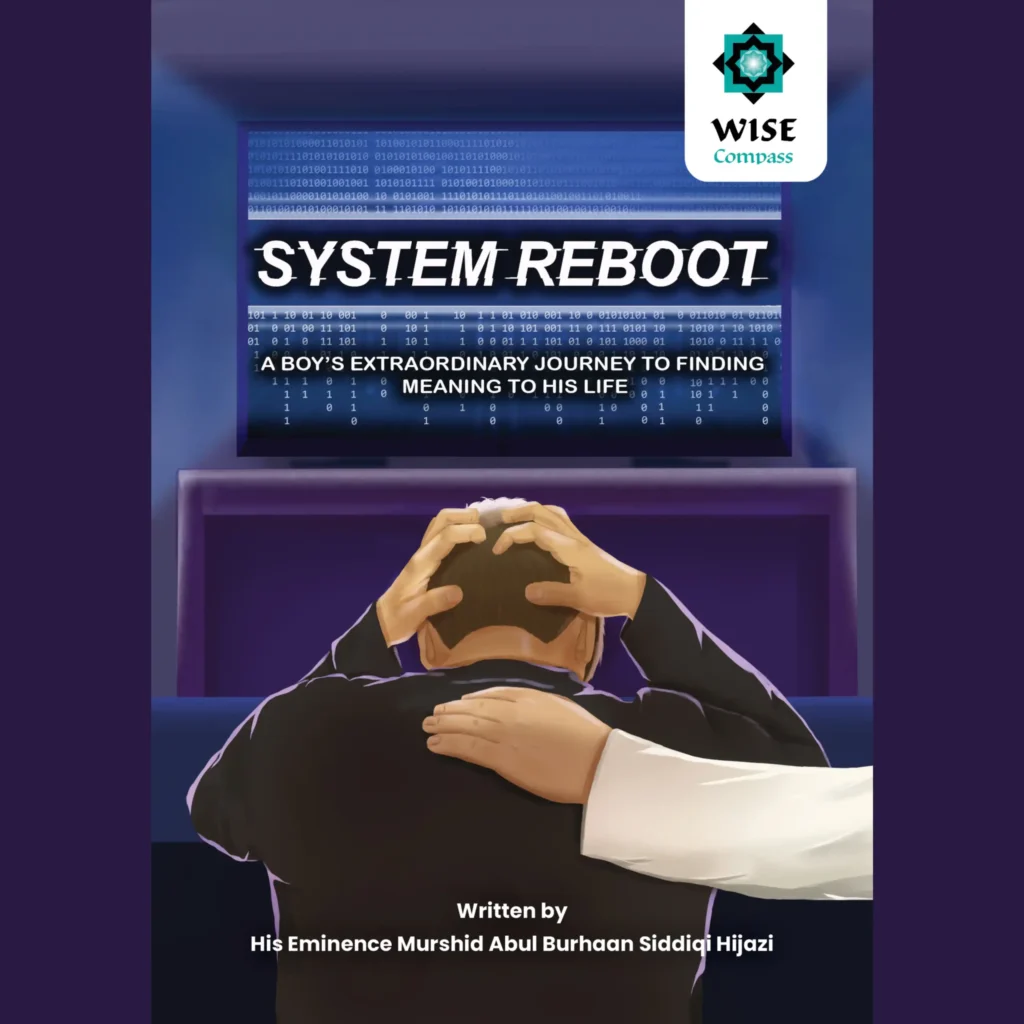

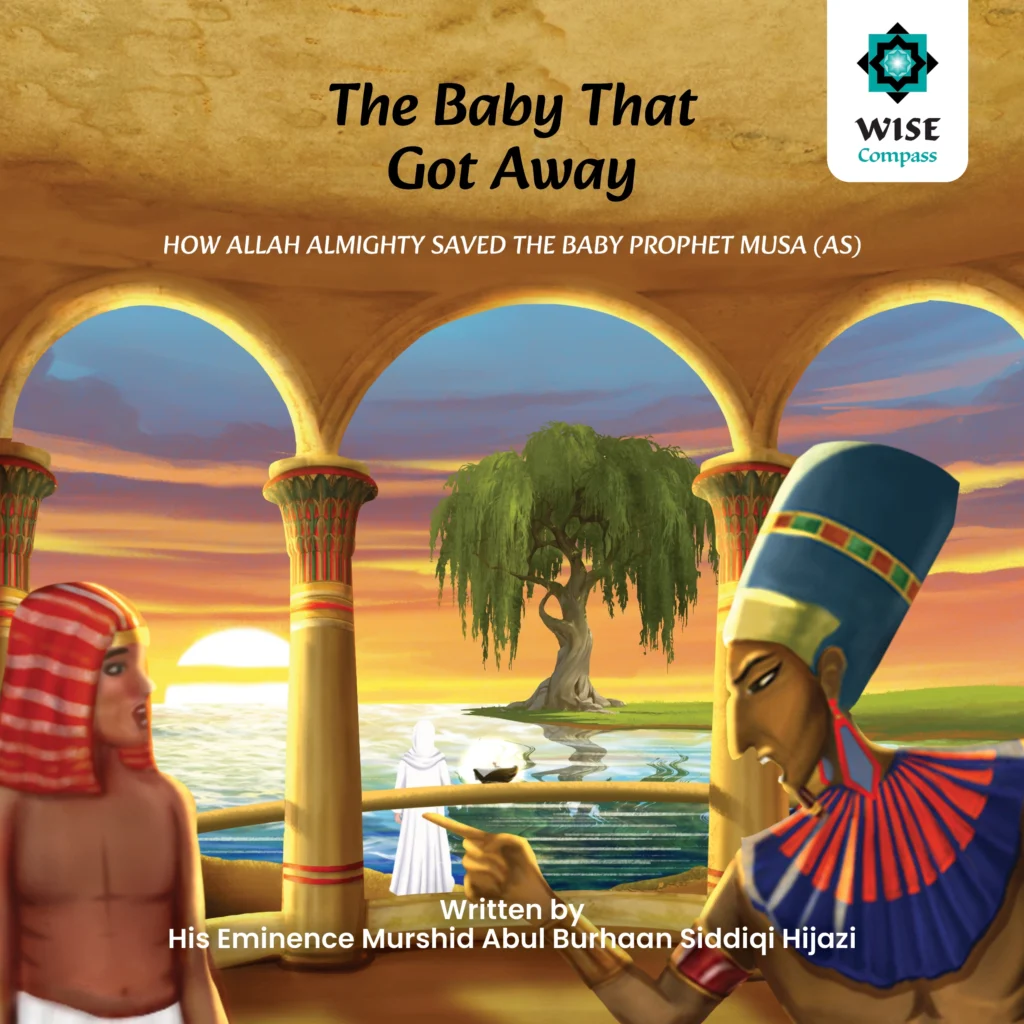
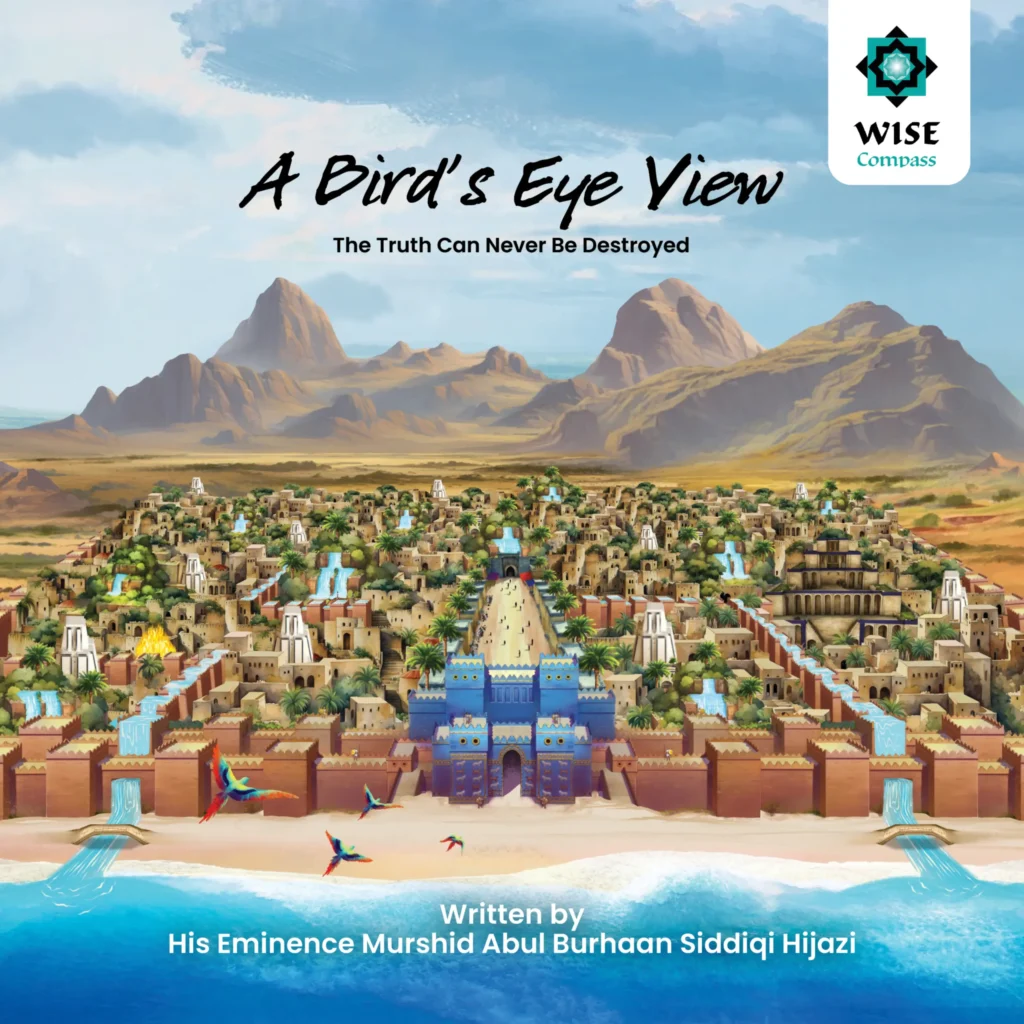


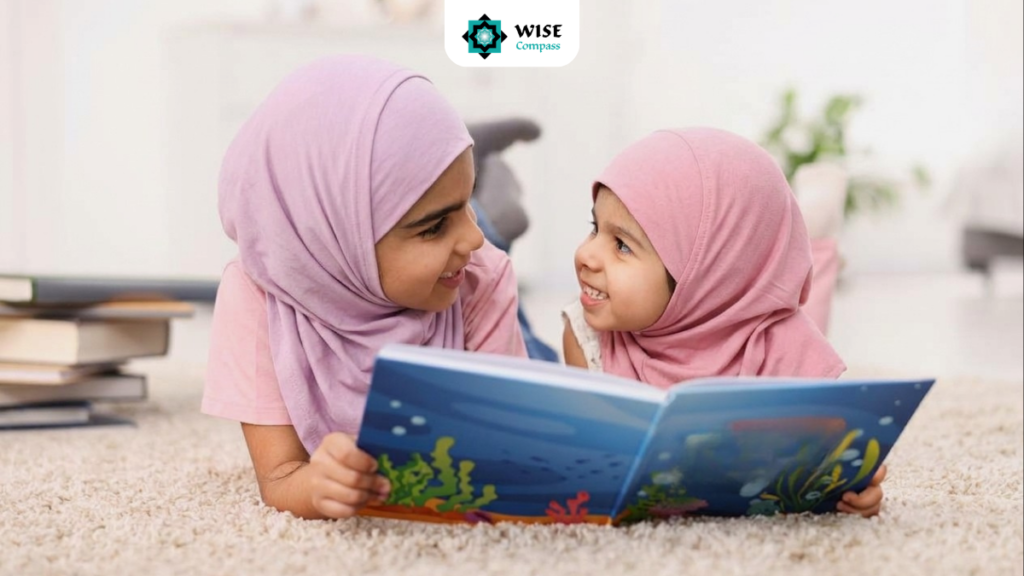
A child’s favourite story is rarely a random choice. It usually points to what excites them, what they are curious about and which feelings they are working through. A child who loves stories about light or animals may be a budding scientist or nature lover, while one who keeps returning to a story about friendship or anger may be making sense of a big feeling. When your child asks for the same book night after night, they are drawn to more than just the plot. They are imagining themselves in the adventure and rehearsing an emotion in a safe space. Their favourite stories tell you something about who they are and who they are becoming.
Parents can read these clues as a genuine window into their child’s inner world, noticing what lights them up, which character they root for or which moments make them go quiet and reflective. By paying attention, parents can learn exactly which interests and abilities to nurture at home and which questions to ask to help children open up about their worries and feelings. Done well, story time becomes a way to understand your child’s hopes, dreams, fears and emotional needs.
Regardless of their age, when reading your child’s favourite stories with them, there are 3 key things you can do to help them: Observe, Talk, Connect.
Here is the breakdown of how you can do this in 9 manageable steps.
OBSERVE
Start by watching, not asking. Which part of the story makes their eyes widen? Which page do they want to linger on? Do they hum along to a rhyme in the Wise Compass songs that accompany the book, act out a specific character, or ask to pause on a particular picture? Whatever resonates from a favourite story shows you the spark behind your child’s curiosity long before they can put it into words. Their attention reflects where they are emotionally without having to force an explanation.
Children often identify with one character over another, and who they choose says a great deal about where their head and heart are.
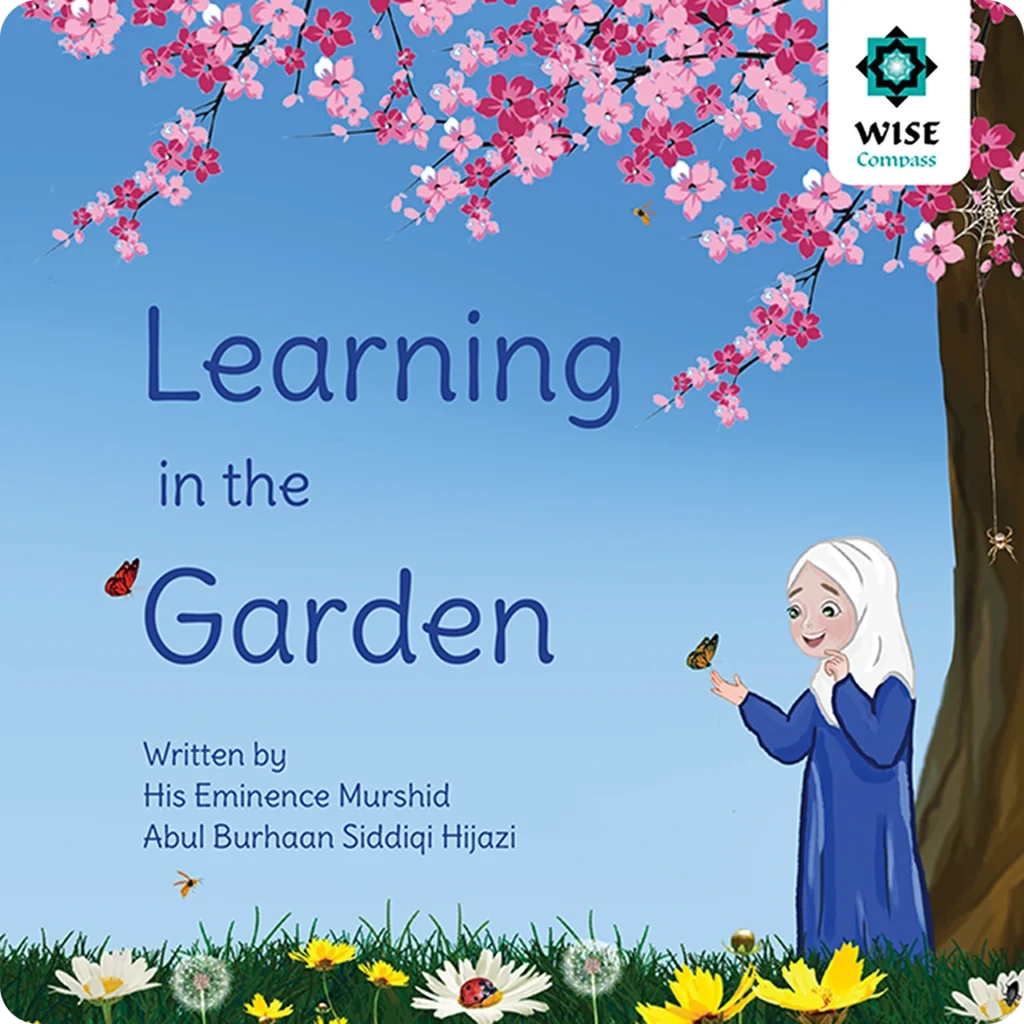
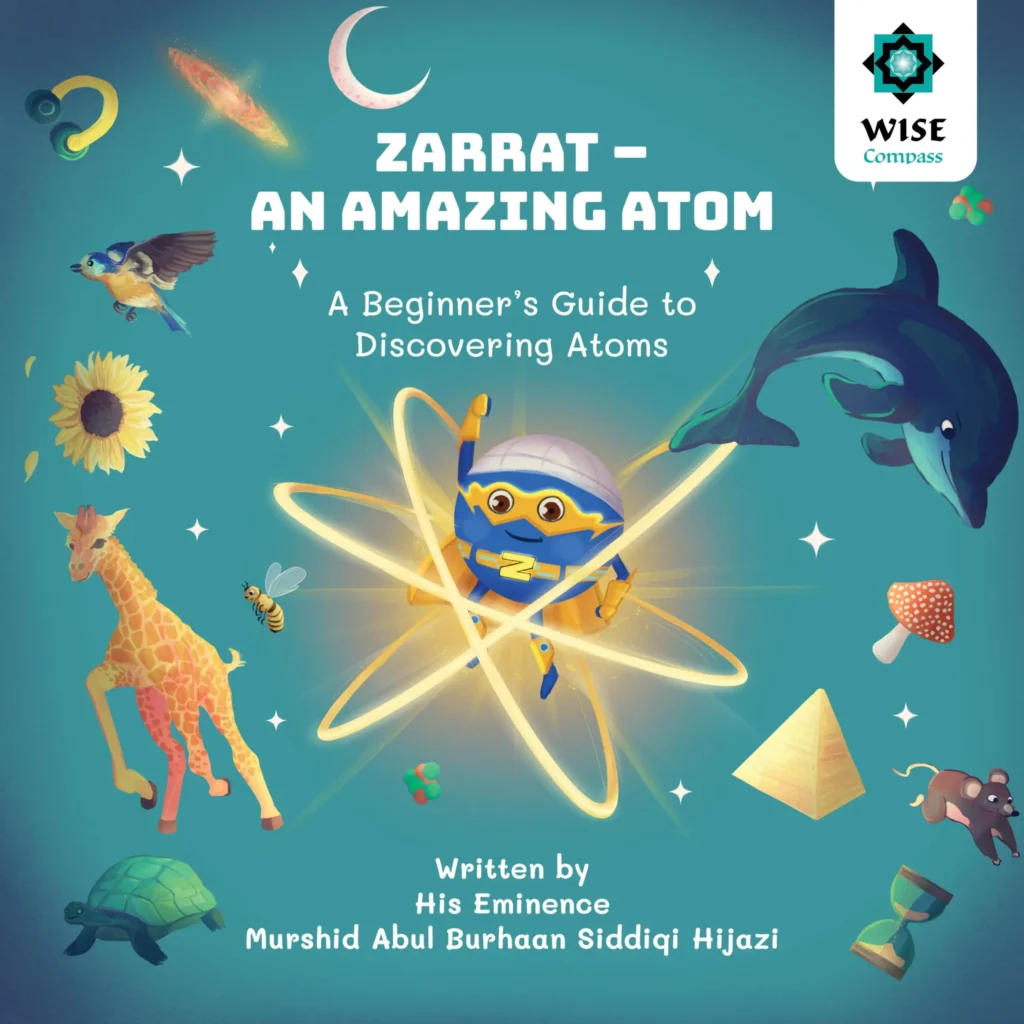
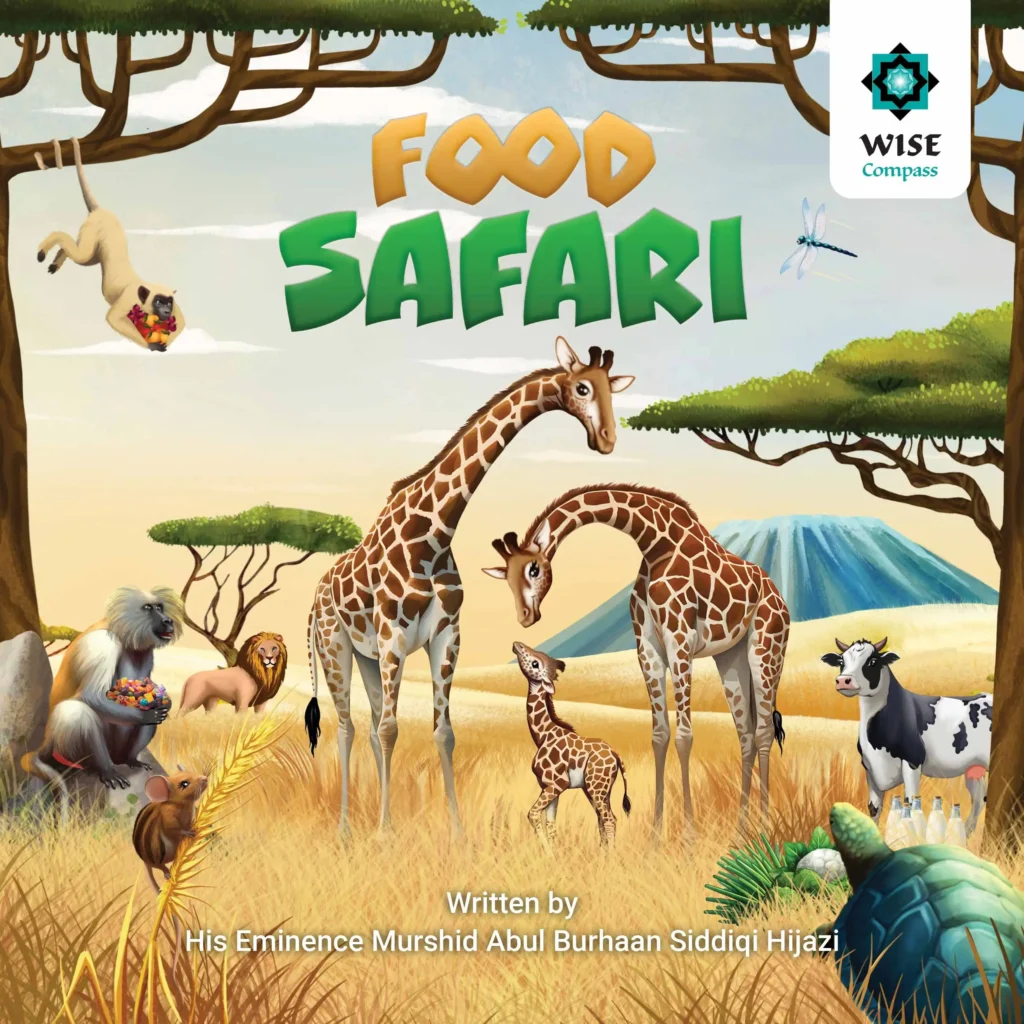
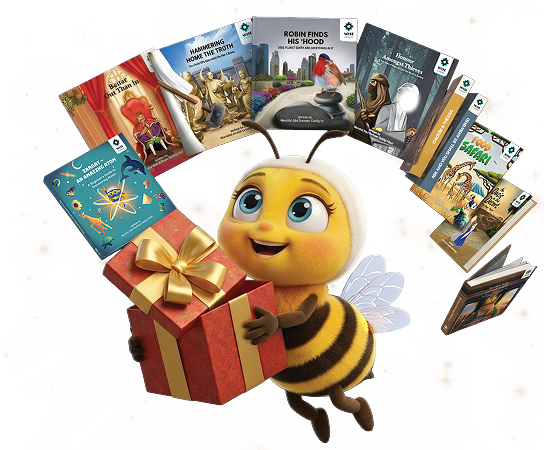
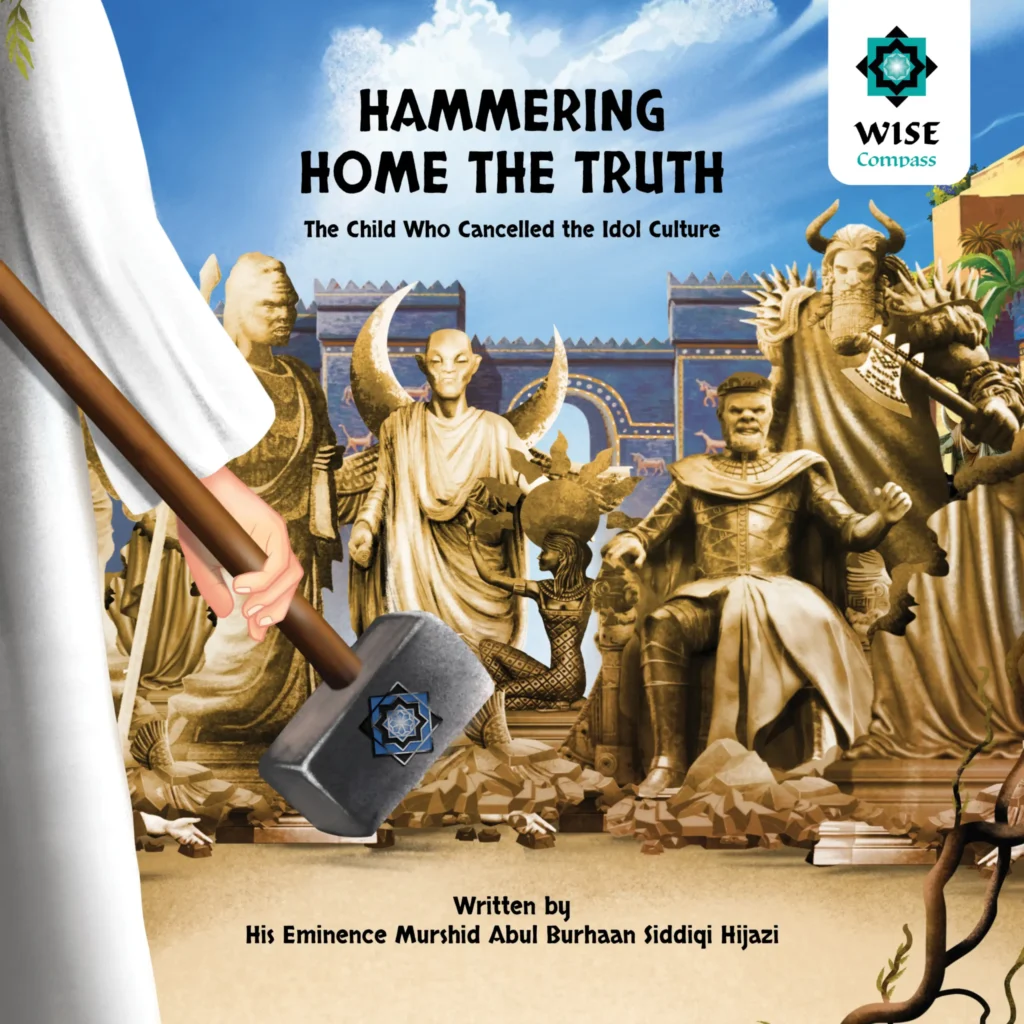
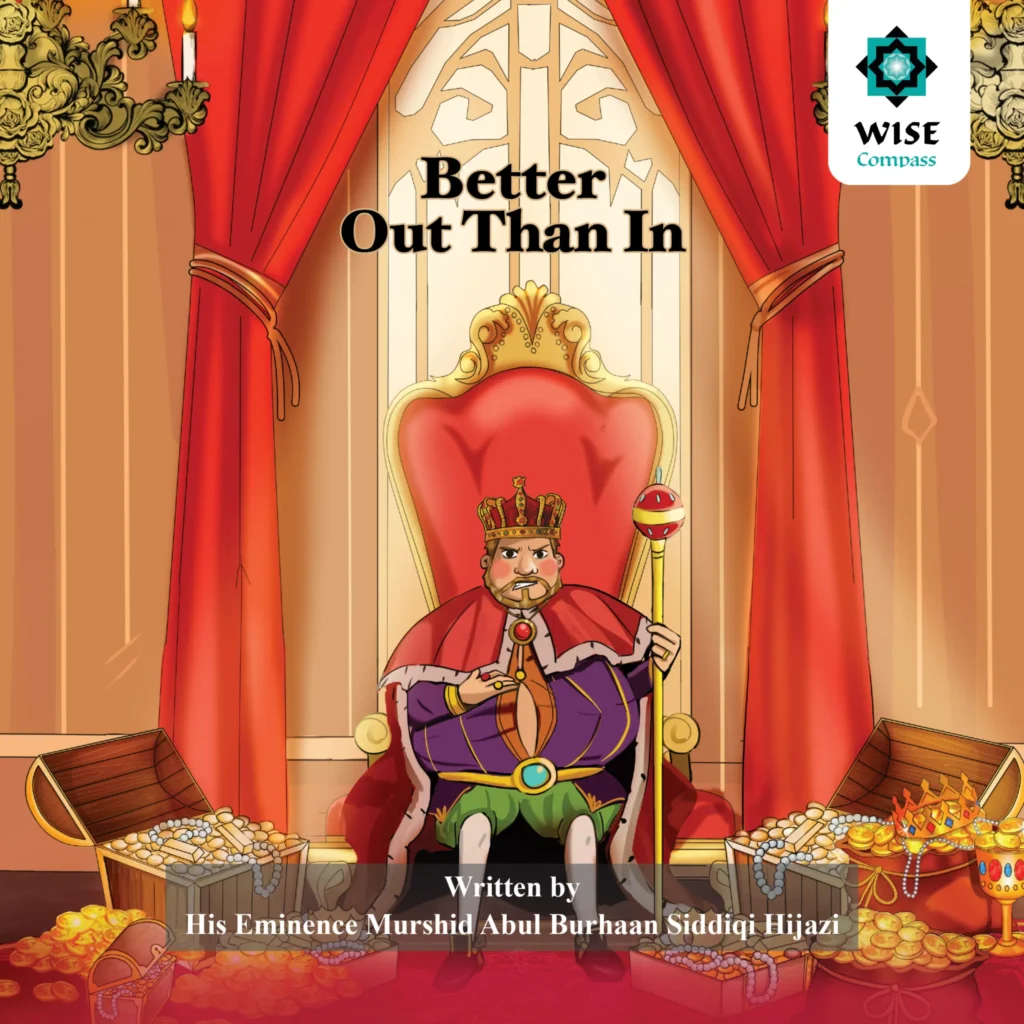
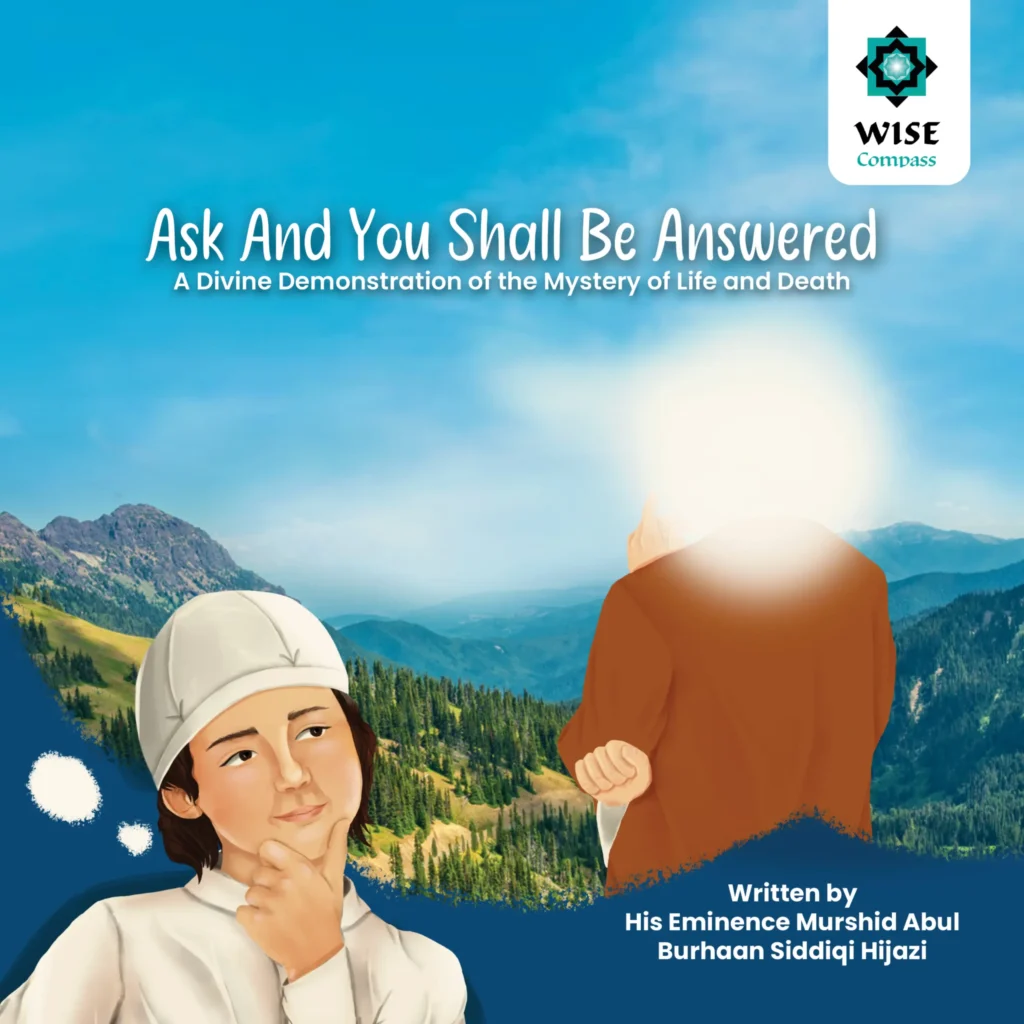
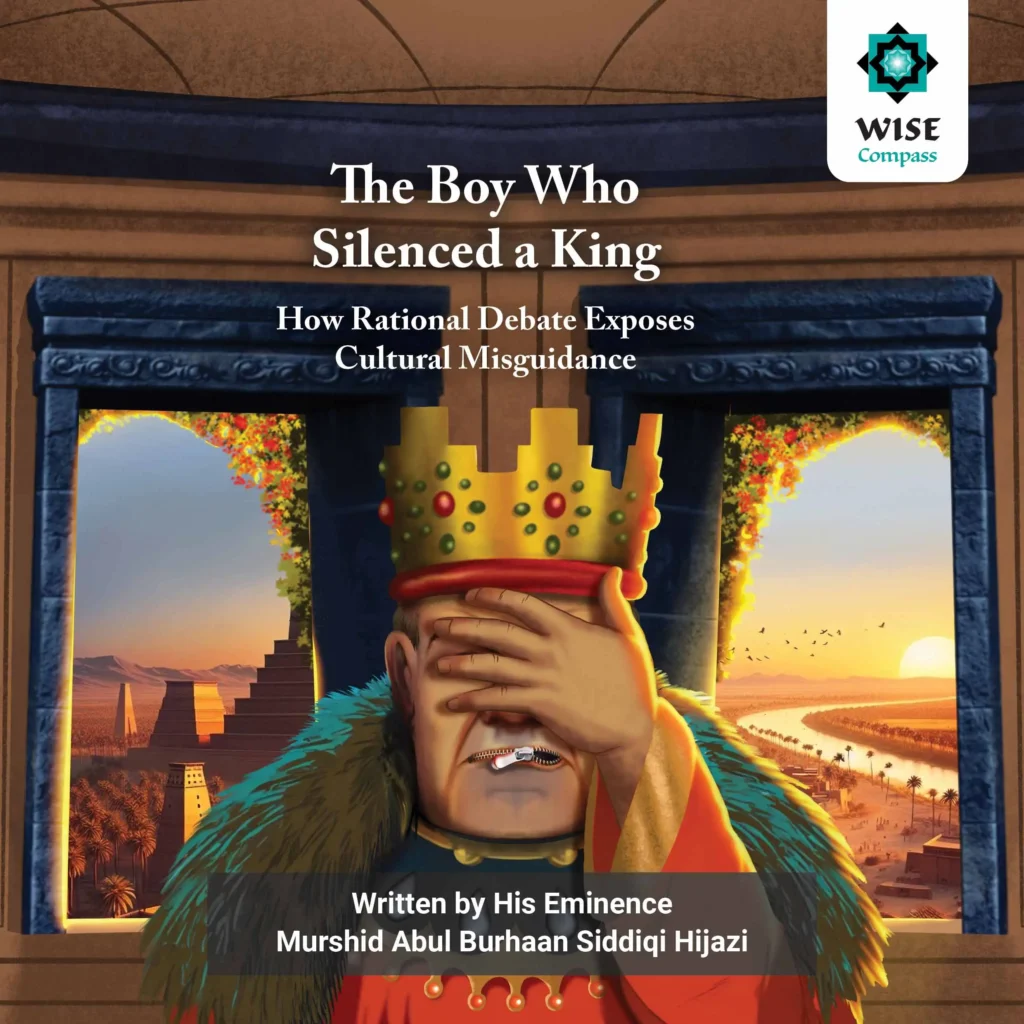
Do they want the king in Better Out Than In to change his ways, or do they enjoy his humiliation? Do they share Sabah’s wonder when she is Learning in the Garden or are they more interested in the bright candy carnival in Food Safari? Do they get awe-struck when Khaleel stands up to authority in The Boy Who Silenced a King or do they feel anxious when Kaleem smashes the statues in Hammering Home The Truth? Do they share a pre-teen’s curiosity like in Ask And You Shall Be Answered or are they captivated by the facts and figures of how atoms work in Zarrat – An Amazing Atom?
This is a useful, low-pressure way to understand how a child feels about the values and scenarios they are reading about – from honesty, conflict and fairness to bravery, adventure and curiosity without asking them to explain themselves directly.
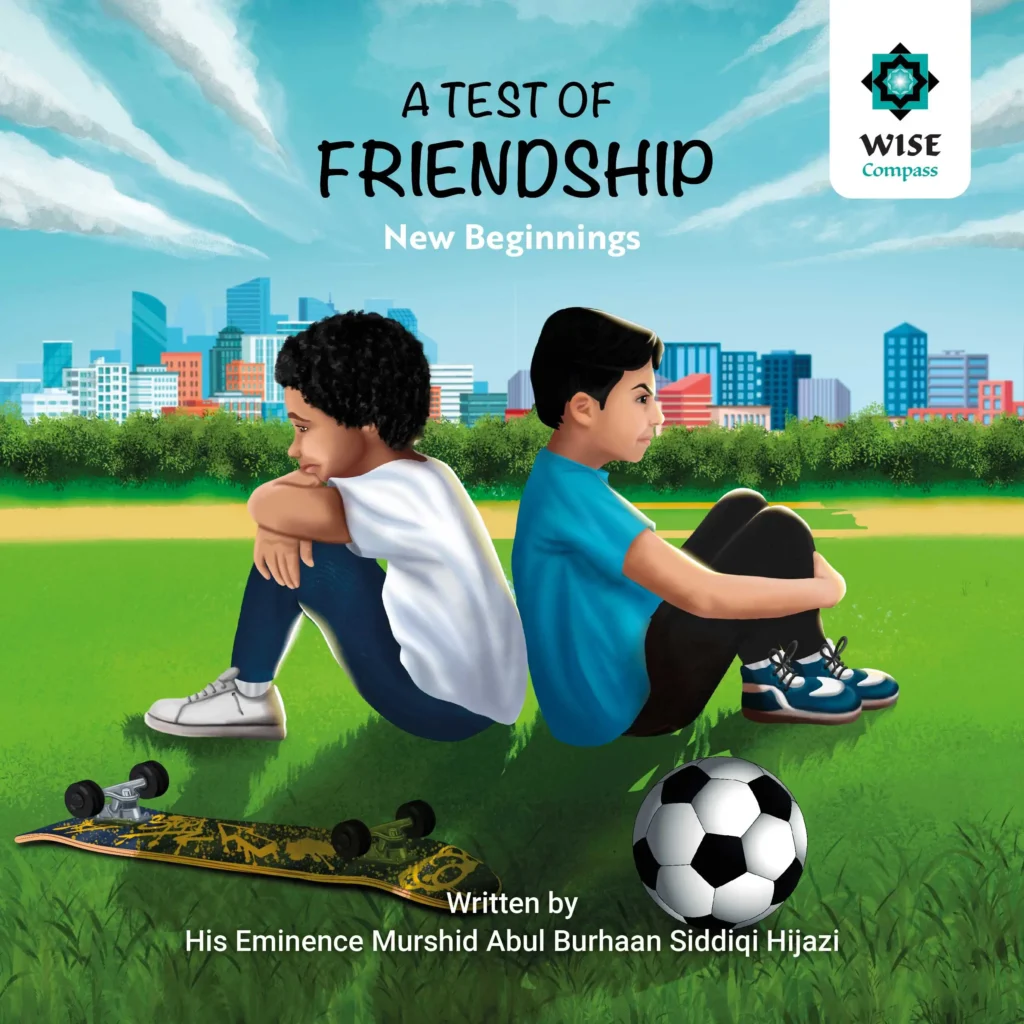
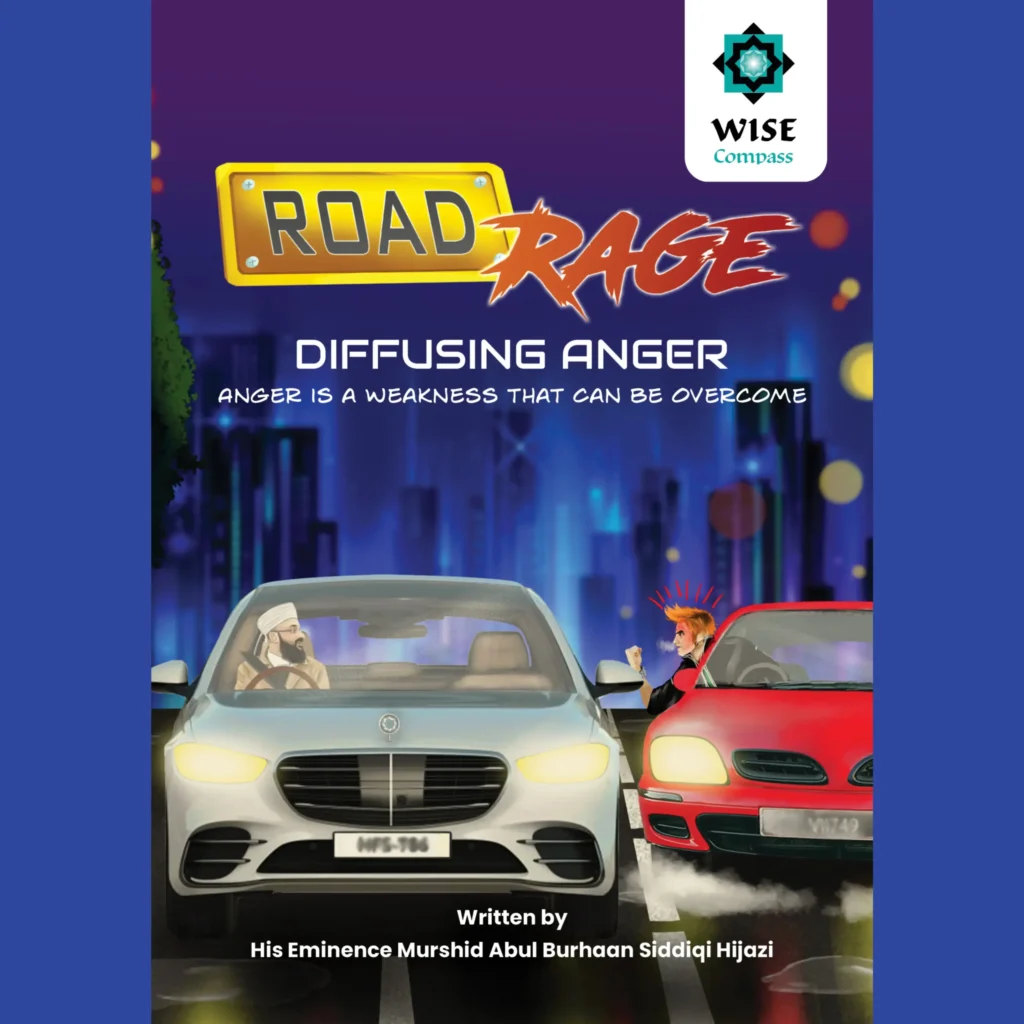
Some children are drawn to stories that mirror a feeling they are struggling with and will revisit it to process that emotion. As a parent, it is important to pick up on this when you are reading with your child, so that you can help them in the most effective way. Pay attention to where your child leans in, goes quiet, laughs nervously or focuses their attention. A child who keeps choosing A Test of Friendship, where jealousy creeps into a group of friends, may be working through a wobble with a friend or sibling. A child drawn to Road Rage – Diffusing Anger may be confronting their own reactive behaviour in tense situations, and one who loves Robin Finds His ‘Hood may be grappling with the idea of what it means to belong. These stories give children the language to express feelings that might otherwise come out as fears, tears, or tantrums.
Be prepared to help guide them through the feeling. When a story deals with themes of honesty versus dishonesty, as in Honour Among Thieves or owning up to a mistake like in A Marriage Made in Heaven, it helps to reassure your child by telling them how Allah Almighty responds to sincere regret.
It is reported in Sahih Muslim, Hadith 2747, that holy Prophet Muhammad ﷺ said:
‘Allah Almighty is more pleased by the repentance of His servant than a man who finds his lost camel in the desert.’
This memorable image emphasises how great the feeling of joy is. This helps to reassure children that saying sorry and trying again is always met with kindness.
TALK
The questions that follow a story are often more revealing than the story itself. A child who asks ‘Why does light travel so fast?’ is showing a scientific mind. A child who asks ‘Where will the bird live now?’ is showing empathy and care for nature. A child who asks ‘What happens when we die?’ is showing a need for reassurance and meaning. Write their questions down and address them. They are a map of your child’s interests and inner world, and they tell you where to guide them next.
For older children, you can even use Parental Tips to help equip you with answers to some of the more mature questions they might be dealing with.
Open up the discussion yourself by asking open questions after reading the story with your child. A single question like ‘What was your favourite part?’ or ‘What do you wonder about now?’ or ‘Have you ever felt like that?’ or ‘What would you have done?’ gets them thinking. This keeps the conversation led by your child and builds their confidence to think out loud.
You can use the 8 Realisation Questions at the end of every book to help make your discussion relevant and beneficial for your child. These questions are always age-appropriate and designed to be thought-provoking.
CONNECT
The goal in reading your child’s favourite stories with them is not to raise a child who can just recite facts. It is to raise a child who feels amazed by the world Allah Almighty has created and learns to think for themself. Extend their learning beyond the page by bringing the ideas into their everyday life. Slow down on a walk, look closely at a leaf, watch the rain or notice the moon, then say, ‘Look at what Allah Almighty created.’ Children who feel wonder tend to be more grateful, more curious and more confident to ask questions.
When a child marvels at a bee, a beam of light or a giraffe reaching for the treetops, they are noticing the work of Allah Almighty, the One with the Most Beautiful Names. When they go through their feelings of joy, curiosity, fear, anger, guilt or regret, they have a chance to remember Allah Almighty and turn to Him. This gives parents a gentle way to turn personal experiences into a conversation about Allah Almighty, so that curiosity and faith grow side by side.
Once you know what excites your child, you can build on it. A story is a starting point, not the finish line.
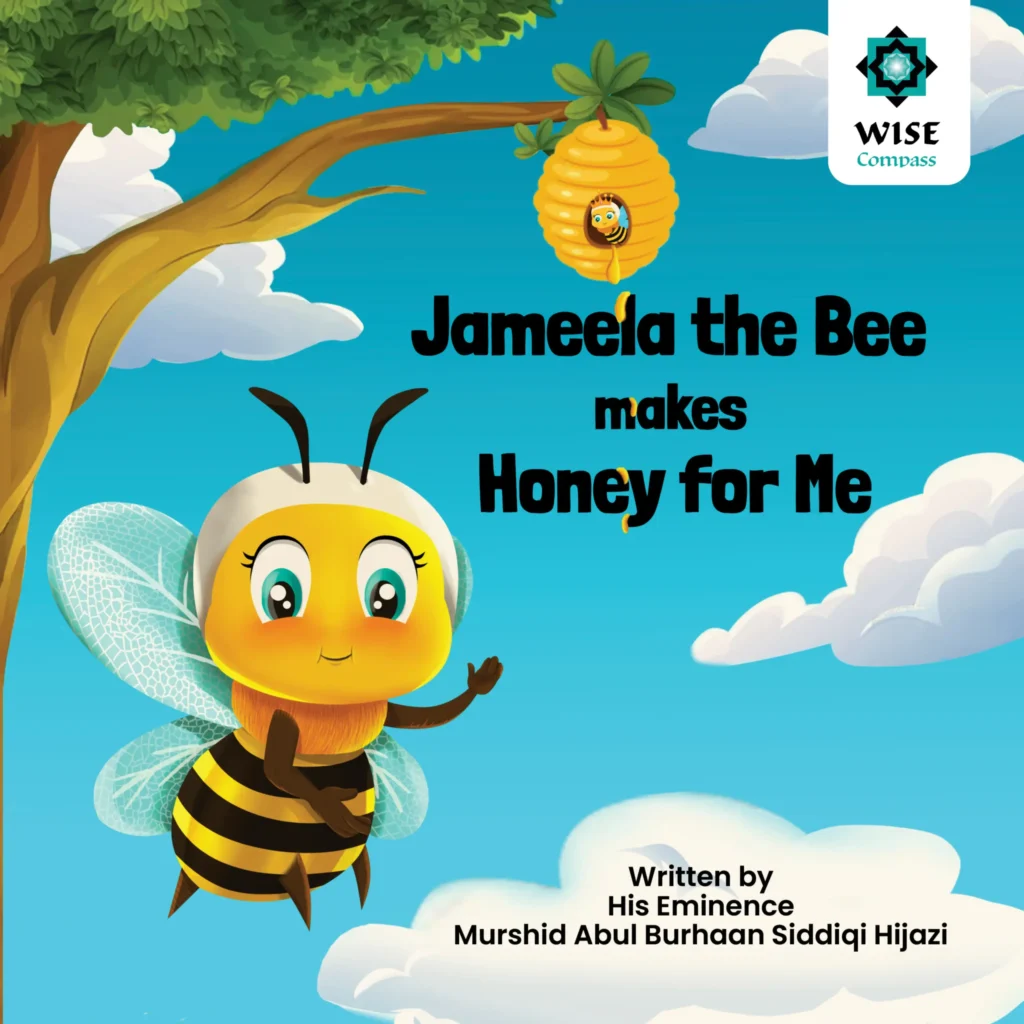
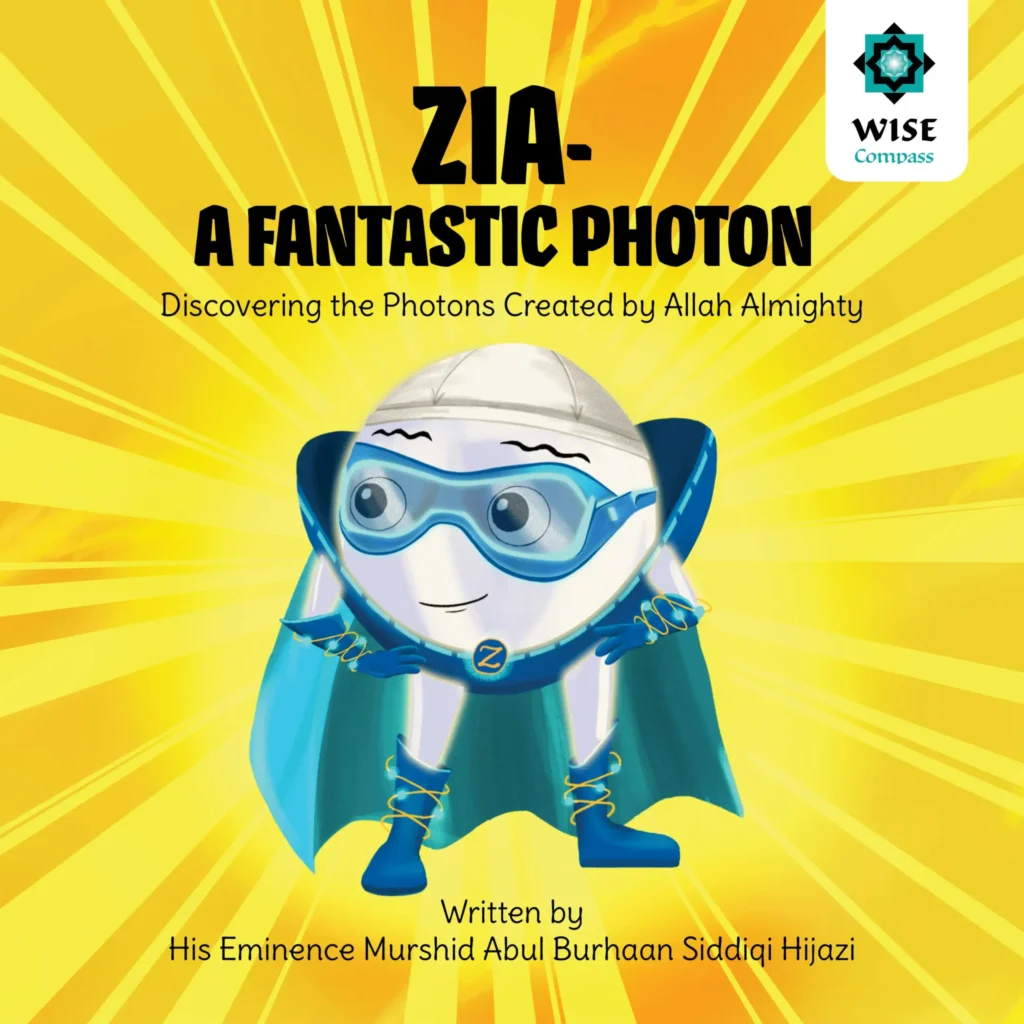
For children aged 4-7 years, wonder is usually close to home, and stories like Zarrat – An Amazing Atom, Zia – A Fantastic Photon, Robin Finds His Hood and Jameela the Bee feed that curiosity about science and nature. Try these ideas:
Older children aged 7+ years show their spark through bigger questions. Stories like Ask And You Shall Be Answered, Food Safari and The Trillionaire and the Eye suit readers who like to think, test ideas and wonder about meaning, and our collection of books for ages 7+ has plenty more in the same spirit. To support older children, try these ideas:
Your child’s favourite story today may not be their favourite next year, and that is a good sign. As they grow, their interests, questions and feelings grow too. A calm wind-down routine of bedtime stories for kids is a lovely way to keep new ideas flowing at the end of the day. Offering a mix of science, nature, friendship and faith stories helps children develop a full emotional range, not just one side of it.
Yes, this is completely normal. Repetition is how children explore an idea or feeling until it feels familiar and secure. Most children move on naturally once the story has given them what they needed.
Look for the questions they ask and the details they remember. A child who recalls how something works, or who keeps asking why and how, is showing a scientific streak. You can encourage it with simple hands-on experiments at home and by praising their questions, not just their answers.
This is usually a healthy sign, and not a cause for undue worry. Children use stories to rehearse feelings such as anger or jealousy in a safe space. You should pay attention to their response and reassure them that they can always talk to you about their fears and concerns. Keep the conversation gentle and let your child lead at their comfort level.
Clear story preferences often appear from around the ages of 4-7 years, although some children show them earlier. At this age, children begin to connect with specific characters, topics and feelings in a stable, repeating way.
Yes. Stories that show Allah Almighty’s creation, whether through nature, science or gratitude, give children a natural way to connect everyday wonder with faith. Over time, this helps faith feel joyful and curious, not just something to memorise.
While it is true that different children have different interests, it is also true that reading is a great skill with many benefits to a child. The Wise Compass Islamic story books are especially good for children because they help them develop their critical thinking. process their feelings, and connect their life experiences to their faith – all based on Islamic principles. To help them build their sense of wonder and curiosity, start with what they already love, whether that is animals, building, food or music, and find a story that connects to it. Read together rather than expecting them to read alone, and follow the story with a hands-on activity. Interest in reading often grows once children see their own passions reflected on the page.
There is rarely a need to limit your child’s favourite stories. If they keep insisting on just one story and the repetition is affecting bedtime, you can agree on a routine with them such as reading it on certain nights, while still offering new books alongside it.
If you would like more ideas for stories that your child might love, explore our full range of Islamic stories for kids, which cover wonder, science, friendship, character and faith for every stage of childhood.