




Stories of the Prophets of Allah Almighty hold life lessons for all of humanity. They especially teach children about purpose and Islamic values by showing real examples of the best humans, who faced impossible situations with the best character.
From the patience of Prophet Nooh (AS) to the unwavering faith of Prophet Ibraheem (AS); from the resilience of Prophet Ismaeel (AS) and his blessed mother, Sayyidah Murshidah Haajrah (RA), to the courage of Prophet Musa (AS), children learn that true purpose comes from trusting Allah Almighty and having total Tawakkul (Reliance on Allah Almighty) even when a situation feels impossible.
Learning about these accounts through stories translates abstract Islamic principles into relatable, memorable moments that stay with a child long after the story ends. Parents can use them as a foundation for everyday conversations about Muslim identity, faith, and good character.
Below, we explore 5 powerful stories from the Wise Compass library that bring these lessons to life for young readers.
Children absorb values far more naturally through story than through direct instruction. When a child learns how a Prophet faced injustice, doubt, or fear and responded with faith and integrity, that example becomes part of how they understand their own choices. This is why Allah Almighty uses the stories of the Prophets so frequently in the noble Quran as a teaching tool, rooting big spiritual truths in the details of a lived life rather than abstract rules.
Allah Almighty reminds us of the value of these narratives in the noble Quran, at Surah Yusuf (12), Verse 111:
لَقَدْ كَانَ فِى قَصَصِهِمْ عِبْرَةٌ لِّأُو۟لِى ٱلْأَلْبَٰبِ
Laqad kaana fee qasasihim ibratul liulil albaab
Indeed, in their stories there is a lesson for people of understanding.
This is the heart of why story-based Islamic learning works: it does not simply inform a child; it shapes how they see themselves and their own purpose.
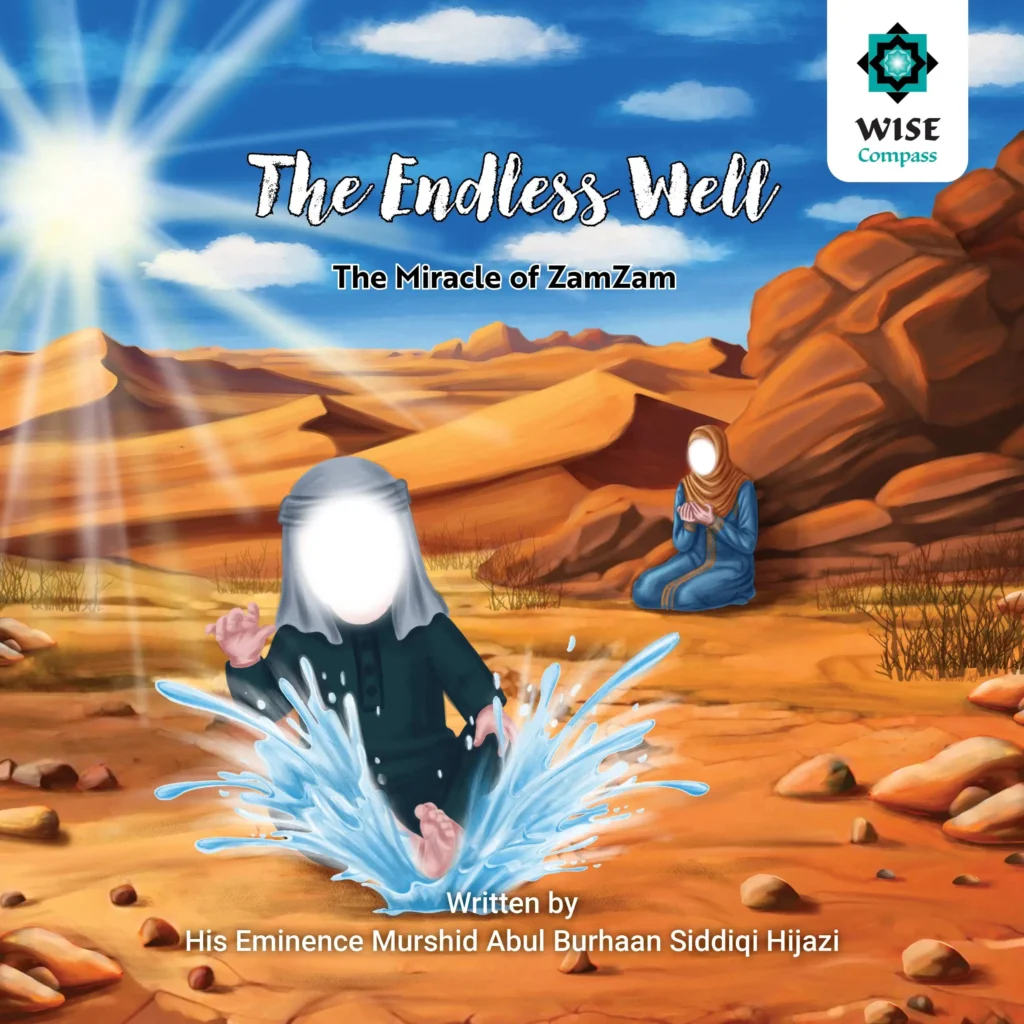
A common experience that children of all ages face is the connection between their choices and the resulting consequences. Make and Break follows the journey of Prophet Nooh (AS) when he is given the unusual Divine instruction to make thousands of beautiful pots – and then is given an even more surprising instruction of what to do with those pots… His unflinching obedience to Allah Almighty, and the realisation for the reader of what it means to be responsible for your actions, are both powerful lessons that can shape how a child makes their decisions in life.
You can read the complete story in Make and Break and let your child learn about self-accounting, making careful choices and always finding the Design and Will of Allah Almighty in all of the world around you.
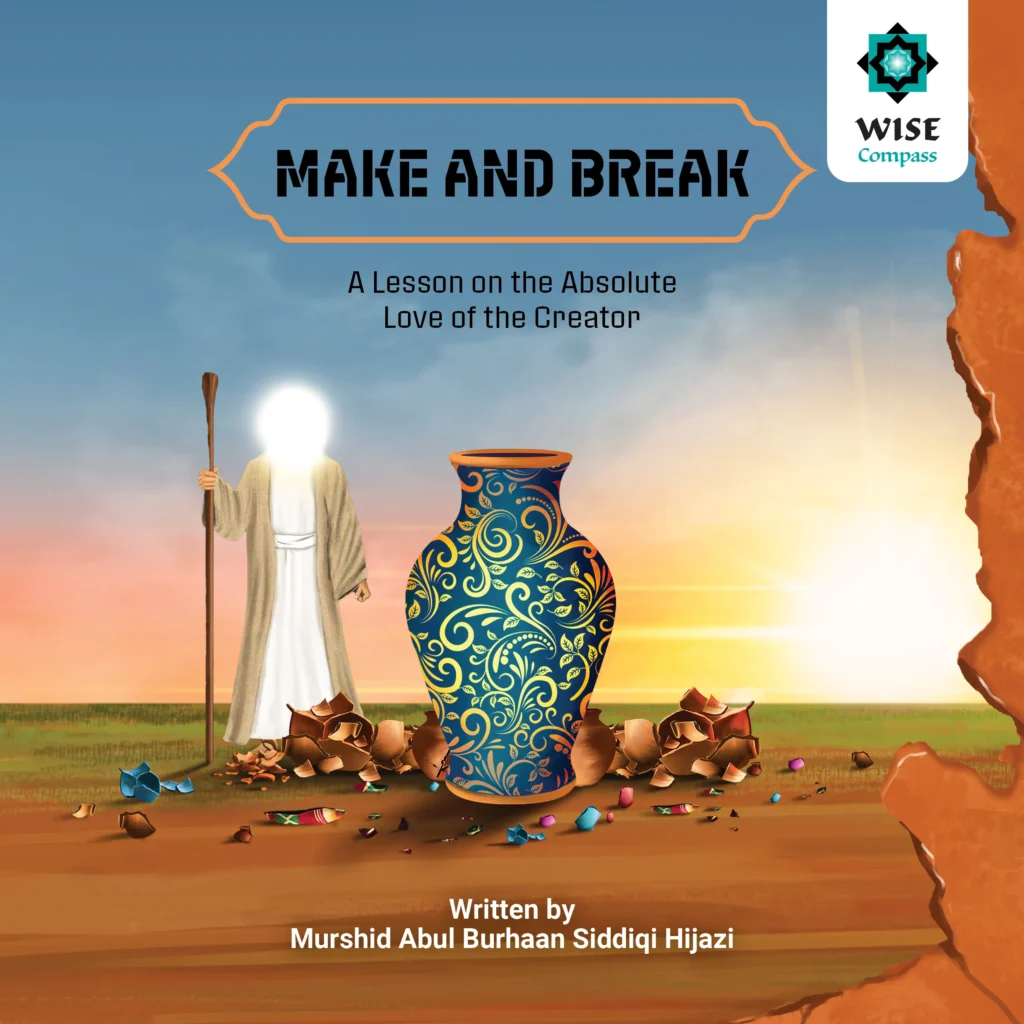
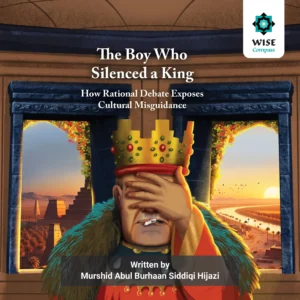
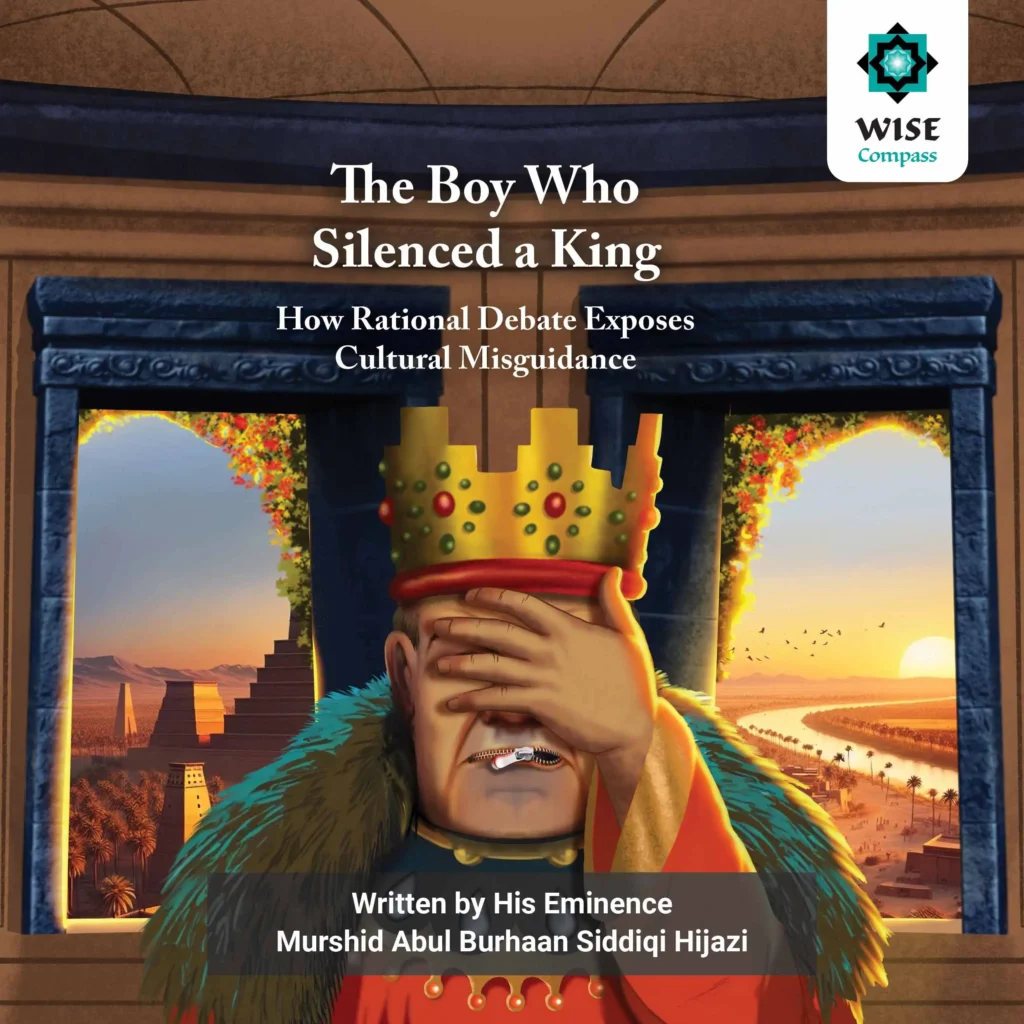
One of the clearest examples of a young person standing firmly on truth is found in the story of Khaleel, the boy who would grow into Prophet Ibraheem (AS). Even as a child, he asked logical questions that challenged, confounded, and ultimately silenced a corrupt king who demanded to be worshipped. This story shows children that faith is not about blind following; it is about thinking clearly and having the courage to stand by what is true, even when the person questioning them holds enormous power.
You can explore this story in full detail in The Boy Who Silenced a King, which walks children through Khaleel’s early questioning of falsehood and his path toward becoming one of the greatest Prophets of Allah Almighty.
For younger children (ages 4-7 years), you can explain it in this way:
‘A little boy once asked a king some very clever questions, and the king could not answer even one of them, because the boy was speaking the truth.’
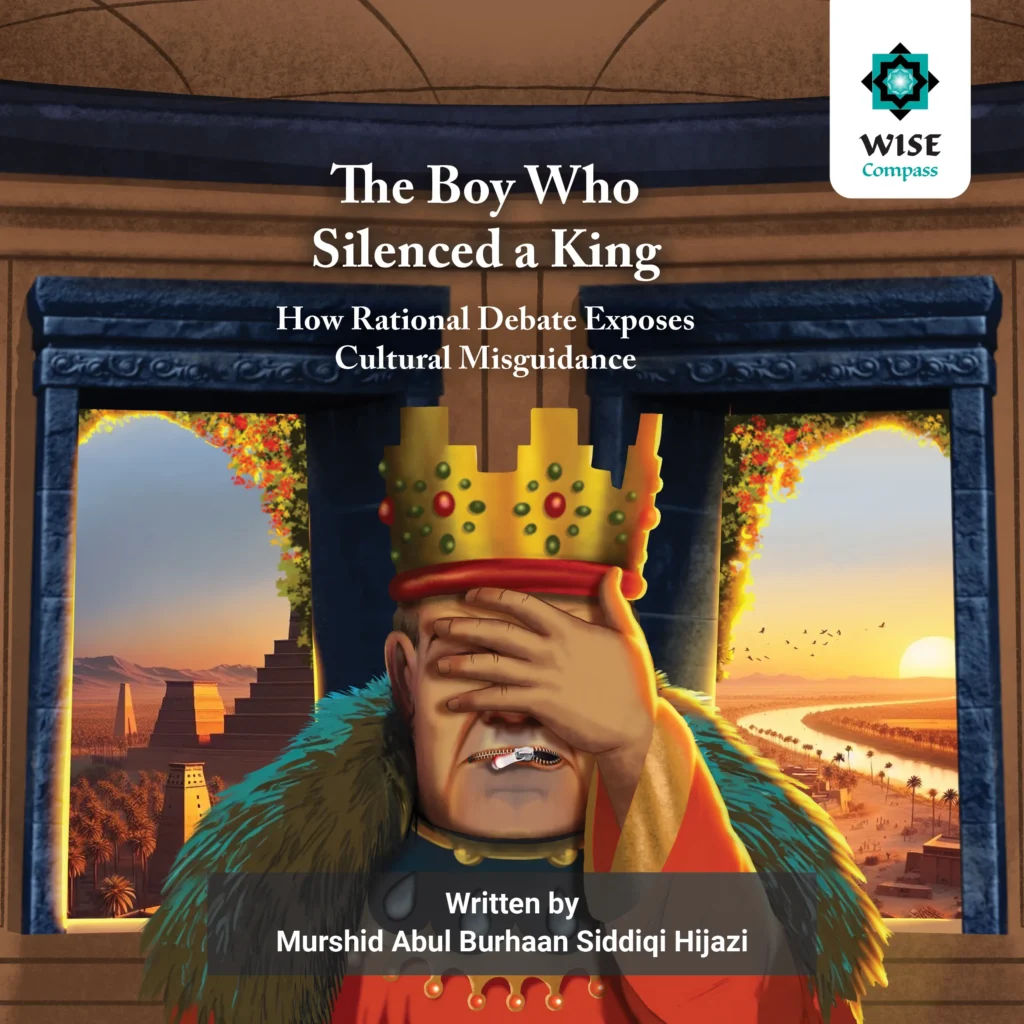
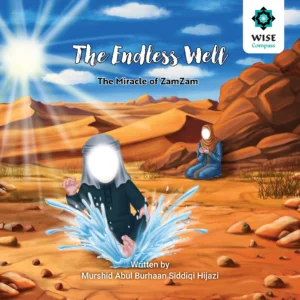
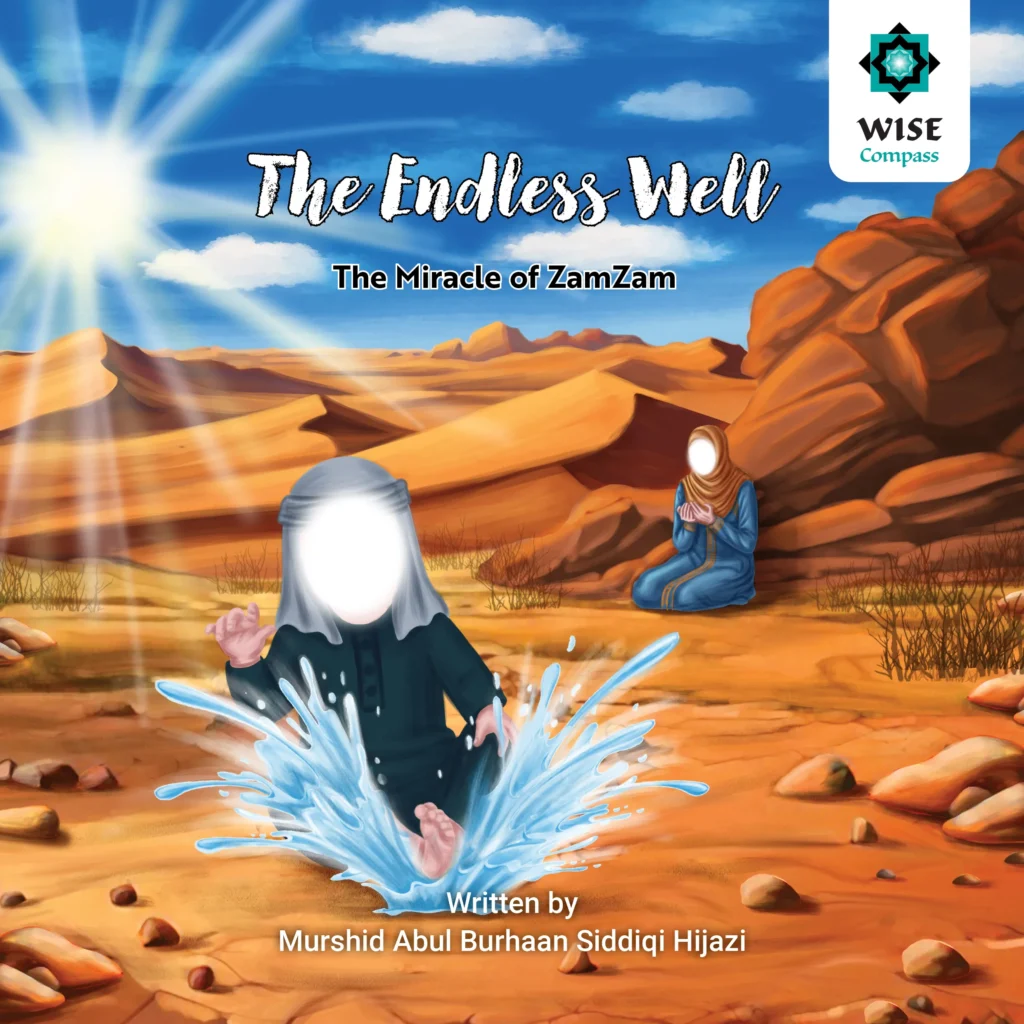
Few stories capture Tawakkul (Reliance on Allah Almighty) as powerfully as the account of Sayyidah Murshidah Haajrah (RA) and her infant son, Prophet Ismaeel (AS), left in the desert on a Divine Command. Her desperate search for water and the miracle that followed teach children that even in a situation that feels completely hopeless, the Mercy of Allah Almighty has no limit.
This narrative is retold beautifully in The Endless Well, where a watching Eagle witnesses a father’s trust, a mother’s resolve, and a miracle that changed the fate of all mankind.
It is recorded in Sahih Bukhari, Hadith 3364, that holy Prophet Muhammad ﷺ said, describing this very moment:
‘May Allah Almighty have mercy on the mother of (Prophet) Ismaeel (AS)! Had she let the water flow without trying to control it, it would have been a stream flowing on the surface of the Earth.’
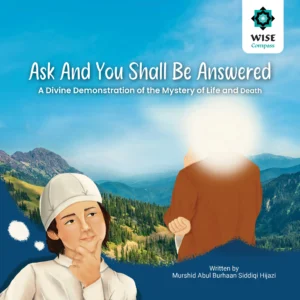
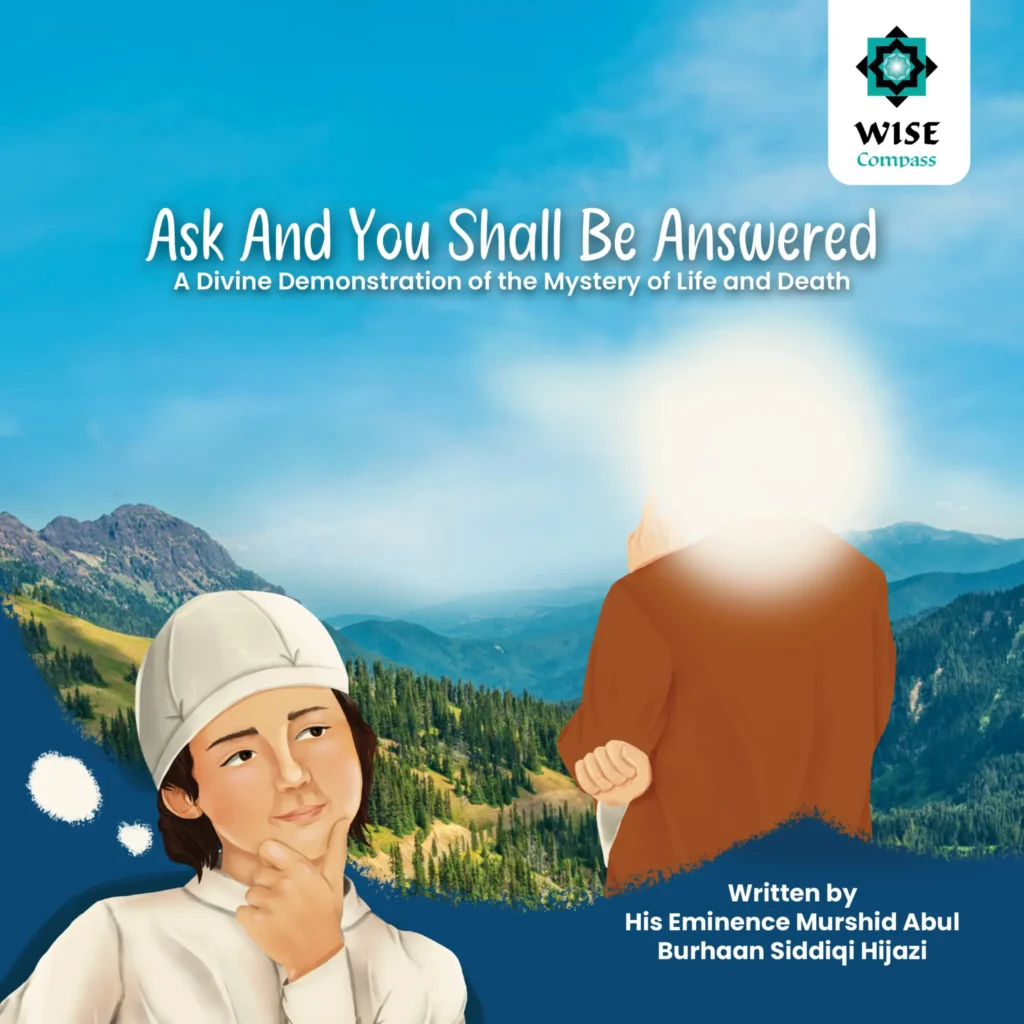
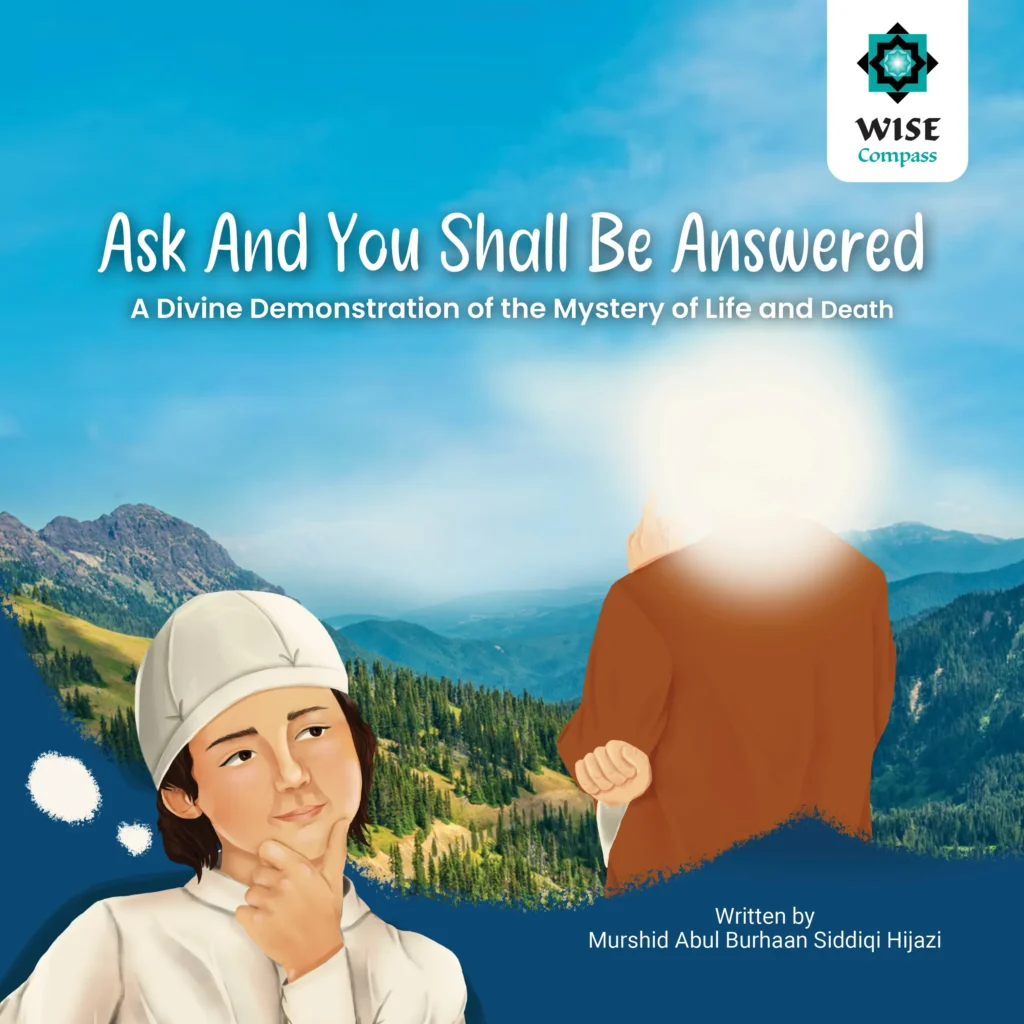
Children ask big questions about life, death, and the unseen far more often than parents realise, and it is not always easy to know how to respond. The story of Musaddiq, a young boy full of these very questions, mirrors a moment when Prophet Ibraheem (AS) himself sought a deeper understanding of how Allah Almighty gives life. Rather than treating curiosity as something to dismiss, this story shows that genuine questions, asked sincerely, are met with genuine answers from Allah Almighty.
You can read the complete story in Ask And You Shall Be Answered, which gently introduces children to the concept of seeking understanding without losing faith.
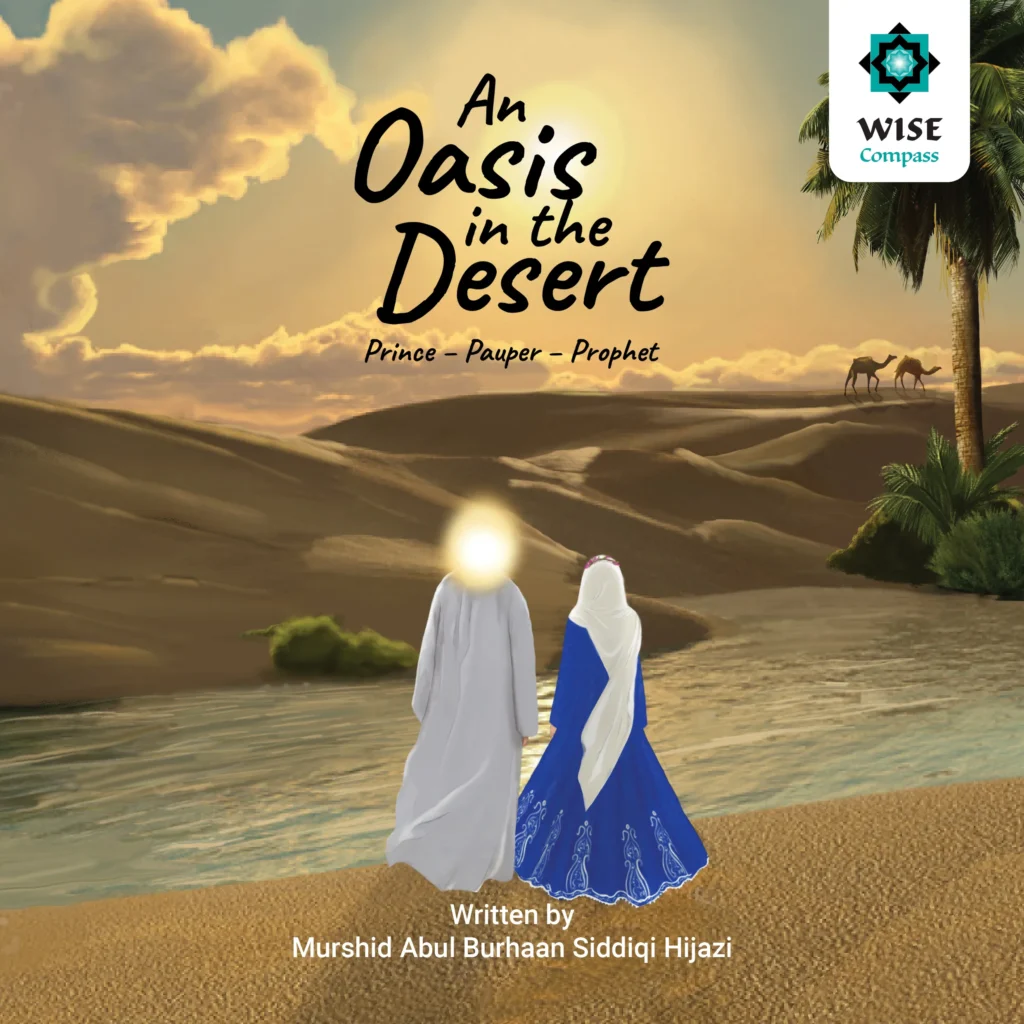
An Oasis in the Desert shows us a young prince, called Kaleem, deciding to trade in his fancy royal life, beset with corruption and scheming all around him, for the simple life of a noble shepherd. When Allah Almighty brings him to this crossroads in his life, the prince asks his Sustainer for whatever manner of good He deems fit, as he is in need of it. And when he is guided to a life in harmony with nature, being of service to others and free of an egotistical lifestyle, he recognises how his Dua has been answered. True nobility is not defined by birth or inherited titles but by goodness of character – and Kaleem, who goes from being a prince, to a shepherd, to Prophet Musa (AS), demonstrates this.
You can learn about these extraordinary experiences of Prophet Musa (AS) in the story An Oasis in the Desert and see how Allah Almighty blessed him with the peace and contentment that comes from a simple life.
Once a child has heard these stories, the real value comes from returning to them in daily life. When a child faces peer pressure, you can gently remind them of Khaleel’s courage to question wrongdoing. When they feel afraid or unsure, the story of the endless well shows them what it looks like trusting that help will come. When they ask hard questions, Musaddiq’s story reminds them that asking is not a weakness; it is a step toward understanding.
Keeping a small rotation of Wise Compass stories – such as these 5 – in bedtime reading, alongside open conversation afterwards, helps values move from the page into a child’s own instincts.
Recognising purpose is not built in a single conversation. It is built through repeated exposure to examples of integrity, patience, and faith until a child begins to connect them with being the best person that they can be and pleasing Allah Almighty. When they recognise this, they are inspired and motivated to cultivate these qualities within themselves.
The stories of the Prophets remain one of the most effective ways to inspire and benefit children, because they combine emotional engagement with spiritual truth, exactly the combination a growing mind needs to internalise Islamic values rather than simply memorise them.
Prophet stories give children concrete, memorable examples of values like patience, honesty, and trust in Allah Almighty. Because the lessons are wrapped in a narrative, children retain and relate to them far more easily than they would a direct rule or instruction.
Most Prophet stories can be introduced from as young as 4 years old, using simplified language and shorter narration of the key points in the story. The readings can grow in depth and complexity as the child matures into their pre-teen years.
Focus on the outcome of trust and courage rather than dwelling on the danger itself. Keep the language age-appropriate, reassure the child that these stories end in relief and Divine help, and let their questions guide how much detail you share. Assuage any anxiety they feel by teaching them that Allah Almighty is always watching over them and focus on how the Prophets remembered and relied on Allah Almighty and overcame their struggles.
Yes, all Wise Compass stories about the lives of the Prophets (AS) are drawn from the noble Quran and authentic Hadith. Where any additional Islamic sources or references have been used or narrative detail has been included for context, this is always clearly stated in the Epigraph section at the end of each book, where the Islamic source material is cited.
There is no fixed rule of how often you should read Wise Compass stories about the Prophets (AS). However, returning to a story every few weeks, especially when a related situation comes up in daily life, helps reinforce the lesson far more than a single reading. Likewise, there are many nuances in the themes and lessons of each story, so multiple readings will naturally deepen your child’s understanding, learning and connection to these lessons.
Yes, each of these stories are especially useful to help deal with children’s personal fears, phobias, doubts and concerns about life. They give children exposure to challenges or struggles that are relatable to them on a personal level. Make and Break makes them think about consequences before acting, and how to make mindful choices rather than rash decisions. The Boy Who Silenced a King demonstrates making up your own mind rationally and having self-confidence in the face of an opposing and bullying force.
The Endless Well models what it looks like to remain calm and hopeful in Allah Almighty’s Mercy during a genuinely frightening situation. Ask And You Shall Be Answered encourages rational thought and open-mindedness to ask questions when you are unsure. An Oasis in the Desert teaches them to appreciate the happiness found in a simple life that is not trapped by comparison to material wealth, it helps them let go of attachment to the expectations of others and discover their own inner, most natural ‘setting’. Each of these stories give children the language and imagery to draw on when they feel opposed. afraid or unsure themselves.
Junior Adventurer stories are designed for children up to 7 years old with simpler language and with complex ideas broken down into easier-to-understand parts, but there is no compromise on the importance and depth of the lessons included in this category.
Young Explorer stories are designed for children 7 years and above, with multiple reading levels available for different ages and abilities. The language, themes and story topics increase in complexity and age-appropriateness to be most effective for the intended readers.
Both levels have stories unlike anything you have ever read before that any age can read and enjoy – children and adults alike!