


Children learn more from stories than from lectures; this is something every parent and educator instinctively knows. A lesson told as a rule to follow enters through the head. A lesson told as a story enters through the heart and stays there far longer.
Islamic moral stories for kids have always been central to how Muslim families pass values from one generation to the next. Through stories of honesty rewarded, arrogance humbled, friendship tested, and patience vindicated, children absorb the core qualities that Islam calls ‘husn al-akhlaq’, or ‘beautiful character’. They don’t just learn what is right; they feel why it matters.
At Wise Compass, every story in our library is built around a real moral lesson drawn from the Quran, authentic Hadith, or the lives of the prophets (peace be upon them). These are not generic “be nice” stories; they are carefully crafted narratives that challenge children to think, reflect, and recognise themselves and their choices in the characters they read about.
Here are 11 of our most loved short Islamic stories for kids, each one planting a seed of character that will grow with your child for the rest of their life.
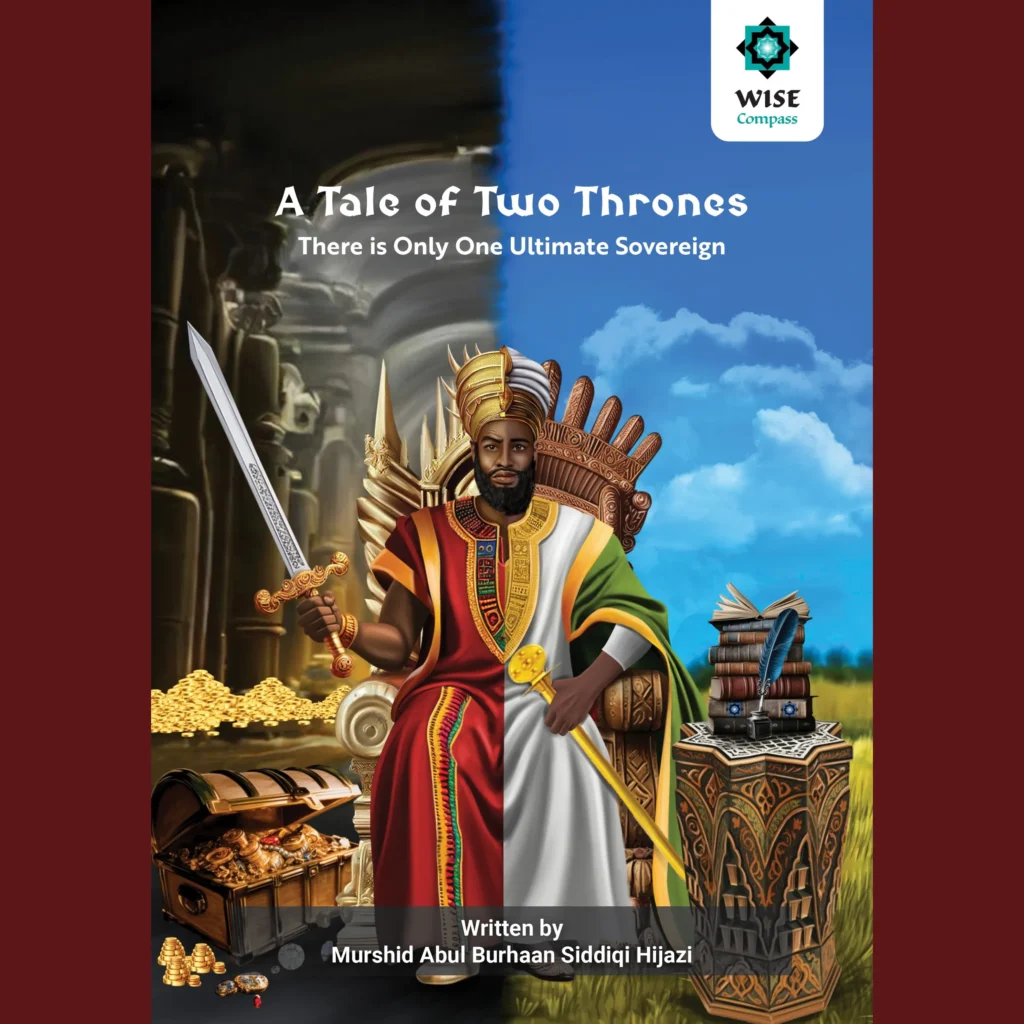
Twin princes are born into a wealthy African dynasty, each blessed with power, influence, and the ability to shape the lives of thousands. As they grow, their characters diverge completely; one becomes thoughtful, generous, and just; the other becomes selfish, domineering, and arrogant. This is not just a story about two different people. It is a mirror that every child can hold up to themselves and ask, ‘Which twin am I more like today?’
This rich, layered Islamic story about pride and humility shows children that the gifts we are given – intelligence, wealth, position, and talent – are tests, not trophies. A person’s character is measured by how they use what Allah has given them, and their legacy is based on how they treated others, not what they owned.
Islamic values: Tawadu (humility), adl (justice), and the responsibility that comes with power.
Lesson: Pride blinds the heart; humility opens it to truth and to serving others.
Themes: Leadership, gratitude, arrogance vs humility, legacy.
Age: 9+ years
Read here: A Tale of Two Thrones
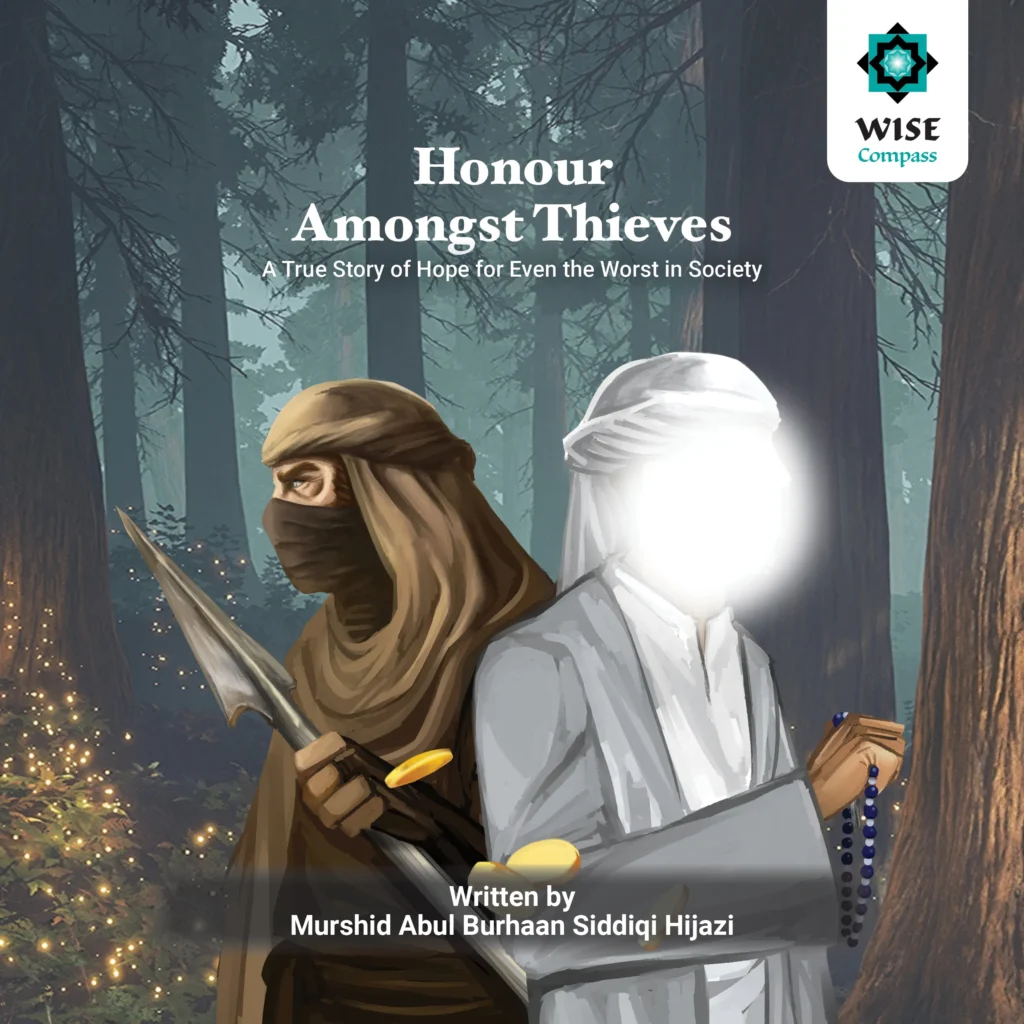
A young man is travelling when he is surrounded by sixty dangerous thieves who demand to know if he is carrying any money. He is. He has gold with him, enough to be worth lying about, enough that most people would find a way to hide the truth. But he made a promise to his mother: to always be honest. What he says next changes everything, not just for himself, but for the thieves who hear him.
This remarkable true story is one of the most compelling Islamic stories about honesty for kids because it shows that sidq (truthfulness) is not just a personal virtue; it has the power to transform the people around you. It shows kids that being honest, even when it’s scary or costly, is a powerful force.
Islamic value: Sidq (truthfulness), the transforming power of honesty, and keeping promises to parents.
Lesson: True honour is found in honesty, and a single act of truthfulness can transform even the most hardened heart.
Themes: Honesty, moral courage, transformation, the impact of good character.
Age: 9+ years
Read the story: Honour Amongst Thieves.
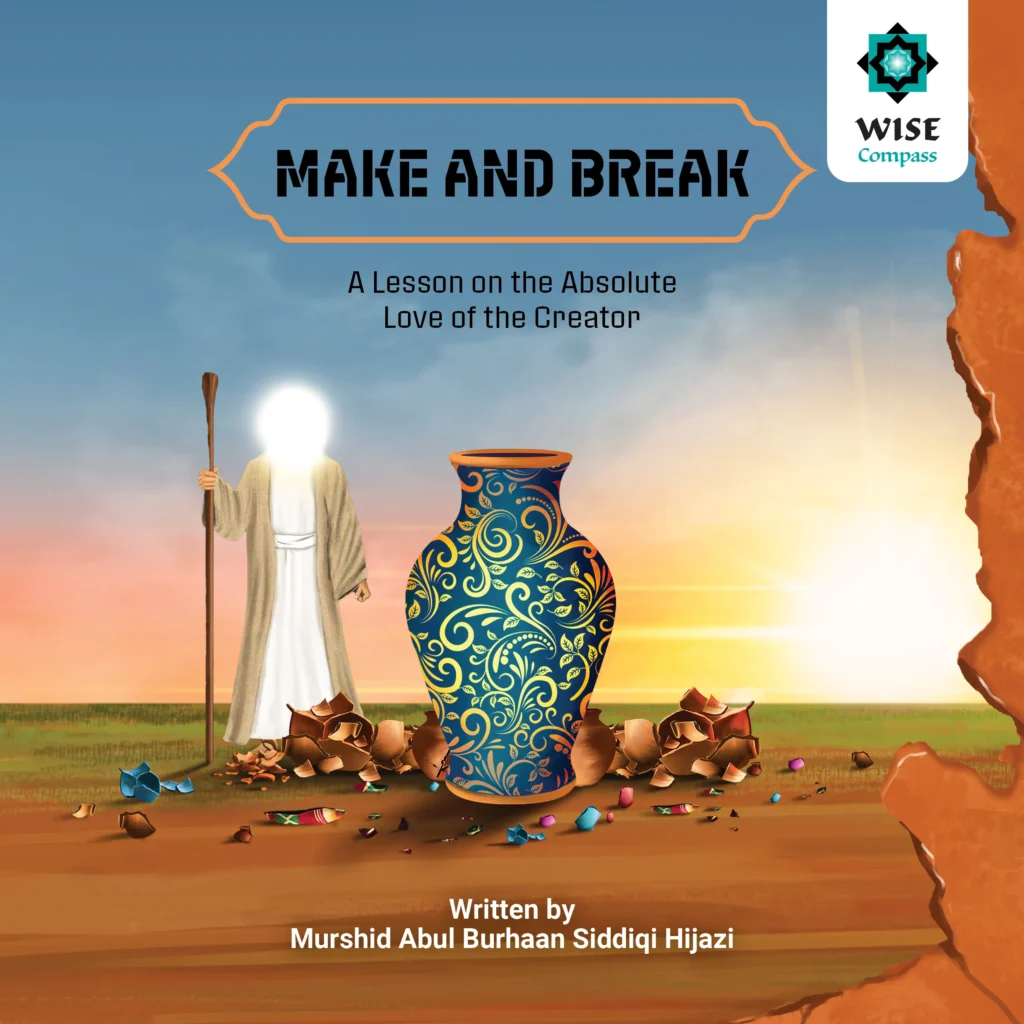
After the Great Flood, Prophet Nooh (AS) is given what seems like a meaningless task: make pots, then break them. No explanation is given. The purpose is not immediately clear. But he obeys, and in the act of obeying, he discovers a realisation about creation, value, and purpose that changes how he sees everything Allah Almighty has made.
This quietly powerful Islamic moral story for children teaches something that is difficult to communicate in any other way: that obedience to Allah Almighty is not blind submission but an act of trust rooted in the knowledge that His wisdom is always deeper than ours.
For children who sometimes ask, “Why do I have to?” about prayer, about rules, and about the things Islam asks of them, this story is a gentle, profound answer.
Islamic values: Taa’ah (obedience to Allah), tawakkul (trust), and hikma (divine wisdom).
Lesson: Every act Allah Almighty commands has purpose, even when we cannot see it yet.
Themes: Trust in Allah, the value of creation, obedience, patience with uncertainty.
Age: 7+ years
Read the story: Make and Break
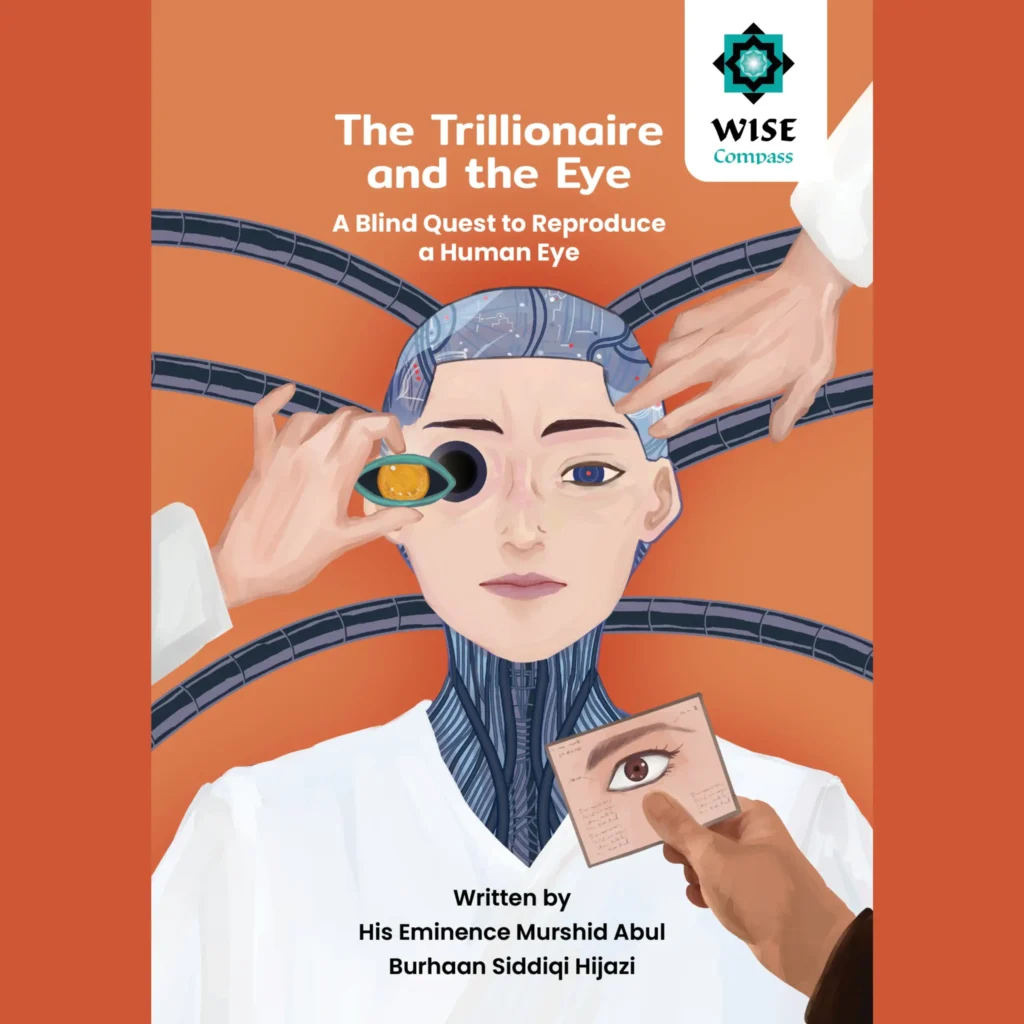
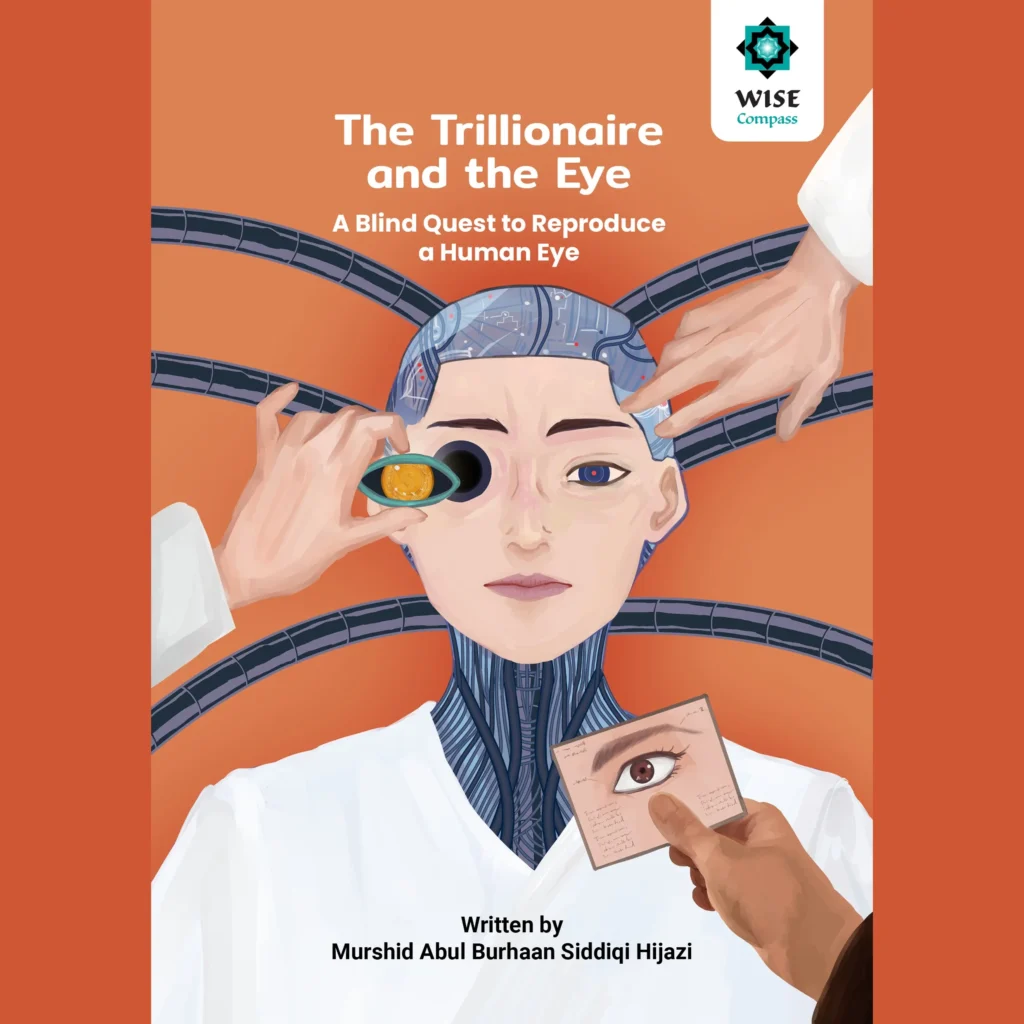
A man with more wealth than anyone in history sets himself one final challenge: recreate the human eye. What follows is a journey through the extraordinary complexity of a single organ, the photoreceptors, the lens, the optic nerve, the way light becomes vision in a fraction of a millisecond, and the humbling realisation that some things are simply beyond human capability to create.
This tale is one of the most intellectually stimulating short Islamic stories for kids in the Wise Compass library, blending science and faith in a way that makes tafakkur (reflection on creation) feel natural and exciting.
For children who are curious about science, technology, and the natural world, it shows them that the more you understand about creation, the more impossible it becomes to deny the Creator.
Islamic values: Tafakkur (reflection on Allah’s creation), Tadu (humility), and recognising the limits of human power.
Lesson: Wealth cannot buy what Allah Almighty alone can create; reflecting on creation is one of the shortest paths to iman.
Themes: Science and faith, humility, wonder, the limits of human power.
Age: 9+ years
Read here: The Trillionaire and the Eye
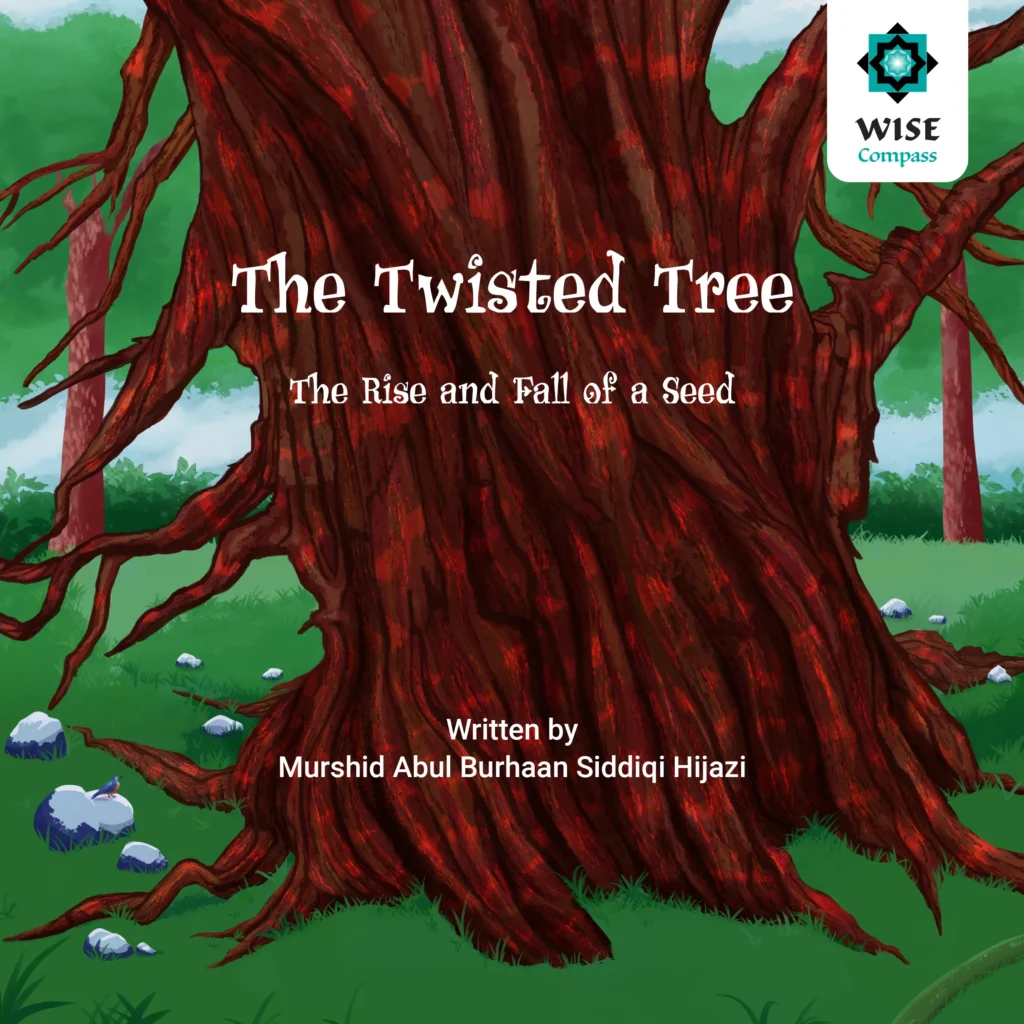
From a small seed to an ancient, towering giant, this tree has witnessed centuries of history and, in that time, developed an arrogance that slowly poisons everything it once was. It forgets its humble beginnings, forgets the soil and rain that fed it, and begins to believe its greatness is its own.
The story watches this transformation with clear, honest eyes and delivers its message without sentimentality: everything in creation has a limited lifespan, and those who forget their origins are always reminded eventually.
For children who are talented, popular, or starting to feel superior to their peers, this Islamic story about arrogance and gratitude arrives at exactly the right moment. It provides them a language for understanding kibr, the pride that closes the heart, and a vivid image of what it looks like when gratitude is replaced by entitlement.
Islamic values: Kibr (arrogance), shukr (gratitude), tawadu (humility), and remembering that all gifts come from Allah.
Lesson: Arrogance leads to downfall; gratitude sustains. Everything we have is from Allah Almighty, not from ourselves.
Themes: Pride, impermanence, self-reflection, gratitude.
Age: 7+ years
Read here: The Twisted Tree
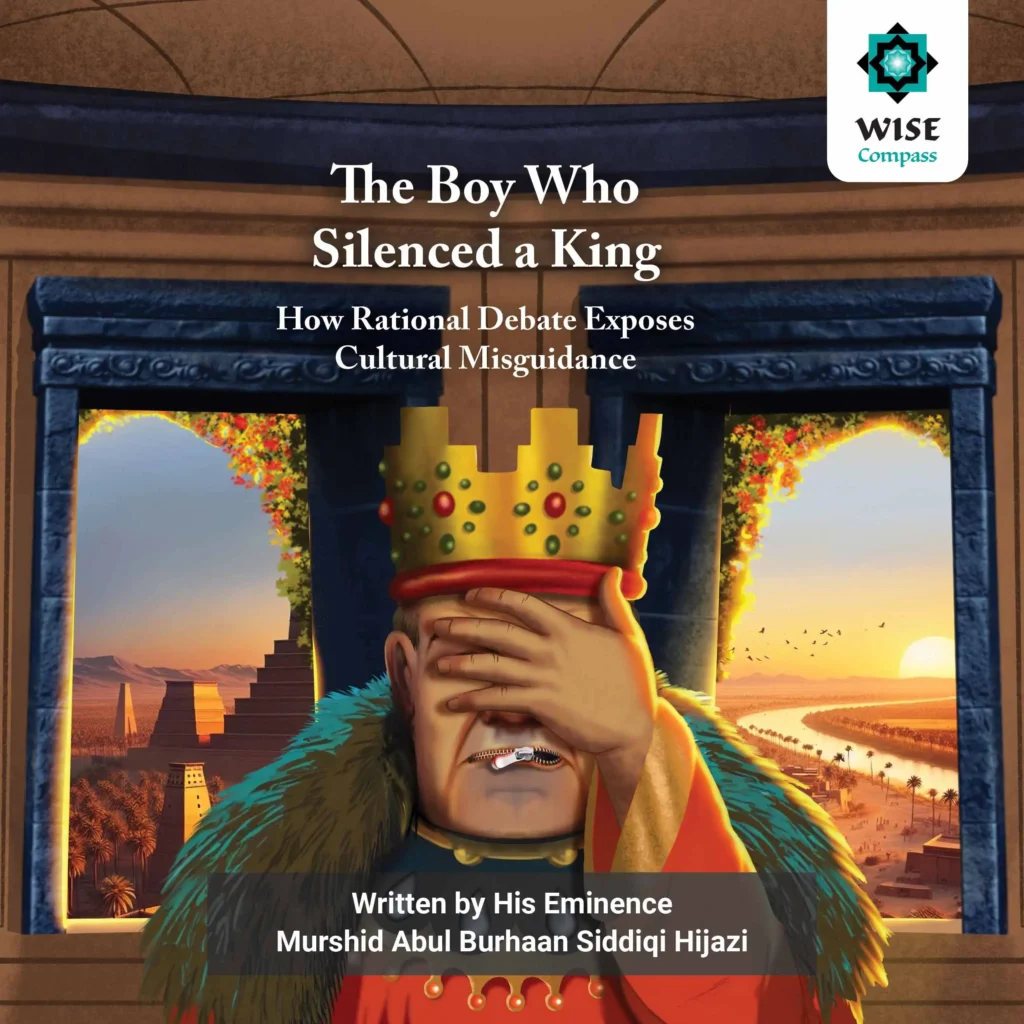
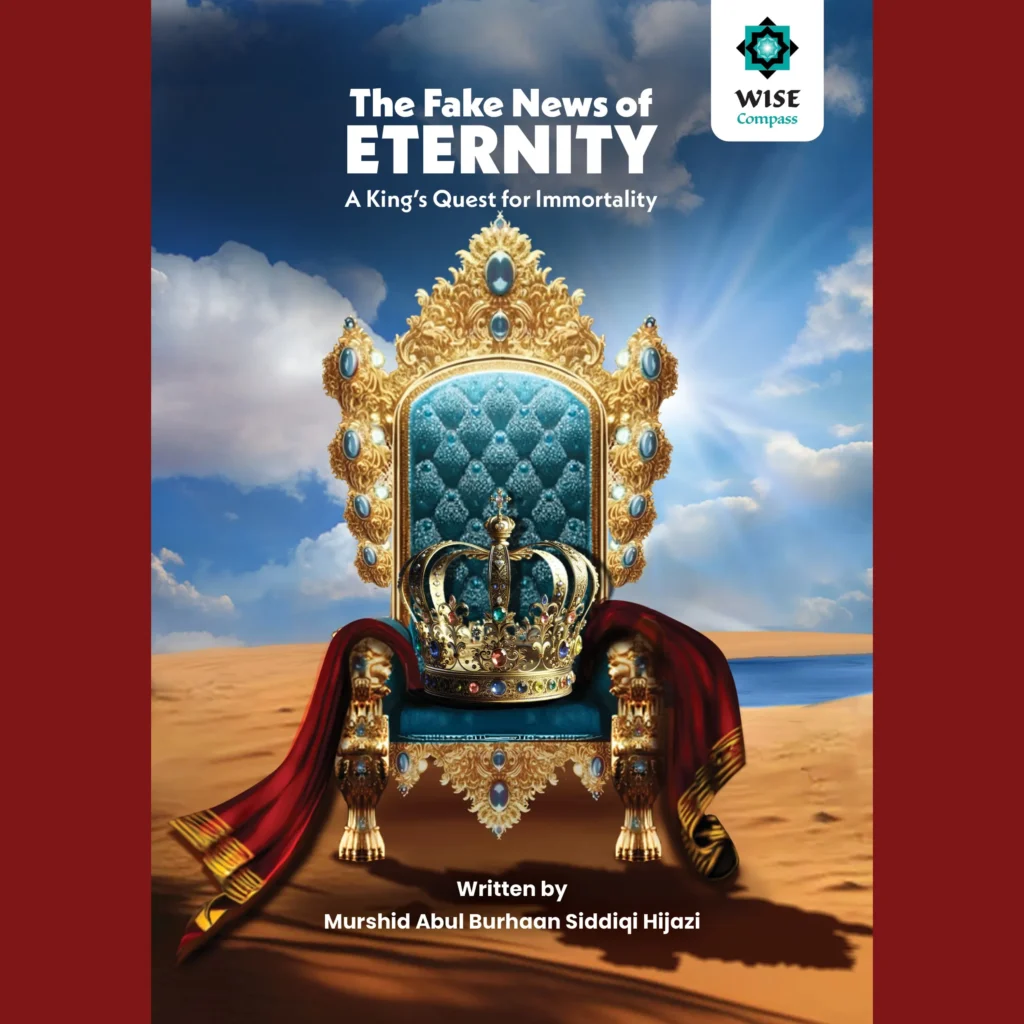
A young king is told he can live forever. He believes it because he wants to believe it. The young king, led astray by a self-serving advisor and his own desire to escape the inevitable, pursues immortality until reality and Allah Almighty’s decree bring him back to earth.
This Islamic moral story about truth and critical thinking is strikingly relevant for children growing up in an age of misinformation, social media promises, and influencers selling impossible ideals.
It teaches children to question what they are told, not out of cynicism, but out of the Islamic value of tafakkur: thinking carefully, evaluating evidence, and anchoring your understanding in what Allah Almighty has decreed rather than what people around you want you to believe.
Islamic values: Qadr (divine decree), tafakkur (critical reflection), and accepting truth even when it is uncomfortable.
Lesson: True wisdom begins with accepting what Allah Almighty has decreed; life, death, and everything in between belong to Him alone.
Themes: Truth, mortality, accepting Allah’s plan, critical thinking, the dangers of false promises.
Age: 9+ years
Read here: The Fake News of Eternity
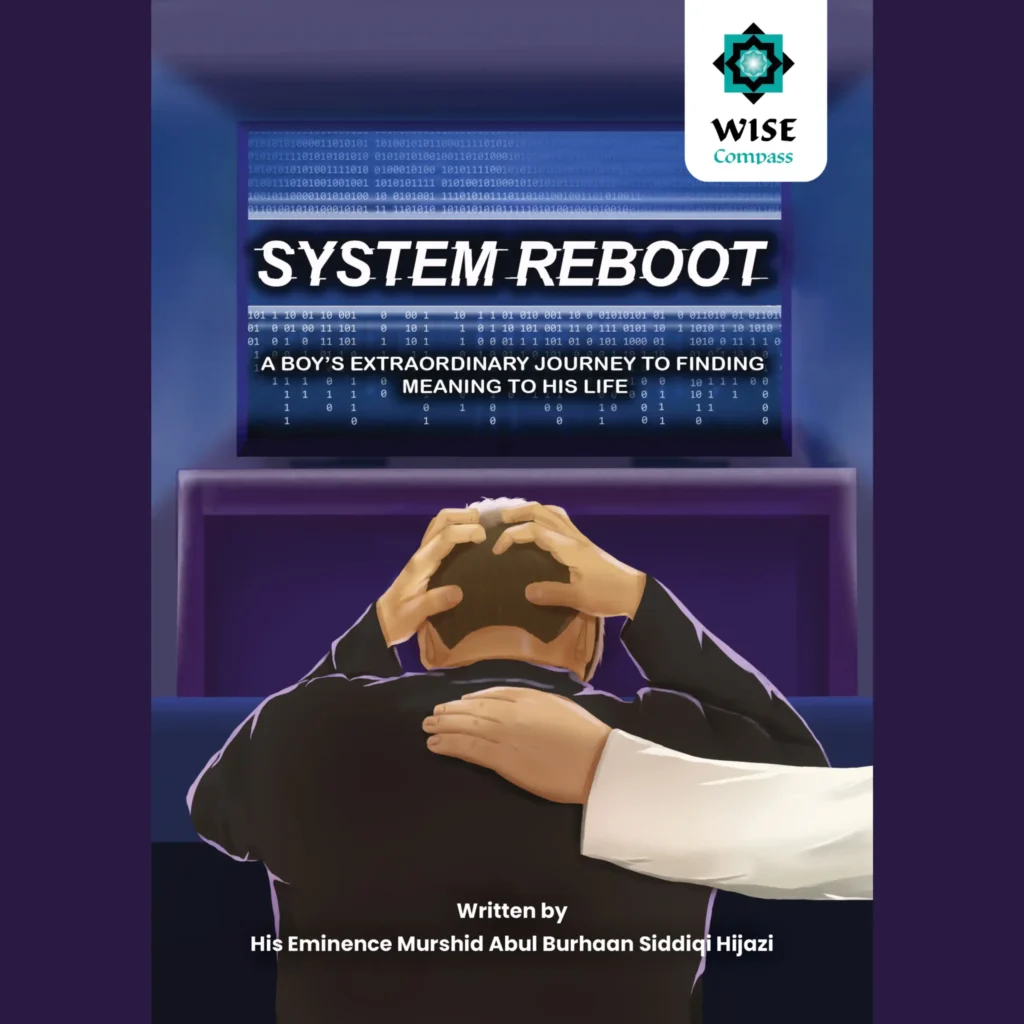
Shafeeq is lost. He is lost not only geographically but also emotionally and spiritually, in every aspect that is significant. He is a young person drowning in feelings he cannot name, disconnected from purpose and from the faith that should be his anchor.
When a guiding friend enters his life, what he offers is not a solution but a reminder that Allah Almighty’s mercy is always available, that no one is too far gone, and that every soul has a purpose woven into it by its Creator.
This is the most emotionally courageous story in the Wise Compass library, one that tackles sadness, despair, and loss of purpose directly and honestly within an Islamic framework. For children and teenagers navigating difficult emotions, it is both a mirror and a lifeline.
Note that the book carries a parental guidance recommendation for its mature themes and is best read and discussed together.
Islamic values: Tawbah (returning to Allah), rahma (divine mercy), and the Islamic understanding of mental and spiritual wellbeing.
Lesson: No heart is ever too broken for Allah Almighty’s mercy to reach it; every soul has a purpose, and it is never too late to find it again.
Themes: Hope, healing, emotional resilience, purpose, divine mercy.
Age: 11+ years (parental guidance recommended)
Read here: System Reboot

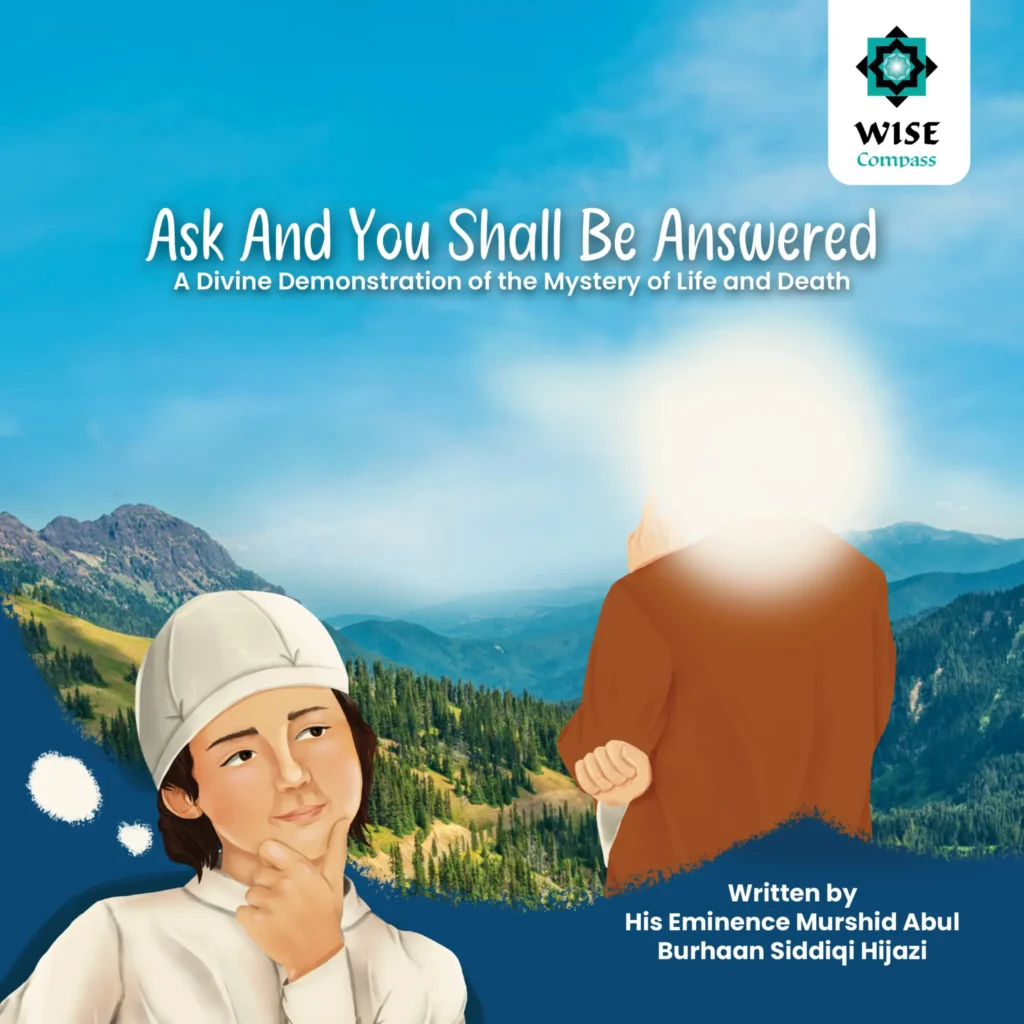
When Musaddiq cannot sleep because his mind won’t stop asking questions about life and death, his mother does something wise: she doesn’t dismiss the questions. She tells him about a prophet who asked Allah Almighty those very same questions and received an answer that changed everything.
This warm, gentle Islamic moral story about intellectual honesty and faith is perfect for the kind of child who always asks, ‘But why?’ and needs to know that in Islam, that kind of sincere curiosity is not just acceptable, it is honoured.
Islamic values: Ilm (knowledge), the Islamic encouragement of sincere questioning, and divine wisdom through revelation.
Lesson: Asking sincere questions with humility is a sign of faith, not a challenge to it. Allah Almighty has an answer for everything.
Themes: Curiosity, divine wisdom, faith and questioning, and the role of prophets.
Age: 7+ years
Read the story: Ask and You Shall Be Answered

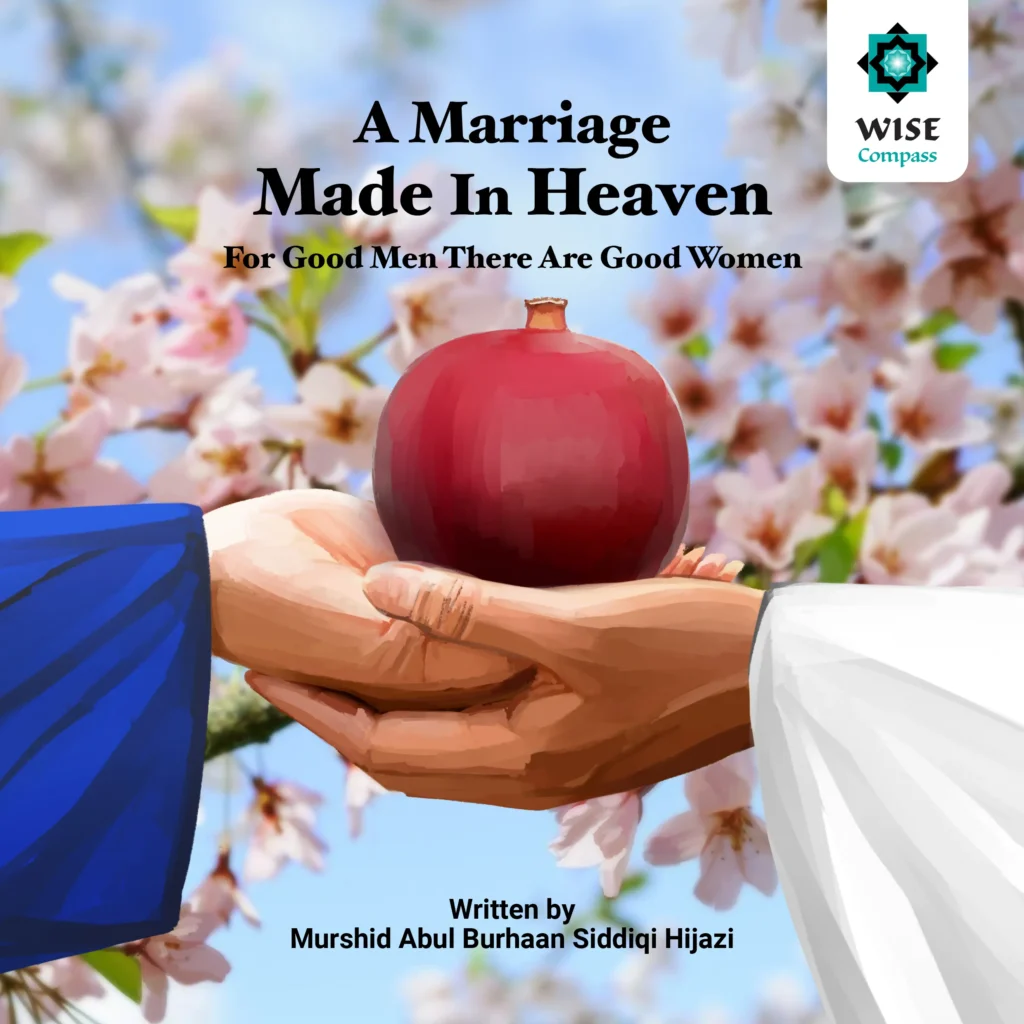
A young man accidentally eats an apple that isn’t his. A small thing. It’s easy to overlook, to rationalise, and to forget. Instead, he goes to extraordinary lengths to identify the apple’s owner and seek their forgiveness, and what unfolds from that single act of integrity is a story about how honesty and accountability ripple outward in ways we never expect.
This short Islamic moral story about integrity teaches children that small acts of honesty matter enormously and that doing the right thing when no one is watching is the truest test of character.
Islamic values: Sidq (honesty), muhasabah (self-accountability), and the Islamic understanding that every act has consequences in this life and the next.
Lesson: True character is shown in small moments when you do what’s right even when no one is watching.
Themes: Honesty, integrity, accountability, the rewards of good character.
Age: 9+ years
Read the story: A Marriage Made in Heaven
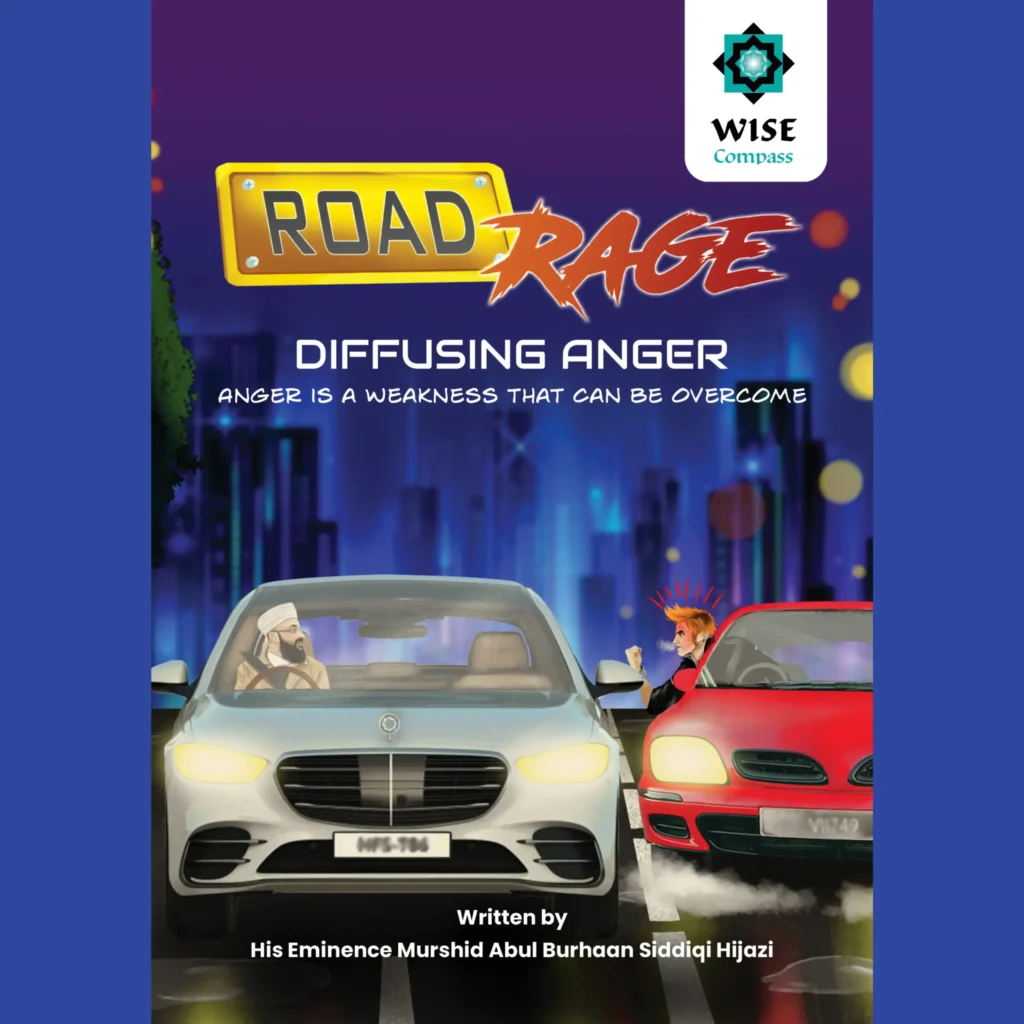
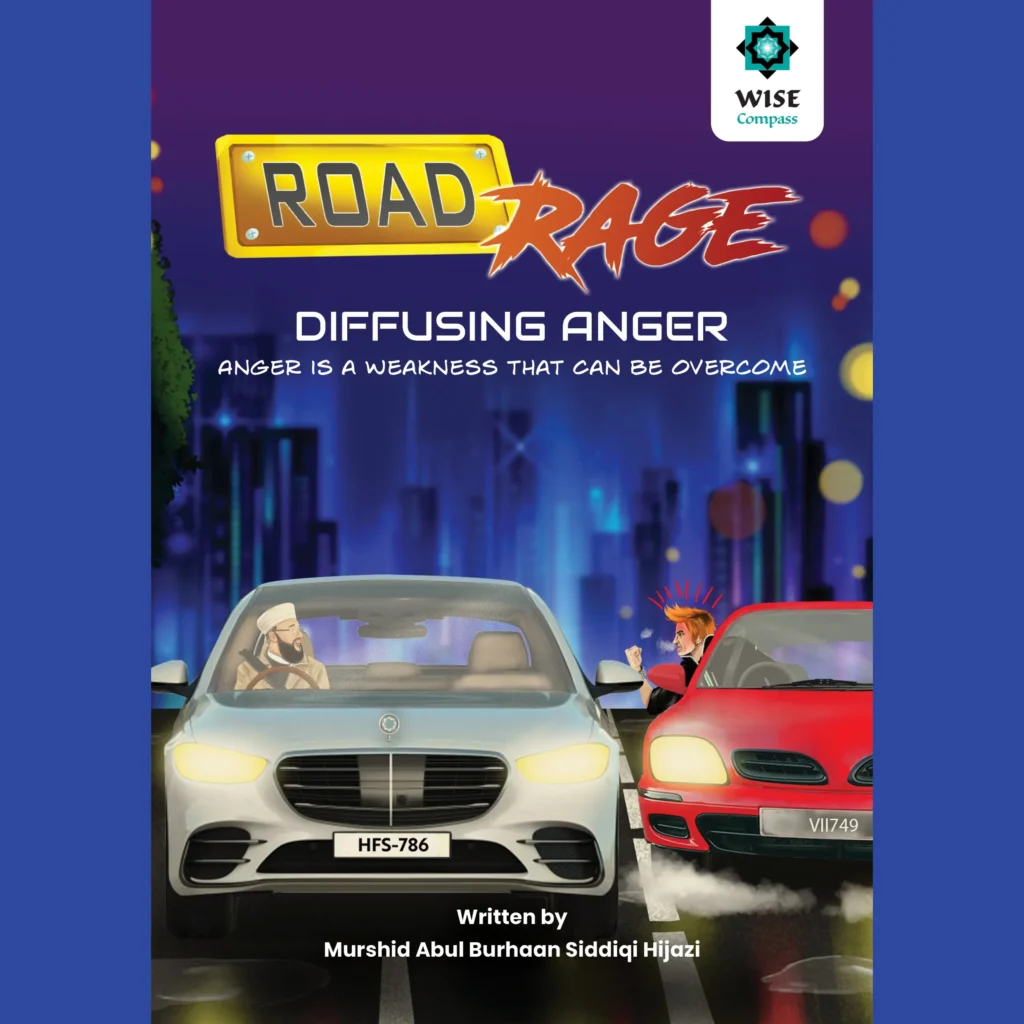
An angry man misdirects his frustration at an innocent Muslim on the street, expecting a fight or, at minimum, a sharp response. What he receives instead is something he did not anticipate at all: calm, warmth, and genuine kindness.
This unexpected response disarms him completely, and the story shows children in vivid, real-world terms exactly what the Prophet Muhammad ﷺ meant when he said that the strong person is not the one who wrestles others down but the one who controls themselves in anger.
This is one of the most practically useful Islamic moral stories for children because it is set in the modern, recognisable world, not a palace or a desert, but a street, a car, and an everyday flash of temper, making its lesson immediately applicable to the arguments, conflicts, and frustrations of daily life.
Islamic value: Hilm (forbearance/calm), controlling anger, and the prophetic example of responding to aggression with kindness.
Lesson: The most powerful response to anger is not matching it; a kind word can reach places that force never can.
Themes: Anger management, compassion, the power of good manners, the prophetic example.
Age: 9+ years
Read the story: Road Rage – Diffusing Anger
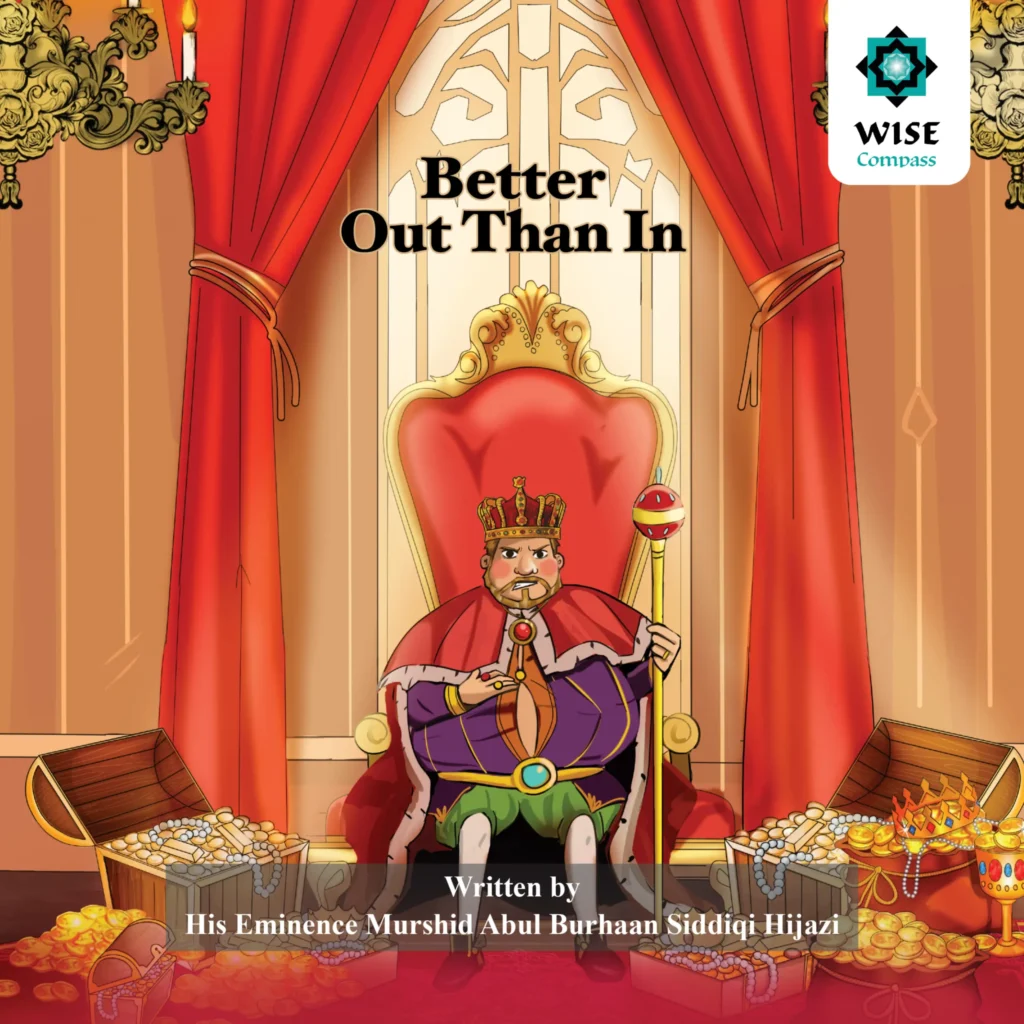
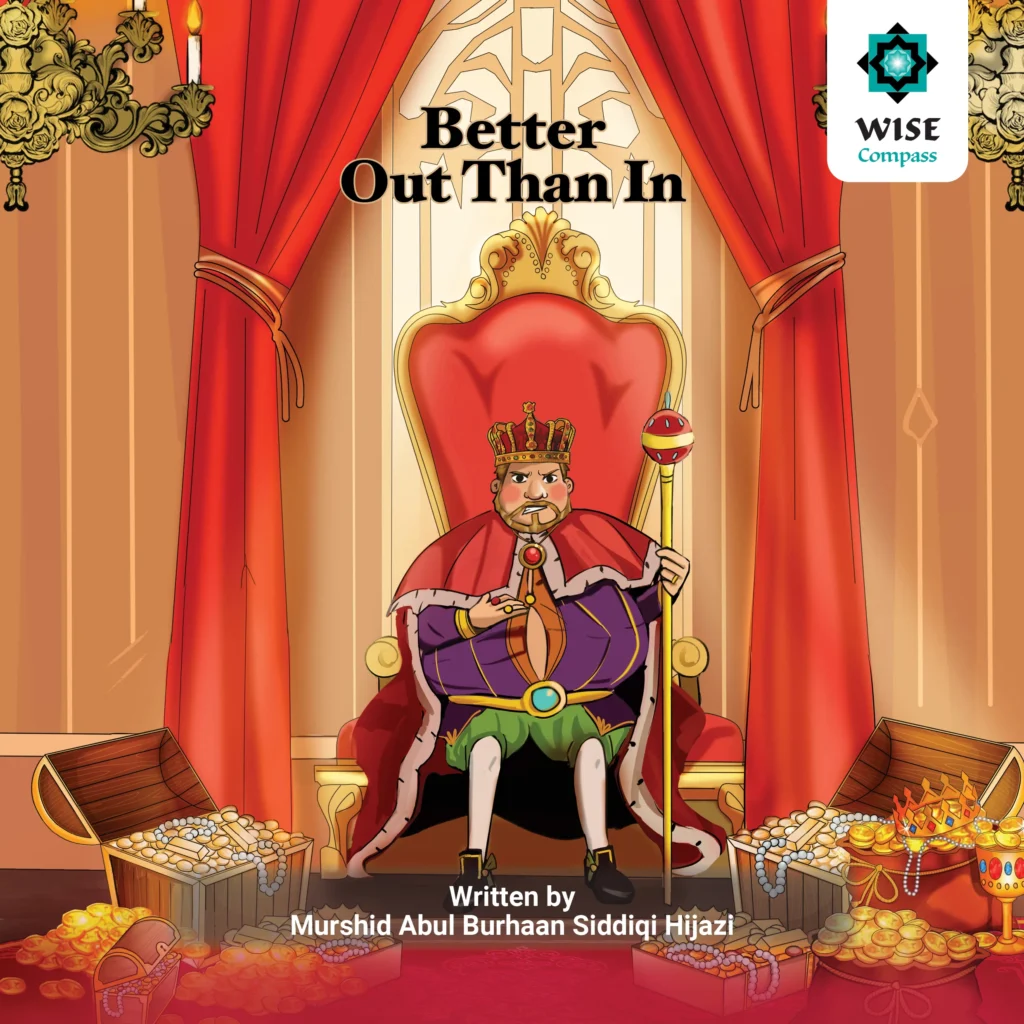
A king who has everything, gold, palaces, servants, and power is brought to a standstill by the most undignified of ailments: a terrible stomachache that no physician can cure. As he writhes in discomfort, stripped of everything his wealth cannot fix, a simple man with very little offers the insight that finally gives him relief, along with a lesson about where true wealth actually lives.
This wonderfully humorous and unexpectedly profound Islamic story about gratitude and contentment teaches children that the blessings they overlook every day, health, simple food, a functioning body, and the people who love them, are worth more than anything money can buy.
It is a perfect story for children who are developing materialistic tendencies or struggling to feel grateful for what they have.
Islamic values: Shukr (gratitude) and qana’ah (contentment with what Allah has given, recognising the blessings in simplicity).
Lesson: True wealth is found not in what you own but in recognising the priceless gifts Allah Almighty has already placed within you.
Themes: Gratitude, contentment, the illusion of material wealth, appreciating simple blessings.
Age: 7+ years
Read here: Better Out Than In
Husn al-akhlaq, a beautiful character, is not something children develop based on rules alone. It grows slowly through exposure to examples, through stories that make virtues feel desirable and vices feel unappealing, and through the gradual accumulation of a moral imagination shaped by faith.
The Prophet Muhammad ﷺ said, “The best of you are those with the best character.” Achieving that standard requires a lifetime of small moments and choices made in the right direction, rather than a single lesson.
Short Islamic moral stories for children are one of the most effective ways to fill a child’s moral imagination with those right directions, making honesty feel natural, arrogance feel foreign, compassion feel like strength, and gratitude feel like the only reasonable response to everything Allah Almighty has given.
Each story in this list instills a specific lesson. Read them one by one, talk about them together, and watch your child’s character grow quietly, steadily, in the right direction.
Parent tip: After each story, ask your child: “What did this character do that was right or wrong?”, “What would you have done?”, and “What’s one thing from this story we can try to do ourselves this week?” These three questions transform reading into genuine character-building.
Explore the full Wise Compass library
Also read: Islamic Stories That Strengthen Faith and Iman
Also read: Prophet Stories for Kids