








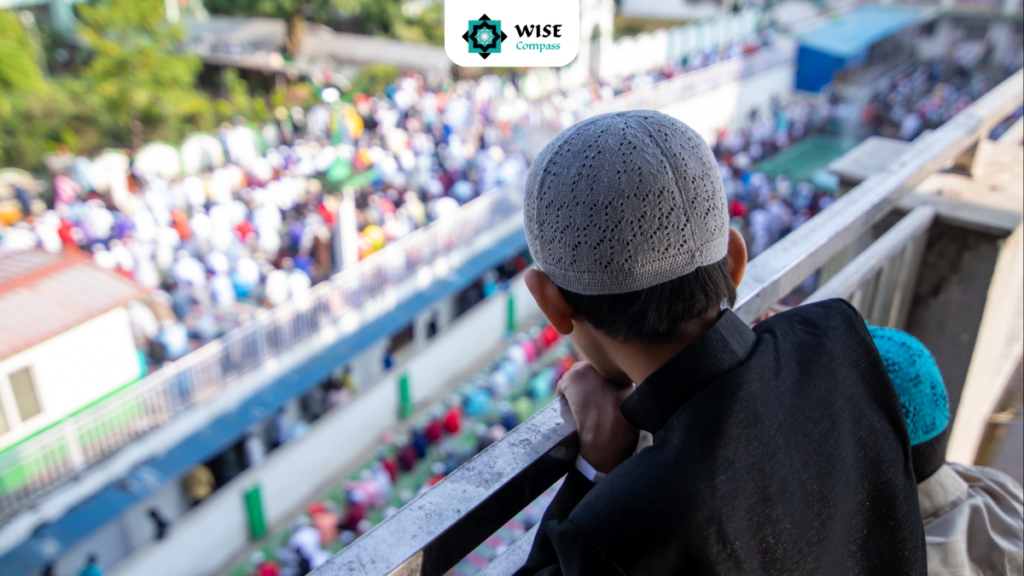
For the vast majority of the Muslim world, the answer to this question has long been settled in practice: yes. From West Africa to the Gulf, from South Asia to Southeast Asia, Mawlid al-Nabi has been marked for centuries as a beloved, mainstream expression of love for Prophet Muhammad ﷺ, embraced by some of the most respected scholars in Islamic history. It’s worth understanding why, as well as where a smaller body of scholarly opinion takes a more cautious view.
The permissibility and indeed the merit of celebrating Mawlid has been affirmed by generations of respected scholars across the Shafi’i, Maliki, and Hanafi schools, including towering classical figures such as Imam al-Suyuti and Ibn Hajar al-Haytami. Their reasoning rests on a straightforward principle: every individual element of a Mawlid gathering; reciting the Qur’an, sending blessings upon the Prophet ﷺ, sharing his story, feeding people, and expressing joy at his birth, is independently praiseworthy and firmly rooted in the Sunnah. Combining these good acts into an annual occasion doesn’t introduce anything objectionable; it simply gives structure to devotion that already exists.
Many scholars also point to a narration in which the Prophet ﷺ himself was asked why he fasted on Mondays and replied that it was the day he was born, understood by proponents as prophetic precedent for marking his birth with an act of gratitude. On this basis, celebrating Mawlid is widely classified as bid’ah hasanah, a good and rewarded innovation, on par with practices like compiling the Qur’an into a single mushaf or building minarets, neither done in the Prophet’s ﷺ time, yet universally embraced.
A smaller, though vocal, body of scholarship, largely within Salafi and some Hanbali circles, urges caution, holding that acts of devotion should mirror exactly what was practised by the earliest generations, without later additions regardless of good intention. This view deserves acknowledgement, even where the majority tradition takes a different path.
What tips the scholarly weight so heavily toward permissibility is that Mawlid, in substance, isn’t a new act of worship at all; it’s an established one (remembrance of the Prophet ﷺ) given a joyful, communal occasion. That’s precisely why it has flourished, largely unopposed, in the great centres of Islamic scholarship: Makkah, Madinah, Damascus, Cairo, and Baghdad for over 800 years.
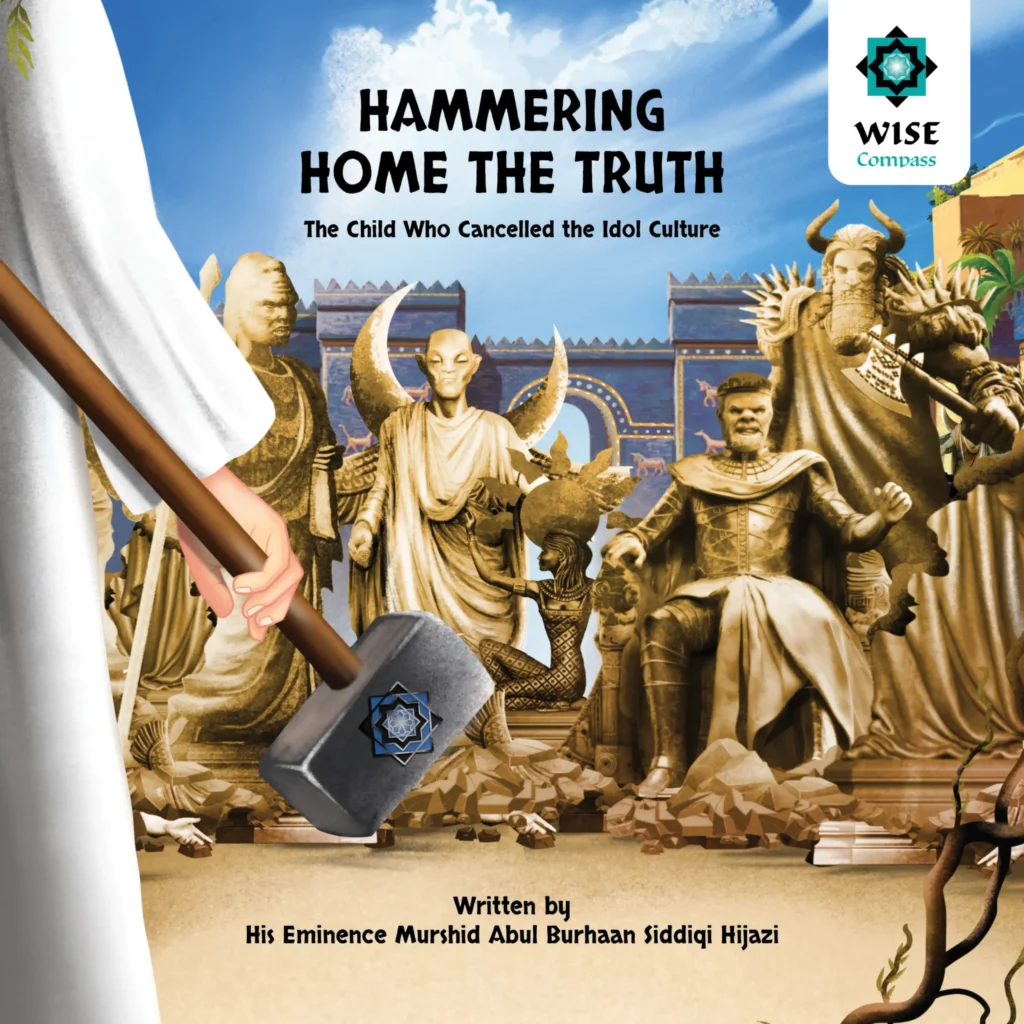
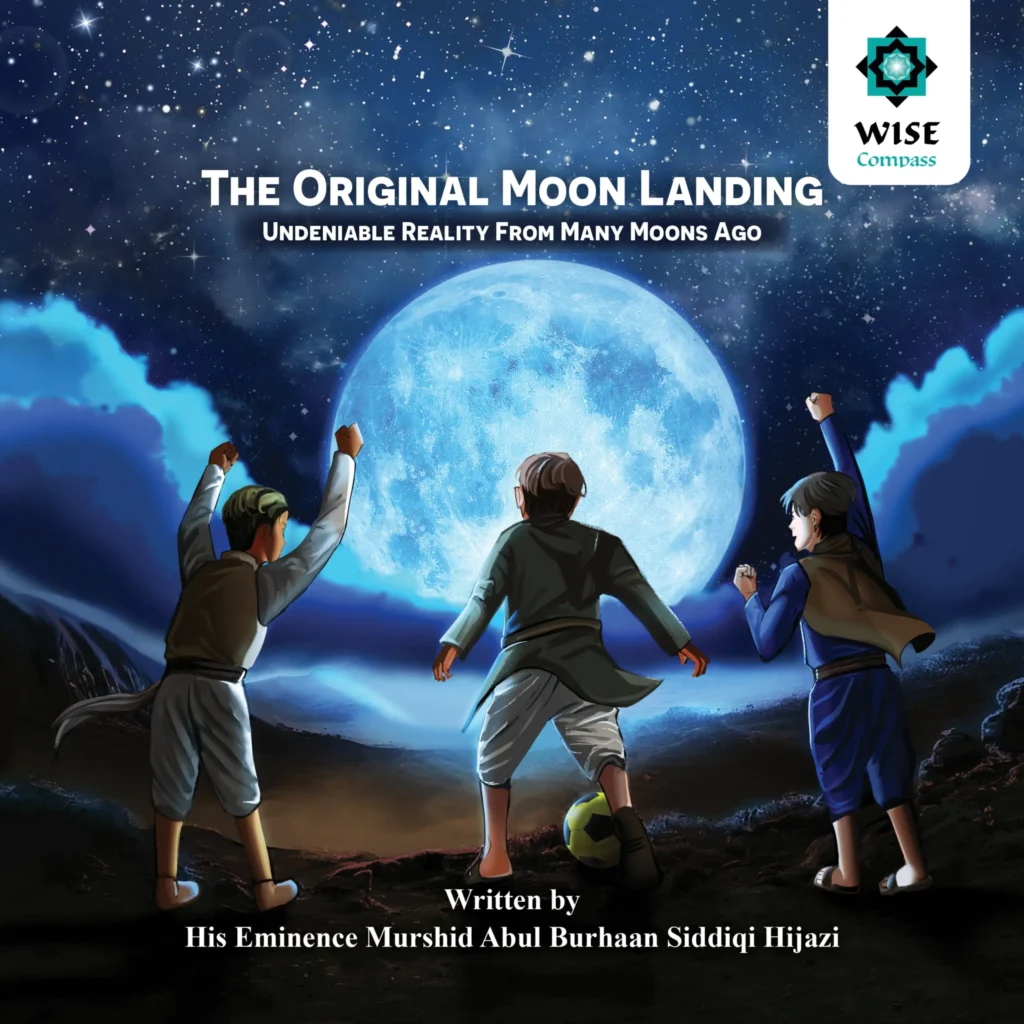
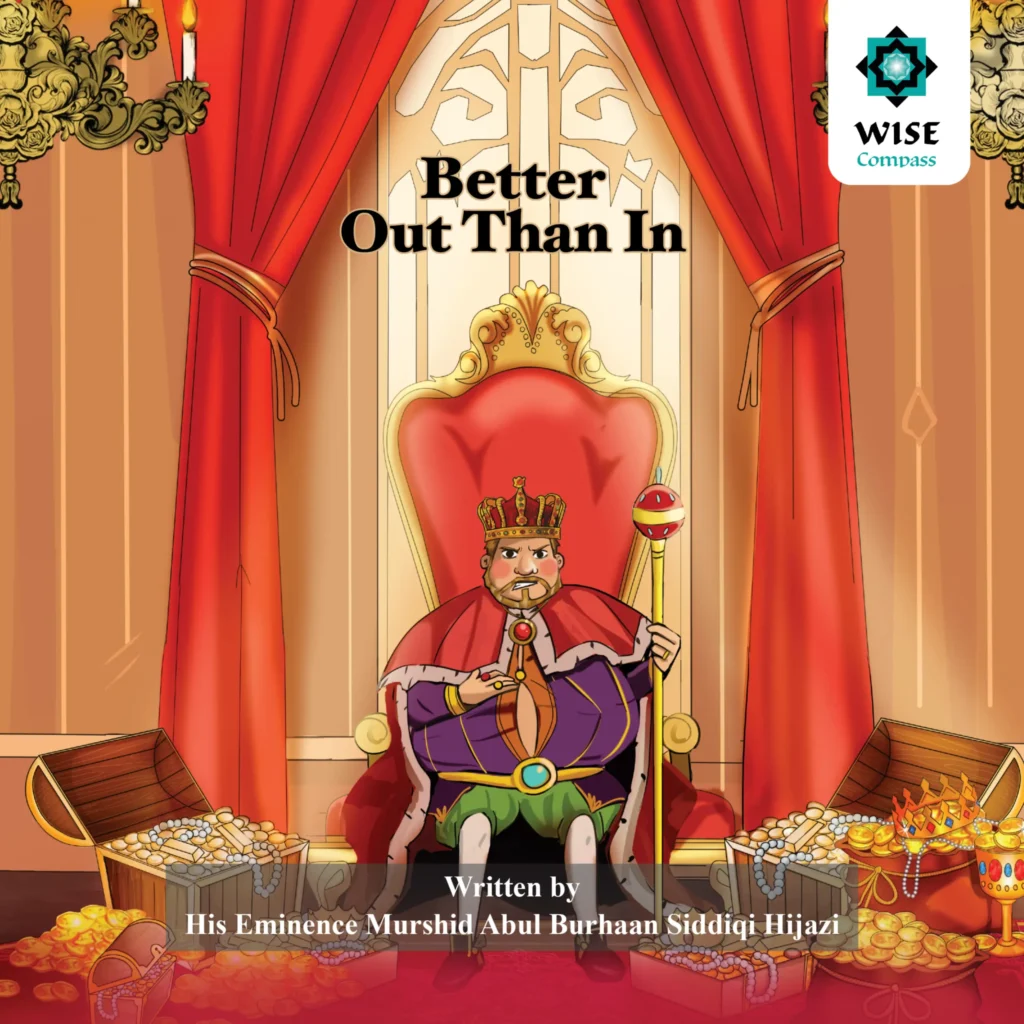
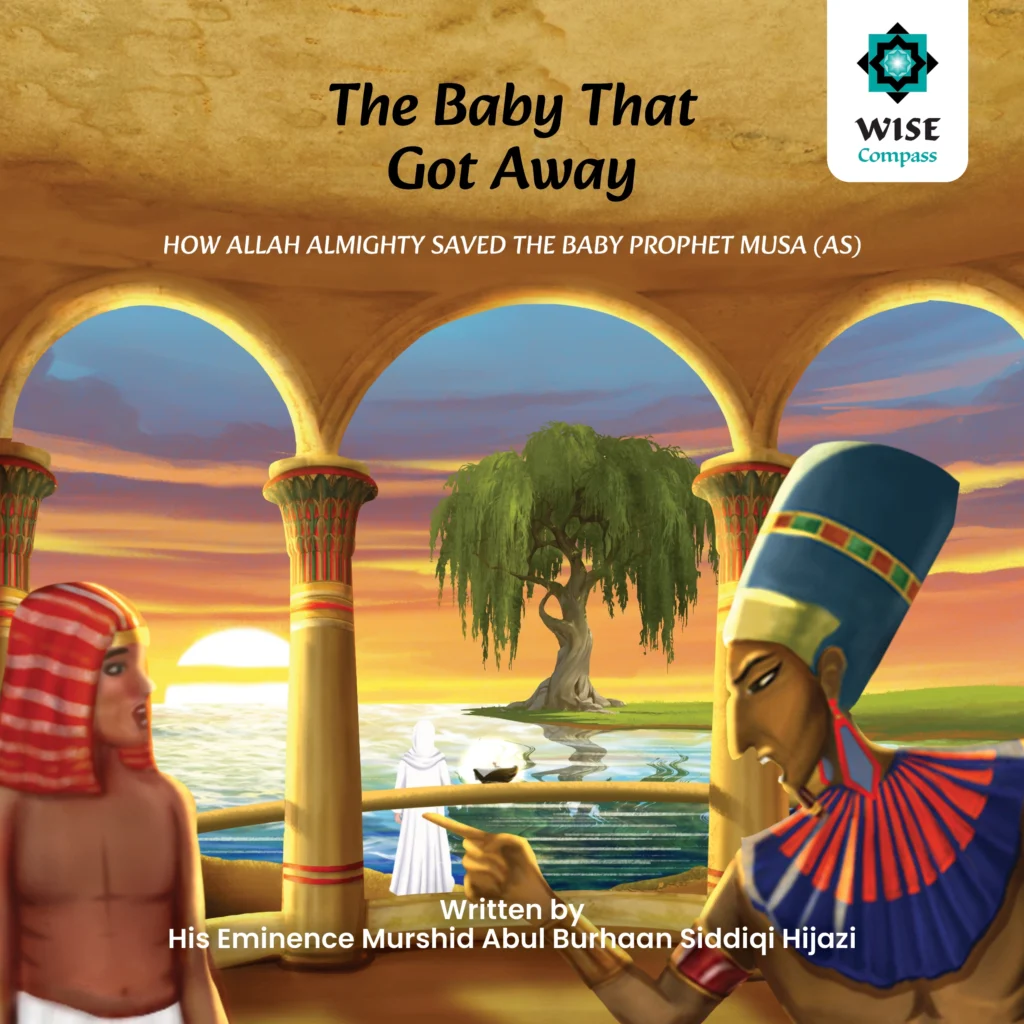
For families who wish to mark the occasion, the long-standing majority position offers real reassurance: reciting the seerah, gathering with loved ones, and reading Seerah books for kids together sits comfortably within a well-established, scholarly-endorsed tradition, not a fringe or questionable practice.
Ready to bring the Mawlid tradition into your own home? Our Seerah books for kids make it easy to share the Prophet’s ﷺ story with the next generation, in a way scholars across the centuries have encouraged.