




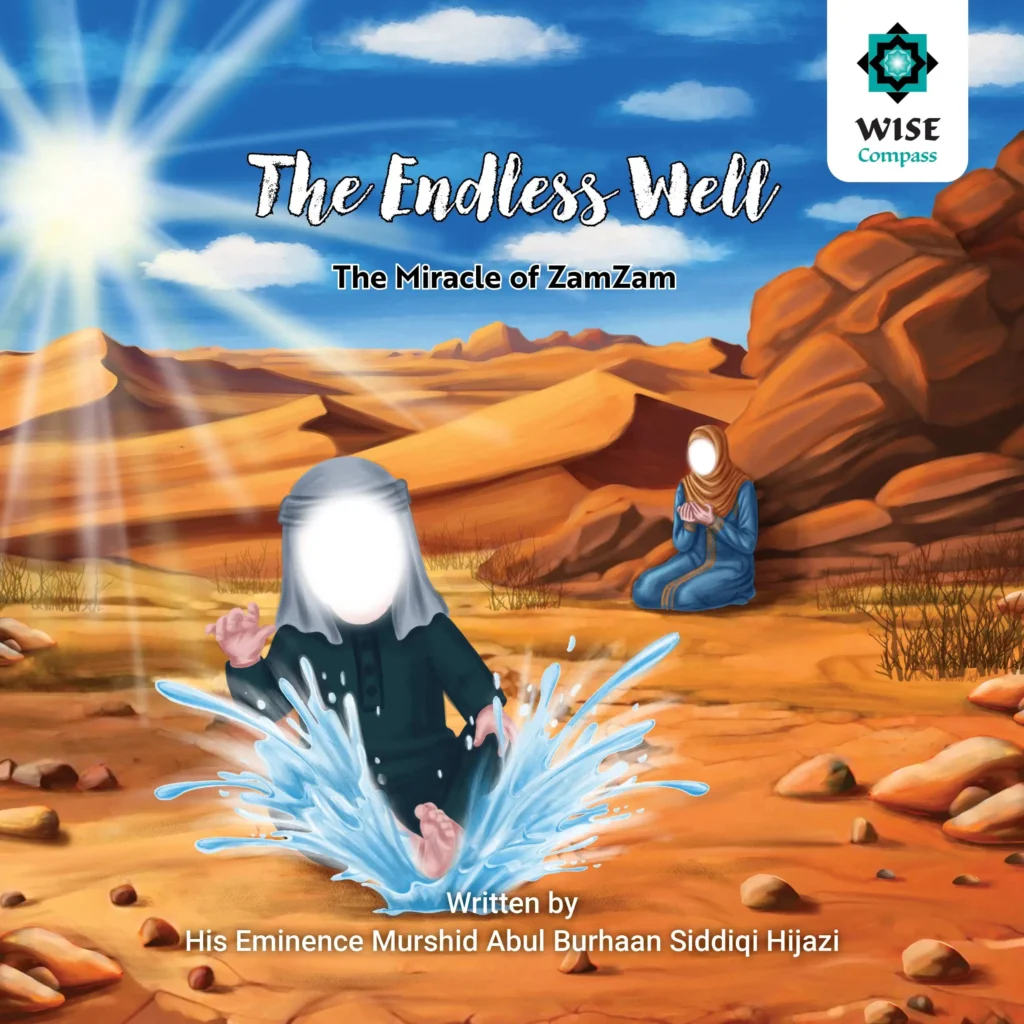

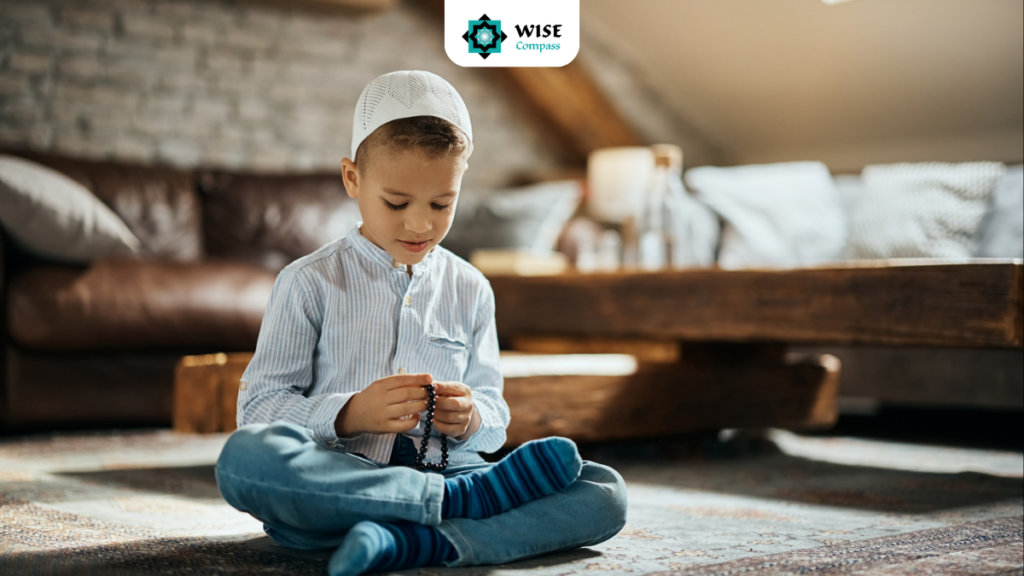
Purpose and values are ideas that all people contend with at some point in their life. Having a sense of purpose fills life with meaning, and good values help us navigate the complexities of life and connect with others kindly and responsibly. For a Muslim, recognising the purpose in life means connecting to Allah Almighty and leading a life of direction and goodness. Children may struggle with understanding purpose and values when these ideas are only spoken about rather than lived, felt, and connected to something bigger than daily rules.
Modern distractions, constant comparison, and a lack of real-life responsibility all weaken a child’s sense of who they are and obscure the best version of themselves they can be. As this continues, many parents notice the same pattern: a child who knows the ‘right’ answer in a lesson but does not act on it at home, or a teenager who seems unmoved by things that once mattered deeply to them or their loved ones. This is not usually a problem with discipline. It is an issue with understanding purpose.
Parents can help by modelling values consistently, linking everyday choices to a higher purpose rooted in faith. When children see purpose reflected in the adults around them and understand that their character matters to Allah Almighty, values stop feeling like rules and start feeling like identity. Parents can also use honest conversations and meaningful stories rather than lectures to help their children understand themselves better. This shift in their thinking, from obligation to belonging, is what helps a child’s sense of purpose and values take root for life.
Common Reasons Why Children Struggle and How You Can Help
Below are a number of the common reasons why children struggle to understand purpose and values and some practical steps you can take as a parent to help them overcome this struggle.
When children are told what to do without understanding why it matters, values stay on the surface. A rule like ‘do not lie’ might be followed out of fear of punishment, but it will not shape character unless a child understands how honesty is tied to trust, to their relationship with others, and ultimately to their relationship with Allah Almighty. Parents can help values take root better by explaining the ‘why’ behind every value, not just the ‘what’.
What You Can Do: Instead of simply telling your child to do something positive as an instruction or saying ‘because I said so’ as the reason, take some more time to explain the reasoning. It can be a simple and quick explanation if you are in a rush, but you should always offer the explanation. A child who understands why a value like patience, kindness or honesty matters will carry it into adulthood; a child who only obeys the command to perform a positive action will drop it the moment no one is watching.
Children struggle to hold onto values when they see no larger reason for having them. This is where faith becomes central. Allah Almighty describes the purpose of human life clearly in the noble Quran, and children benefit enormously from hearing this framed simply and often.
Allah Almighty tells us in the noble Quran, at Surah Al Dhaariyat (51), Verse 56:
وَمَا خَلَقْتُ ٱلْجِنَّ وَٱلْإِنسَ إِلَّا لِيَعْبُدُونِ
Wa maa khalaqtul jinna wal insa illaa liya’budoon
I did not create Jinn and mankind except to worship Me.
What You Can Do:
For younger children (ages 4-7 years), you can explain it in this way:
‘Allah Almighty made us for a special reason: to know Him, love Him, and be kind because that makes Him happy with us.’
For older children (ages 8-11 years), you can explain it in more depth:
‘Allah Almighty has created everything with a purpose and the abilities to fulfil that purpose. Human beings have been created to worship and connect to Allah Almighty. We have been given amazing abilities to help us in recognising, loving and choosing to worship Allah Almighty. Our ability to think rationally, make sensible choices, show kindness, honesty, respect, gratitude and selflessness and many other positive characteristics are all part of our tool kit to fulfil our purpose and please Allah Almighty. Fulfilling our purpose is what fills our lives with meaning and true happiness.’
When a child understands that their life has a built-in purpose given by their Creator, everyday values stop being random rules and start becoming part of who they are.
Values are ‘caught’ more than they are ‘taught’. If a parent apologises when they are wrong, keeps promises even when inconvenient, and speaks honestly under pressure, a child absorbs this behaviour and the values behind it far more deeply than any lecture. Inconsistency between what is said and what is done by an adult is one of the biggest reasons children disengage from values altogether.
What You Can Do: A powerful way to bring values to life and model them for children by example is through story. The Wise Compass story, Honour Amongst Thieves follows a young Muslim man who chooses truthfulness even when surrounded by danger, showing children that honesty is not just a rule for calm moments; it is a value that holds under real pressure. Stories like this let children witness values in action rather than simply being told to follow them.

It is recorded in Sahih Bukhari, Hadith 1, that holy Prophet Muhammad ﷺ said:
‘Actions are judged by intentions, and every person will get what they intended.’
This Hadith is a gentle but powerful tool for parents: it teaches children that values are not about appearances but about the sincerity behind their choices.
Children today are surrounded by comparison, whether through friends, school achievement, or social pressures. This can quietly plant seeds of pride or the belief that self-worth comes from status rather than good character. Left unchecked, this makes it harder for children to value humility, gratitude, and honesty over winning or being seen as impressive. Equally, the culture of comparison may cause insecurity or anxiety in children so that they do not feel like they are enough unless they are ‘validated’ by others. This makes it difficult for them to develop self-discipline and follow their own moral compass.
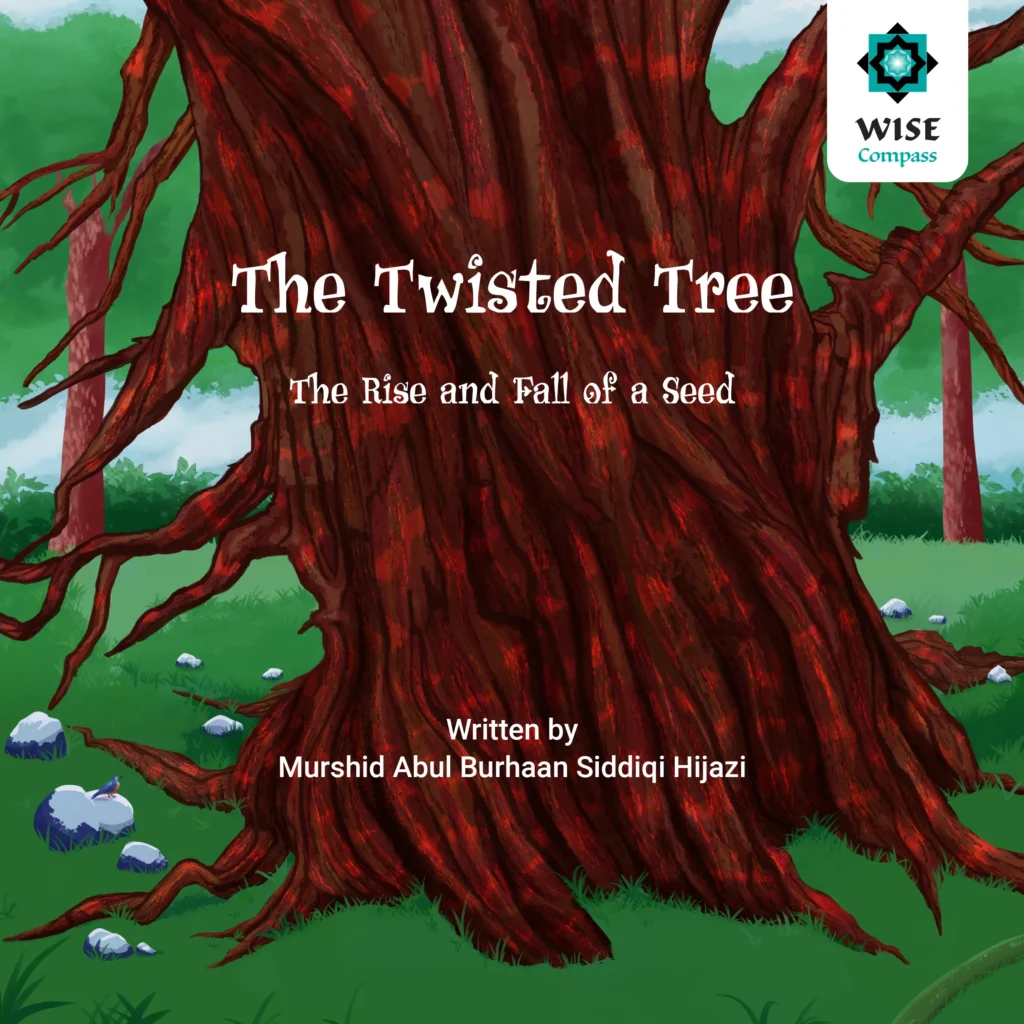
What You Can Do: Our story, The Twisted Tree explores the dangers of pride and arrogance very effectively through the journey of a tree that grows arrogant with its own strength, only to rediscover the truth that every gift comes from Allah Almighty. It is a gentle, non-preachy way to open conversation about humility with children aged 7-9 years and pairs well with other reflective reads in our books for age 7+ collection.
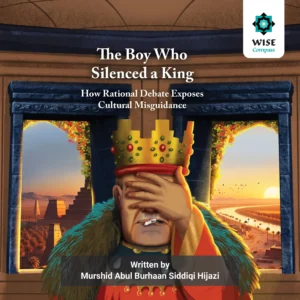
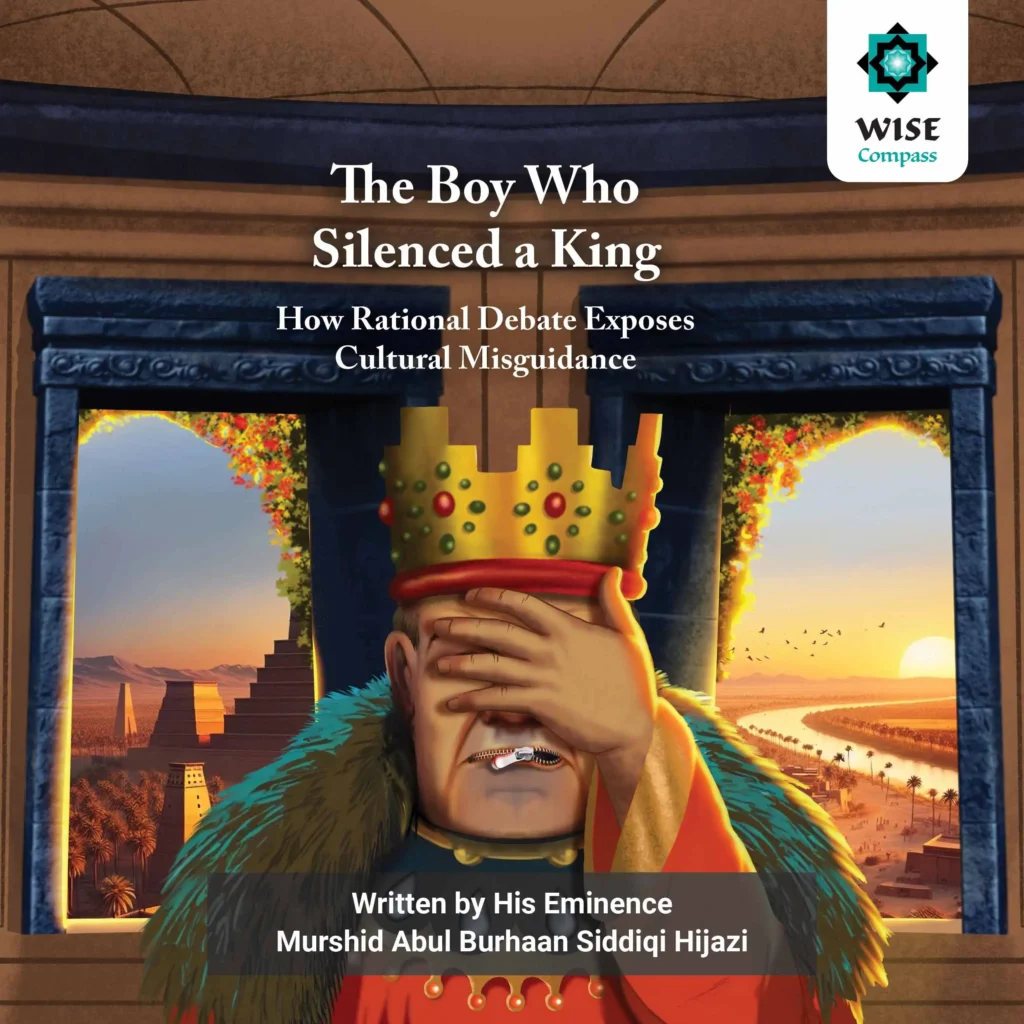
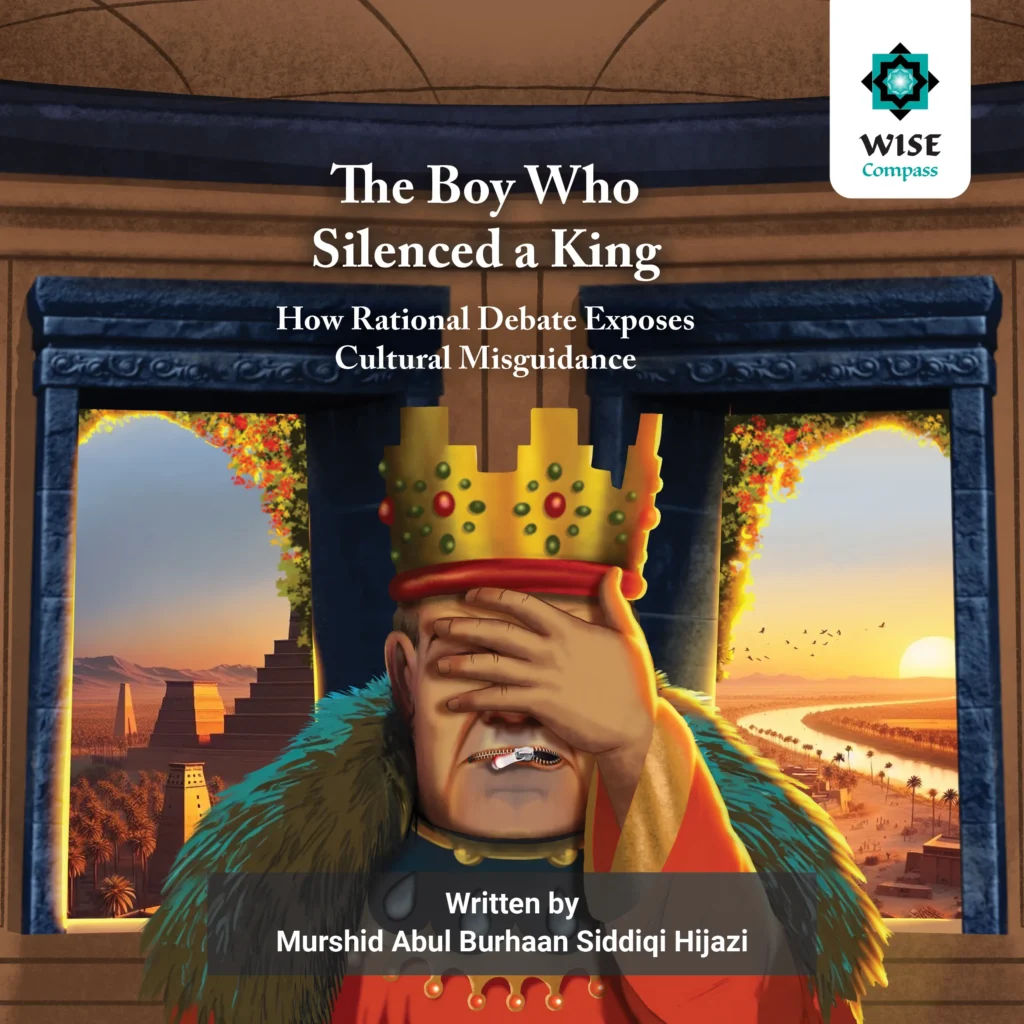
Our story, The Boy Who Silenced A King is intended for readers of 9-11 years and exemplifies a real life example of a truly confident Muslim child who stands up for truth rather than be swayed by popular opinion and whose confidence is based on his complete trust in Allah Almighty. It is an inspirational story for children, reminding them to be brave and think for themselves so that they make decisions based on purpose and principle.
Purpose is not only found through achievement; it is often found through working through difficult emotions such as sadness, confusion, or feeling lost. When children are not given safe space to talk about difficult feelings, they can begin to feel disconnected from meaning altogether, especially as they grow older.
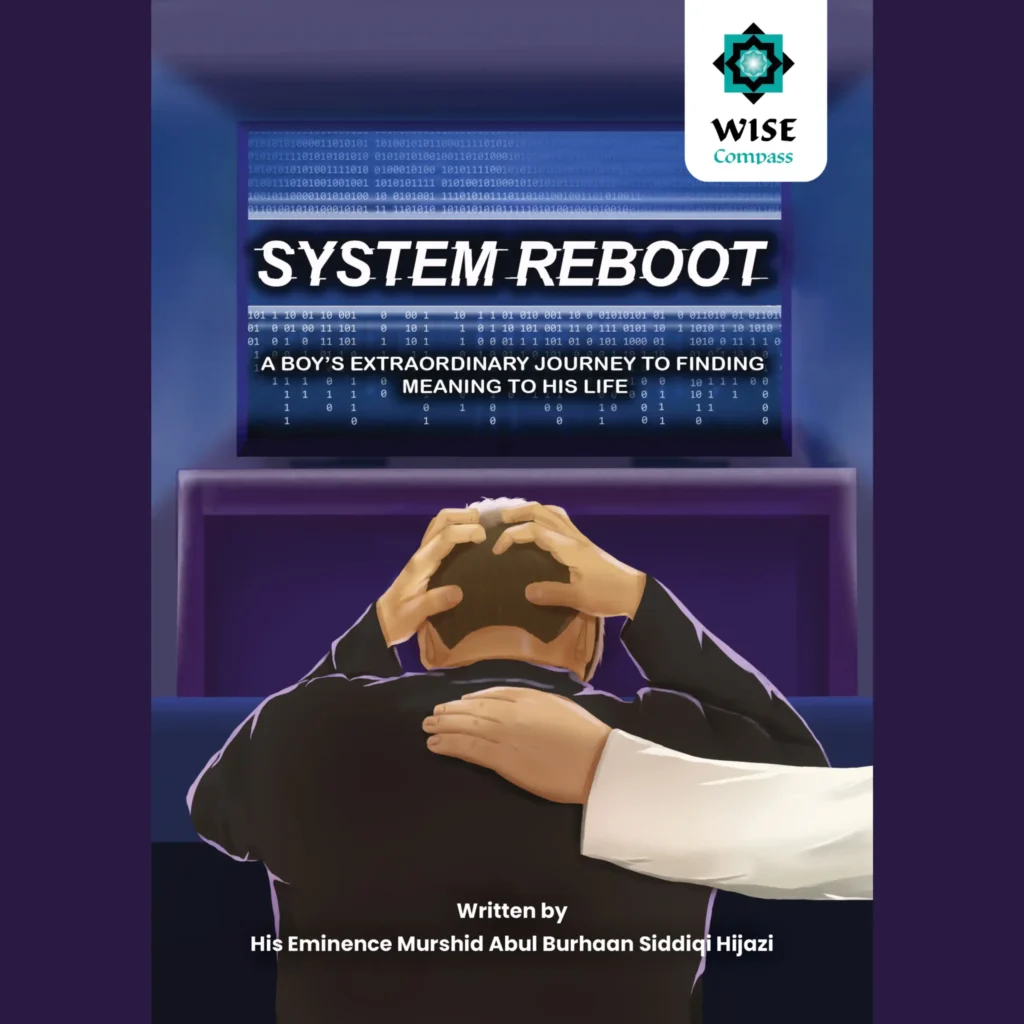
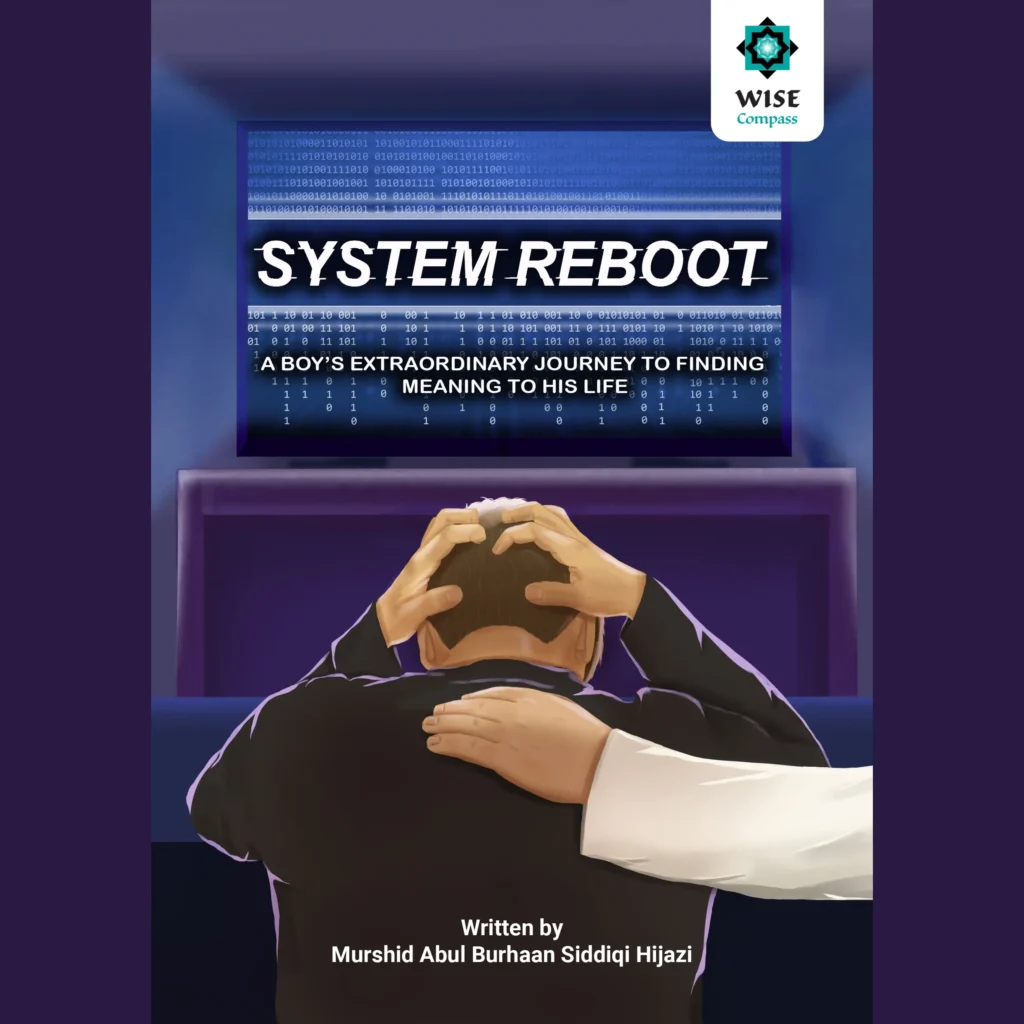
What You Can Do: For older children and early teens, our story System Reboot follows a boy named Shafeeq who feels weighed down and directionless and is gently guided back towards hope, reflection, and the purpose that Allah Almighty has placed in his life. It is a compassionate way to open conversations with children aged 11-13 years about low moments and mental health, without making the topic feel heavy or frightening. Parental guidance is recommended, and professional support should always be sought where mental health concerns are present.
Children build a sense of purpose partly through joining in and making their own contribution. When they are given no genuine responsibility at home, whether it is caring for a sibling, managing a small task, or contributing to family decisions, they miss the experience of mattering in a tangible way.
What You Can Do: Give age-appropriate responsibilities to your children and let your child see the real impact of their contribution. Express to them why their contribution is helpful and what impact it has as well as acknowledging their efforts. Even something as simple as explaining ‘because you remembered to feed the cat, she did not go hungry today’ helps them see the value in their efforts. This builds a sense of purpose that they experience for themselves, something that no lecture can replace.
Finally, children struggle to absorb values when they only see them as external expectations and something they ‘have to do’ rather than part of who they are and their self-expression. When values are associated with performative gestures rather than deliberate, sincere actions, children will dismiss them as just an obligation and disconnect from them. Helping a child reach the understanding that their values are part of their identity is instrumental to their development. It is how they can become the best version of themselves, when they shift from the attitude of ‘I have to tell the truth’ to ‘I am someone who tells the truth’. This is what helps them to become a truly productive, fulfilled and positive person in life.
What You Can Do: There are a number of ways to help your child recognise their purpose in life and absorb the Islamic values that will equip them to become the best Muslims they can be. You can help them connect purpose and values to their identity by:
The one thing that can help achieve all of these is to share Wise Compass stories with them so they are inspired and aspire to become the best people they can be.
This usually happens when values have been taught as rules rather than connected to meaning or identity. Children often understand what is expected of them and do not internalise why it matters. Reinforcing the reasoning behind a value, and modelling it consistently yourself, helps close this gap over time.
Children can begin absorbing simple ideas about purpose from as young as 4 or 5 years old, using very simple language and short explanations. As they grow, these ideas can be layered with more depth, context, and real-life application, particularly through stories and everyday conversations that positively reinforce them rather than formal lessons alone.
Stories allow children to witness values in action through a character they can relate to, rather than simply being told what to do. This makes abstract ideas like honesty, humility, or purpose feel concrete and emotionally real, which supports deeper, longer-lasting understanding than instruction alone. It also gives them the emotional and mental space to decide how to act on their understanding, and this sense of agency is important for them.
This is often a sign of disconnection in their understanding rather than defiance against values. You can help them reconnect through calm conversation rather than correction and by revisiting and clarifying the ‘why’ behind the ‘what’ in values. You should also consider whether your child needs more real responsibility, more open emotional conversations, or simply more consistent modelling at home.
This requires intentional, ongoing effort rather than a one-time conversation. Consistently modelling values at home, using accessible Islamic stories for kids to reinforce lessons, and creating regular safe space for honest conversation all help children in this journey. It helps them recognise, nurture and hold onto their identity and values even when their wider environment does not reflect the same priorities.
Yes. Well-crafted stories give children a safe emotional distance to explore big ideas like honesty, humility, and meaning through characters rather than direct confrontation. This often makes lessons land more gently and stay with children longer than direct instruction.
If you are looking for more ways to nurture purpose and develop good character at home, our library of Islamic stories for kids is designed to make these conversations feel natural, warm, and age-appropriate, whether your child is just starting their journey or growing into deeper reflection.