









Jummah is the day of Friday prayer and has such a special rank and importance in Islam that it is referred to as the ‘Eid’ of every week and Sayyid Al Ayaam (Leader of all Days). It is reported in Sunan Ibn Majah, Hadith 1098 that holy Prophet Muhammad ﷺ said:
‘This day (Jummah) is an Eid (day of celebration) which Allah (Almighty) has ordained for the Muslims. Whoever comes to Friday (prayer), let him take a bath and if he has perfume then let him put some on. And upon you (I urge, to use) is the tooth stick (Miswaak).’
It is also reported in Sunan Ibn Majah, Hadith 1084 that holy Prophet Muhammad ﷺ said:
‘Indeed, the day of Jumu‘ah (Friday) is the best of days and the greatest of them according to Allah Almighty. It is greater according to Allah Almighty than the Day of (Eid) Al Adha and the Day (Eid) of Al Fitr.’
Of course, it is not obligatory for children to attend Jummah prayer, nor is it always possible for them to partake in the ritual worship aspects of the day, such as arriving early at the Masjid, attending the Khutbah (Sermon) or joining the congregational prayer, as they will have school or studies to attend. However, it is highly recommended that you make the day of Jummah special for children so that they have their own positive habits and experience of this blessed day.
Making Jummah special for your child starts with treating Friday differently from any other days of the week, right from the moment it begins. Simple habits such as a mindful Thursday night routine, a joyful Friday morning routine, a short family story before school and having a favourite packed lunch can start the day with a sense of connection and excitement for children. Looking forward to a small role of serving the community and a favourite dinner item in the evening after school can round off their day with positive associations and help kids link Jummah with warmth and excitement rather than merely routine.
The key is consistency: when the same beloved rituals repeat every single week, children begin to look forward to Jummah the way they look forward to Eid. None of this requires anything expensive or complicated, just a little intention and a few minutes of parental effort each Jummah. Over time, these small weekly moments quietly build a child’s love for Ibaadah (Worship), Salah (Prescribed prayers), community and ultimately for Allah Almighty.
Children pick up on atmosphere before they understand meaning, so the easiest way to make Jummah feel different is to treat the day differently from its very beginning. This means changing the routine both on Thursday night and Friday morning. In the Islamic tradition, a new day begins at sunset (at the time of the Maghrib prayer) rather than at midnight or sunrise. So Islamically, the day of Jummah begins after Maghrib on Thursday.
In preparation for celebrating Jummah, and to make children feel excited about it, you can let them pick out their nicest clothes to wear the next day, the same way they might for Eid. Make their Thursday bedtime special in anticipation for the rest of Jummah by reading them an Islamic bedtime story and encouraging them to make a special intention for Jummah. You can support them to perform special Ibaadah (Worship) for Jummah too. For younger children this can be done through making a short personal Dua (Supplication) at bedtime, and for older children it can include reciting Surah Al Kahf with their parents, as this act carries great benefit. It is also reported in Mishkaat Al Masaabih, Hadith 2175, that holy Prophet Muhammad ﷺ said:
‘If anyone recites Surah Al Kahf on Friday, light will shine brightly for him till the next Friday.’
On Thursday night, encourage children to perform Wudhu (Ablution) and take Ghusul (Ritual bath). For younger children, this bathtime ritual on Thursday night ensures they are well rested and ready for Friday morning without a rush. For older children, this can be done on Jummah morning, if easier. You should remind children to brush their teeth more intentionally and mindfully using a Miswaak (Tooth stick) for Jummah. When they have dressed in their clean clothes, allow them a dab of Itr (Perfume) and a healthy, sweet treat (such as honey and dates) in their breakfast to help turn a normal morning into something they look forward to.
For younger children (ages 4-7 years), you can explain it in this way:
‘Jummah starts on Thursday night and is like the night before Eid. It is a day that Allah Almighty has made very special and we get to celebrate it by clearing our hearts, cleaning our bodies and being extra good on this day, to make Allah Almighty happy.’
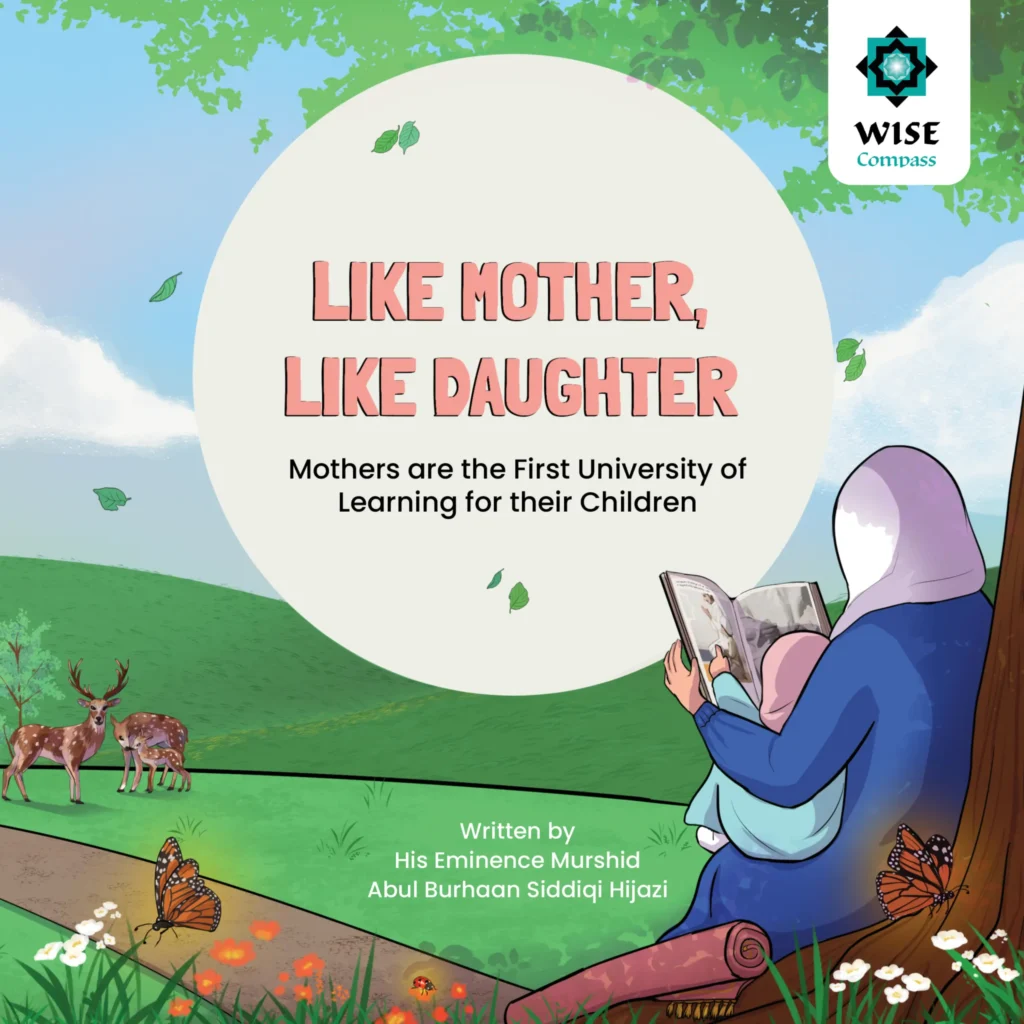
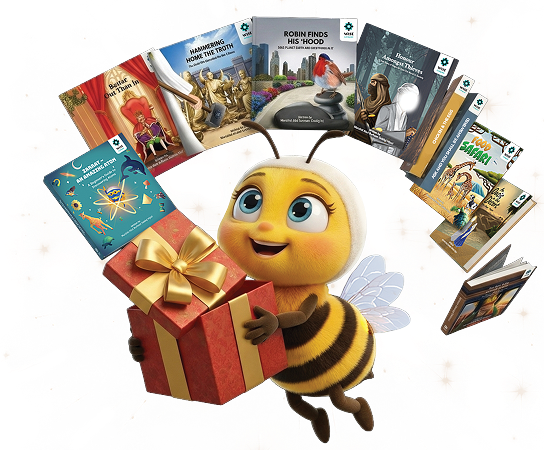
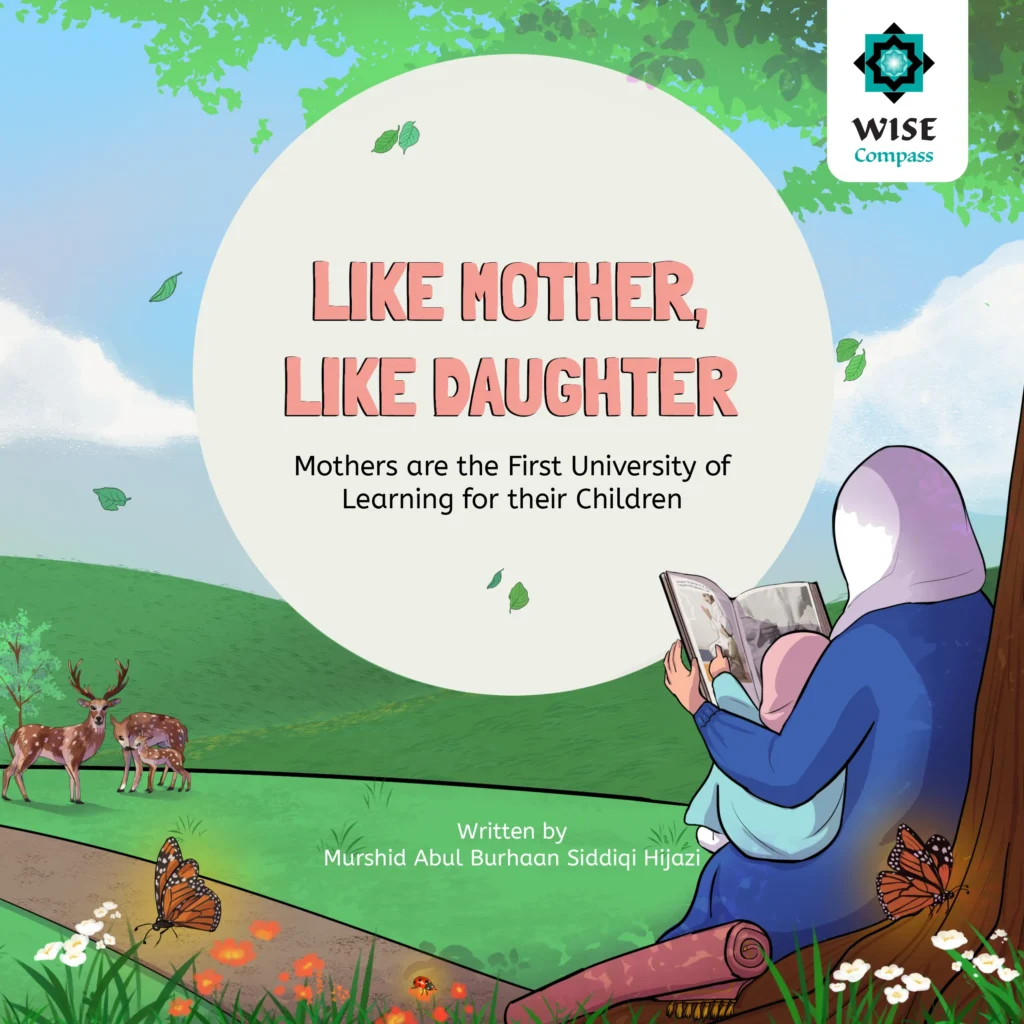
On the days when children can attend Jummah with their parents, it is a great idea to sit together ten minutes before you leave for the Masjid and read a story that echoes what Jummah prayer is really about: the community gathering to remember Allah Almighty. The story Like Mother, Like Daughter is a gentle way to open a conversation with young children about why we pray and what makes Salah such a special gift from Allah Almighty, making it a lovely companion piece to read just before heading out for Jummah prayers.
On Fridays when children cannot join in the prayers, make sure you have read a fun and inspiring Islamic story as part of bedtime the night before and discuss one of the thought-provoking Realisation Questions from it in the car ride to school. This marks Jummah as a day for self-care, thinking in depth, and self-accountability; all excellent tools for your child’s self-development.
For younger children (ages 4-7 years), you can explain it in this way:
‘Jummah day is like a special celebration every Friday, and Jummah prayer is where all our Muslim family and friends can come together to remember Allah Almighty.’
For older children (ages 8-12 years), you can discuss the deeper aspects of Jummah prayer so they can connect to it personally:
‘Jummah is a chance for every Muslim to focus, strengthen and reset for the week. We get to join together as a community to worship Allah Almighty and receive extra blessings that will help us every week, and throughout our life.’
If children can attend Jummah prayer, take a moment before the Khutbah (Sermon) begins to explain why this day is so beloved in Islam as well as the importance of the Jummah Khutbah. Allah Almighty tells us in the noble Quran, at Surah Al Jummah (62), Verse 9:
يَا أَيُّهَا الَّذِينَ آمَنُوا إِذَا نُودِيَ لِلصَّلَاةِ مِن يَوْمِ الْجُمُعَةِ فَاسْعَوْا إِلَىٰ ذِكْرِ اللَّهِ وَذَرُوا الْبَيْعَ ۚ ذَٰلِكُمْ خَيْرٌ لَّكُمْ إِن كُنتُمْ تَعْلَمُونَ
Yaa ayyuhal ladheena aamanoo idhaa noodiya lis-Salaati miny yawmil Jumu’ati fas’aw ilaa dhikrillaahi wa dharul bay’; dhaalikum khayrul lakum in kuntum ta’lamoon
O you who believe, when the call is made for prayer on Friday, hasten to the remembrance of Allah Almighty and leave off business. That is better for you, if you but knew.
If children cannot attend, make sure to tell them after school what the Imam (Congregational prayer leader) spoke about in the Khutbah. This special sermon is always beneficial and provides guidance for the listeners and learners.
Sharing even one line of the verse above and discussing verses or topics from the Khutbah with children each week, in words they understand, helps them feel they are part of something Allah Almighty Himself has asked believers to hurry towards.
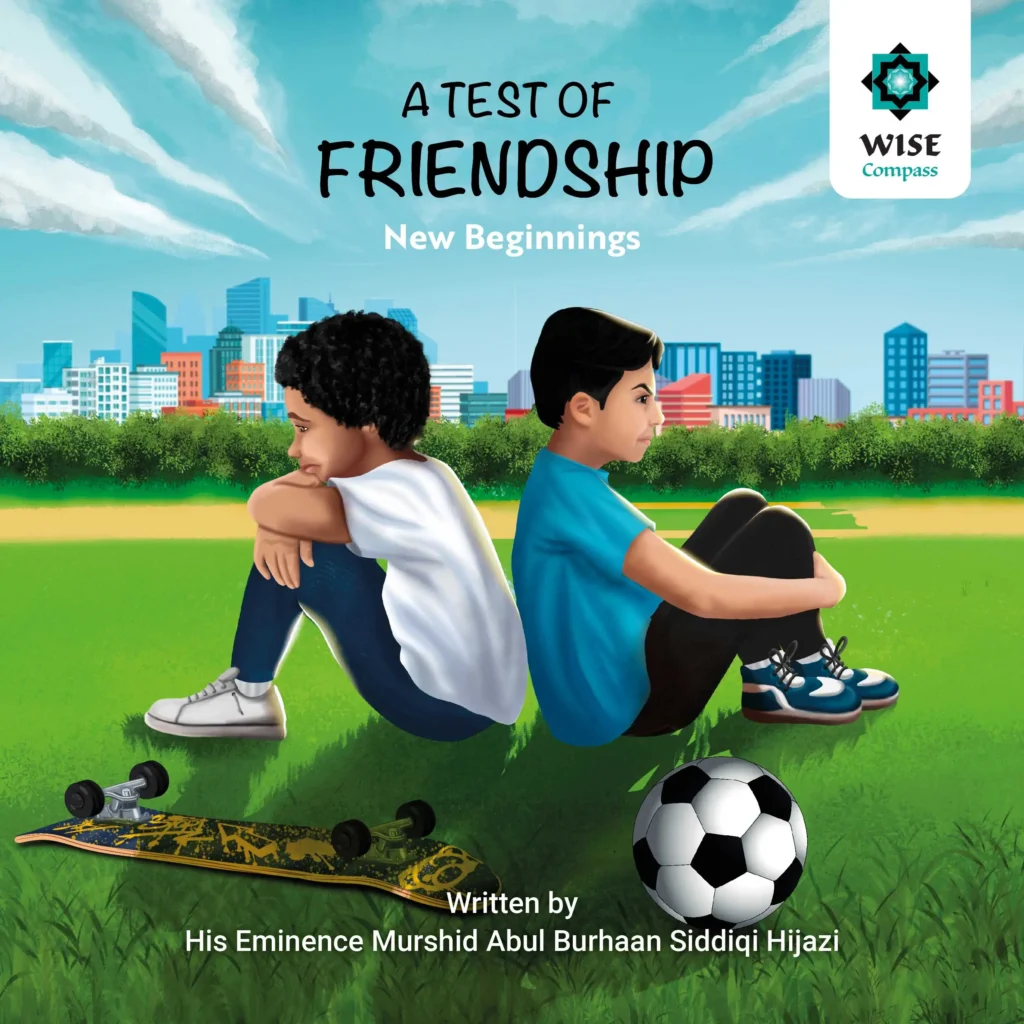
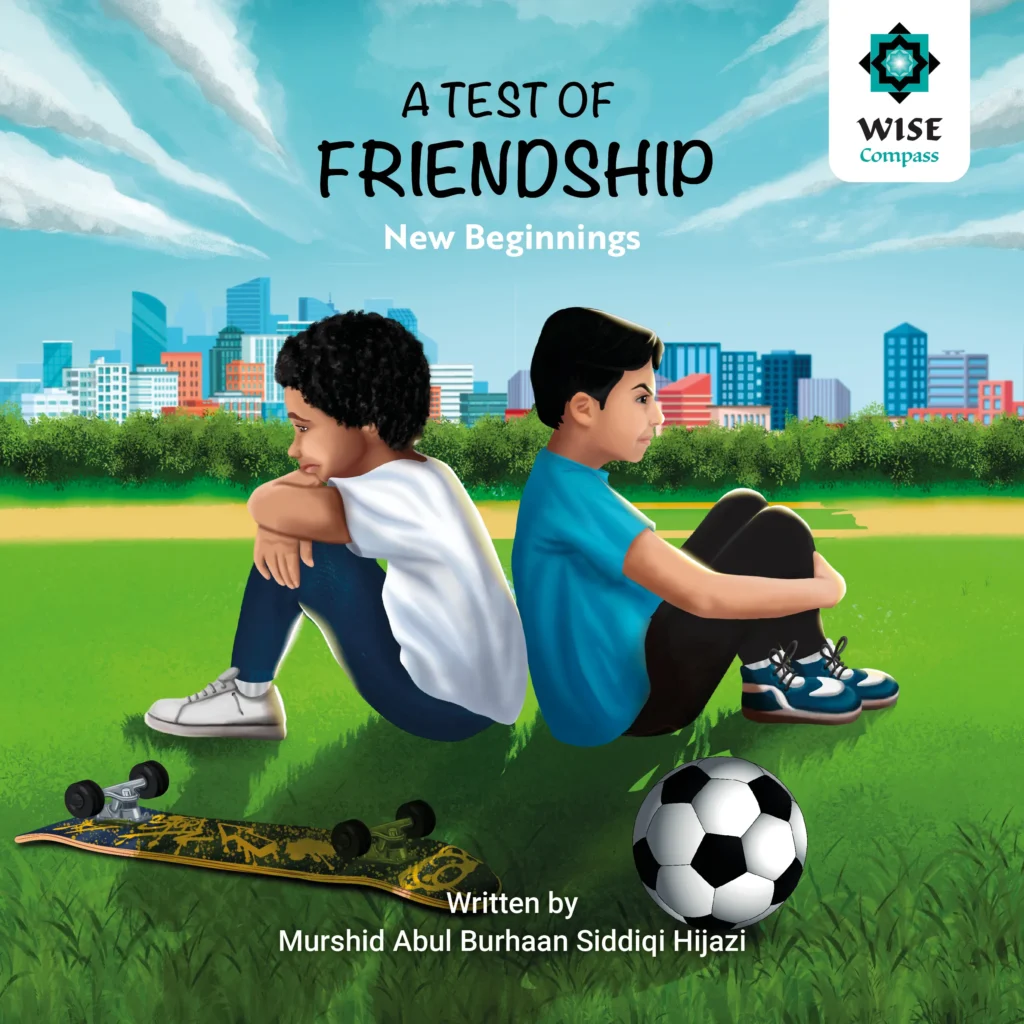
The short journey to the Masjid is often overlooked, but it is a natural moment for connection. Use it to talk about honesty, forgiveness and how true friends treat one another, themes children can relate to instantly. The story A Test of Friendship is a gentle option to discuss in the car or on the walk, since it shows how honesty and forgiveness can heal a friendship, values children will see reflected in the warmth and unity of the Jummah congregation itself.
Children feel proud and involved when they are given real responsibility rather than simply being told to sit and observe passively. Encourage them to mark the specialness of the day with a personal act of goodness that they perform every week. They could have a list of positive actions to choose from such as:
Help children understand why their small acts of good behaviour on this particular day carry extra weight by sharing with them the following Hadith (Prophetic saying). It is reported in Sahih Muslim, Hadith 854, that holy Prophet Muhammad ﷺ said:
‘The best day on which the sun has risen is Friday.’
Their dedicated roles on Jummah teach children a number of Islamic values, including responsibility, selflessness, humility, honesty and courage, in a practical way. Each of these priceless values can be very well paired with a suitable Wise Compass story for Thursday night.
The story A Bird’s Eye View follows a small babbler bird as he witnesses a human mob unfairly punishing a young boy. The bird tries to help the boy because he knows that no matter how big or small you are, every little helps. This moving story inspires even the smallest among us to stand tall and selflessly uphold our responsibility towards others.

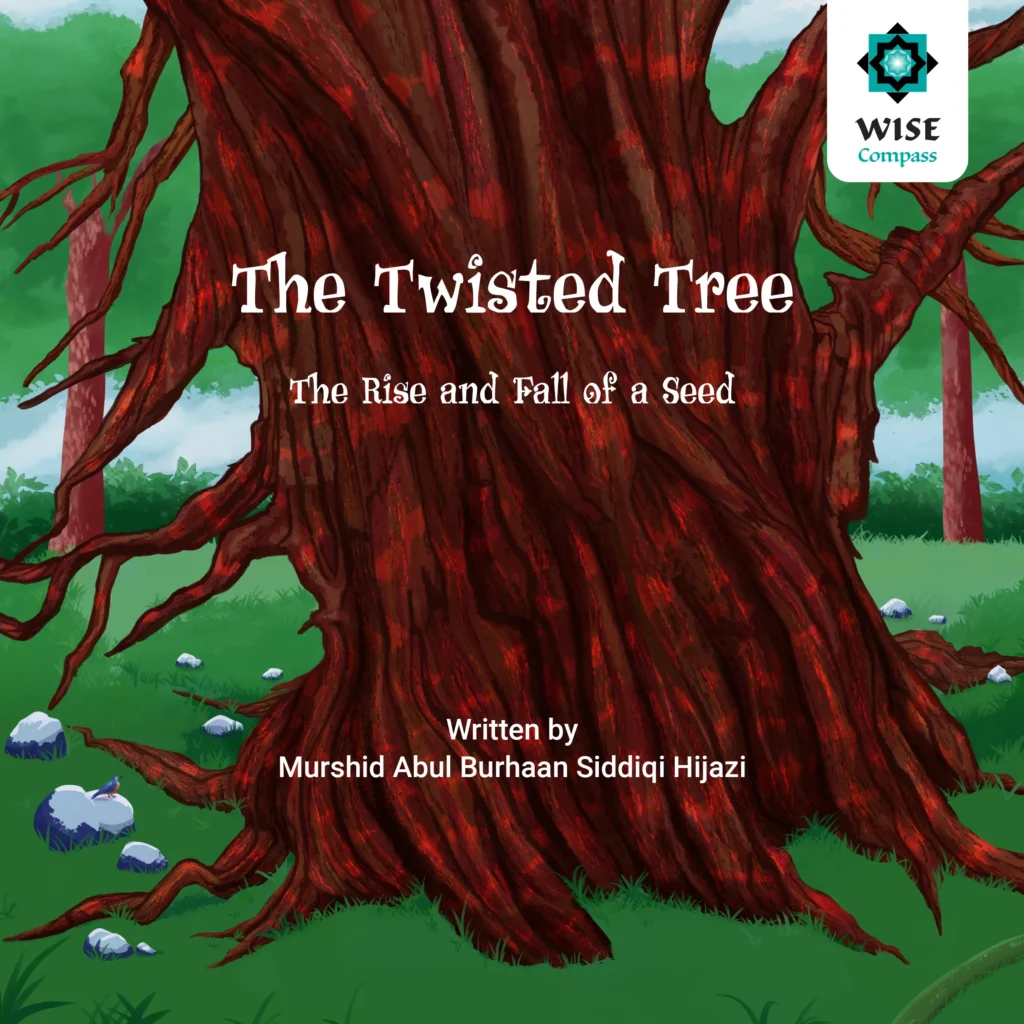
The Twisted Tree tells the tale of an ancient Redwood tree that grows too big for his own good despite his humble beginnings. His not-so-straightforward route to relearn the valuable lesson of humility is a reminder that every growing child needs it – at any age.
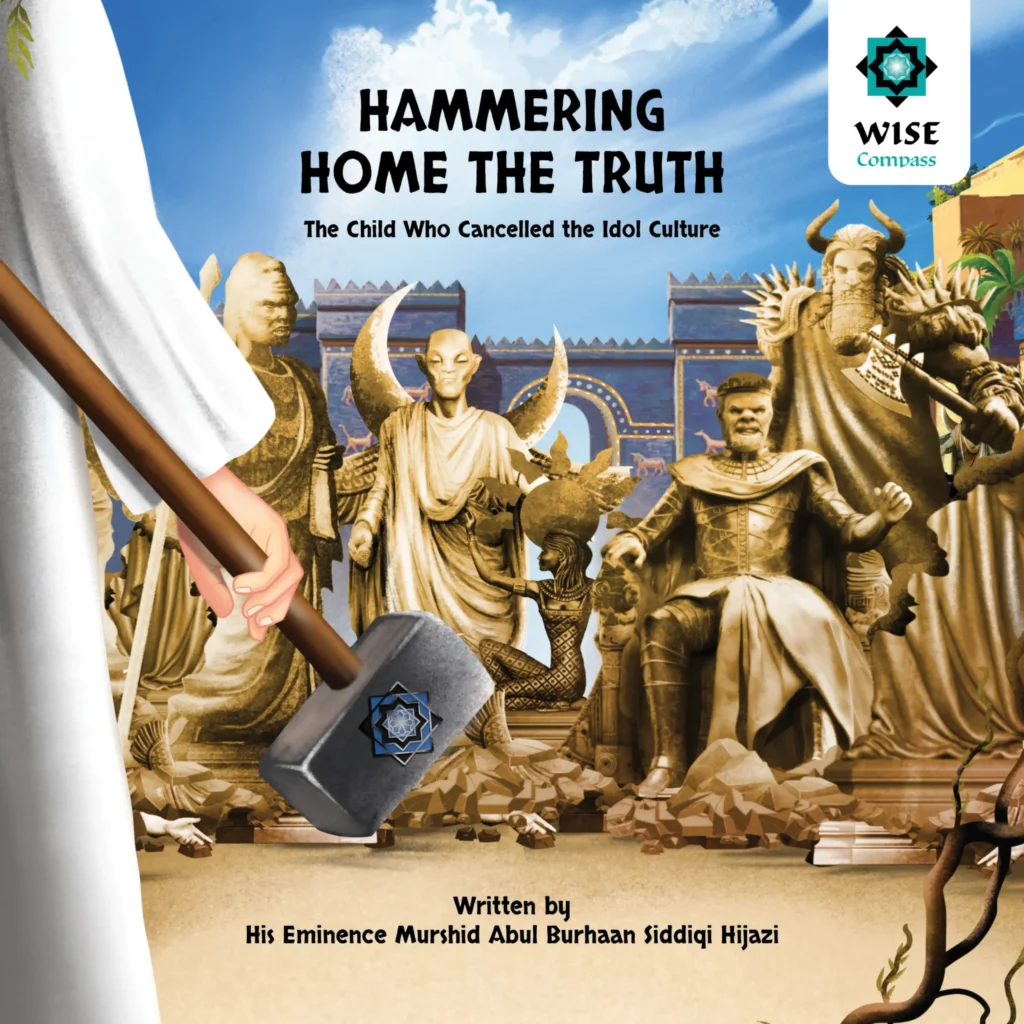
Honour Amongst Thieves is a powerful story that shows how a single act of honesty and courage, even under great pressure, can transform a difficult situation; a lesson that quietly reinforces why we behave with integrity every day, and especially on Jummah.

Just as Eid has its special foods, let Jummah have its own tradition and foods that the whole family can agree on and enjoy. Whether that is a healthy and sweet breakfast that incorporates Sunnah foods like dates, honey or oats. Or a favourite packed lunch to take to school to share with a friend. Or a hearty family dinner marked by a dessert reserved only for Fridays and eating together as a full family without distractions. Any of these touches can give them a recognisable ‘Friday routine’ that regulates their emotional safety and can fill the day with comforting traditions that form their beloved childhood memories. In this way, they will grow up associating Jummah with happiness, closeness, family and faith.
Before Friday bedtime, ask each child to share one thing they liked about Jummah that week, whether it was the lesson from the Khutbah, being able to serve someone, or the story you read together. Close Friday with a simple Dua as a family and make this a habit and family tradition. Closing the blessed day of Jummah like this helps the lessons of Jummah settle in your children’s hearts and begins the weekend with an act of devotion and remembrance of Allah Almighty.
Jummah is described in the noble Quran and Hadith as the best day of the week, superior even to the 2 annual Eids. It is a mass gathering of the whole Muslim community, including family, neighbours, friends, community members and guests, all coming together to offer the best form of prayer: Jamaat (Congregational prayer). It is a source of great blessing and unity and an act of worship that every able-bodied adult (particularly males) must perform.
Introducing children to the significance of Jummah early on in their life helps them build a natural love and respect for communal worship, Salah, the Masjid and joining in with the community. Rather than seeing Jummah prayer as an obligation imposed on them later in life, they will grow up understanding the significance of all aspects of the prayer and cherish the opportunity to receive from the blessings of such a wonderful day.
There is no obligation for children to join Jummah prayers, and no fixed age at which to start allowing them to join. However, many families begin bringing children from around the age of 4-7 years for shorter visits to the Masjid so that children can familiarise themselves with being in the peaceful environment of the Masjid. Parents gradually increase the time their children spend in the Masjid as the child grows and their ability to sit calmly develops.
By the ages of puberty, boys should have been softly introduced to Jummah and regular Jamaat prayers at the Masjid, as attending will be a responsibility upon them when they become adults. Likewise, it is good for girls to have some experience of congregational prayers in the women’s sections of the Masjid so that they have firsthand knowledge of such prayer and be part of a prayerful community. They are given exemption from Jamaat prayers being obligatory for them and instead should pray their Salah in the privacy and comfort of their homes.
On occasions when children are able to attend Jummah prayers, it is important for them to be prepared beforehand so that they know what to expect and how to behave. As the Khutbah is a solemn and significant part of Jummah prayer, it requires concentration, attentiveness and presence of mind to engage with the verses and topics being recited and discussed.
To help children do this, you can prepare them by sharing a short story or explanation of what the Khutbah will be about so that they can already be in a thoughtful state, ready to listen. Pairing this with a quiet physical focus for them, such as carrying their own prayer mat or reciting something simple using prayer beads in their hands, can help younger children stay settled without disrupting others.
Reluctance towards unknown places, unfamiliar rituals or anything that requires effort can be commonplace for children of different ages. It is important to recognise that this can and does usually improve when Salah (in general) and Jummah (in particular) are associated with positive experiences rather than pressure. To help your child form their own positive associations with Jummah, you should introduce and maintain consistent activities on Friday with them, such as a favourite story beforehand, a special meal afterwards, or a small responsibility at the Masjid that makes the child feel valued.
The activities should begin with a focus on how the child feels and can be increased in skill and depth as the child grows older, so eventually attending Jummah as a young adult becomes easy and natural. But always, every activity should be linked back to the blessings of Jummah so the child grows up feeling and consciously knowing how special Jummah is for them.
While there is no single Dua exclusive to Jummah or children, teaching them simple Duas for entering and exiting the Masjid and for after Salah is a gentle starting point. Alongside these, every child should be taught how to send Durood (Salutations) upon holy Prophet Muhammad ﷺ, and be encouraged to do so on Jummah just as all Muslims are.
Many families cannot pray Jummah Salah together due to busy work and education timetables, but they can still have Jummah traditions around the day that allow them to enjoy the blessings of this special day together. Families where either parent is busy with work and therefore unavailable for praying Jummah together can prioritise their available time to mark the day as special in some way.
Incorporating a special Jummah morning breakfast or Jummah night dinner into the family routine brings everyone together despite busy timetables. You can use dinner time for family story-reading, reflection and Dua so that the sense of a shared, special day is preserved even if the Jummah prayer itself is attended separately or as circumstances allow.