












Ramadan is a month that touches every part of daily life. From the early morning quiet of Sehri to the shared joy of Iftar, fasting shapes the rhythm of the day and creates moments of reflection, patience, and togetherness. For many families, one of the most common questions is who is required to fast, and how children can be meaningfully involved in this special time, even before fasting becomes an obligation for them.
Fasting in Ramadan is a central act of worship in Islam, and it is compulsory for a Muslim who meets three important conditions.
When these three conditions are met, fasting becomes an obligation during the month of Ramadan.
There are, however, situations in which a person who meets these conditions is still allowed not to fast. This includes a traveller, a menstruating woman, and a woman experiencing post-natal bleeding. These exemptions reflect the balance within Islamic teachings, where devotion is paired with care for physical and emotional well-being. Fasting is meant to draw a person closer to Allah Almighty, not to cause harm or undue hardship.
For children, this means something gentle and encouraging. A child who has not yet reached the age of puberty is not obliged to fast. There is no requirement placed on them to complete the full fast from dawn to sunset. At the same time, if a child feels able to try fasting without any harm, it is recommended for them to do so. This creates an opportunity for learning and growth rather than pressure or fear of falling short.
Fasting is not only about refraining from food and drink. It is also about patience, kindness, self-control, and awareness of others. These values can be introduced to children in simple, practical ways that make them feel included in the wider experience of Ramadan.
One approach that many families find helpful is the idea of a “half-fast.” A child may choose to fast for part of the day, perhaps from Sehri until midday, or from midday until Iftar. This allows them to experience what fasting feels like without the physical strain of a full day. Some families even create small charts or calendars where children can mark the days they complete a half-fast or a longer fast. This turns the experience into something positive and motivating rather than overwhelming.
Sehri, the pre-dawn meal, can become a quiet and meaningful family moment. Waking children gently to join the family at the table, even if they only have a small bite or a drink of water, helps them feel part of the rhythm of Ramadan. Afterward, praying Fajr together can leave a strong impression. It shows children that worship is something done as a family, not just as individuals.
These early mornings often stay in a child’s memory. The soft light before sunrise, the calm of the house, and the shared sense of purpose can all shape how they remember Ramadan as they grow older.
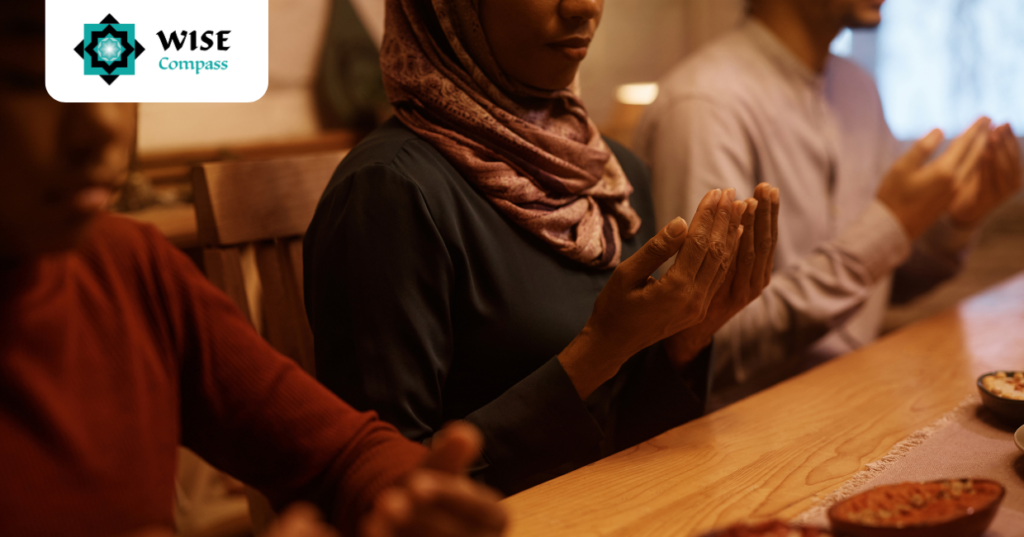
The moment of Iftar, when the fast is broken, carries a special joy. It is also a perfect time to teach children about generosity and gratitude. In Islam, there is great reward in feeding a fasting person, and this idea can be brought to life in simple ways.
Children can help prepare the table, arrange dates and water, or assist in the kitchen with age-appropriate tasks. Some families involve their children in preparing a small portion of food to share with a neighbour, a friend, or someone in need. These actions help connect fasting with kindness and service, showing that Ramadan is not only about personal worship, but also about caring for others.
Even if children are not praying the full Taraweeh Salah, they can still take part in the atmosphere of the night. Sitting quietly in the mosque or at home, listening to recitation, or praying a few Rakats alongside their parents helps them feel included. Over time, this familiarity can grow into confidence and a deeper appreciation for night prayer.
Ramadan is often described as a month of multiplied rewards. This idea can be especially inspiring for children. Simple conversations about how small acts of kindness, honesty, and patience are valued by Allah Almighty can encourage them to look for opportunities to do good.
Whether it is helping a sibling, speaking kindly, or giving a small amount in charity, these actions can become part of a child’s personal Ramadan journey. Fasting, in this way, becomes more than a physical act. It becomes a doorway into a broader understanding of faith, character, and compassion.
As children grow, their involvement in fasting naturally changes. What begins as a half-day experience or a shared Sehri or Iftar meal slowly becomes full days of fasting and deeper participation in worship. This gradual approach allows them to build strength, confidence, and understanding at their own pace.
Ramadan offers families a unique opportunity to walk this path together. By creating an environment that is supportive, patient, and encouraging, parents can help children see fasting not as a burden, but as a meaningful and rewarding part of their faith. In doing so, they plant seeds that can grow into a lifelong connection with the spirit of Ramadan and the values it seeks to nurture. Take a look at the Ramadan Activities – or reward charts available at Wise Compass.