


Allah Almighty has created nature to be purposeful and balanced
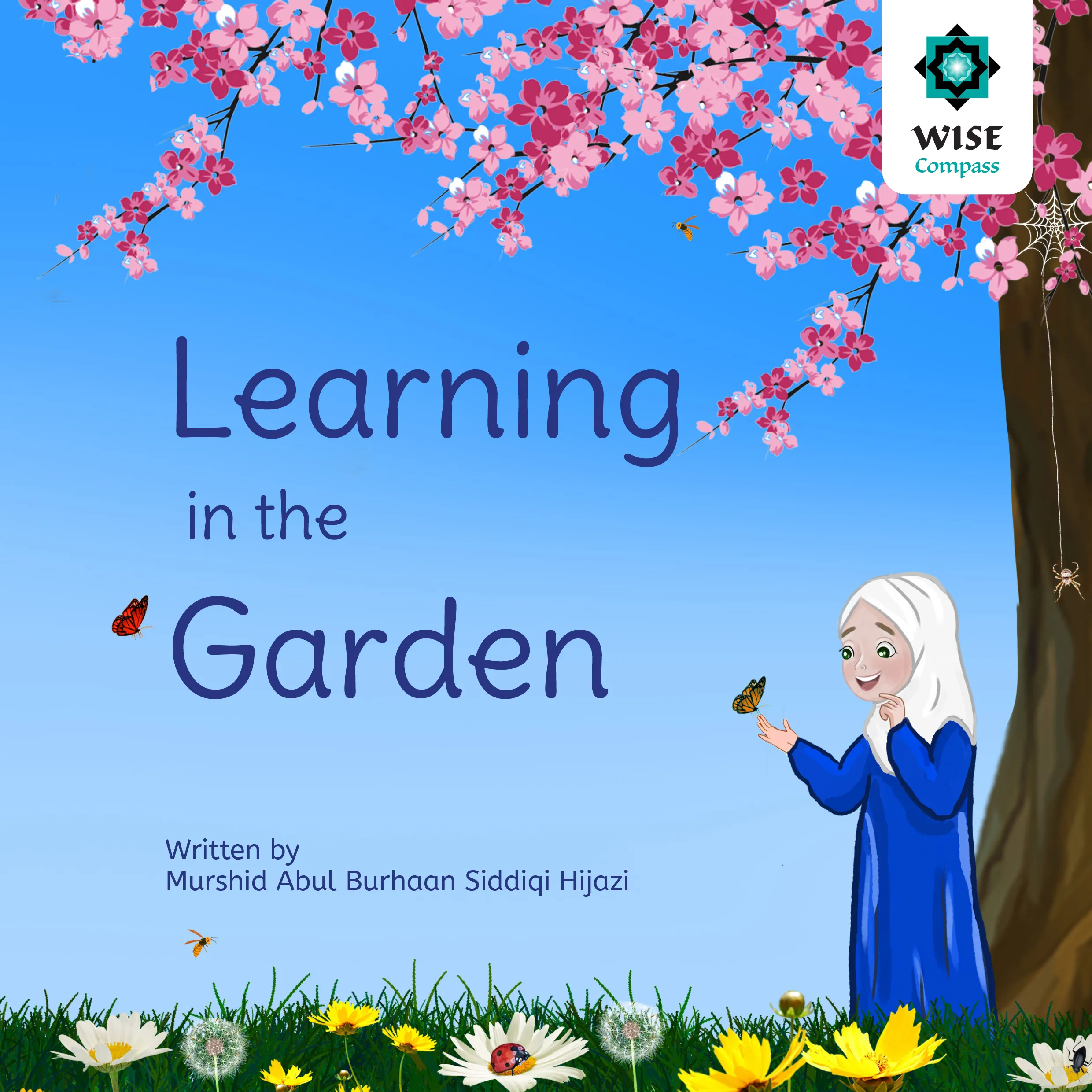
Learning in the Garden draws its inspiration directly from the noble Quran's own description of a garden — one that shows how even the smallest details of soil, water and fruit are placed with precise, deliberate design. Sabah's walk through the garden brings this Ayah (Sign) to life for young readers, turning a verse about creation into something they can see, touch and wonder at for themselves.
Allah Almighty states in the noble Quran at Surah Al Ra'ad (13), Verse 4:
وَفِى ٱلْأَرْضِ قِطَعٌ مُّتَجَٰوِرَٰتٌ وَجَنَّٰتٌ مِّنْ أَعْنَٰبٍ وَزَرْعٌ وَنَخِيلٌ صِنْوَانٌ وَغَيْرُ صِنْوَانٍ يُسْقَىٰ بِمَآءٍ وَٰحِدٍ وَنُفَضِّلُ بَعْضَهَا عَلَىٰ بَعْضٍ فِى ٱلْأُكُلِ إِنَّ فِى ذَٰلِكَ لَءَايَٰتٍ لِّقَوْمٍ يَعْقِلُونَ
Wa fil ardi qita'um mutajaawiraatunw wa jannaatum min a'naabinw wa zar'unw wa nakheelun sinwaa nunw wa ghairu sinwaani yusqaa bimaaa'inw waahid
And in the Earth there are many categorisations of soil (i.e. sand, silt and clay) adjoining each other; (and growing from it are) gardens of grapes, and crops, and date palms; with trees growing from a single root, or in cluster fruits, (yet all) consuming water from the same single source; and (further) We (Allah Almighty) enhance some of those (trees to produce more) fruit than others (in quantity and quality); indeed, in this there are Signs (of the designed miracle of nature) for those nations that utilise their intellect (logically).
This Ayah captures exactly what Sabah discovers as she moves from flower to flower, insect to insect: that no two parts of the garden are identical, yet all are fed by the same source and shaped by the same divine hand. The story simply lets a child walk through what the verse describes, so the lesson is felt rather than just heard.
What Children Will Take Away From the Story
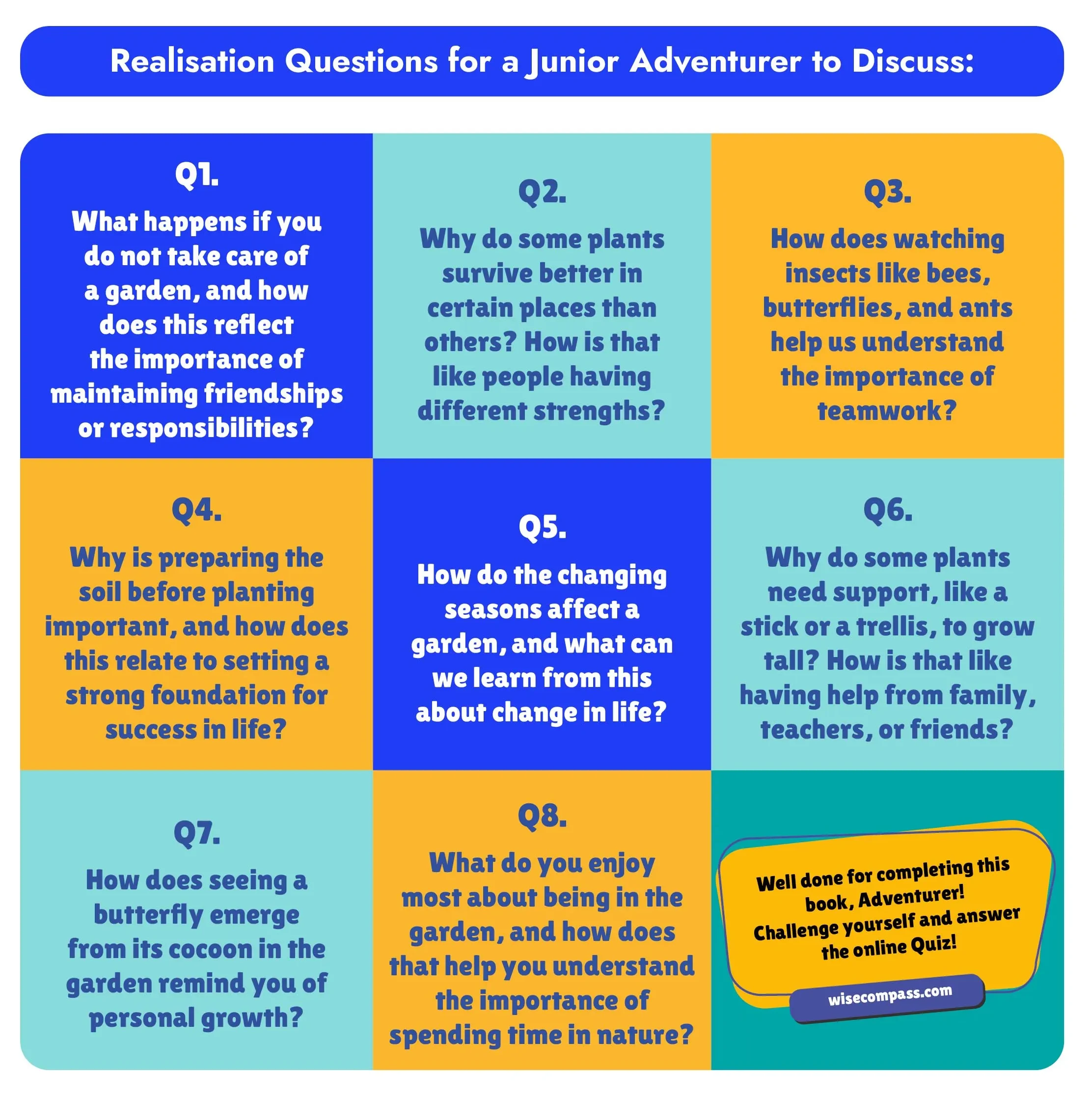
At its heart, Learning in the Garden is an emotional journey as much as an educational one. Children accompany Sabah through feelings of wonder, as she notices details she had walked past a hundred times before, and curiosity, as each question she asks about a leaf or an insect leads her closer to a bigger truth. By the story's end, that curiosity softens into gratitude, a quiet appreciation that everything around her, however small, was placed there with purpose by Allah Almighty.
For parents, this emotional arc is what makes the story so useful beyond a single read-aloud. It gently teaches children that curiosity is not separate from faith, that asking "why" and "how" about the world can draw them closer to their Creator rather than further away. It also nurtures a habit of Tafakkur (Reflection), encouraging children to slow down and really look at their surroundings instead of rushing past them.
Read alongside our wider collection of Islamic stories for kids, Learning in the Garden fits naturally into a young reader's journey from simple, sensory storytelling towards deeper reflection on creation, making it an easy addition to story time, nature walks, or even a homeschool science-and-faith lesson.
If your child enjoys stories that turn everyday moments into lessons about Allah's creation, you'll find more like it among our Junior Adventurers collection, a range of bedtime stories for kids and short stories for kids designed for curious young minds just like Sabah's. You can also browse the full Wise Compass library for more Islamic stories for kids exploring similar themes of gratitude, discovery and faith.






Reviews
There are no reviews yet.