

How do I explain that revenge is never the answer?
Parenting Perspective
Explain the Cycle of Hurt
Explaining to your child that revenge is never the answer requires teaching them about forgiveness, compassion, and the long-term consequences of holding onto anger. You can start by discussing the natural feelings that arise when someone has wronged them. You could say, ‘It is normal to feel upset when someone hurts you, but seeking revenge only makes things worse for everyone.’ Help your child to understand that retaliation often escalates a conflict, causing more hurt and sadness.
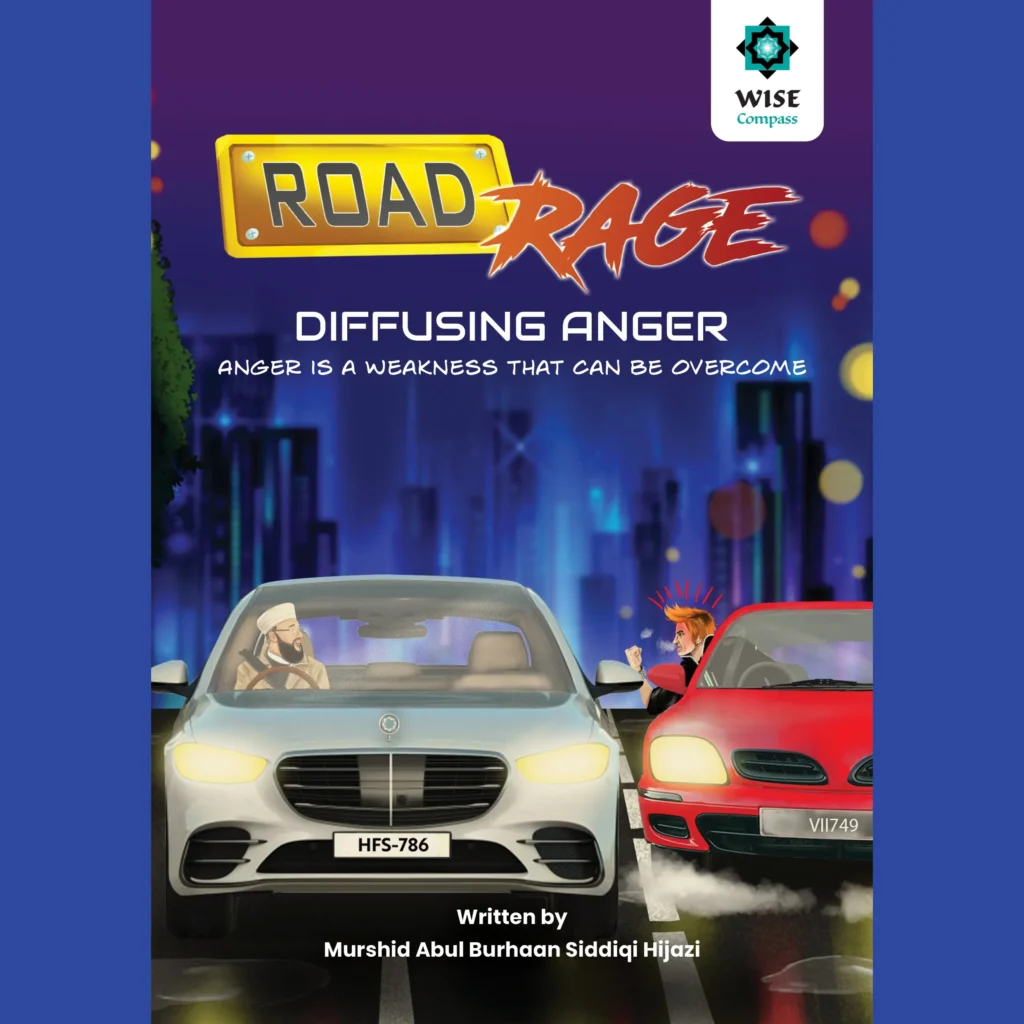
Children often understand these lessons best through a story they can picture themselves in. In Road Rage – Diffusing Anger, a child sees exactly this cycle in action: an angry man misdirects his frustration onto someone who did nothing wrong – and instead of reacting with anger in return, that person responds with a simple word of kindness. Reading how the situation is diffused, rather than escalated, gives your child a real-life picture of the very same choice they face when they feel like retaliating.


Teach that Forgiveness is strength.
Encourage your child to think about the impact of revenge on their relationships. For example, you might say, ‘If you hurt your friend because they hurt you, it can make them feel sad, and it can damage your friendship even more.’ Help them to see that responding with kindness, rather than retaliation, promotes peace and healing. Teach them that when they choose forgiveness, they are taking control of the situation and protecting their own peace of mind. You could explain, ‘Forgiveness is powerful. It does not mean the other person was right, but it means you are not letting their actions control your feelings.’
Teach Alternative Responses
Teach your child alternative ways to handle hurt or anger, such as talking to the person who hurt them, expressing their feelings calmly, or seeking support from an adult. You can role-play different situations where your child might be tempted to seek revenge and guide them in practising positive responses. Praise your child when they handle conflicts with kindness and forgiveness, reinforcing that peace and understanding are more powerful than revenge.
Spiritual Insight
In Islam, revenge is discouraged, and forgiveness is highly valued. Allah Almighty teaches us in the noble Quran at Surah Al Shuraa (42), Verse 40:
‘And the outcome (of defending) against an evil, (could be the formation) of an evil similar to it; so therefore whoever offers amnesty and reconciliation, then his reward shall be with Allah (Almighty); indeed, He (Allah Almighty) does not like the transgressors.’
This verse highlights the importance of forgiveness over revenge, emphasising that reconciliation and forgiveness lead to greater rewards.
The holy Prophet Muhammad ﷺ also taught the value of forgiveness. It is recorded in Sahih Bukhari, Hadith 3587, that the holy Prophet Muhammad ﷺ said:
‘The best of you are those who are the best to their families.’
This Hadith underscores the importance of responding to hurt with kindness and patience, rather than seeking revenge. By teaching your child to embrace forgiveness, you are helping them to follow the path of the Prophet ﷺ and to build stronger, healthier relationships.