
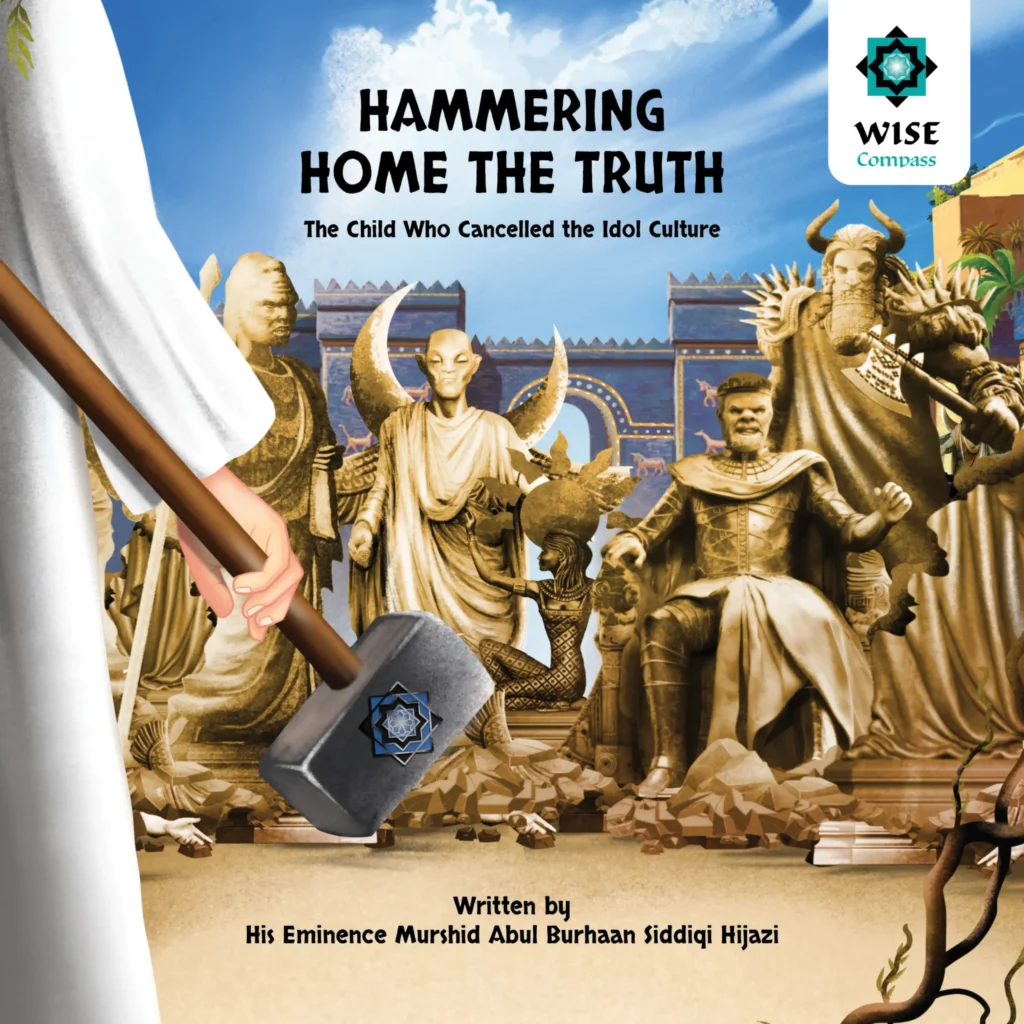

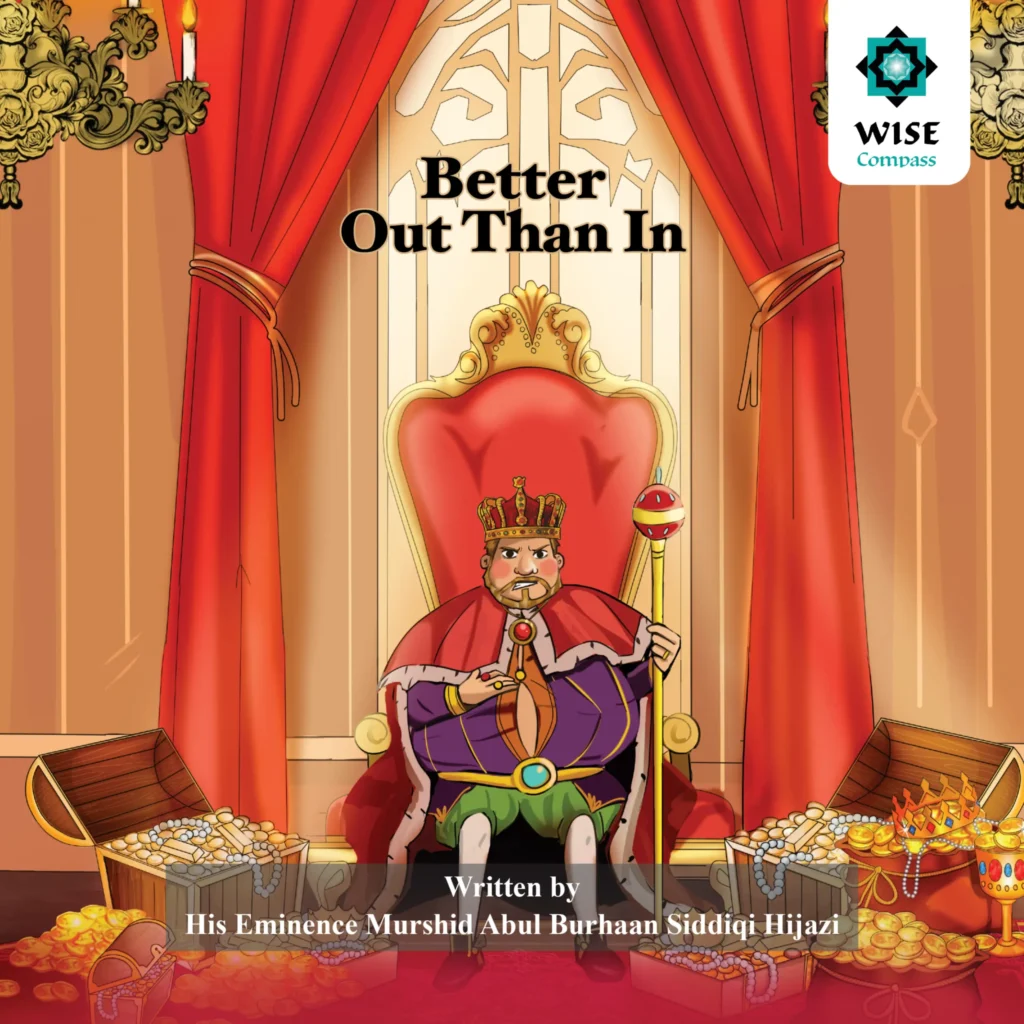


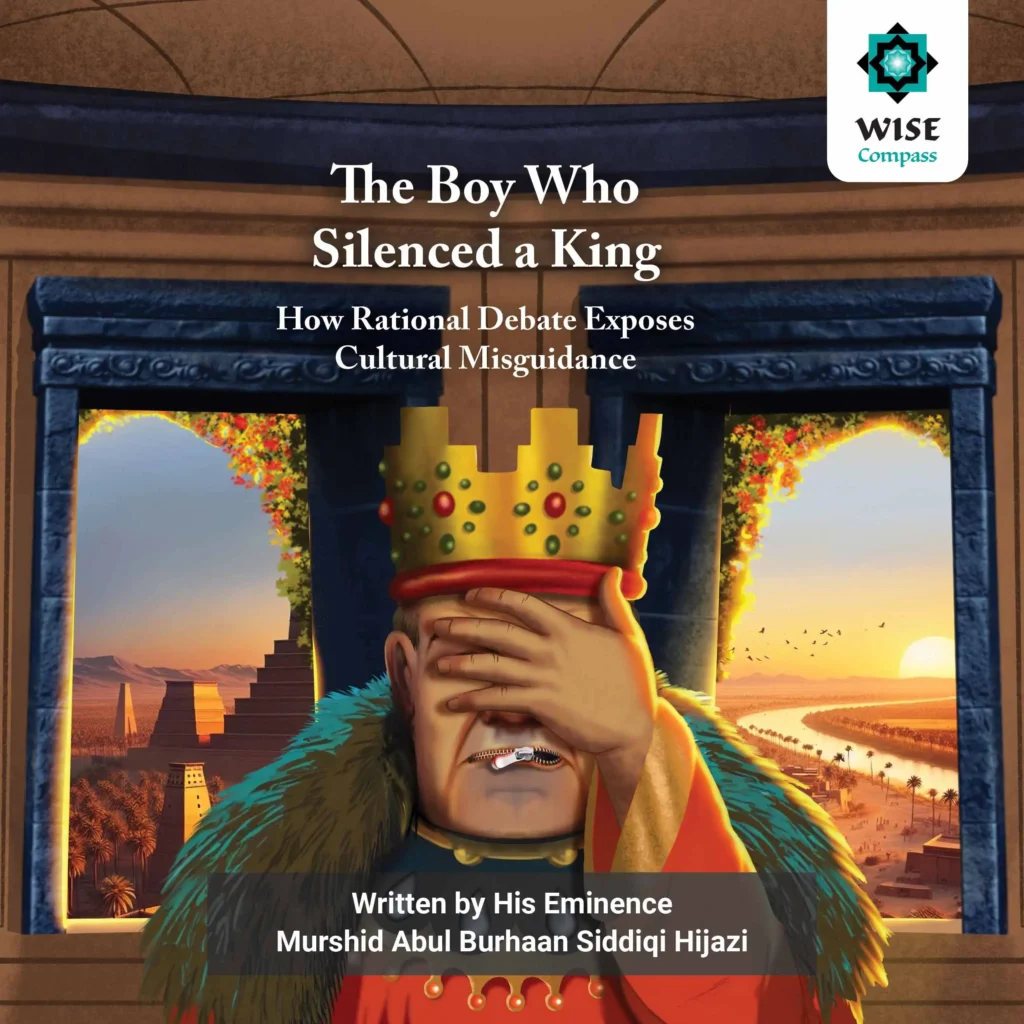




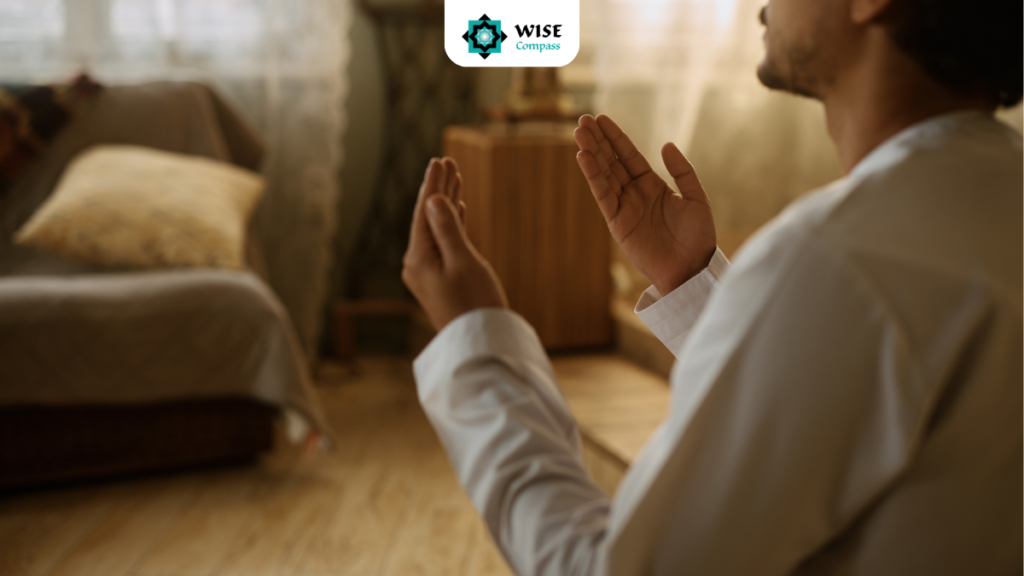
An Islamic bedtime routine can be so effective and beneficial to building character and confidence in your child as well as sending them off to a good night’s rest! It is easy to move beyond the common approach of ‘brush teeth, lights out’ and incorporate small, repeated moments of reflection, honesty and remembrance of Allah Almighty before bed.
This means pairing intentional practical steps, such as Wudhu (Ablution), a short Dua (Supplication), and sleeping on the right side with character-forming habits like reviewing the day’s actions, telling a story with a moral lesson, and welcoming your child’s big questions instead of rushing past them. Done consistently, bedtime becomes less of a battle and more of a nightly opportunity to shape empathy, honesty and self-awareness. The goal isn’t just a child who falls asleep quickly; it’s a child who falls asleep thoughtfully.
Most parents think of bedtime as a logistics problem to solve: how do we get from bath time to lights-out with the least amount of resistance? But the Sunnah gives us a completely different lens. Holy Prophet Muhammad ﷺ treated the final moments before sleep as spiritually significant, a time for reflection, protection, and gratitude, not just rest. When we borrow from that model, bedtime stops being purely functional and starts becoming formative.
Below is a practical, step-by-step routine that blends authentic Islamic practice with everyday parenting moments, so your child’s character is being shaped even as they drift off.
Children are at their most emotionally open right before sleep. The day’s distractions have faded, the sensory overload has quietened, and a child is far more likely to be honest, curious, or vulnerable in those final ten minutes than at any other point in the day. This is exactly the window the Sunnah asks us to use for remembrance and reflection, not because it is convenient, but because it is when it matters most.
Before anything else, involve your child in performing Wudhu for sleep (even if just symbolically for younger children). This isn’t about ritual perfection; it’s about teaching them that how we end the day matters as much as how we start it. As you help them wash up, narrate the intention out loud: “We’re getting ready to sleep in the way that pleases Allah Almighty.” This simple verbal habit plants the idea that even sleep can be an act of worship.
Children absorb far more from what they see than what they are told. If you want your child to internalise why we pray, why we thank Allah Almighty, or why bedtime has structure, they need to watch you living it, not just hear you explain it.
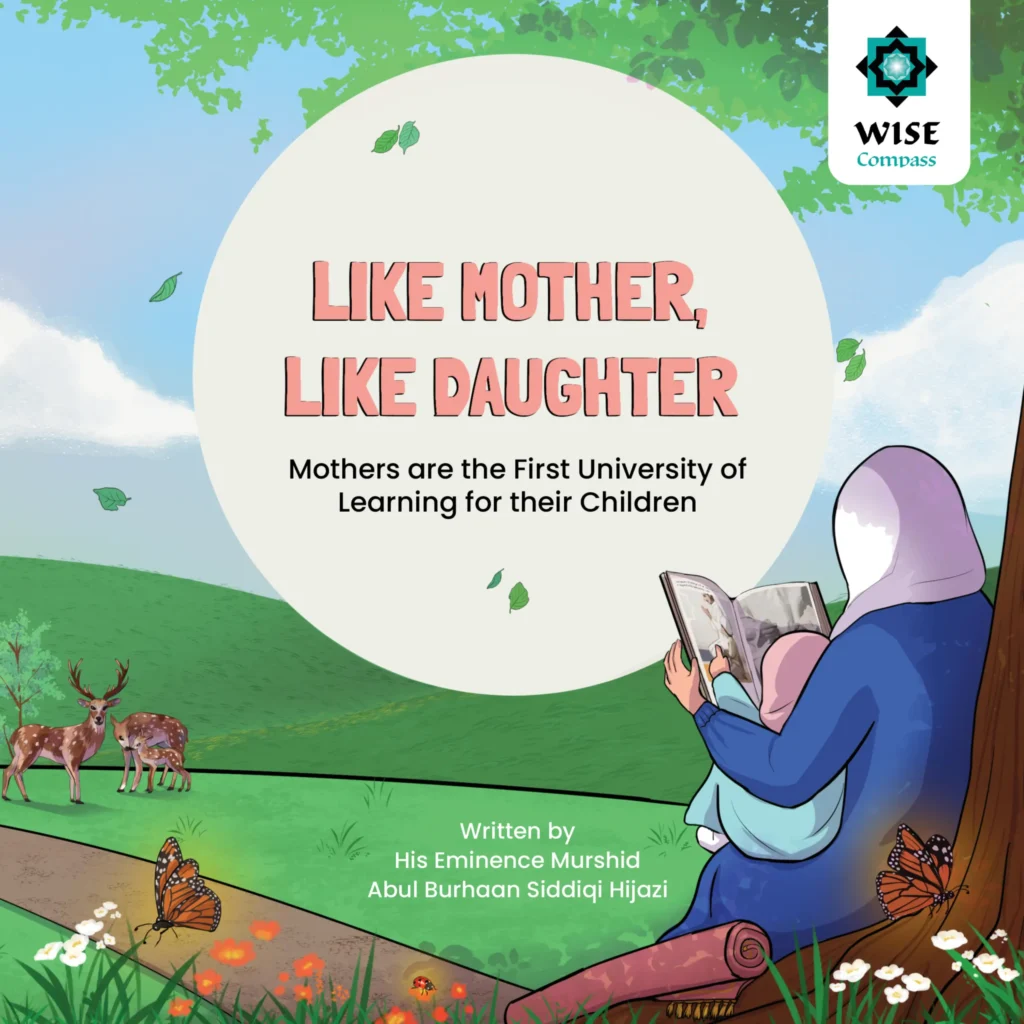
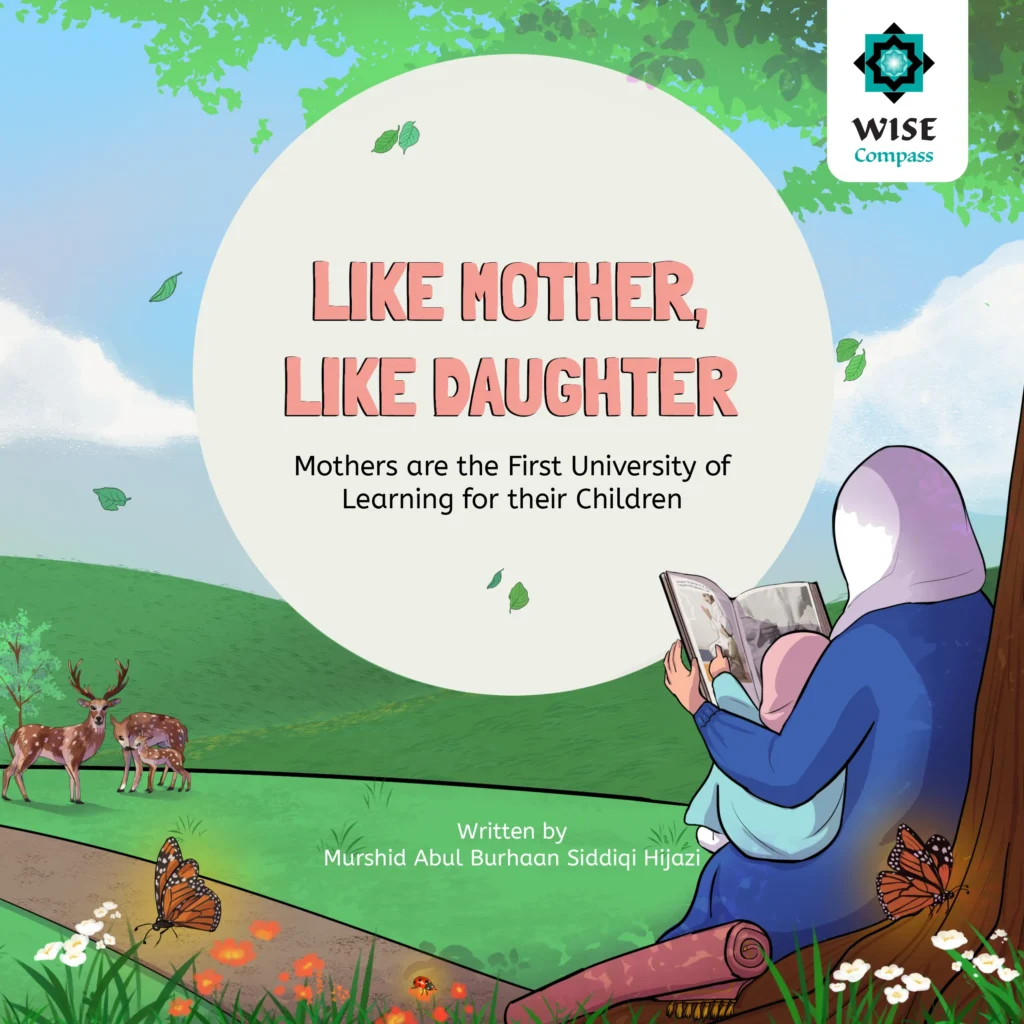
This is beautifully captured in the story Like Mother, Like Daughter, where young Aaliyah watches her mother carry out her five daily prayers and begins asking why. Her mother’s patient, honest answers become the very thing that shapes Aaliyah’s own understanding of prayer. It is a gentle reminder that our children are always watching and highlights why bedtime is one of the few times each day when they are watching closely and asking freely.
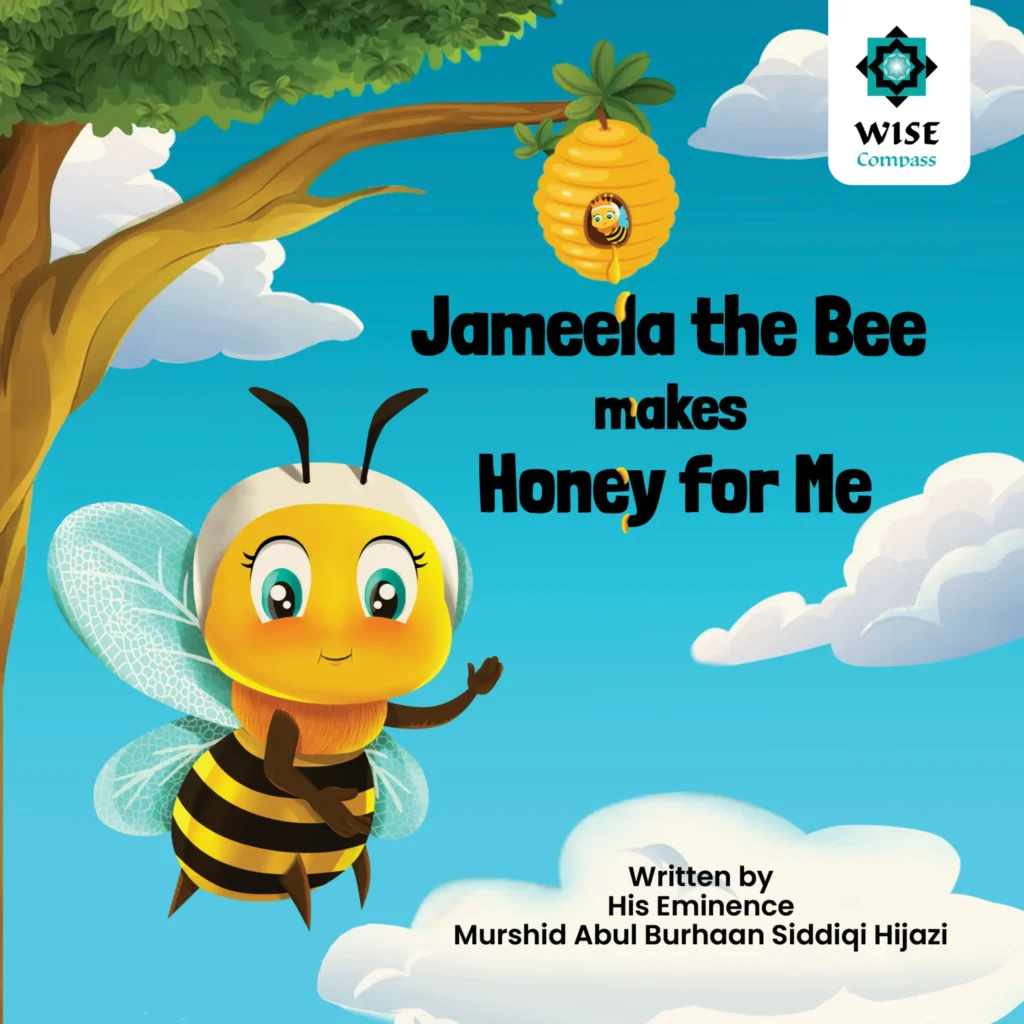
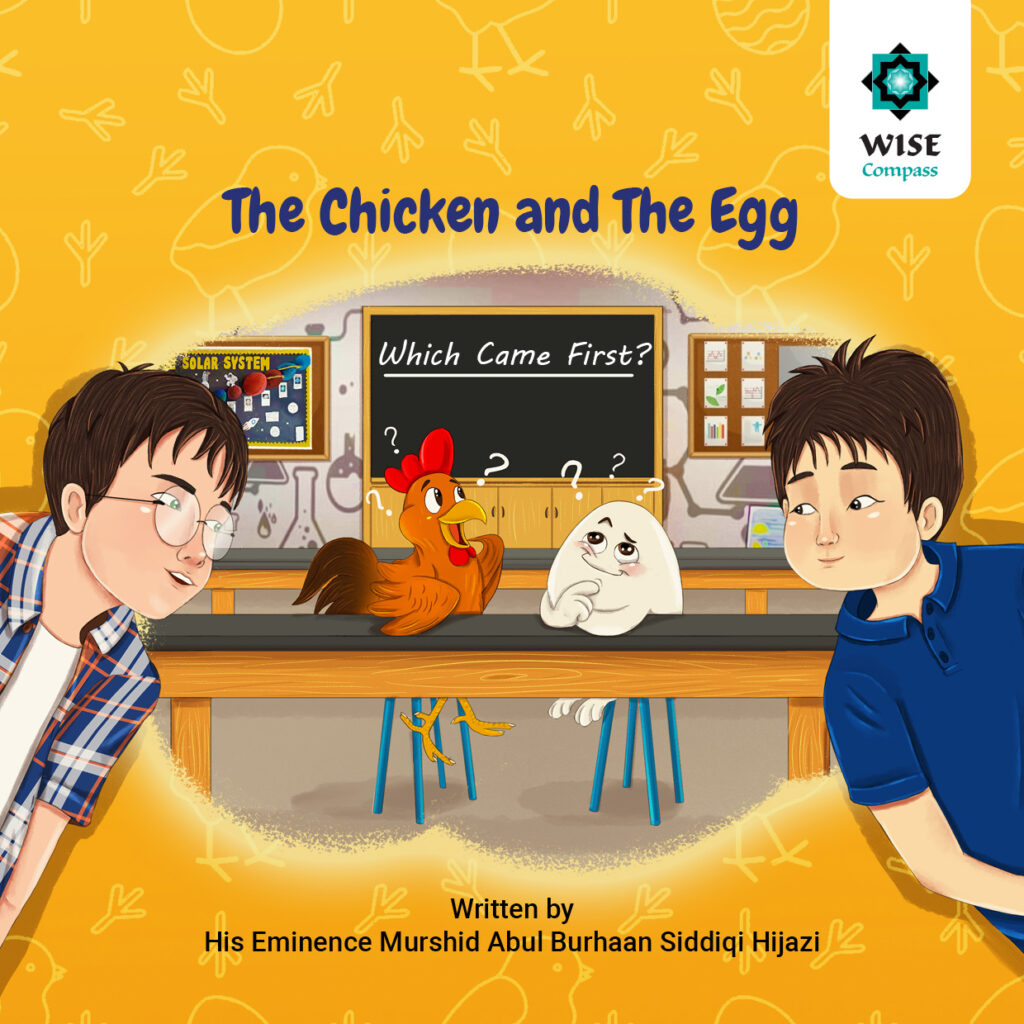
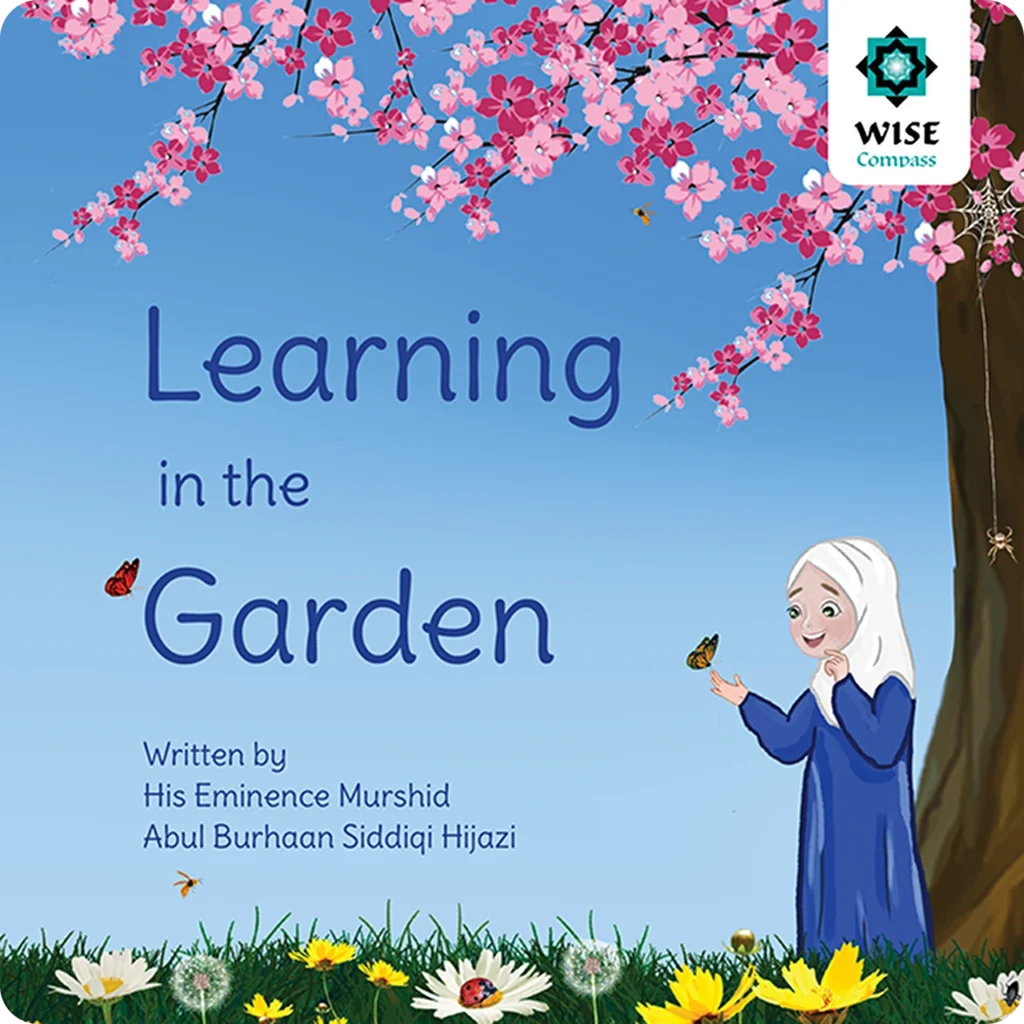
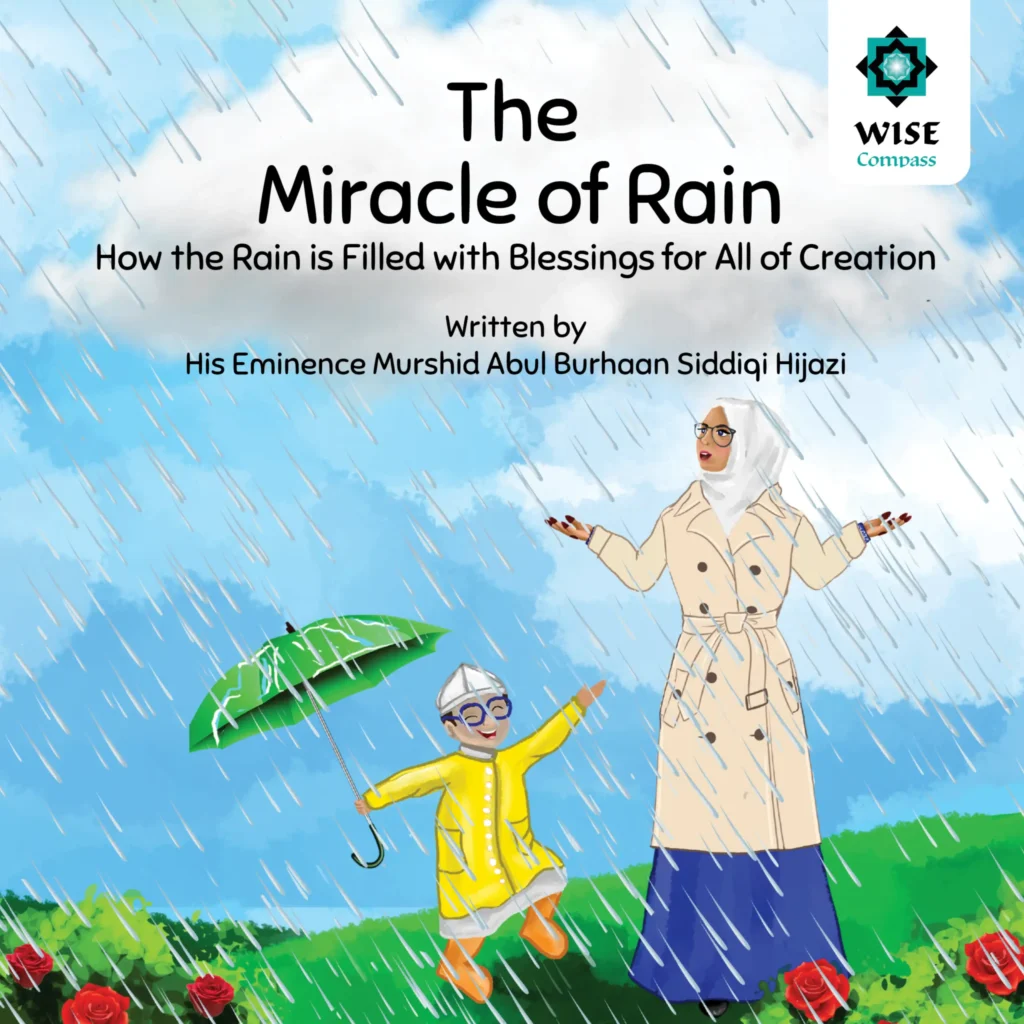
Swapping a screen for a book isn’t just about reducing blue light before sleep; it’s about choosing what shapes your child’s imagination in their last waking minutes. Storytelling using a screen is fine for the daytime and playtime, but at bedtime a well-chosen storybook does quiet, long-term work that a cartoon or video simply cannot. Reading aloud to your child is also an age-old experience that helps them bond with you and associate their resting time with safety, comfort and closeness to you.
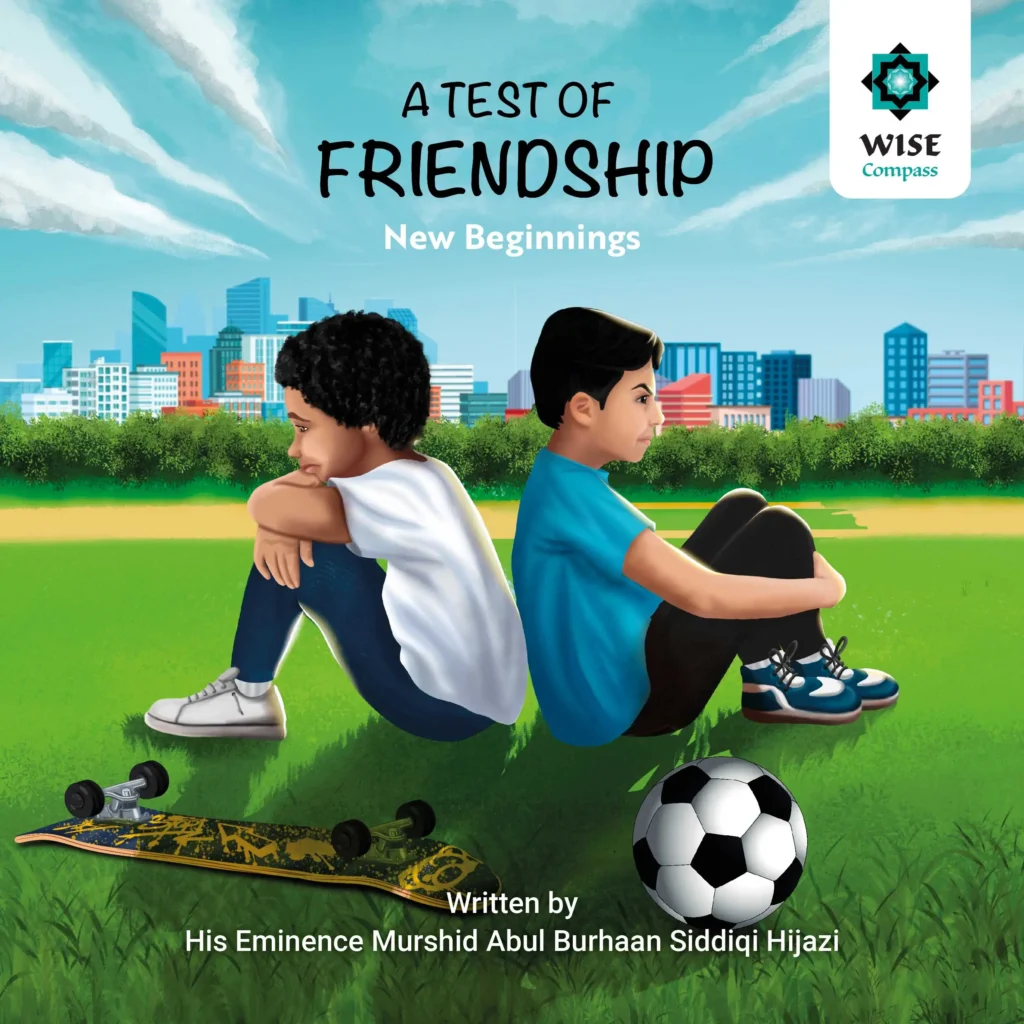
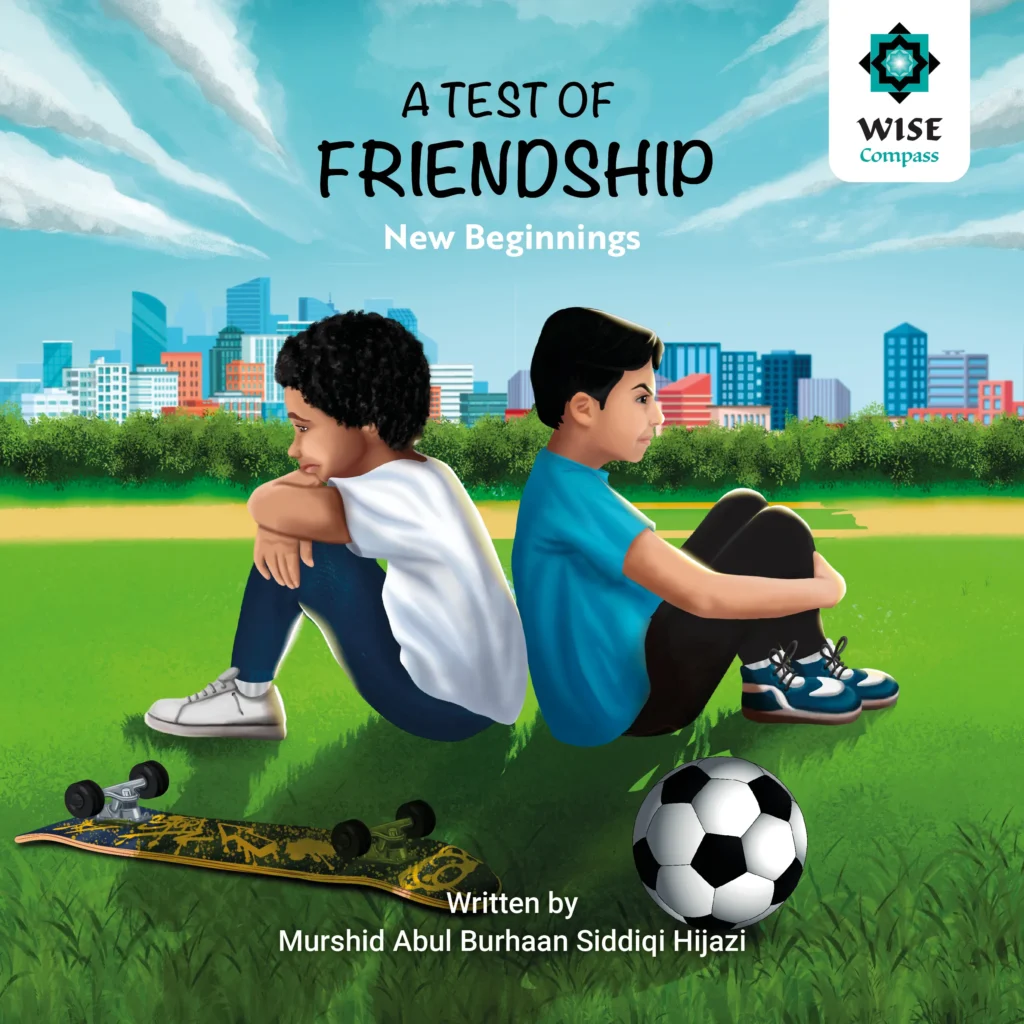
A Test of Friendship is a strong choice for this stage of the routine. It follows three friends, Raihaan, Khaleel, and Zayn, as jealousy leads to a spread of rumour, a broken friendship, and the courage it takes to make amends. Reading this story book at bedtime opens up honest conversations about big emotions like jealousy, honesty, and forgiveness in a low-pressure setting, right when your child is most emotionally receptive. For families raising younger children, this kind of story also pairs naturally with our bedtime stories for kids collection, designed specifically for this stage of the evening routine.
Bedtime has a strange power: it is often when children ask the questions they’ve been sitting with all day. “Why do we die?” “What happens after?” “Why did Allah Almighty make me?” These questions can feel overwhelming to answer on the spot, but they are also a gift, a sign your child is thinking deeply.
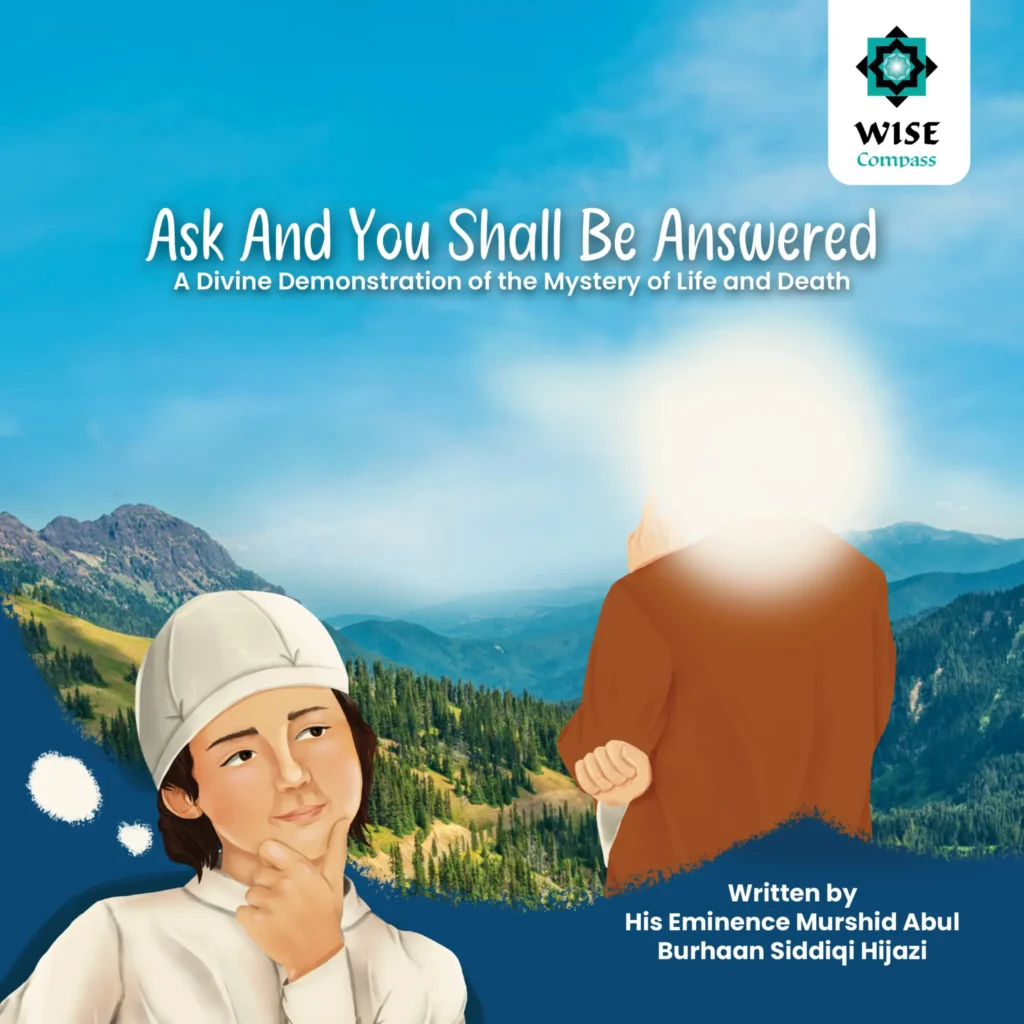
Ask And You Shall Be Answered tackles this topic directly. In the story, Musaddiq cannot sleep because his mind is full of big questions about life and death, so his mother tells him about someone very special who once asked the very same questions and how Allah Almighty answered them. It is a wonderful tool for showing children that curiosity about faith is not something to suppress; it is something to explore together. What better reassurance to offer at bedtime to an inquisitive child than the reminder that Allah Almighty is pleased when they keep an open mind, wants them to make sense of the world and ask any question, and that He always has the answers?

Once the story is finished, spend two or three quiet minutes on Muhasabah (self-accountability). Ask simple, non-judgemental questions: “What’s one kind thing you did today?” “Was there a moment you wish you had handled differently?” This isn’t about extracting confessions; it’s about normalising honest reflection as a daily habit, not something reserved for only when things go wrong.
Allah Almighty reminds us in the noble Quran, at Surah Al Furqaan (25), Verse 74:
وَٱلَّذِينَ يَقُولُونَ رَبَّنَا هَبْ لَنَا مِنْ أَزْوَٰجِنَا وَذُرِّيَّٰتِنَا قُرَّةَ أَعْيُنٍ وَٱجْعَلْنَا لِلْمُتَّقِينَ إِمَامًا
Rabbanaa hab lanaa min azwaajinaa wa dhurriyyaatinaa qurrata ayuninw waj’alnaa lil muttaqeena imaamaa
Our Lord, grant us comfort in our spouses and offspring, and make us leaders for the righteous
As a parent or guardian, this verse is a powerful one to remember and hold onto during this part of the routine. It reframes bedtime reflection not as discipline but as part of raising children who can grow into righteous, thoughtful people.
Close the reflective part of the evening with a short, memorable Dua (Supplication) with an age-appropriate explanation for your child.
Arabic:
اللَّهُمَّ بِاسْمِكَ أَمُوتُ وَأَحْيَا
Transliteration:
Allahumma bismika amootu wa ahyaa
Meaning (Simple English):
O Allah Almighty, in Your Name I die and I live
Even very young children can memorise this quickly. You should explain that the intention behind this Dua is to talk to Allah Almighty and connect our lives to Him from their beginning to their end. Repeating it nightly builds a lifelong association between sleep and the remembrance of Allah Almighty.
Close the prayerful part of your child’s bedtime routine with reciting the Surahs and Ayahs that have been recommended in the Sunnah for protection and safekeeping during sleep. This includes the 4 Quls and Ayat Al Kursi. The 4 Quls refer to Surah Al Ikhlaas, Surah Al Falaq, Surah Al Naas and Surah Al Kaafiroon.
It is recorded in Sahih Bukhari, Hadith 5017, that Murshidah Sayyidah Aisha (RA) told us about holy Prophet Muhammad ﷺ:
‘Whenever (holy) Prophet (Muhammad ﷺ) went to bed every night, he used to cup his hands together and blow over it after reciting Surah Al Ikhlaas, Surah Al Falaq and Surah Al Naas, and then rub his hands over whatever parts of his body he was able to rub, starting with his head, face and front of his body. He used to do that three times.’
It is also recorded in Sunan Abu Dawood, Hadith 5055, that holy Prophet Muhammad ﷺ instructed a companion, saying:
‘Recite (Surah Al Kafiroon, which begins) ‘Say, O you disbelievers!’ and then go to sleep at its end, for it is a declaration of freedom from polytheism.’
Another Hadith account narrates that the blessed Prophetic Companion Murshid Imam Abu Huraira (RA) was advised by someone that reciting Ayat Al Kursi before sleep appoints a guardian over us who protects us from Shaytaan (Satan) throughout the night. He told holy Prophet Muhammad ﷺ about this and it is recorded in Riyadh Al Saliheen, Hadith 1020, that holy Prophet Muhammad ﷺ confirmed it and said:
For younger children, it is a good idea for parents to recite these Surahs and Ayahs over their child and explain their significance and encourage them to learn these verses as they grow up. Older children can recite these blessed invocations themselves before going to sleep. This will stand them in good stead for the rest of their life.
This step not only has a figurative element to it but also a very literal one. The best and right way to sleep is by remembering Allah Almighty before we go to bed, but our physical positioning for sleep is also highly impactful. Sleeping on the right-hand side is scientifically proven to be highly therapeutic for the human body. It increases cardiovascular protection and respiratory function and assists in brain waste clearance: all excellent physical benefits for a growing child. Sleeping on our right-hand side is from the Sunnah, which gives us guidance for our complete well-being.
It is recorded in Sahih Bukhari, Hadith 247, that holy Prophet Muhammad ﷺ instructed a companion, saying:
‘When you go to your bed, perform Wudhu (Ablution) as you would for Salah (Prescribed prayers), then lie down on your right side.’
Encouraging and physically guiding your child into this position each night, with the right hand tucked under the right cheek, brings this Sunnah to life for them. This small physical action of theirs emulates the Sunnah of holy Prophet Muhammad ﷺ, and over time, it will become a positive habit that is a cue for calm.
For younger children (ages 4-7 years), you can explain it in this way:
‘When we sleep on our right side and remember Allah Almighty before bed, we are saying thank you for the whole day and asking Him to keep us safe all night.’
These steps may not happen perfectly, and not every night will include all 8 steps. What matters is consistency over intensity; a five-minute version of this routine done nightly will benefit your child far more than an elaborate version done occasionally. As your child grows older and moves from simple bedtime stories into more complex narratives, you should uplevel the nightly reading you do with them as well as the discussion you have with them.
Our books for age 7+ collection are designed to grow with children well into their teen years and beyond, carrying the same reflective, values-first approach into more advanced storytelling for young readers. If you are just starting to build a home library around this kind of routine, browsing Islamic stories for kids at Wise Compass is a good place to find titles that match your child’s current stage and questions.
Our Parental Tips page also offers parents of developing children over 500 blogs to support your discussions with them and assist you in how to approach parenthood from an Islamic perspective.
10 to 15 minutes is realistic for most families. The routine doesn’t need to be long to be effective; a short Dua, recitation of the short Surahs before sleep, a few minutes of reflection, and a brief story can accomplish more than a rushed 45-minute routine done half-heartedly.
Keep it light and led by curiosity rather than obligation. Younger children especially respond better to open questions that focus on how they felt (“What made you smile today?”, “What is something you want to say Thank you to Allah Almighty for today?”) rather than direct ones about mistakes or asking them to remember specific actions. If they show hesitation or resistance, you can model it yourself first; share your own small reflection before asking for theirs.
Yes. Start with the transliteration of any Duas or Ayahs that you want to bring into bedtime using the simple English meaning, and introduce the Arabic gradually. Understanding the meaning matters more at first than pronunciation or memorisation. Comprehension builds a genuine connection to the Dua and recitations rather than robotic repetition.
There is no fixed order, but many families find that starting with the story settles a child emotionally, making them more receptive to reflection and Dua afterward. Try out both ways and see what fits your child’s temperament and make that your routine.
Keep the shared elements, the Dua, the sleeping position, reciting Surahs and reading the story consistent for everyone, but tailor the discussion questions individually. All of the Wise Compass stories are thought-provoking and make any reader think of important lessons from toddler to teen to parent! So, whichever story you use will be a suitable fit for even a mixed age group.
But the questions and answers from a 5-year-old and a 15-year-old will naturally differ. A younger child may answer “What made you happy today?” while an older sibling can handle a more layered Muhasabah question and conversation once the younger one is asleep.
Both. The structure and predictability of a nightly routine, regardless of its content, are known to support healthier sleep patterns in children. The Islamic elements add a values-based layer on top of that existing benefit, so families often see improvements in both settling time and emotional regulation.
There is no fixed starting age for a bedtime routine. Simplified versions, a short Dua and being tucked in on the right side, can begin as soon as a child can follow basic instructions, often around age 2-3 years. The reflective conversations and story discussions naturally deepen as language and comprehension develop and can come in from ages 4 years onwards.