

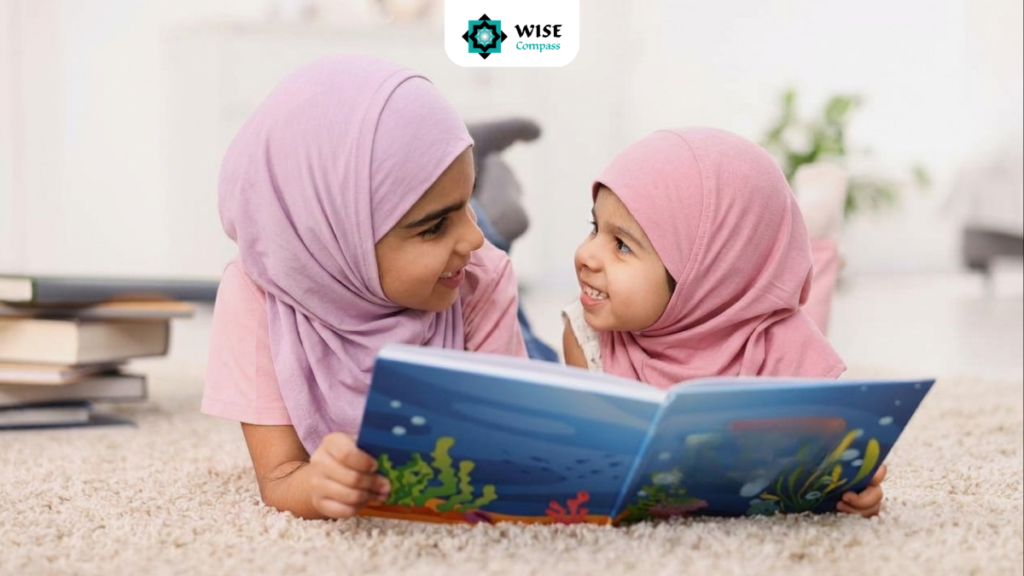
Stories help children develop emotional intelligence by letting them watch a character feel, struggle and respond to big emotions and unpredictable situations from a safe distance. When a child sees a character handle fear, anger, jealousy or pride, they learn to name those feelings and understand their causes and effects. This helps them relate to others and get in touch with their own thoughts and feelings too. Children are very perceptive, and when they see characters responding to big feelings they learn how to recognise those feelings, responses, and choose better responses for themselves in their own lives. A well-written story can help a child develop self-awareness and empathy, emote better, and even regulate their own emotions.
Faith-based stories add another layer, because the lesson is always rooted in Islamic principles from the noble Quran and the example and teachings of holy Prophet Muhammad ﷺ which are the greatest sources of enrichment for every child.
Read together, talk about it afterwards, implement the lessons in your life – and the story becomes a lasting tool that your child can use for the rest of their life.
Emotional intelligence is the ability to recognise your own feelings, manage them well, and understand the feelings of others. For children, it shows up in small everyday moments, like calming down after losing a game, saying sorry first or noticing that a friend is upset.
Islam places great weight on these skills. Patience, forgiveness, humility and kindness are not extras in our faith. They are part of good character, and good character is part of worship. We are told in the noble Quran about those actions of self-restraint and positive behaviour despite difficult circumstances which please Allah Almighty.
Allah Almighty tells us in the noble Quran, at Surah Aalai Imran (3), Verse 134:
وَٱلْكَـٰظِمِينَ ٱلْغَيْظَ وَٱلْعَافِينَ عَنِ ٱلنَّاسِ ۗ وَٱللَّهُ يُحِبُّ ٱلْمُحْسِنِينَ
Wal kaadhimeenal ghaydha wal ‘aafeena ‘anin naas, wallaahu yuhibbul muhsineen
Those who hold back their anger and pardon people. Allah Almighty loves those who do good.
The question for parents is how to teach a child emotional intelligence. Lectures rarely work. Stories with a message do. Here is how stories help develop emotional intelligence in children:
A child who cannot name a feeling cannot manage it. Many tantrums are simply big emotions without a label. When a child cannot understand something, it can be a cause for panic and frustration. Stories hand children that vocabulary in a natural way, because they see a character experience emotions and they recognise the same feeling in themselves. When a character is described as or explains that they feel proud, jealous, frustrated or ashamed, the child understands what this means and learns how to express it too.
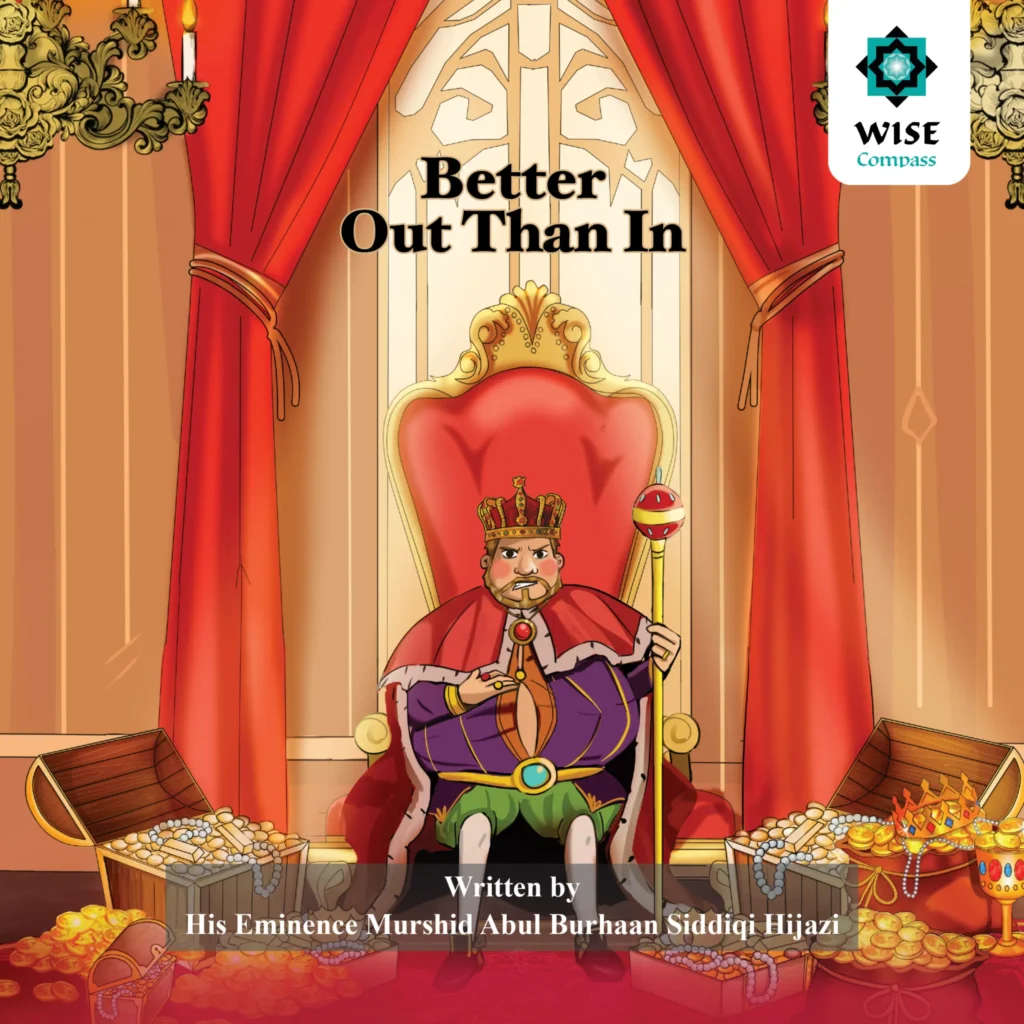
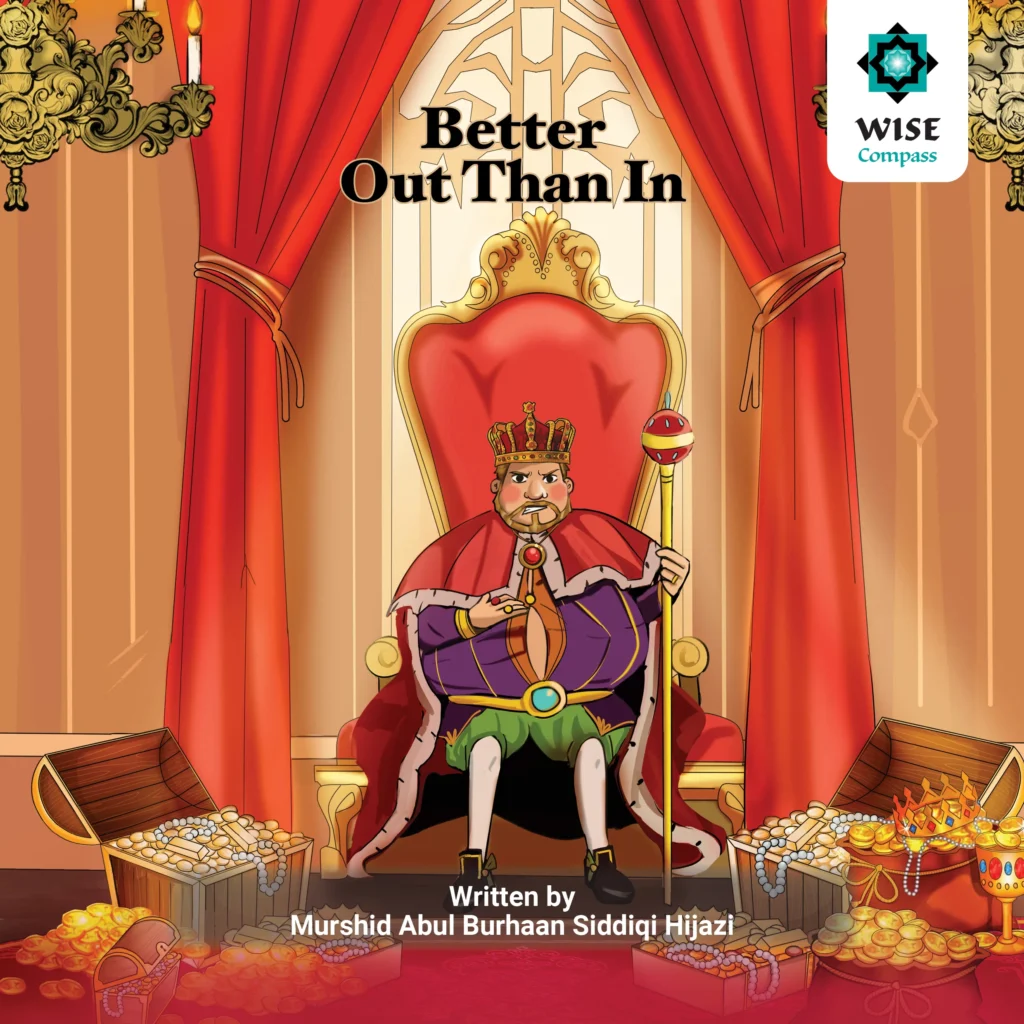
Better Out Than In is a good example. A once-mighty king is brought to a standstill by a stomachache that no amount of gold can cure until a simple, wise man offers him real relief and real perspective. Children see a powerful person humbled by something very ordinary, and they learn that pride and gratitude are feelings that anybody can feel and that these are things to check for in their own character. It is a funny and memorable moral story for kids about gratitude, humility and discovering what true wealth actually looks like.
Anger is one of the hardest emotions for any person to handle – adults and children alike. Telling a child to ‘calm down’ in the middle of a crashout rarely helps, because the thinking part of their brain is not available at that moment. A story, read at a calm time, plants the idea in advance.
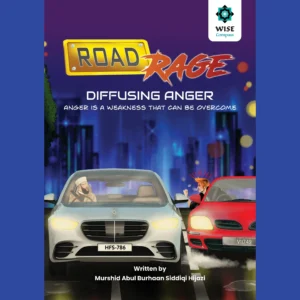
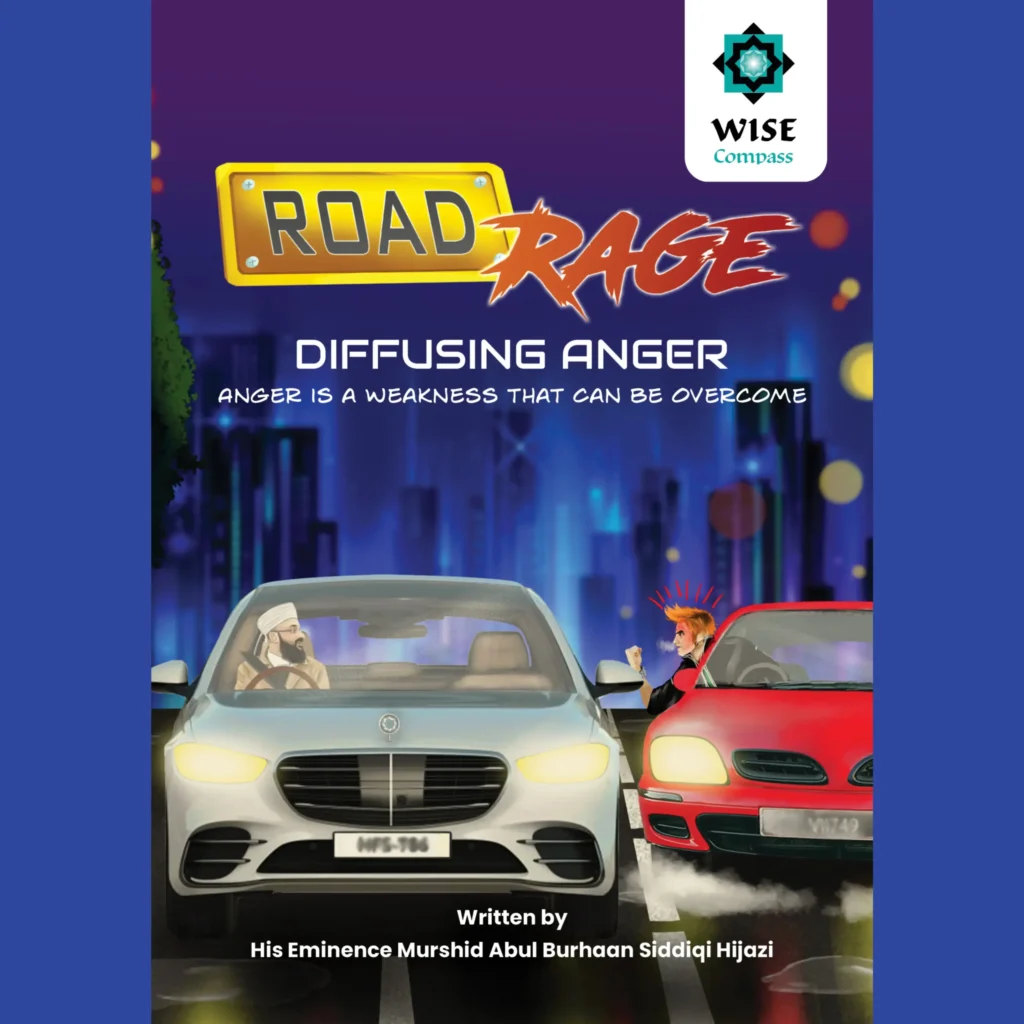
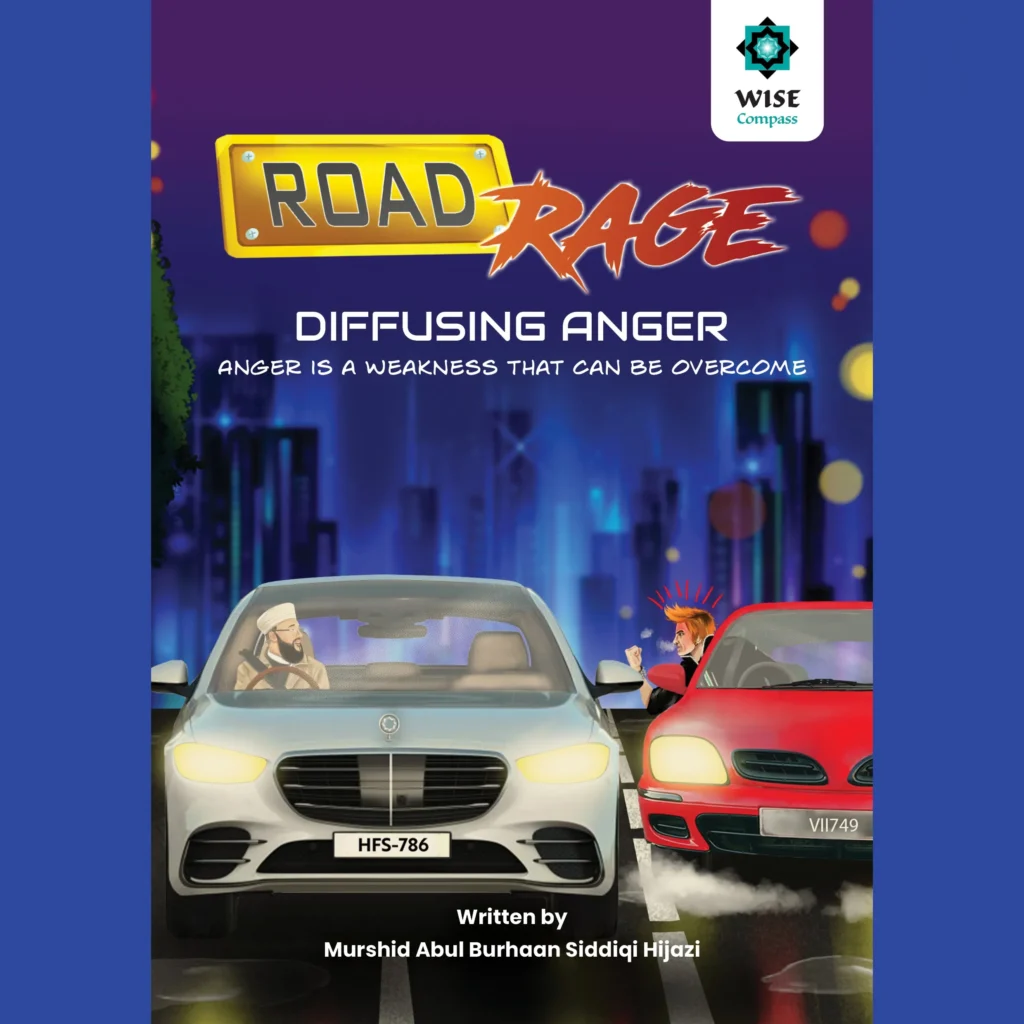
Road Rage – Diffusing Anger is inspired by a true encounter. It follows what happens when a moment of anger meets a response of patience instead and how choosing calm over confrontation can completely change the outcome. It shows children that every reaction is a choice and that kindness towards someone in pain is always the stronger response.
This matches a beautiful teaching from holy Prophet Muhammad ﷺ. It is reported in Sahih Bukhari, Hadith 6114, that holy Prophet Muhammad ﷺ said:
‘The strong person is not the one who defeats others in wrestling. The strong person is the one who controls himself when he is angry.’
Children often think strength means winning or being the loudest. This Hadith, paired with the story, turns that idea upside down and shows your child how to model their best behaviour when angry.
Jealousy is a normal feeling, but many children feel ashamed of it and try to mask it. Stories bring it into the open so that they can understand it and learn how to handle it. When a child sees a character feel jealous, make a poor choice and then face the consequences, they are given a chance to learn many things. Recognise that the feeling is human, see how it endangers them and others and their relationships, and learn that what matters is what you do next.
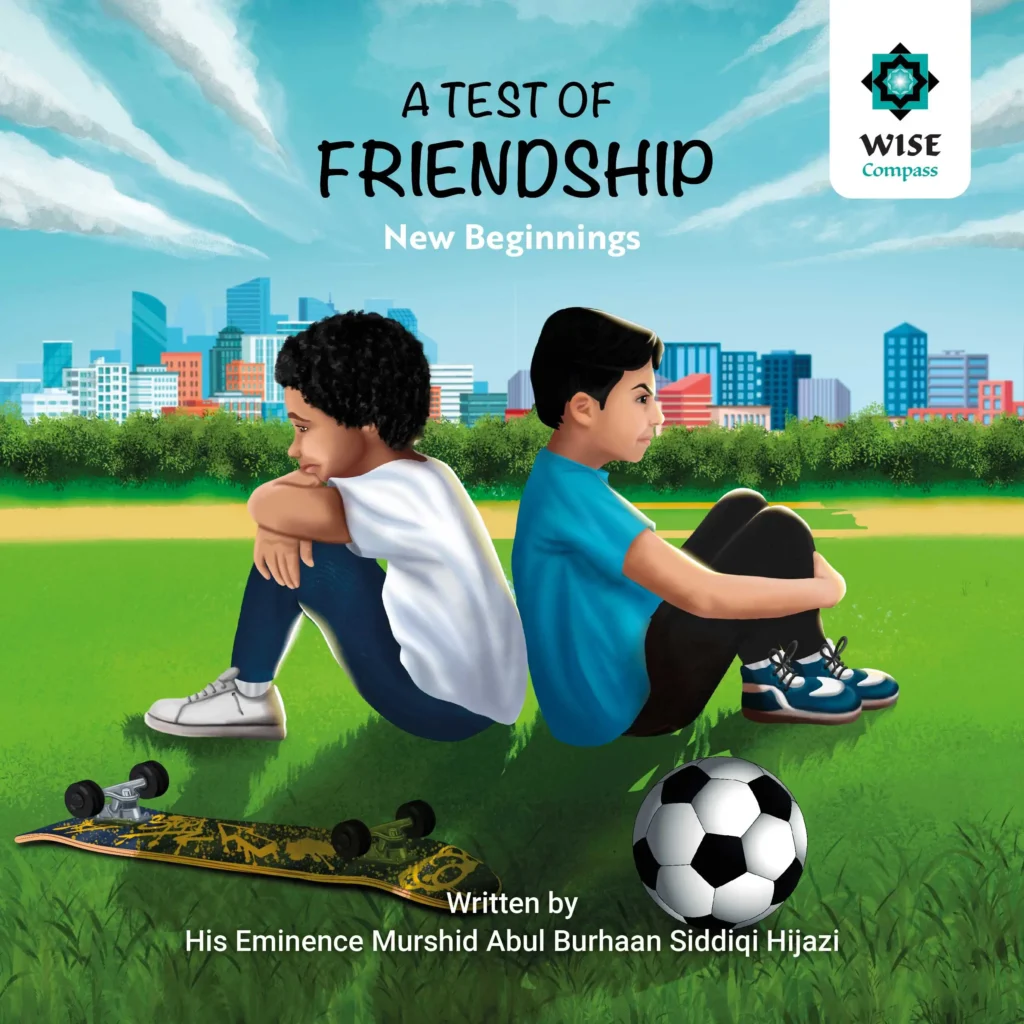
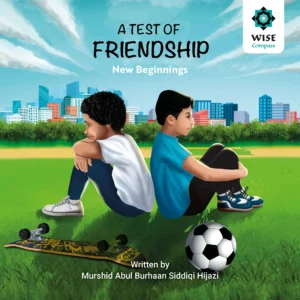
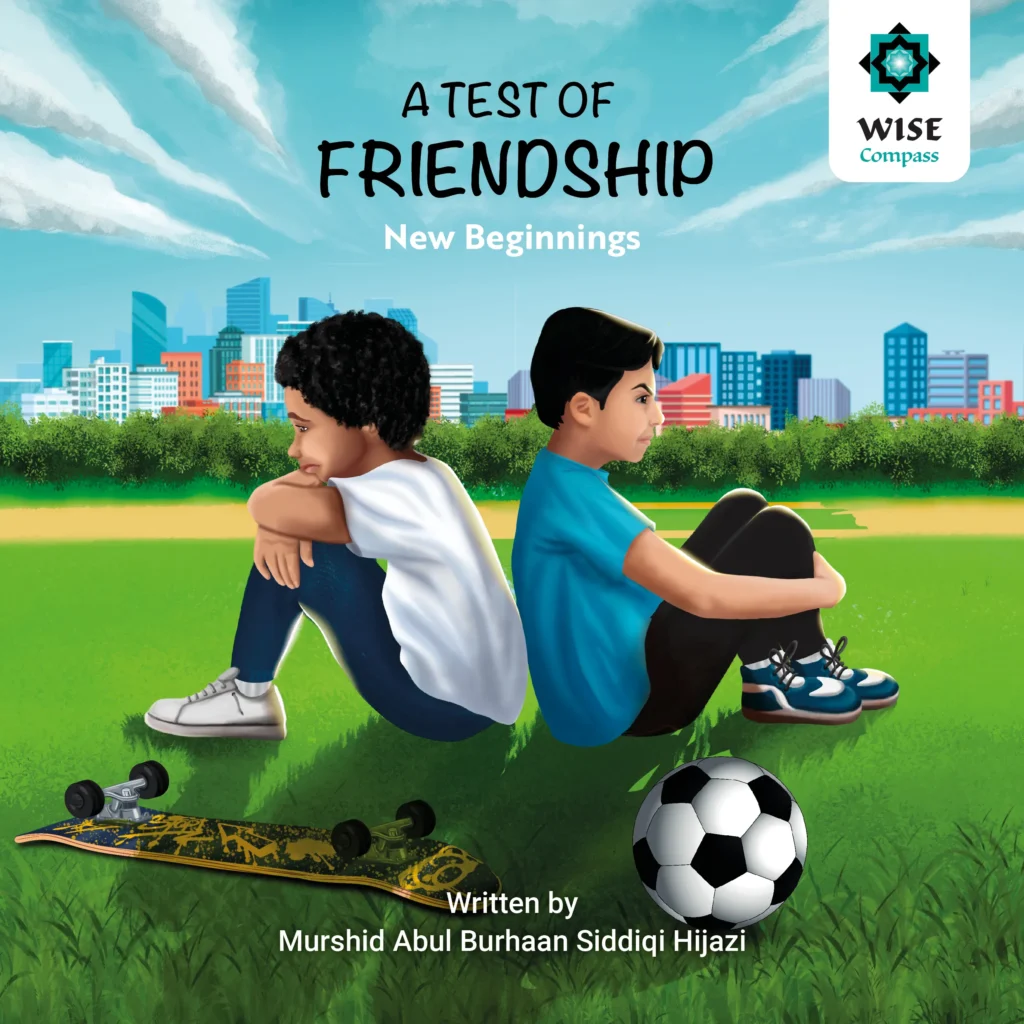
A Test of Friendship follows Raihaan, Khaleel and Zayn, as jealousy creeps into their group and threatens everything they have built together. One rumour is all it takes to break a friendship apart, and the story leaves readers asking whether Zayn can find the courage to admit what he did wrong before it is too late. It is relatable and true to life, and it models what real forgiveness looks like.
It also connects with a core teaching about caring for others. It is reported in Sahih Bukhari, Hadith 13, that holy Prophet Muhammad ﷺ said:
‘None of you truly believes until he loves for his brother what he loves for himself.’
That is emotional intelligence and faith working together: noticing a difficult feeling within you and choosing to want good for someone else regardless of that feeling.
Empathy is the heart of emotional intelligence. A story lets a child see the world through another person’s eyes, whether that is a worried king, a patient driver or a hurt friend, and relate to their experience. Over time, they grow to automatically ask themselves, ‘How would that make me feel?’ in real life situations. In this way, it becomes second nature for children to think about life from more than just their own point of view and develop deeper empathy and selflessness as they grow up.
Reading about different characters in different situations also widens a child’s understanding of people. The Wise Compass book collections offer a wide range of stories featuring a broad spectrum of characters for this very reason. These books show people from all walks, ages and stages of life, in stories based on Islamic teachings and essential life lessons that every child needs to learn. Families building a reading habit can explore our range of Islamic stories for kids to find characters their child connects with.
In real life, mistakes can be embarrassing and painful and even cost us relationships. A harsh word can lose a friend, an angry reaction can lead to regret, and a fearful sense of shame can make us isolate ourselves from others. In a story, a child can watch a character make that mistake, feel the consequences and learn from it, all from the safety of the sofa or bed. This is why stories work so well for sensitive topics that children may not want to talk about out loud.
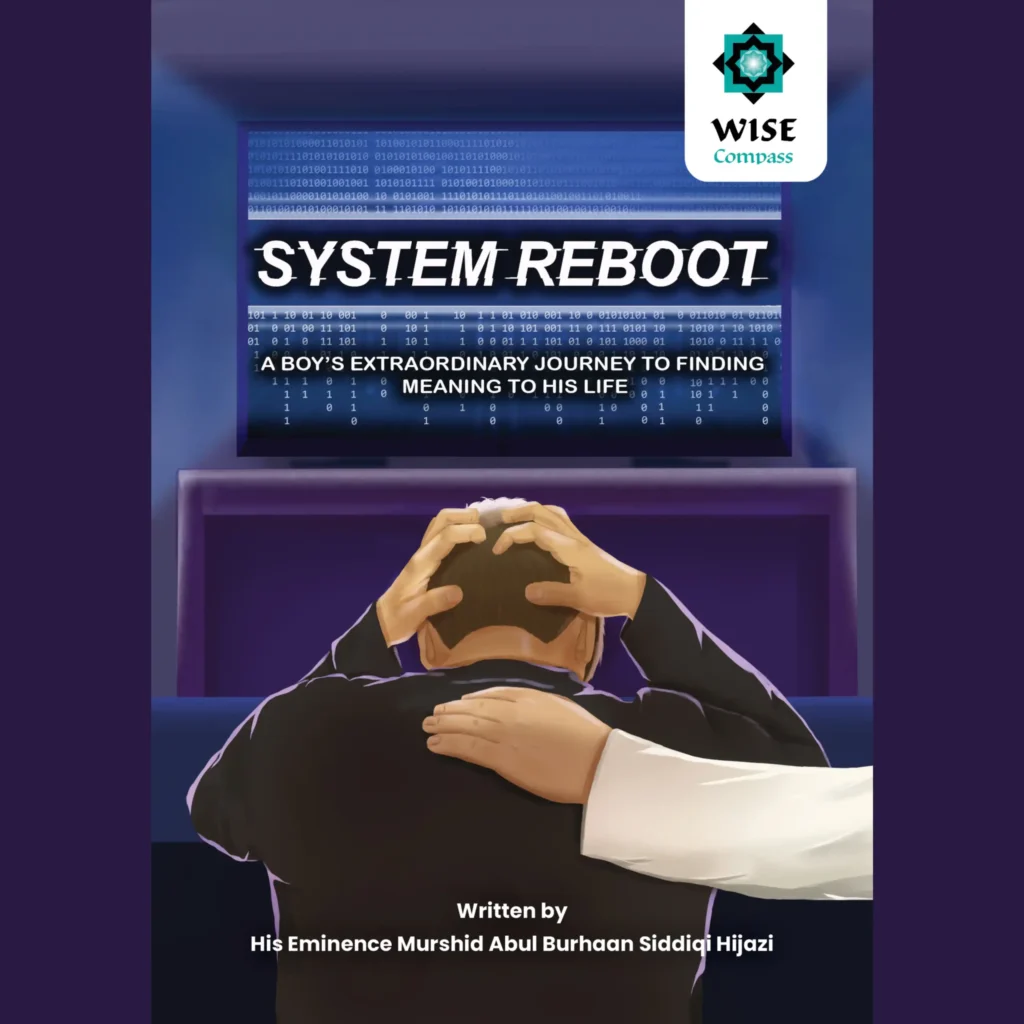
There are many stories that allow your child to explore this for themselves at a suitable reading and emotional age for them – from A Test of Friendship for young children to System Reboot which deals with a teenager suffering from anxiety and loneliness who finds friendship in an unlikely place. Or A Marriage Made in Heaven which follows a young man who seeks to make amends by any means necessary for taking something that did not belong to him.


Through reading stories like these, children do not feel lectured or singled out. They can reflect on the character’s circumstances and choices and draw their own conclusions, which makes the lesson personal and far more likely to stick.
Some children struggle to talk about how they feel, especially if they fear being told off. A story gives them a bridge to be able to face their discomfort and address their feelings in a healthy way. Instead of struggling to admit, ‘I feel jealous of my friend’, they can say, ‘I understand why the character of Zayn felt jealous in that situation. I feel like that too sometimes.’ That small step makes honest conversation easier for them.
Wise Compass makes this simple by including 8 Realisation Questions for discussion in every book, and an online comprehension quiz and notes section with every story. Parents of younger children may find these especially useful alongside stories for kindergartners, where short, gentle conversations after reading work best to help children engage with the deeper meaning behind each story.
For Muslim families, the greatest strength of faith-based stories is that emotional skills are connected to worship and to a relationship with Allah Almighty. A child learns that patience is not just a good idea, it is something Allah Almighty loves. Forgiveness is not just kind, it follows the example of holy Prophet Muhammad ﷺ. These stories help your child build a personal connection to their faith and also relate to others and understand the world around them within the framework of Islam.
That connection gives children the reason and strength to keep practising, even when it is hard. Older children who are ready for deeper themes may enjoy books for young readers that explore these ideas in more depth.
Reading the story is only half the job. Here are some simple reading habits that you can use to really help the learning sink in.
Pause and ask. Stop at an emotional moment and ask, ‘How do you think this character is feeling right now?’
Ask what the character could do differently. Help them build problem-solving as well as empathy.
Connect it to real life, gently. Ask, ‘Have you ever felt like that?’ and listen without judging.
Use a short script for younger children. Address the relevant emotion and the most suitable recommended response to it:
For younger children (ages 4-7 years), you can explain it in this way:
‘Feeling angry is okay. Hitting or shouting is not. We can take a deep breath and ask Allah Almighty to help us stay calm.’
‘It is normal to feel jealous sometimes. It means you have seen something good about someone else. But instead of getting upset that they have something you don’t, you should think about all the blessings Allah Almighty has given you and say thank you to Allah Almighty.’
Make it a routine. Plan ahead even if it is only a short story or family discussion. A few minutes of reading each night, with one small question, builds the habit far better than occasional long sessions.
At what age can children start learning emotional intelligence through stories?
Children can begin very early, as soon as they enjoy being read to. Even very young children respond to simple stories about feelings like happiness, sadness and anger. As they grow, you can move to stories with more complex emotions like jealousy, responsibility, pride and regret.
Can stories really help with anger management in children – from toddlers to teens?
Yes, they can support it well. A story about anger and how to deal with it, like A Test of Friendship or Road Rage – Diffusing Anger, shows a child a calm response before they need it, so the idea is already familiar when they feel angry. It also especially helps older children understand their feelings, identify their triggers and set their own personal behavioural boundaries for how they want to behave – all led by the teachings of Islam so they connect their emotional regulation to their faith. Stories do not replace patient parenting, but they give you and your child a shared example to refer back to so that you can discuss it meaningfully. You can ask, ‘What did the character do to stay calm?’ for a younger child and deeper questions for older children to explore complex emotions, such as ‘Why do you think people get angry?’ and ‘What is the best way to ground your anger or respond to someone who is angry?’
How do I explain jealousy to a child from an Islamic point of view?
Explain that feeling jealous is human, but that Islam teaches us to want wishgood for others. You can teach them the Hadith that a believer is someone who loves for their brother in faith and humanity what he loves for himself. This means that our love for Allah Almighty and our faith is so strong that we want the same goodness for everyone else as we do for ourselves, and we do not want more for us and less for them. A story about jealous friends can make it easier to explain this because your child sees the feeling and its consequences without being personally blamed.
What should I do if my child does not want to talk about the story?
Do not push. Some children need time, and some open up later at bedtime or in the car. Instead of asking about the child with a question such as ‘Do you ever feel like that?’, try asking about the character instead, for example, ‘Why do you think the character did that?’ or ‘How do you think this character felt here?’ Children often feel comfortable enough to share more when the question feels less personal.
Are digital formats as effective as printed books for emotional learning?
Both can work well, and the best choice depends on your child. Printed books suit quiet bedtime reading and shared page-turning, while audiobooks and videobooks suit children who learn by listening and watching. The digital eBooks are also good for visual learners who want to read independently or while on the move – and means children can conveniently travel with a whole library of stories instead of physical printed books. What is key is the conversation afterwards, which can be done effectively with any format.
How do stories differ from simply telling a child how to behave?
Telling a child what to do commands them to follow a rule, while a story invites them to think about and understand the reason behind it. Because children can follow the story at their own pace, and feel the character’s emotions, the lesson becomes personal rather than imposed, which leads to better long-term habits.
How many stories should I read each week to see a difference?
There is no fixed number. Reading a short story a few times a week and having a brief chat afterwards is more effective than reading many stories without any reflection. Consistency in reading habits and discussion is the most important factor.