







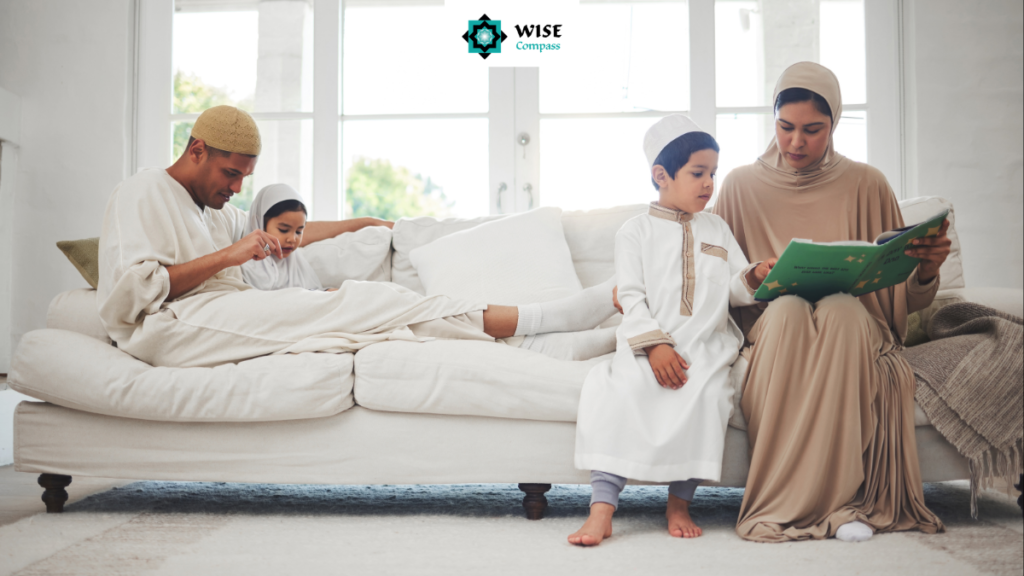
Building a Friday family routine rooted in Islamic values means turning Jummah (Friday) into a focal point for the weekly rhythm of worship, connection, and reflection rather than just another day in the week. A strong routine includes physically and mentally preparing yourself the night before, paying particular attention to cleanliness, dressing well, attending the Jummah Khutbah (Friday sermon) together if possible, and sharing a special family meal, as well as setting aside time for Dua (Supplication) and gentle conversation about faith.
Involving children early through simple practices and relatable stories helps them associate Jummah with warmth, community, and closeness to Allah Almighty rather than just learned obligation. Over time, these small, repeated habits become the backbone of a child’s Islamic identity.
‘Jumu’ah’ or ‘Jummah’ refers to the whole day of Friday and is synonymous with the Jummah Salah (Prescribed Friday prayer) itself. The name derives from the meaning ‘congregation’ and is so significant that there is a whole Chapter of the noble Quran which is named for it. Allah Almighty tells us in the noble Quran at Surah Al Jumu’ah (62), Verse 9:
يَٰٓأَيُّهَا ٱلَّذِينَ ءَامَنُوٓا۟ إِذَا نُودِىَ لِلصَّلَوٰةِ مِن يَوْمِ ٱلْجُمُعَةِ فَٱسْعَوْا۟ إِلَىٰ ذِكْرِ ٱللَّهِ وَذَرُوا۟ ٱلْبَيْعَ
Yaaa ayyuhal ladheena aamanooo idhaa noodiya lis Salaati miny yawmil Jumu’ati fas’aw ilaa dhikril laahi wa dharul bay
O you who believe, when the call to prayer is made on Friday, hasten to the remembrance of Allah Almighty and leave off business.
This verse sets the tone for the entire day: Jummah Salah should not be rushed through between errands, and by extension, the whole day should be recognised as significant. It is a weekly appointment with Allah Almighty, and families who build a routine around it give their children a living example of what it means to prioritise faith over distraction.
A consistent Friday routine gives children something predictable and comforting to look forward to which supports a child’s sense of security and belonging, as shown by leading research on child development.
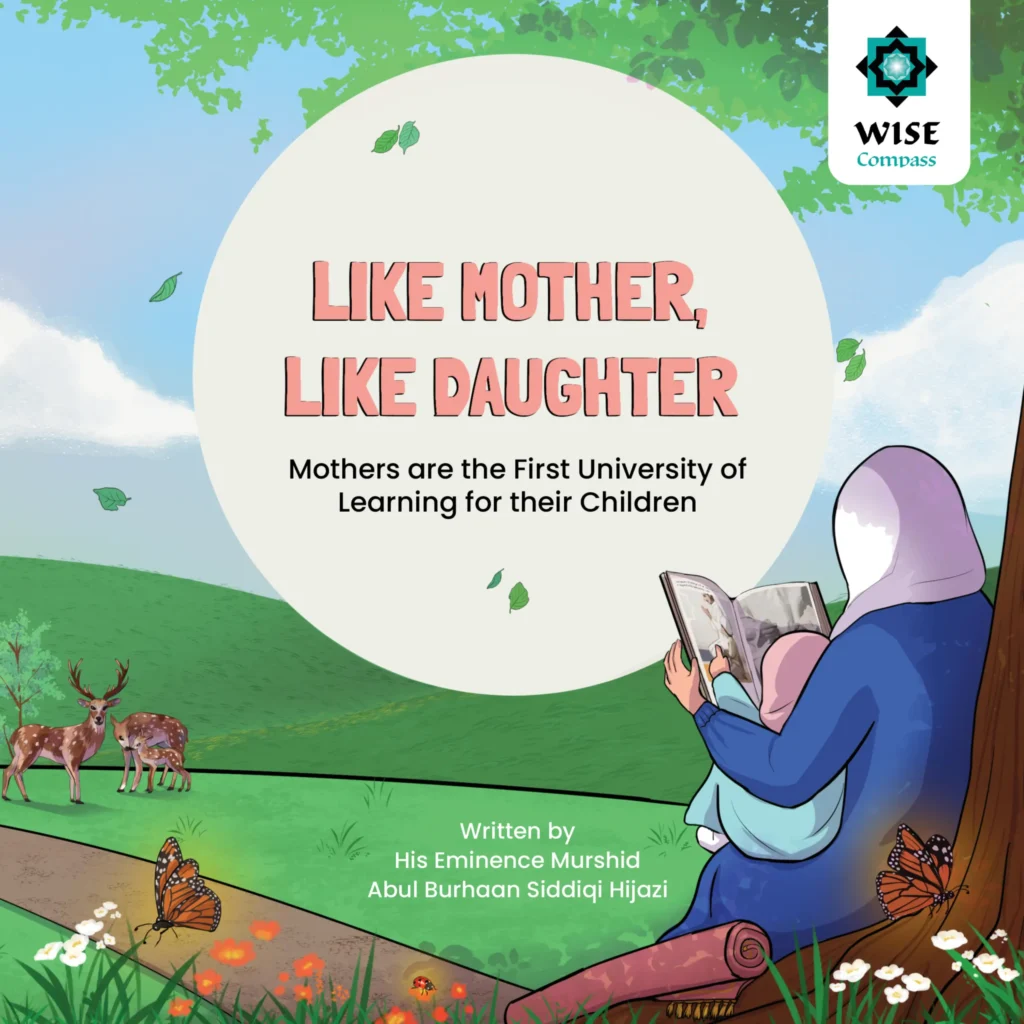
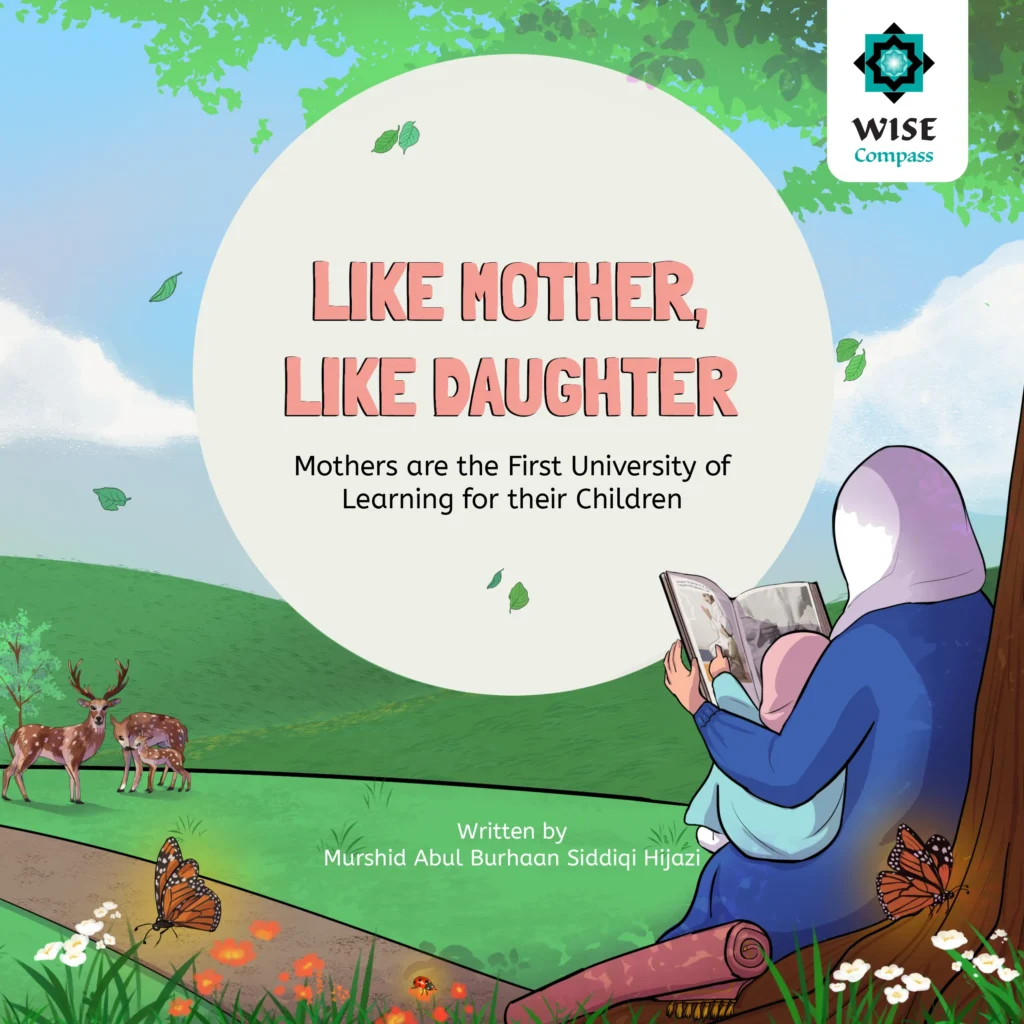
A calm Friday starts on Thursday night. You can discuss and agree what special breakfast everyone will share for Jummah, what time the family will leave for the Masjid the next day (if everyone is able to attend), and have a short chat with your children about what Jummah means. This is a lovely moment to introduce a story like Like Mother, Like Daughter, where a young girl named Aaliyah watches her mother pray and grows curious about why prayer matters so much. Reading it the night before Jummah helps children connect the next day’s Jummah Salah to something that feels warm and personal rather than just an abstract idea.
It is also good to encourage children – especially younger children – to have a special bathtime on Thursday night, prepare their best clothes for the next day, and read special Duas at bedtime. These practical steps give them a sense of control and ownership of their actions, which boosts their confidence, as well as building a positive association and anticipation for the blessed day ahead.
It is recorded in Sunan Abu Dawood, Hadith 351, that holy Prophet Muhammad ﷺ said:
‘Ghusul (Ritual bath) on Friday is compulsory for everyone who has attained puberty.’
Encourage older children to perform Ghusul from the time they come of age, so that they become accustomed to staying clean and being prepared for every day, especially Jummah. Role model this yourself as parents so that they have a strong sense of personal self-care, and a responsible attitude towards what is appropriate for how an adult approaches Jummah. It is reported in Sunan Ibn Majah, Hadith 1098 that holy Prophet Muhammad ﷺ said:
‘…Whoever comes to Friday (prayer), let him take a bath and if he has perfume then let him put some on. And upon you (I urge, to use) is the tooth stick (Miswaak).’
Everyone in the family – young and old – should wear their best clean clothes on Jummah, even if they are not able to attend the Salah. Make it fun by letting younger children pick out a special ‘Jummah outfit’ they associate only with this day, and allow older children to apply Itr (Perfume oils) as part of learning to follow the Sunnah (Prophetic practice).
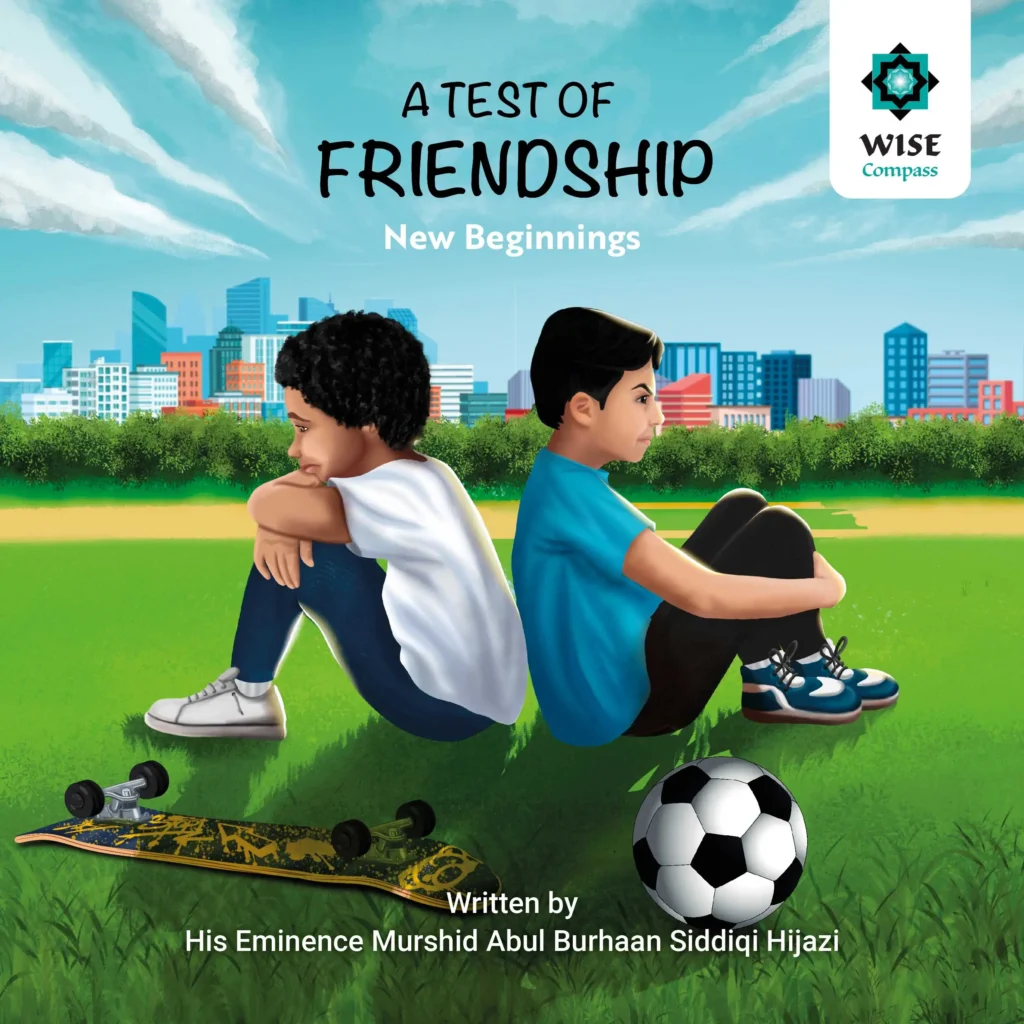
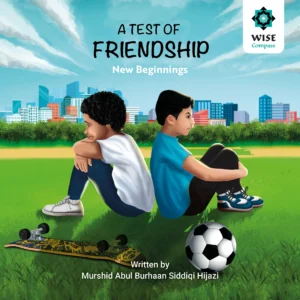
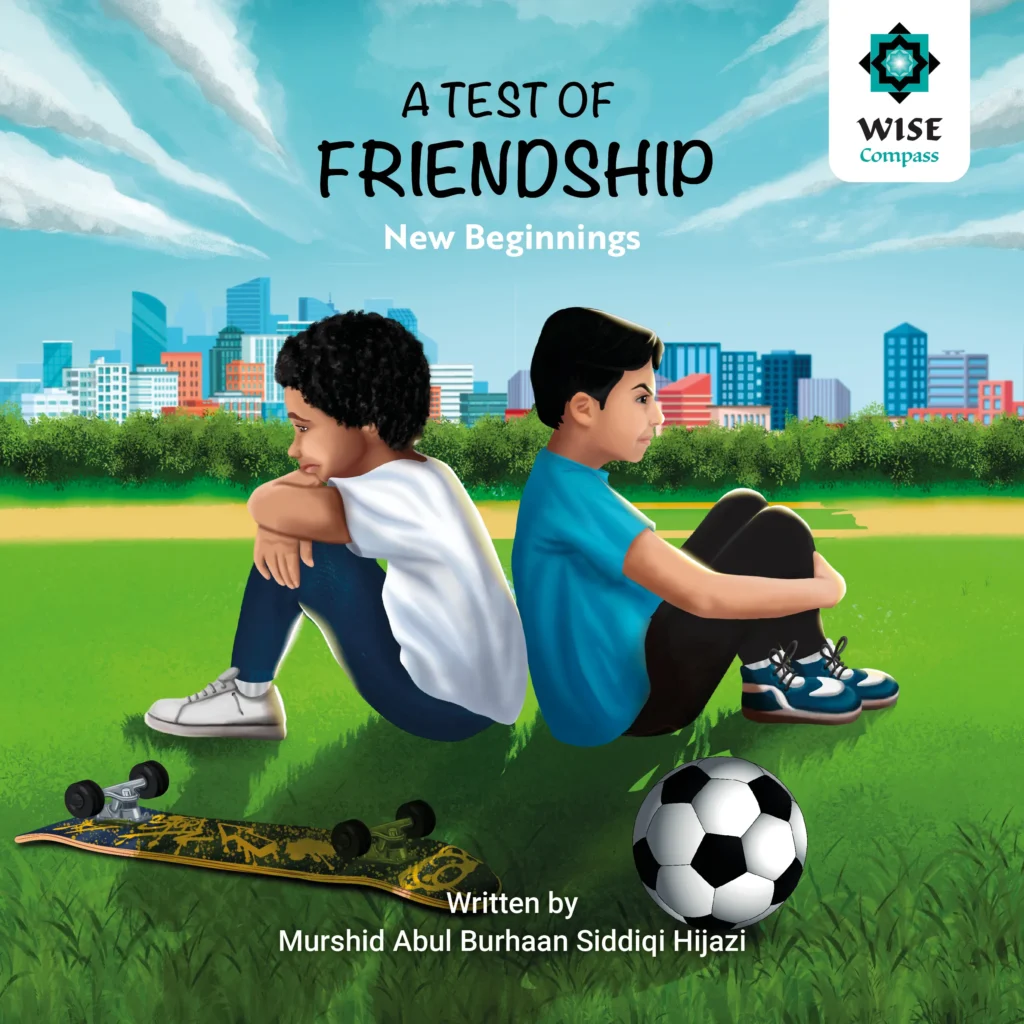
Where possible, take the whole family to hear the Jummah Khutbah (Sermon). Even if younger children attend a children’s area or sit quietly at the back, being physically present at the Masjid builds a sense of community and belonging in them from an early age. Children are often open to new experiences, but emotions can be unpredictable sometimes. To help with challenging issues that may come up, such as arguments among siblings about who gets to sit where or feelings of exclusion or competition, you may read the story A Test of Friendship with them. This story follows Raihaan, Khaleel, and Zayn as they work through jealousy and rebuild trust in their friendship. It is a gentle way to open a conversation about handling hurt feelings before or after the Masjid trip.
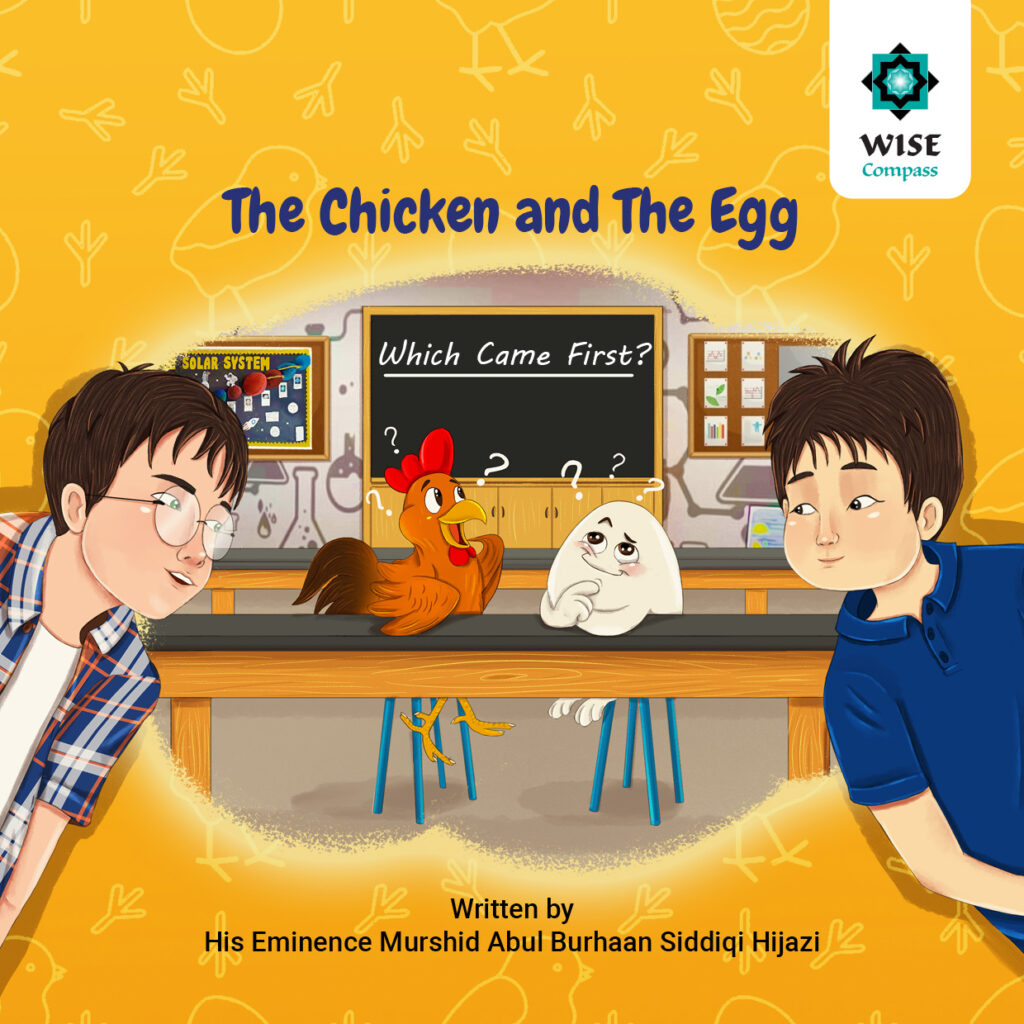
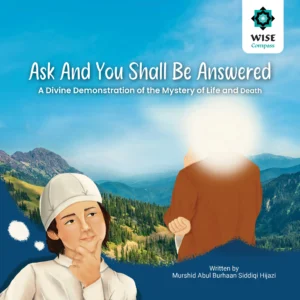
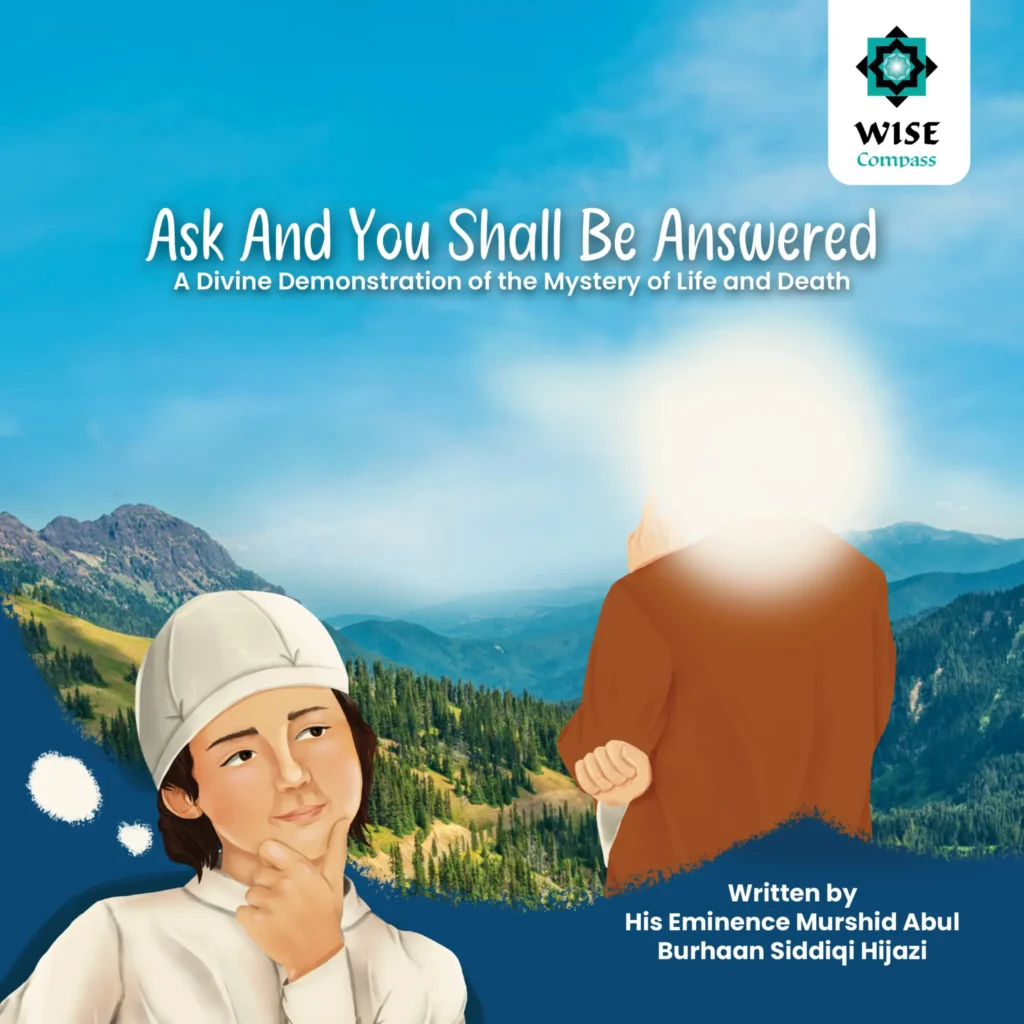
Children are also naturally curious and will have many questions about new things. It is really helpful to read a story with them that can help shape their confidence in questioning, such as the Wise Compass book Ask And You Shall Be Answered. This story follows Musaddiq, a young boy who worries about the many questions he always asks to better understand himself and the world around him. When his big questions about life keep him up at night, his mother tells him about a Prophet who asked similar questions and how Allah Almighty answered his sincere curiosity with wisdom. Just like Musaddiq’s Mum, you too should take time to engage with any questions your child has; you can make it part of your weekly routine to do this before or after the Masjid trip on Jummah.

It is reported in Mishkaat Al Masaabih, Hadith 2175, that holy Prophet Muhammad ﷺ said:
‘If anyone recites Surah Al Kahf (Chapter 18) on Friday, light will shine brightly for him until the next Friday.’
This encouragement to recite Surah Al Kahf is also reported in other Ahadith. It is reported in Sunan Al Bayhaqi, Hadith 5856 that holy Prophet Muhammad ﷺ said:
‘Whoever reads Surah Al Kahf on the night of Jumu’ah, a light will shine for him which extends from him to the Ancient House (the blessed Kaʿbah).’
Even reading a few verses together as a family, with younger children following along or listening, builds a beautiful shared habit.
For younger children (ages 4-7 years), you can explain it in this way:
‘The words of the noble Quran are very special because they are the words of Allah Almighty. On Fridays, we read a particularly special part of the noble Quran called Surah Al Kahf. Allah Almighty gives extra light to anyone who reads it, like a torch in their heart and everything they do, that shines far and wide and lasts all week.’
Food has always brought families together, and Jummah meals can become a weekly tradition your children remember for life. Whether it is a breakfast, lunch or a special weekly Friday night dinner, you should make sure that you have at least one special Jummah meal every week. You can share a favourite dish or cook something simple together; the goal is to be present and share a warm family moment as part of your Jummah routine.
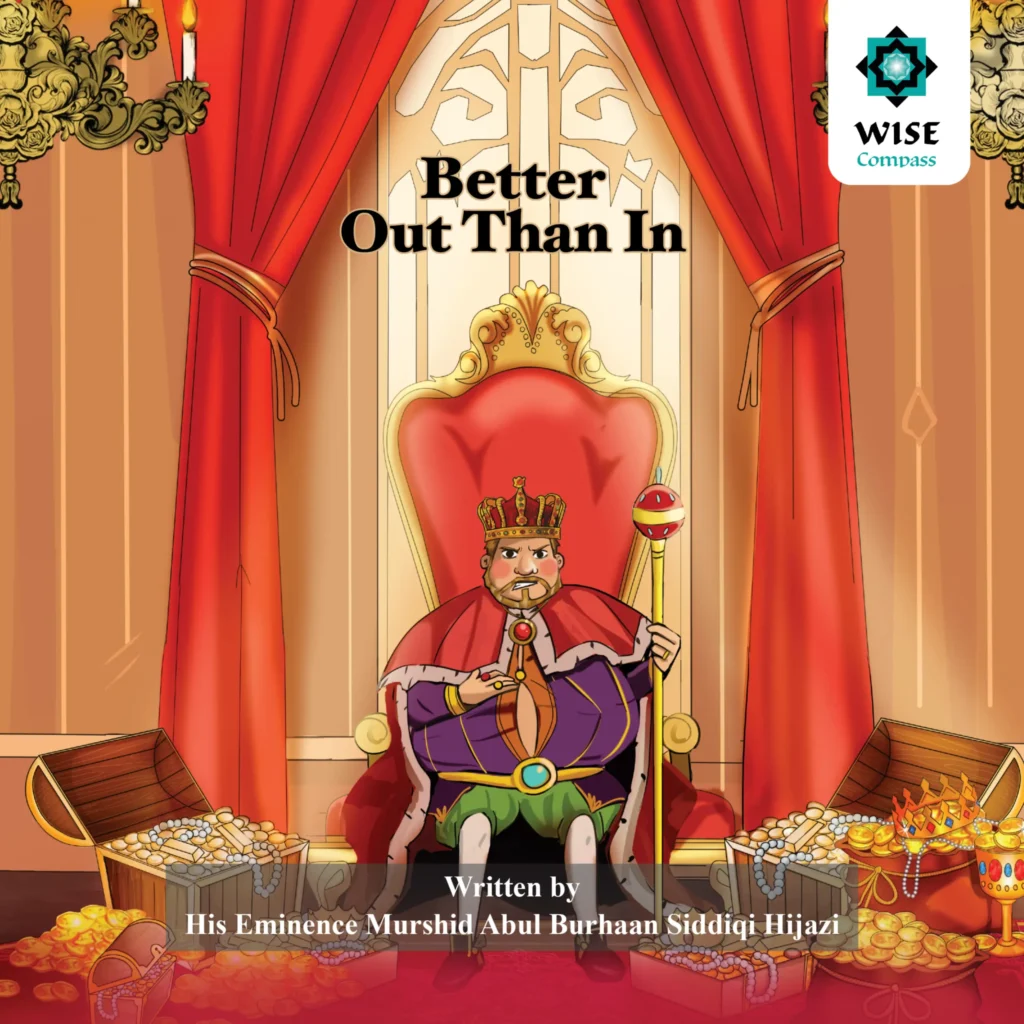
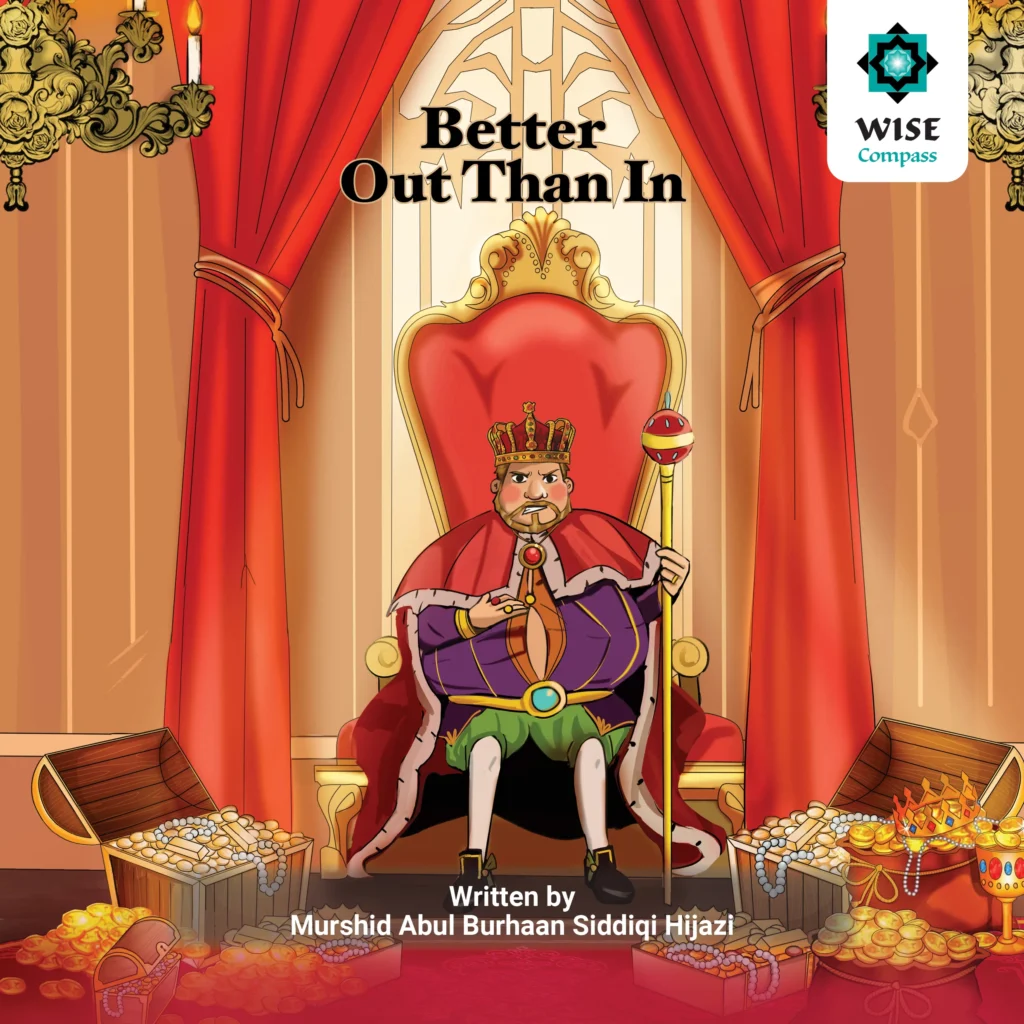
Discussion and reflection can make mealtimes especially meaningful for the whole family. It is a good time to gently discuss gratitude and not taking blessings for granted, themes which are explored really well in Better Out Than In, the story of a king who learns that true wealth lies not in gold, but in the simple blessings Allah Almighty has already given him. You can build on this by reading the story during family time, after dinner, or even at bedtime.
Friday holds a special hour when Dua is especially likely to be accepted. Set aside ten quiet minutes as a family, even just before Maghrib (Sunset prayer), to make Dua together. You can teach children of any age this simple Dua to make this habit easy for them:
Arabic:
اللَّهُمَّ اهْدِنِي فِيمَنْ هَدَيْتَ
Transliteration:
Allahumma ihdinee feeman hadayat
Meaning (Simple English)
O Allah Almighty, guide me among those whom You have guided.
End the day by spending some family time together. As it is a Friday night, when there is no pressure for school or work the next day, you might extend your child’s bedtime and watch a Wise Compass story together as a family or read one to them as a bedtime story. You should also ask each family member to share one thing they learned, felt grateful for, or want to improve for the next Jummah. This closes the loop on the day and reinforces that Jummah is not just a ritual; it is a weekly checkpoint for the soul.
Jummah is the day of Friday, and Jummah Salah is the weekly congregational Friday prayer that holds special status in Islam. It is described in the noble Quran as a time to leave aside worldly business and turn toward the remembrance of Allah Almighty. It is also considered a day of increased mercy, forgiveness, and accepted Dua, making it one of the most spiritually significant days of the week for Muslims.
Keep it sensory and relatable. Let children pick their own Jummah clothes, involve them in preparing any one of the Friday meals, and use short, age-appropriate stories to explain concepts like prayer, gratitude, and community. Consistency matters more than complexity; a simple routine repeated weekly will stick far more than an elaborate one done occasionally.
There is no strict age requirement, and many families begin bringing children along to observe Jummah Salah from a young age so that they become familiar with the Masjid environment. As children grow older and near puberty, attending the Jummah Khutbah (Sermon) and joining the congregational prayer becomes an important part of their religious development. Families with young children should use their judgement based on the child’s ability to sit calmly so as to not disrupt adult worshippers who are in attendance for the obligatory Jummah Salah.
This is completely normal, especially for younger children. Many Masjids have designated children’s areas, and some families take turns supervising little ones outside the Masjid during the Khutbah. This is because the Khutbah is a very special time and attendees must pay attention to it without disruption or distraction. What matters most for children who attend is building an appreciation for the significance of the Khutbah and positive associations with the day over time rather than expecting perfect stillness immediately.
Surah Al Kahf is a Chapter of the noble Quran which contains stories of trials, faith, and patience, including the well-known account of the People of the Cave who were cryopreserved in a miraculous state by Allah Almighty as a Great Sign for mankind to reflect upon. Its weekly recitation is a tradition encouraged by holy Prophet Muhammad ﷺ, and many scholars note that it offers spiritual protection and light for the believer until the next Jummah.
Yes, interestingly, Fridays often bring families into closer proximity, which can cause everyday sibling tensions like jealousy or feeling left out to surface. Using relatable and age-appropriate Wise Compass stories, such as ones dealing with friendship and forgiveness, can open natural conversations that help children process these feelings within an Islamic framework of patience and reconciliation.
For parents seeking Jummah traditions to guide and raise young children, stories from our Junior Adventurers collection are an ideal aid, as they are written for the 4-7 years age range. For children who are a little older and ready for deeper reflection on Islam and the meaning and significance of Jummah, our range of Islamic stories for kids gently introduces Islamic values across all ages and is a great fit for growing children.