









Friday is described in Hadith as an extremely blessed day and the best day of the week in fact, which makes it an ideal time to build a child’s habit of making Dua (Supplication to Allah Almighty) and reciting Durood (Praise upon holy Prophet Muhammad ﷺ). The best Duas to teach children for Friday can centre on gratitude, hope, reliance on Allah Almighty and the blessings of Jummah Salah (Prescribed Friday prayer), such as:
These Duas are short enough for young children to memorise, yet meaningful enough to grow with them as they get older. Teaching a child to make Dua consistently, even in small doses each Jummah, helps them associate Friday with connection to Allah Almighty rather than just a day when the ‘adults especially go to the Masjid’.
It is reported in Sahih Muslim, Hadith 854, that holy Prophet Muhammad ﷺ said:
‘The best day on which the sun rises is Friday.’
Because Jummah carries this special status, it is the perfect weekly anchor point for teaching children the habit of Dua. Rather than introducing a new Dua every single day, parents can use Friday as a consistent, joyful checkpoint, a day where the family slows down to connect with each other, prepares for Salah together if possible, and practises Dua as part of the routine.
When children can join parents in the Jummah Salah, there is a lovely moment before heading to the Masjid (Islamic place of worship) when parents can pause and make a short Dua together for the Salah ahead.
Arabic:
اللَّهُمَّ اجْعَلْ فِي قَلْبِي نُورًا
Transliteration:
Allahumma ij’al fee qalbee noora
Meaning (Simple English):
O Allah Almighty, place light in my heart.
For younger children (ages 4-7 years), you can explain it in this way:
‘Before we go to the Masjid, we ask Allah Almighty to fill our hearts with light and happiness, just like the sun that shines on this special day.’
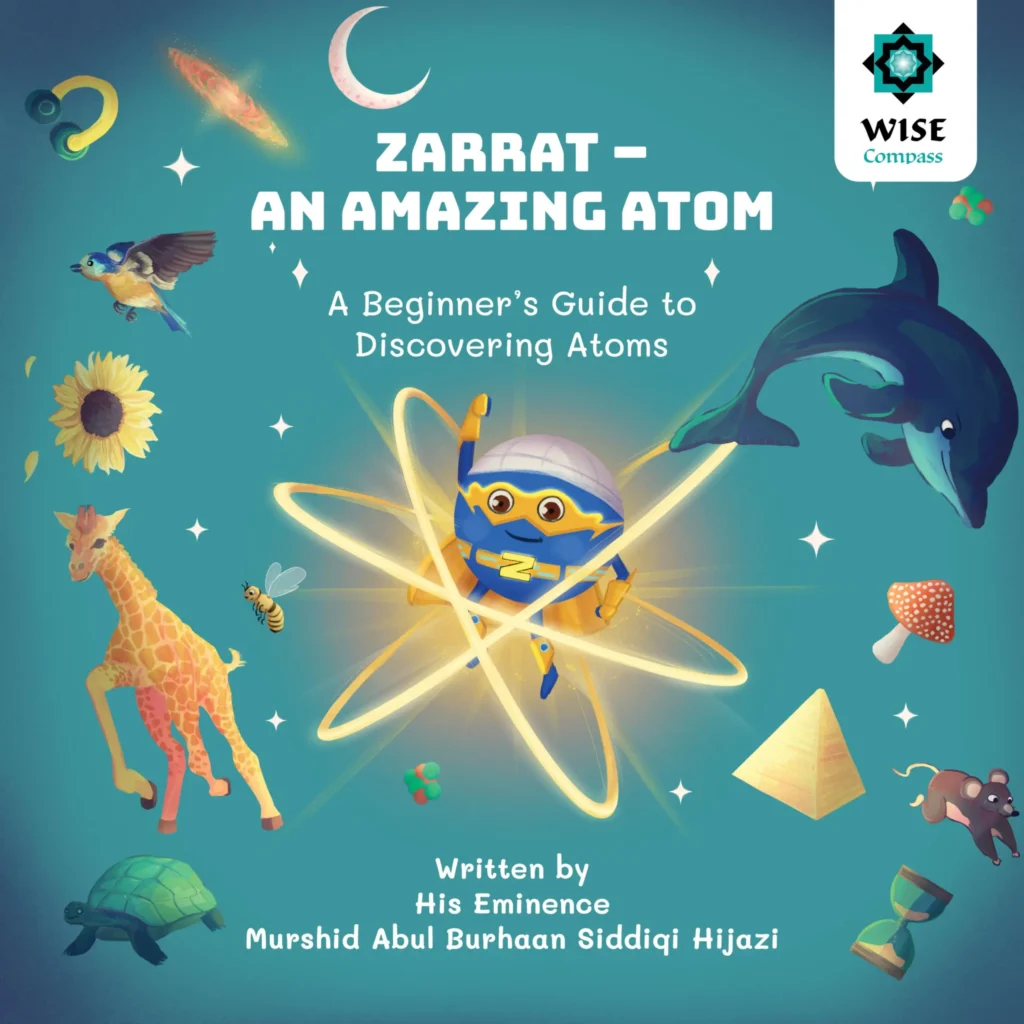
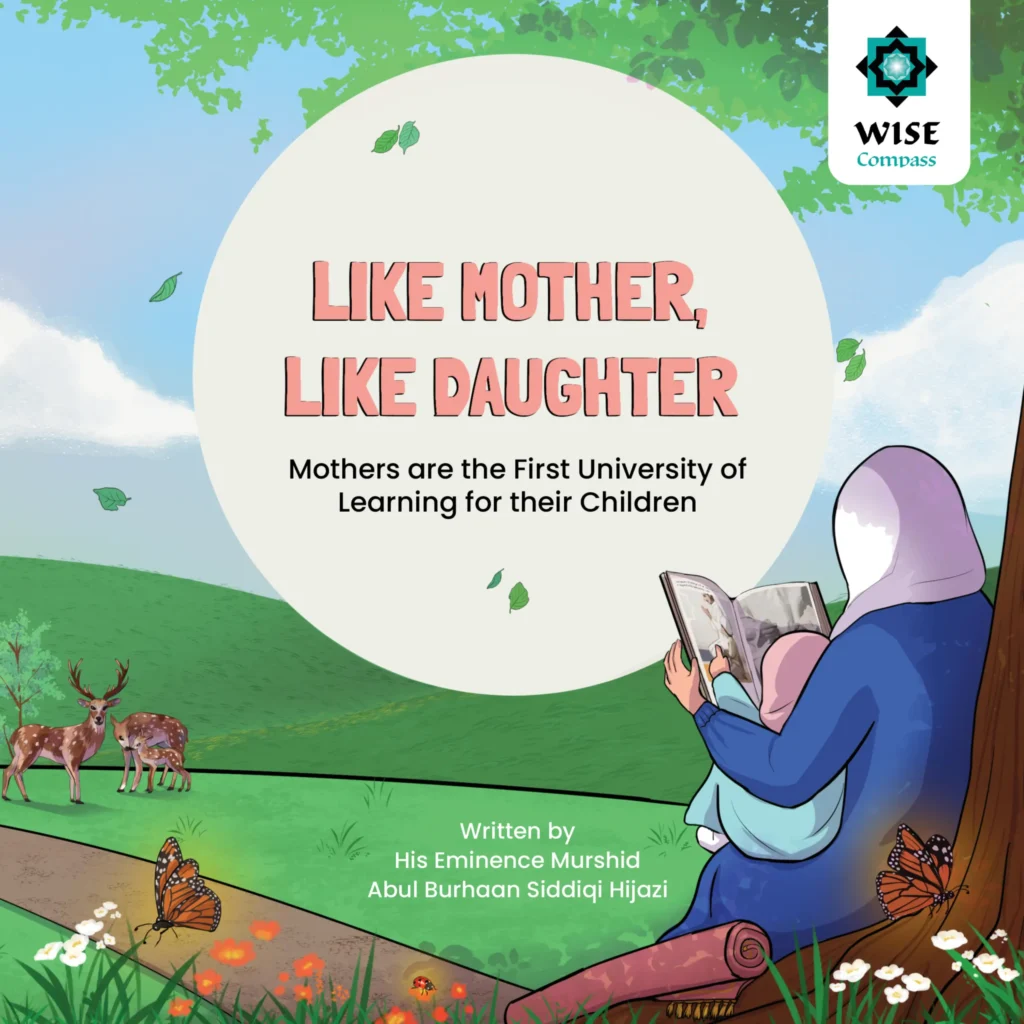
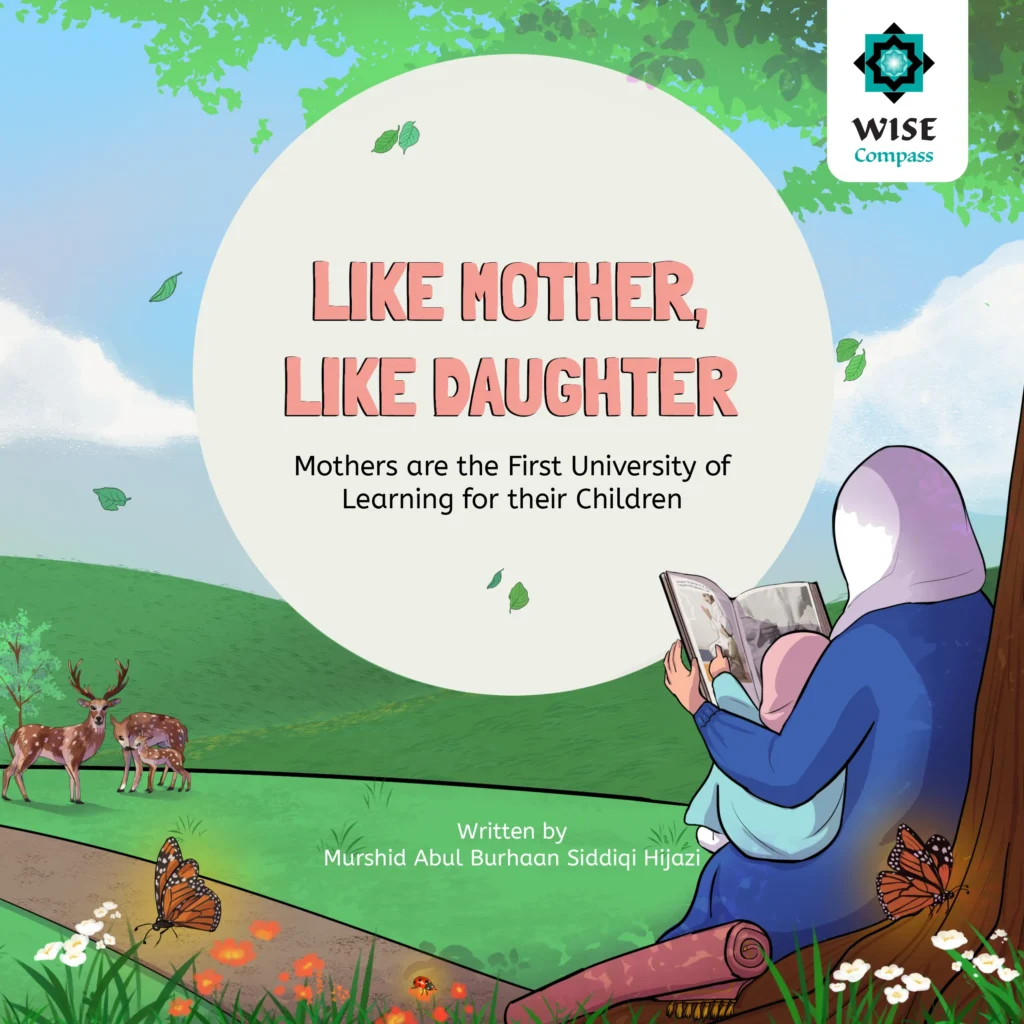
This is a gentle entry point into Dua, and it pairs beautifully with a story like Like Mother, Like Daughter, where young Aaliyah watches her mother pray and asks her own questions about Salah, eventually growing to understand and love it herself. Reading it together on the day of Jummah (whether on Thursday night or sometime on Friday) can spark exactly the kind of curiosity that makes a child want to learn their own Duas.
Friday is widely recognised as the best day to send Salawaat upon holy Prophet Muhammad ﷺ, and it is one of the simplest Duas for even very young children to repeat.
Arabic:
اللَّهُمَّ صَلِّ عَلَى مُحَمَّدٍ
Transliteration:
Allahumma salli alaa Muhammad.
Meaning (Simple English):
O Allah Almighty, send blessings upon Muhammad ﷺ
For younger children (ages 4-7 years), you can explain it in this way:
‘On Friday, we read Durood and Salawaat like this again and again to show our love for holy Prophet Muhammad ﷺ, because he is so special to us all. Allah Almighty is very happy when we do this.’
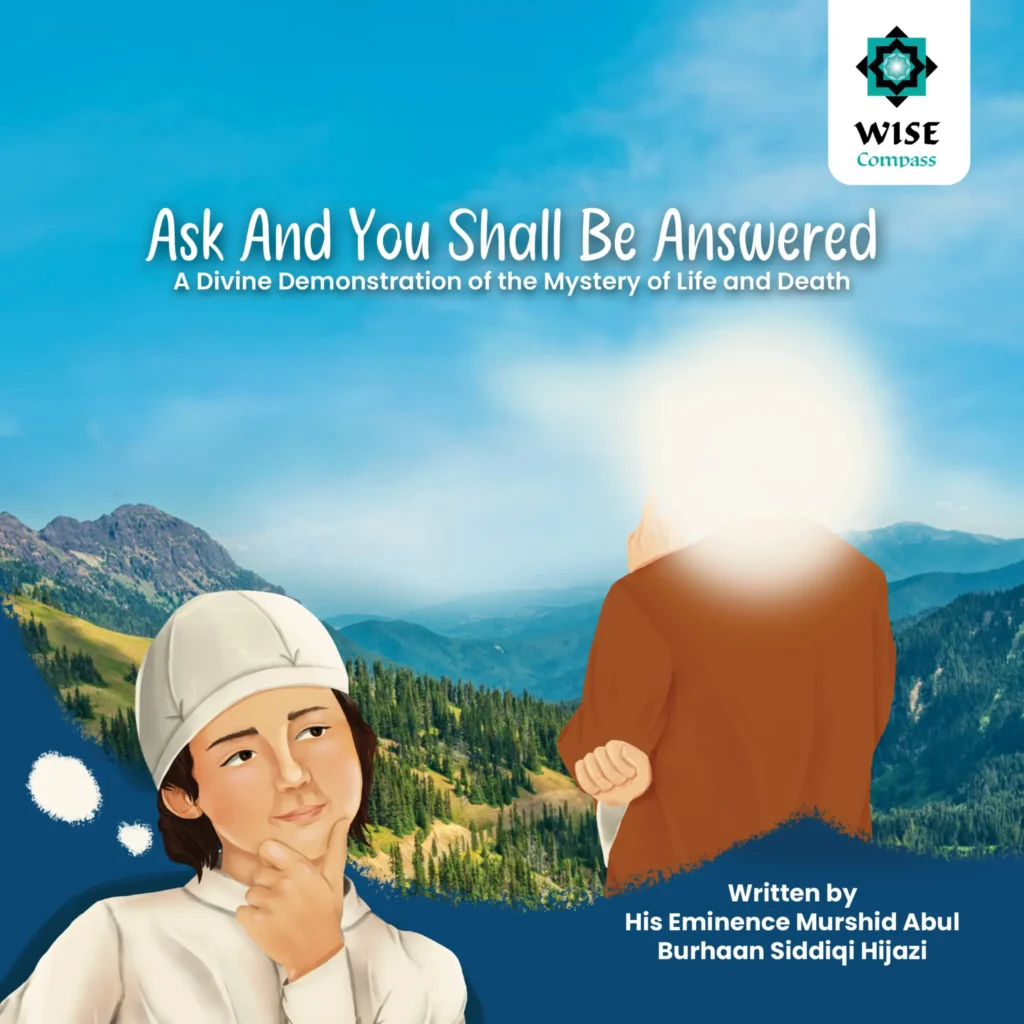
Children are naturally full of questions about why we do the things we do in Islam, and that curiosity is worth nurturing rather than brushing aside. The story Ask And You Shall Be Answered follows a child named Musaddiq whose big questions about life keep him up at night until he learns how Allah Almighty answers sincere curiosity with wisdom. It is a wonderful companion story for a Friday evening, especially if your child has ever asked ‘Why do we say this Dua?’ or ‘Why is Friday special?’

Children have many hopes and innocent wishes in their hearts, from wanting little things like toys, clothes, food and gadgets all the way to wanting important things like health, happiness, friendship and love. They should be encouraged to remember that Allah Almighty is the Ultimate Provider and the Only One Who can fulfil all of our needs and hopes. It is a gift to teach them how to ask Allah Almighty for whatever they want and how to accept and rely on Him for whatever comes in life. Allah Almighty tells us in the noble Quran at Surah Al Talaq (65), Verse 3:
وَمَن يَتَوَكَّلْ عَلَى ٱللَّهِ فَهُوَ حَسْبُهُۥ
Wa mayyatawakkal ‘alallaahi fahuwa hasbuh
And whoever relies upon Allah Almighty, then He is sufficient for him.
This verse pairs naturally with a Dua for Rizq (Provision) that a child can say quietly to themselves before or after Jummah Salah.
Arabic:
اللَّهُمَّ ارْزُقْنِي رِزْقًا حَلَالًا طَيِّبًا
Transliteration:
Allahumma urzuqnee rizqan halaalan tayyibaa
Meaning (Simple English):
O Allah Almighty, grant me provision that is lawful and pure.
For younger children (ages 4-7 years), you can explain it in this way:
‘We ask Allah Almighty to give us good things, like food, health, and happiness, in ways that please Him.’
To educate and explore this idea with children that Allah Almighty always provides, even in the most impossible-seeming situations, you can share a Wise Compass story that addresses this topic. The Endless Well tells of a mother and child left alone in the desert, whose trust in Allah Almighty’s promise leads to the miracle of the blessed ZamZam well near the Ka’bah. It is one of the most powerful examples in Islamic history of Dua being answered through patience and reliance, and it helps children connect this Dua to a real, remembered story rather than just a set of words.

Every person, whether old or young, has their own worries, fears and concerns. Sometimes it is because of what they are going through and other times because of things they have done. Children’s worries are not something to trivialise or ignore, but something that a parent should help them to understand and contextualise Islamically. Allah Almighty has the solutions and solace for every single one of our worries and He is more pleased by the repentance and reliance of His servants than we can even imagine. This short Dua teaches children to hand over their worries to Allah Almighty, no matter what they are. It can be especially useful and comforting to them to read this Dua before a test, a new experience, or simply before sleep on Jummah night.
Arabic:
حَسْبُنَا اللَّهُ وَنِعْمَ الْوَكِيلُ
Transliteration:
Hasbunallaahu wa ni’mal wakeel
Meaning (Simple English):
Allah Almighty is sufficient for us, and He is the best Disposer of affairs
For younger children (ages 4-7 years), you can explain it in this way:
‘When we feel worried, we say this to remind ourselves that Allah Almighty is always taking care of everything for us, even if we do not see or understand how it is happening.’
Jummah is often a day families spend together, which makes it a natural time to teach children a very special Dua for their parents, that they should recite as often as they can. Allah Almighty tells us in the noble Quran, at Surah Al Israa (17), Verse 24:
رَّبِّ ٱرْحَمْهُمَا كَمَا رَبَّيَانِي صَغِيرًا
Rabbir hamhumaa kamaa rabbayaanee sagheeraa
My Lord, have mercy upon them as they raised me when I was small.
For younger children (ages 4-7 years), you can explain it in this way:
‘We ask Allah Almighty to be kind to Mummy and Daddy, just like they are kind to us.’
Older children who are beginning to understand more complex Duas can be introduced to the Dua of Prophet Musa (AS), asking Allah Almighty for ease before an important task. Children who will attend Jummah Salah and spend time in the Masjid should read it, as this is exactly what Salah can feel like for a child still learning to sit still and focus. Children who are coming of age and will soon need to read Salah as an obligation should be encouraged to read this Dua before Salah so that they get into the right habits and frame of mind.
Arabic:
رَبِّ اشْرَحْ لِي صَدْرِي وَيَسِّرْ لِي أَمْرِي
Transliteration:
Rabbi ishrah lee sadree wa yassir lee amree
Meaning (Simple English):
My Lord, expand for me my chest, and ease for me my task
For younger children (ages 4-7 years), you can explain it in this way:
‘We ask Allah Almighty to make Jummah Salah feel easy and calm in our hearts.’
Choosing one Dua per Friday and repeating it for a few weeks, rather than switching every week, helps a child truly memorise and internalise its meaning. Pairing a Dua with a short story, a related Salah moment, or a simple family ritual, such as saying it together before leaving for the Masjid, turns memorisation into something a child looks forward to rather than a task. Over time, these Duas become the tools that a child naturally and sincerely reaches for in their times of need and remembrance.
Increasing Salawaat upon holy Prophet Muhammad ﷺ is often considered the most important Dua for Jummah, since Friday holds a special status of its own as well as a particular day on which to praise and pray for blessings upon holy Prophet ﷺ. It is also one of the simplest Duas for a young child to memorise, since it is short, rhythmic, and easy to repeat.
Children can begin learning very short Duas from as young as 4 years old, particularly ones with simple, repetitive phrases such as the Salawaat listed in this blog. As they grow older, from around 7 years and above, children can begin learning the meaning behind each Dua and longer Quranic Ayahs and Duas with more complex vocabulary.
It is best to teach children the Arabic wording alongside a simple English meaning of a Dua so they build familiarity with the actual words of the Dua while still understanding what they are saying. Saying the meaning in their own words afterwards, as shown in the scripts above, helps reinforce genuine understanding rather than rote repetition alone.
Jummah Salah becomes obligatory upon a Muslim once they reach the age of religious accountability, typically understood to begin around puberty. Younger children are not obligated to attend, but bringing them along regularly helps build the habit and love for Jummah well before it becomes compulsory for them.
Parents should prepare any children who will attend Jummah Salah on how to approach the Jummah Khutbah. The Khutbah is very special and requires every attendee to listen with full focus, particularly those for whom Jummah Salah is obligatory. While hearing the Khutbah is beneficial for children, as it is not obligatory for them, it is especially important they do not disrupt others.
Encouraging children to listen out for a key word or idea in the Khutbah to write in a notebook after the sermon helps keep them attentive without causing a distraction. Parents can provide a small notebook for their child to bring to the Masjid for this purpose. Many parents also find it especially helpful to share a brief story or Dua beforehand, giving children background understanding before the sermon begins. Likewise, discussing related Islamic stories and Duas after Jummah keeps children connected and eager for future sermons. This approach transforms the Khutbah into a meaningful highlight that children can appreciate and actively engage with.
This is completely normal and should not be a cause for anxiety or concern for parents or children. Gently repeating the Dua together, rather than correcting them anxiously, keeps the experience positive. Many parents find that pairing the Dua with a related story, such as the Wise Compass titles mentioned above, helps children recall the words because they remember the story behind them.
✅ Want more stories that bring these lessons to life for your child?
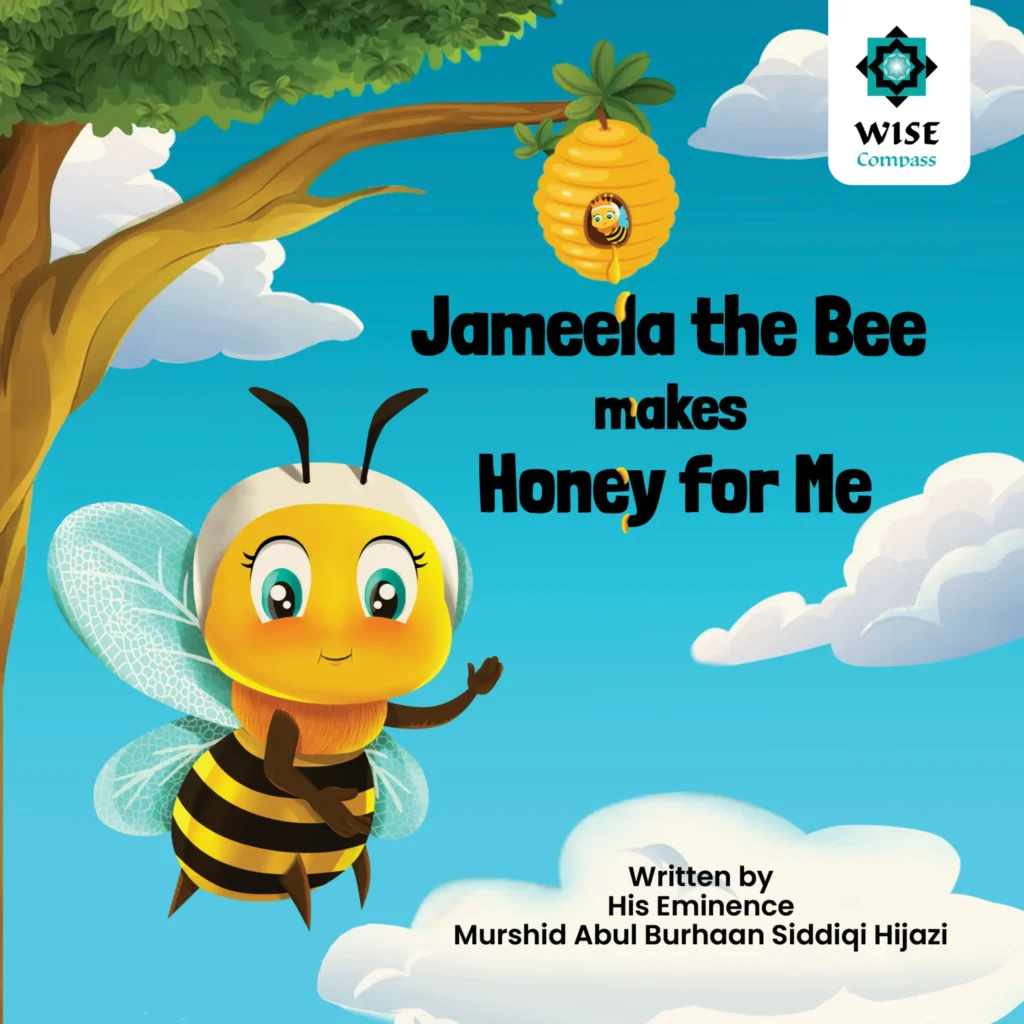
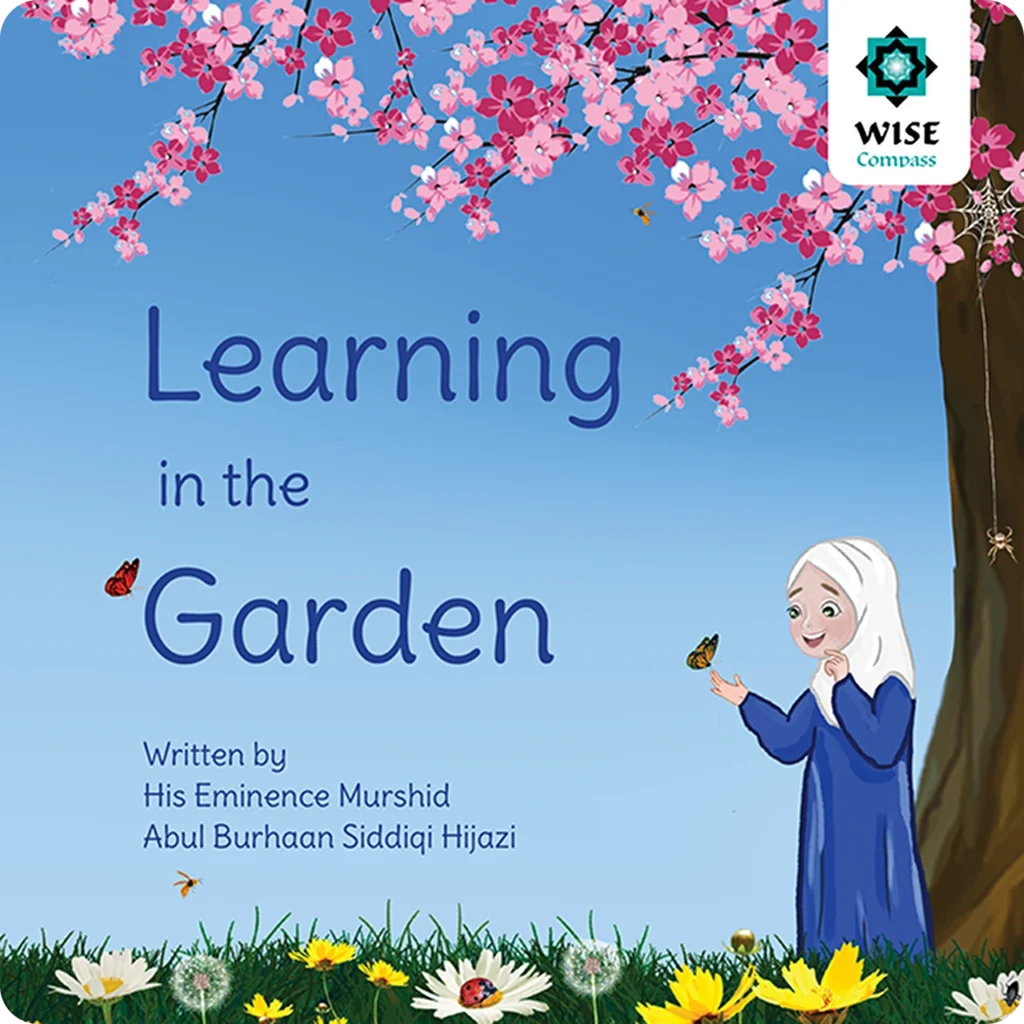
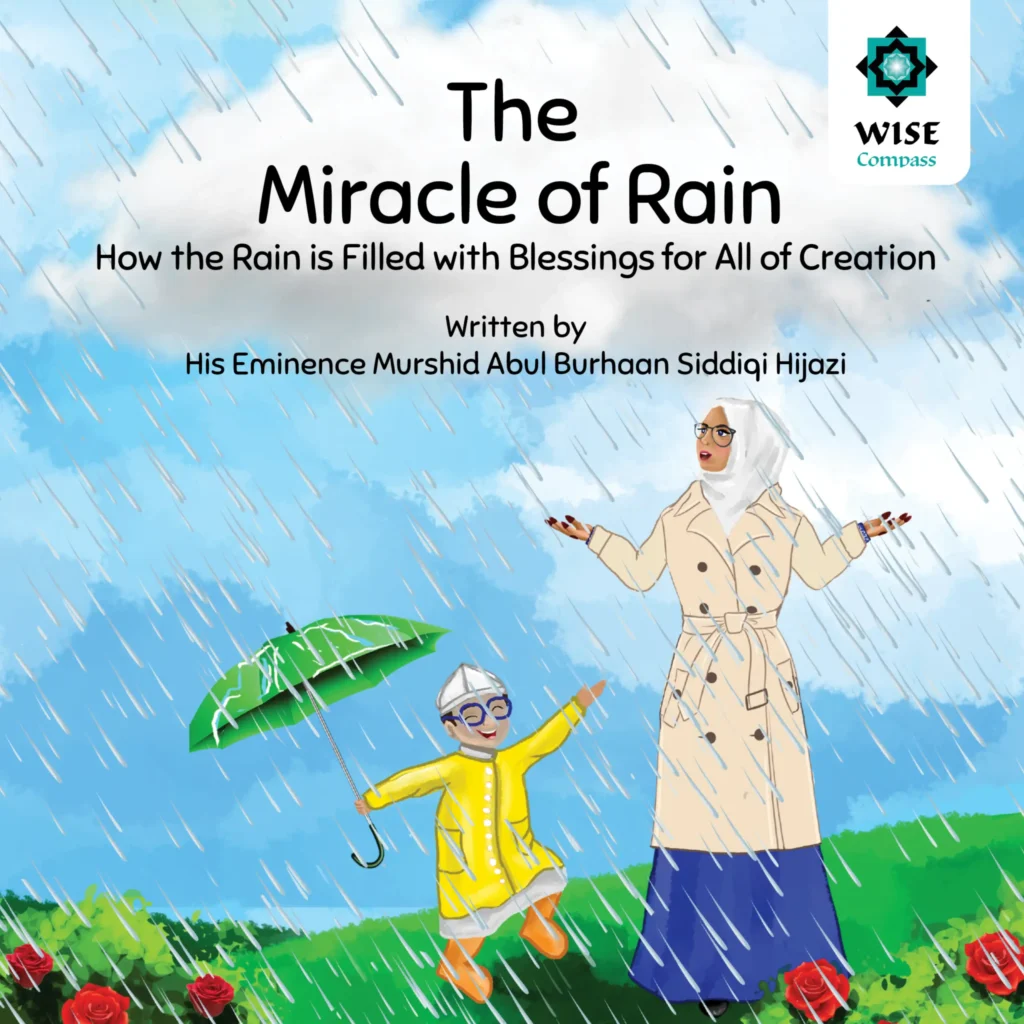
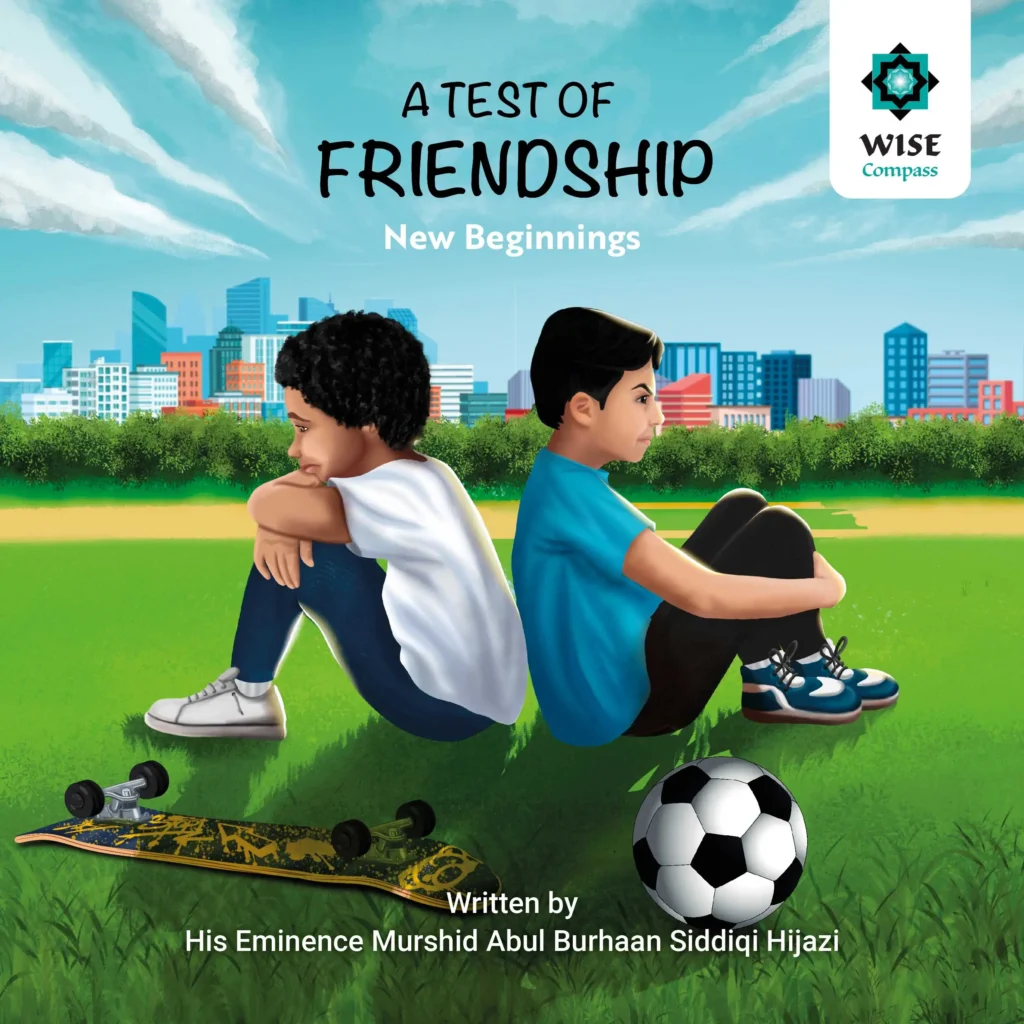
Wise Compass is home to a growing library of Islamic stories for kids that turn values like trust, curiosity, and gratitude into stories that children genuinely want to revisit, Jummah after Jummah.