




It’s a fair question, and the answer is refreshingly simple: no, celebrating Mawlid al-Nabi isn’t obligatory, but that’s exactly what makes it so appealing to the huge number of Muslims worldwide who choose to mark it anyway, purely out of love.
Unlike the five daily prayers, fasting in Ramadan, or zakat, no scholar classifies Mawlid as a religious obligation (fard or wajib). What’s striking, though, is how many Muslims across the world choose to celebrate it regardless, not from duty, but from genuine affection for the Prophet ﷺ. That voluntary, joyful embrace is arguably what makes Mawlid so meaningful: it’s a celebration people choose, again and again, year after year, purely because they want to.
None of these positions treat Mawlid as compulsory, but the weight of scholarly opinion leans firmly toward it being not just allowed but genuinely encouraged.
Plenty of beloved Islamic practices fall outside strict obligation; voluntary charity, extra night prayers, sending abundant salawat upon the Prophet ﷺ, yet Muslims pursue them enthusiastically because of the reward and closeness to Allah they bring. Mawlid fits naturally into this same category: optional, but spiritually rich, and embraced precisely because it isn’t a chore.
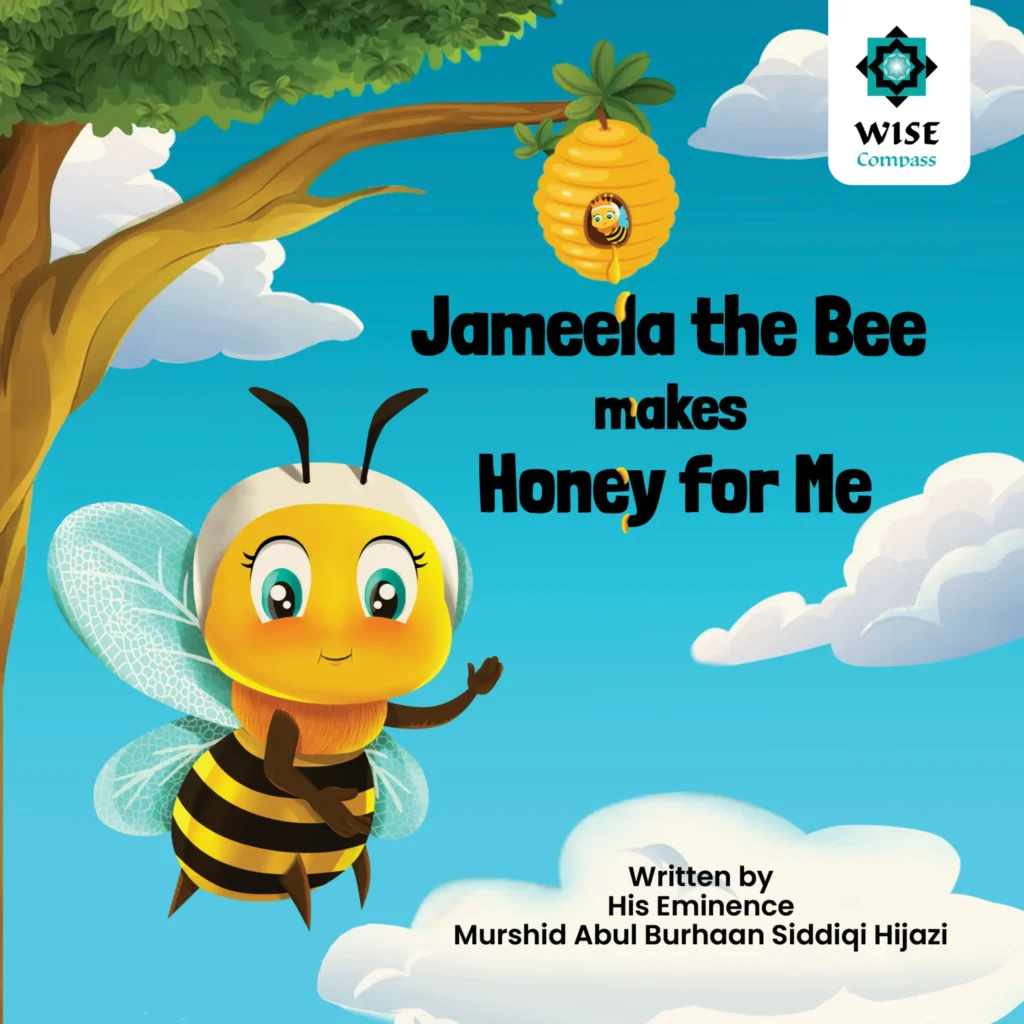
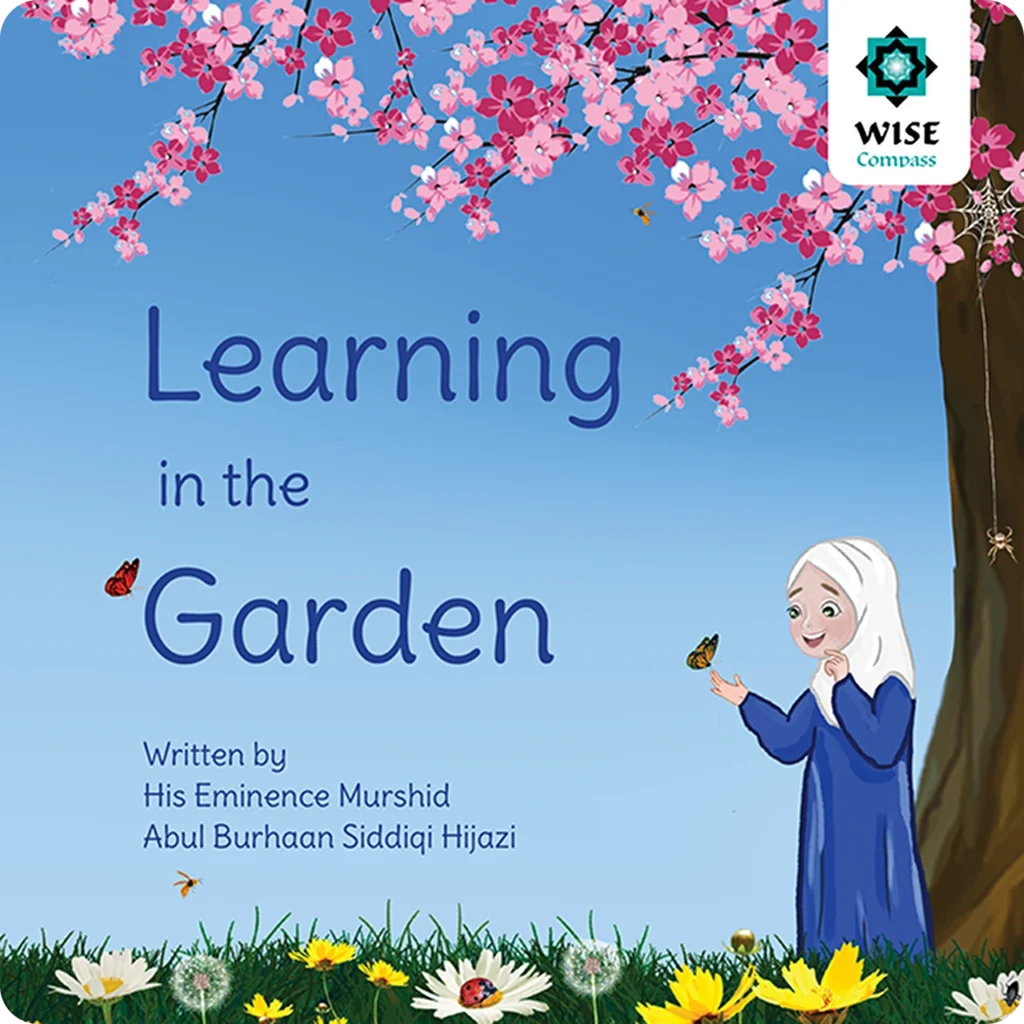
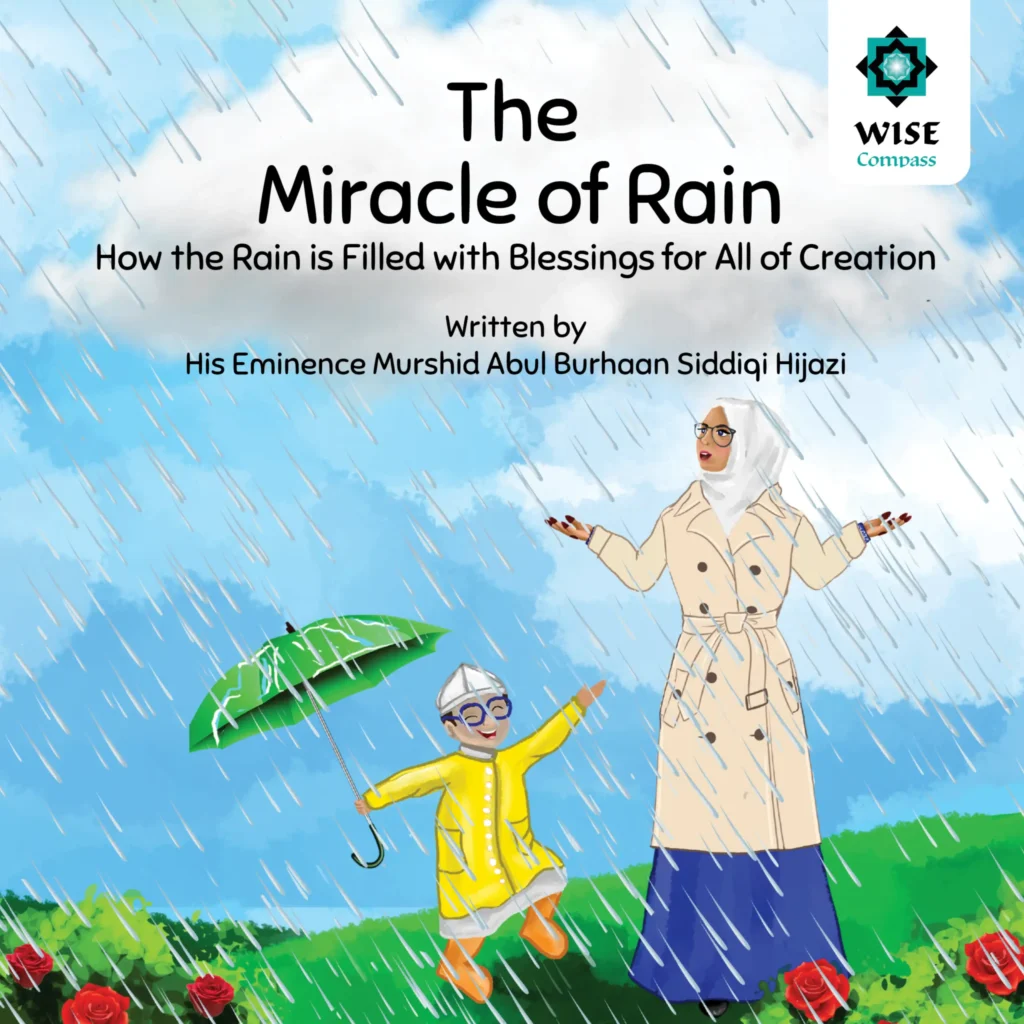
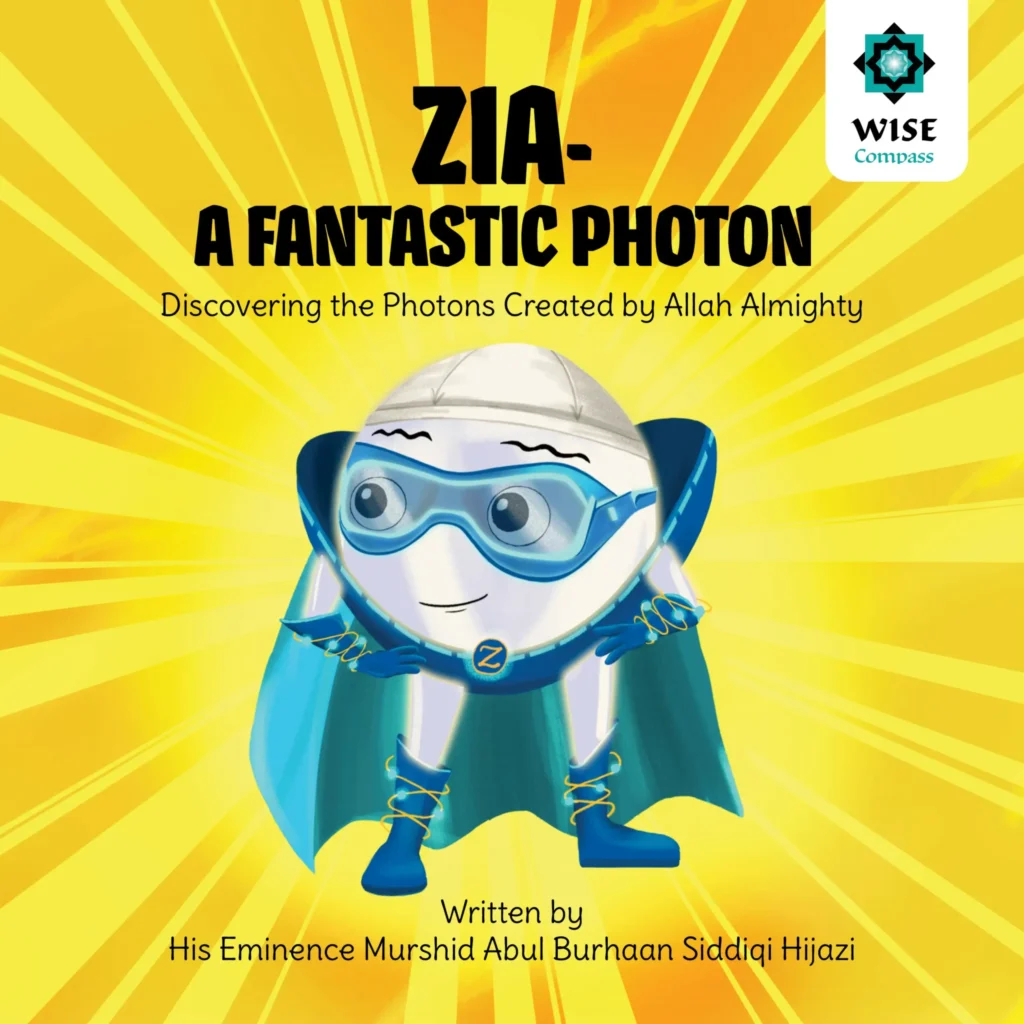
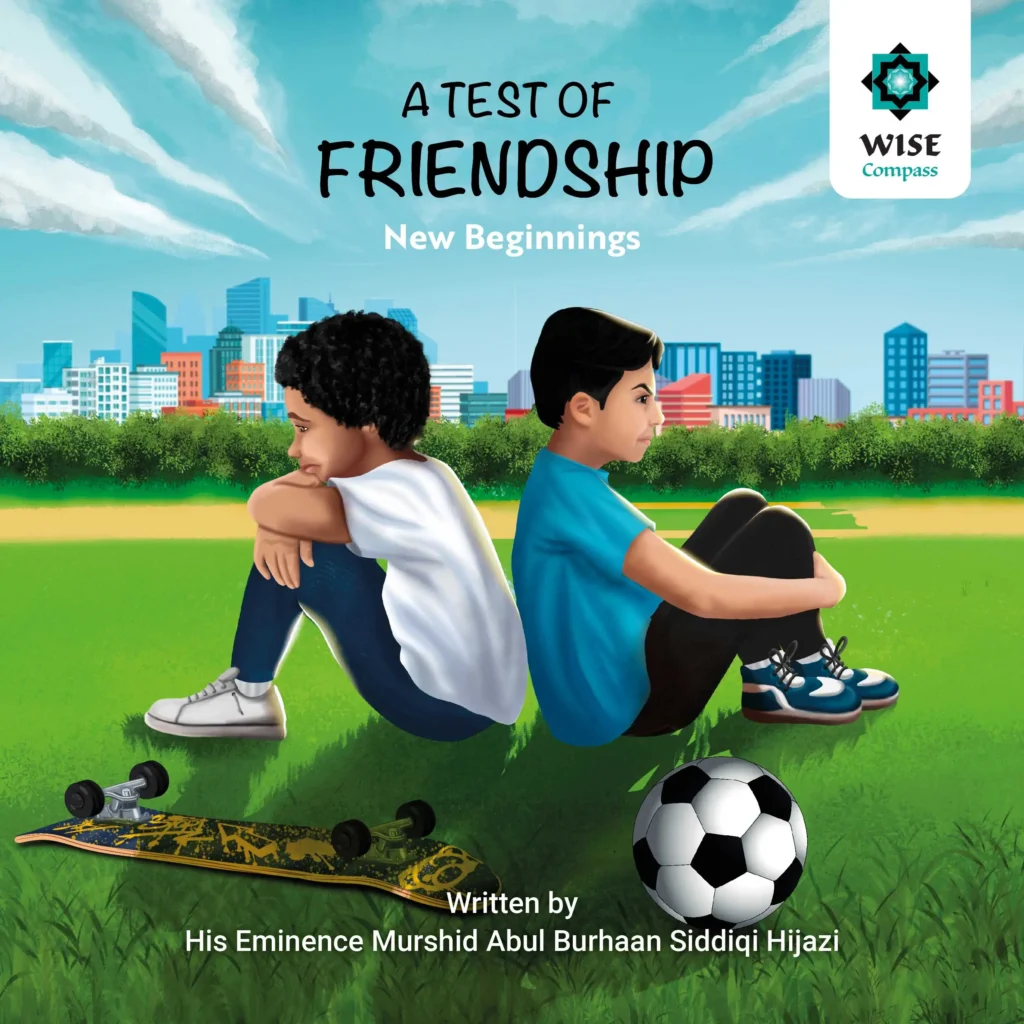
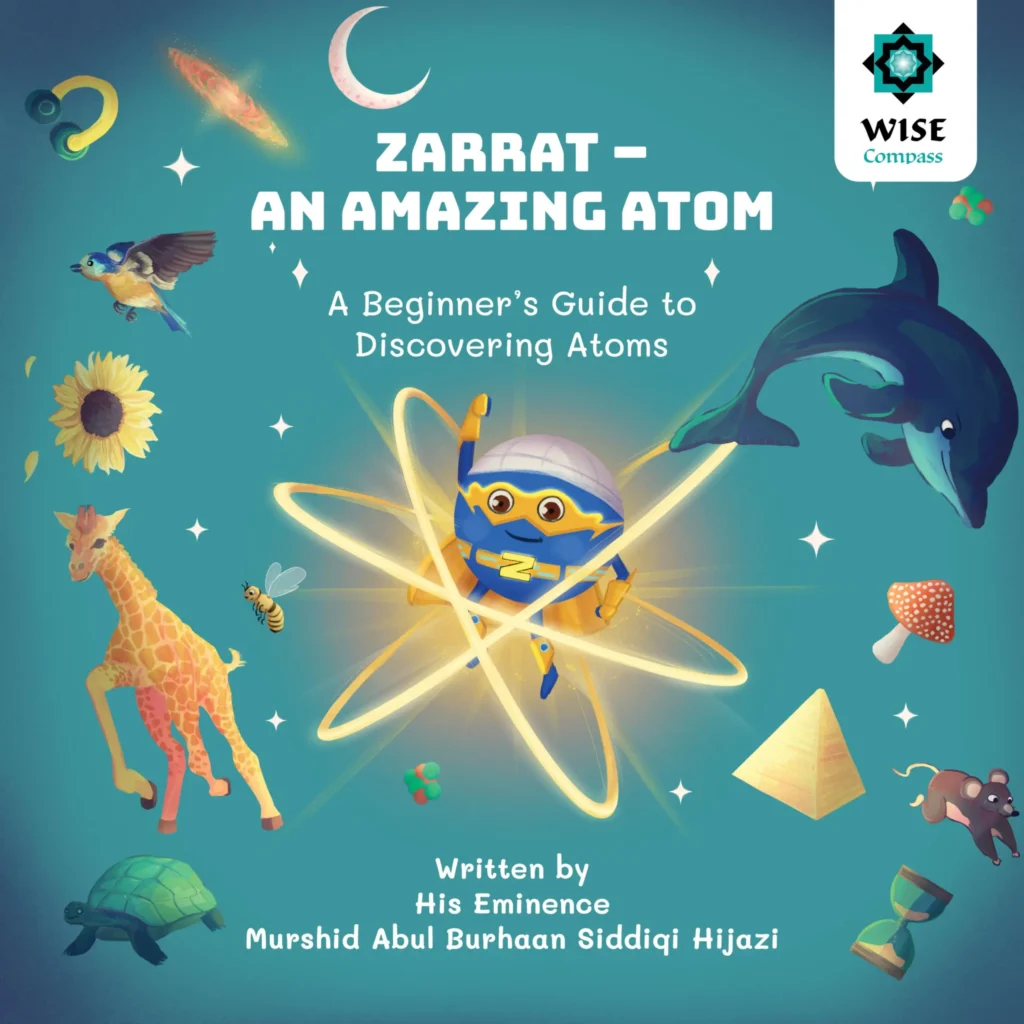
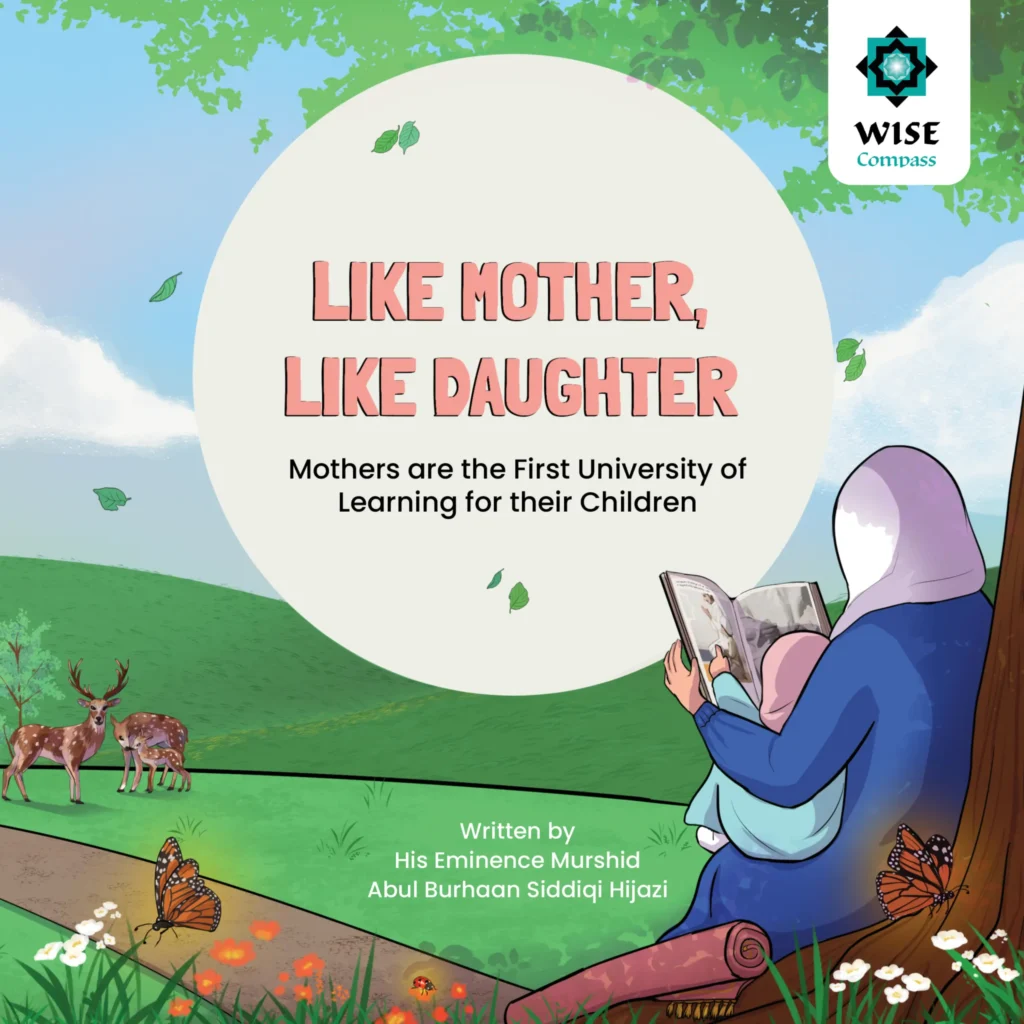
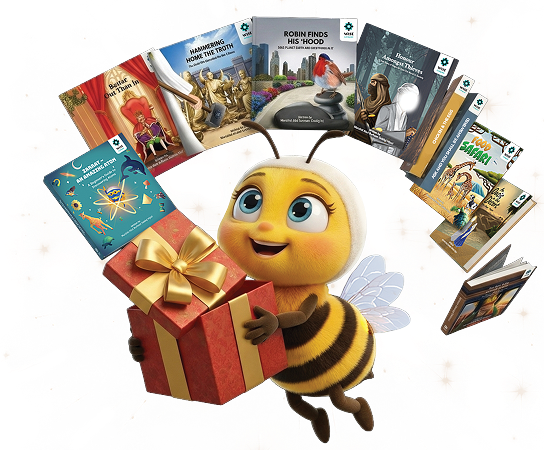
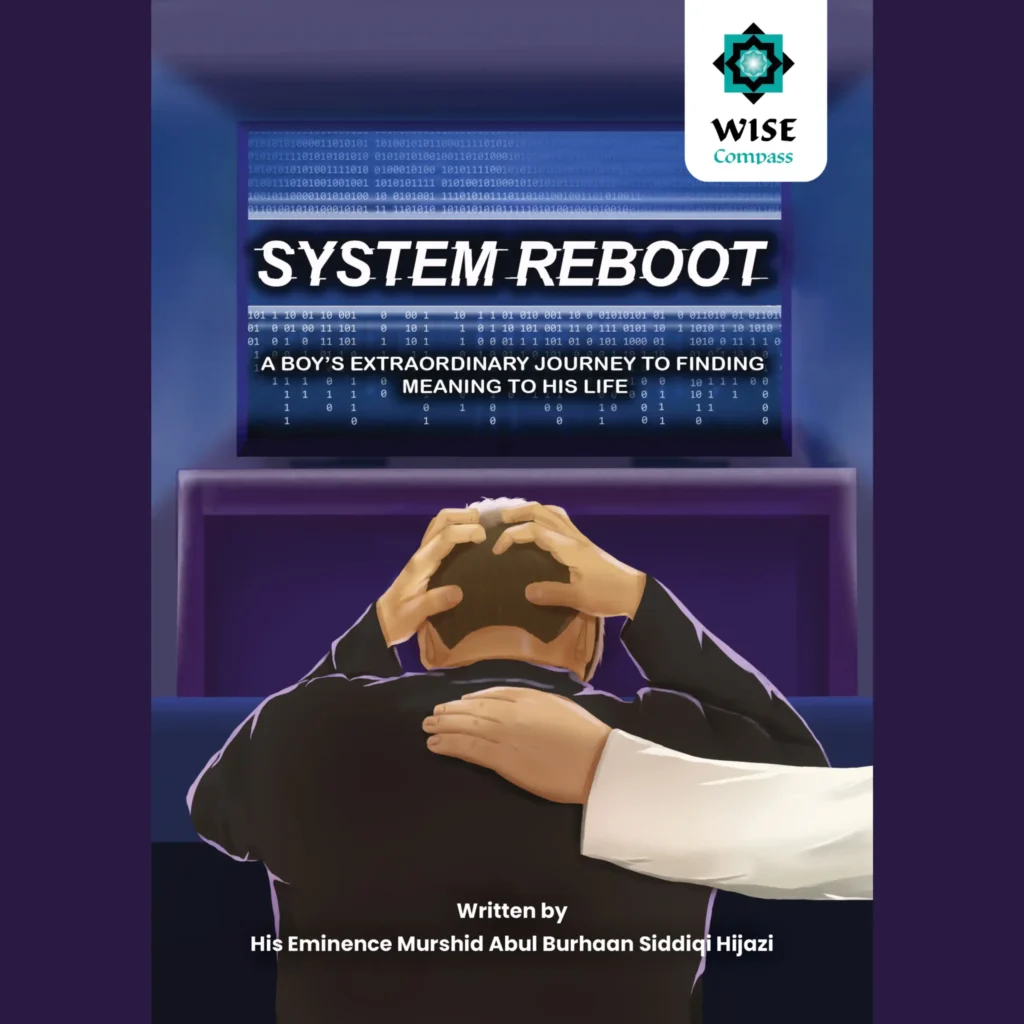
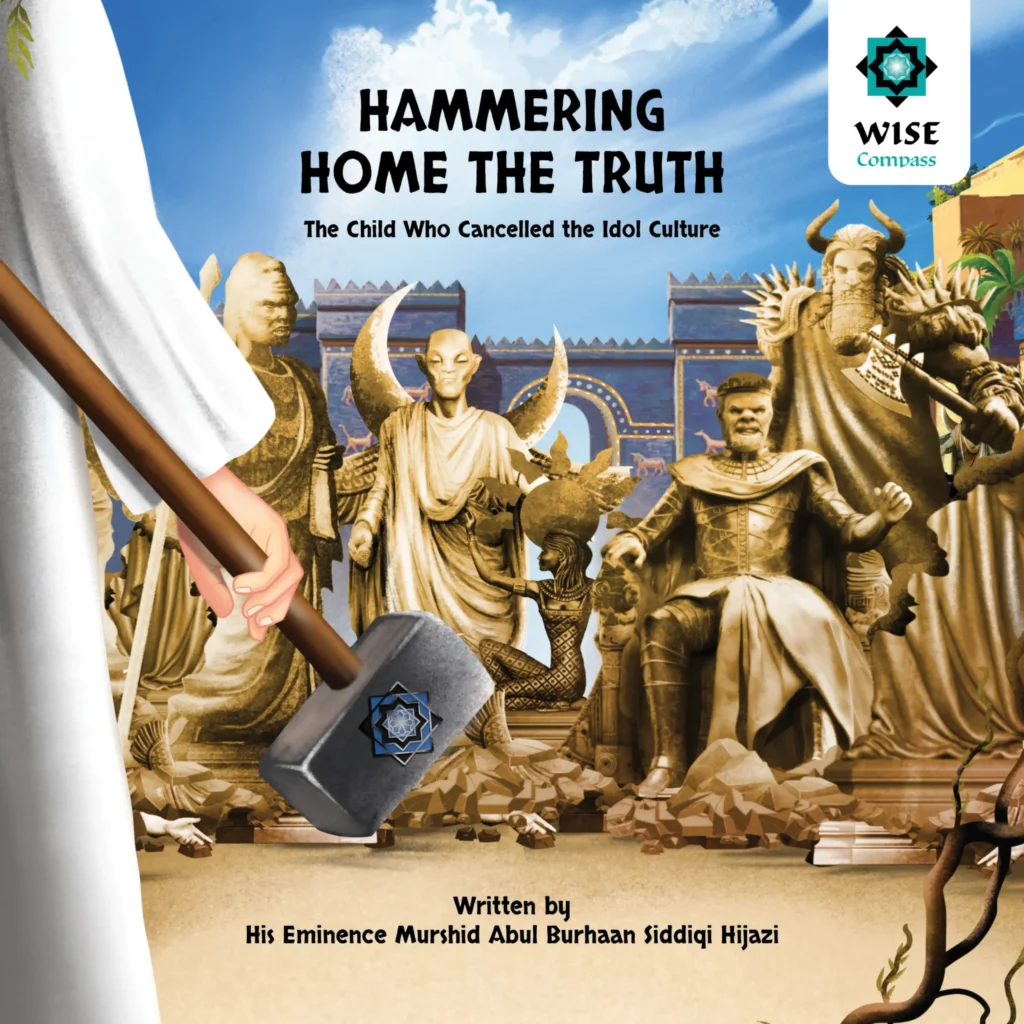
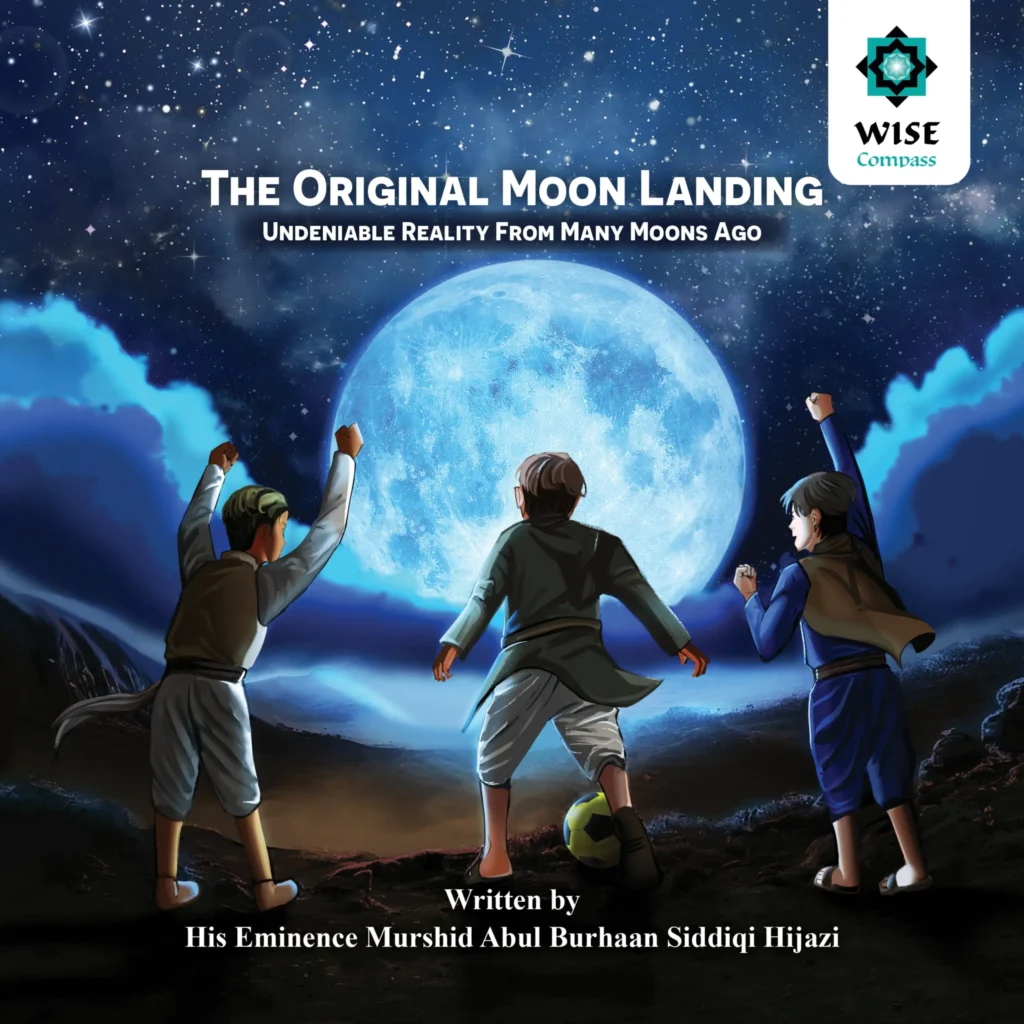
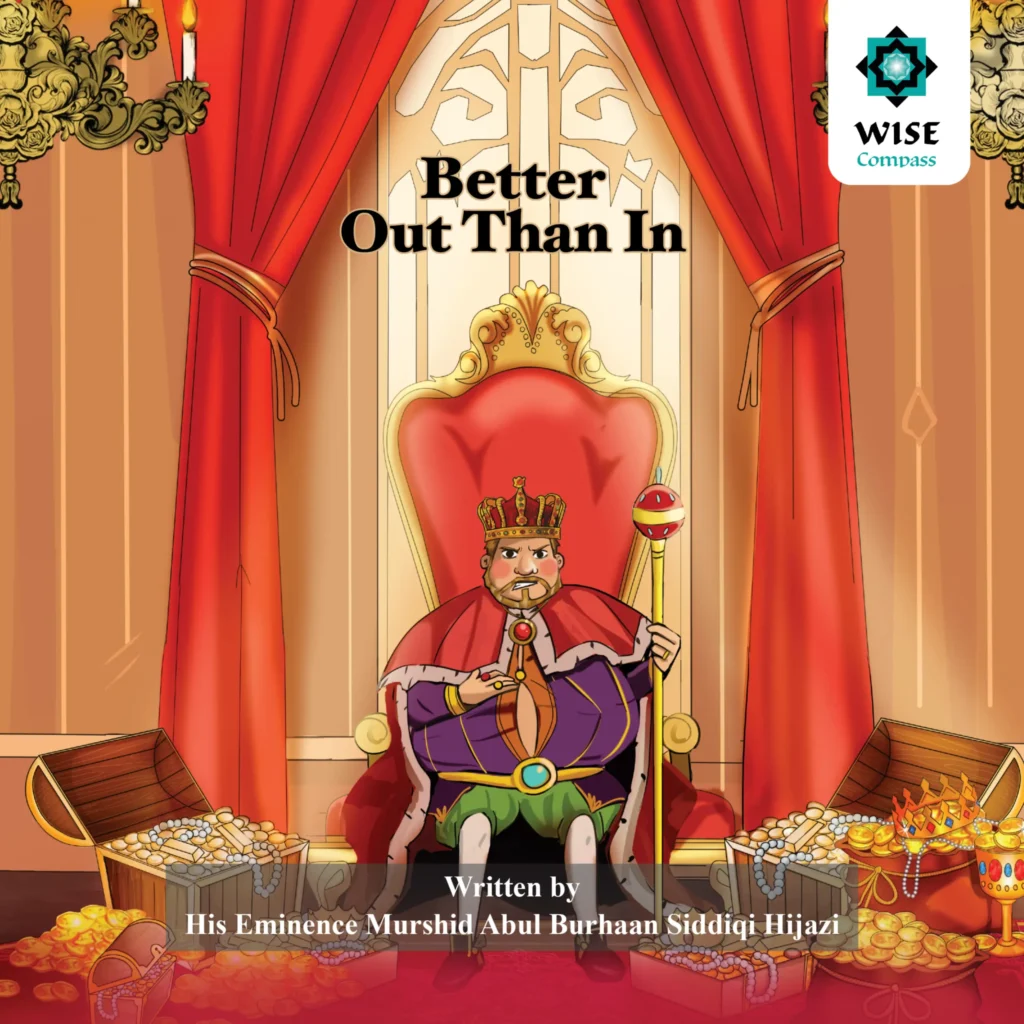
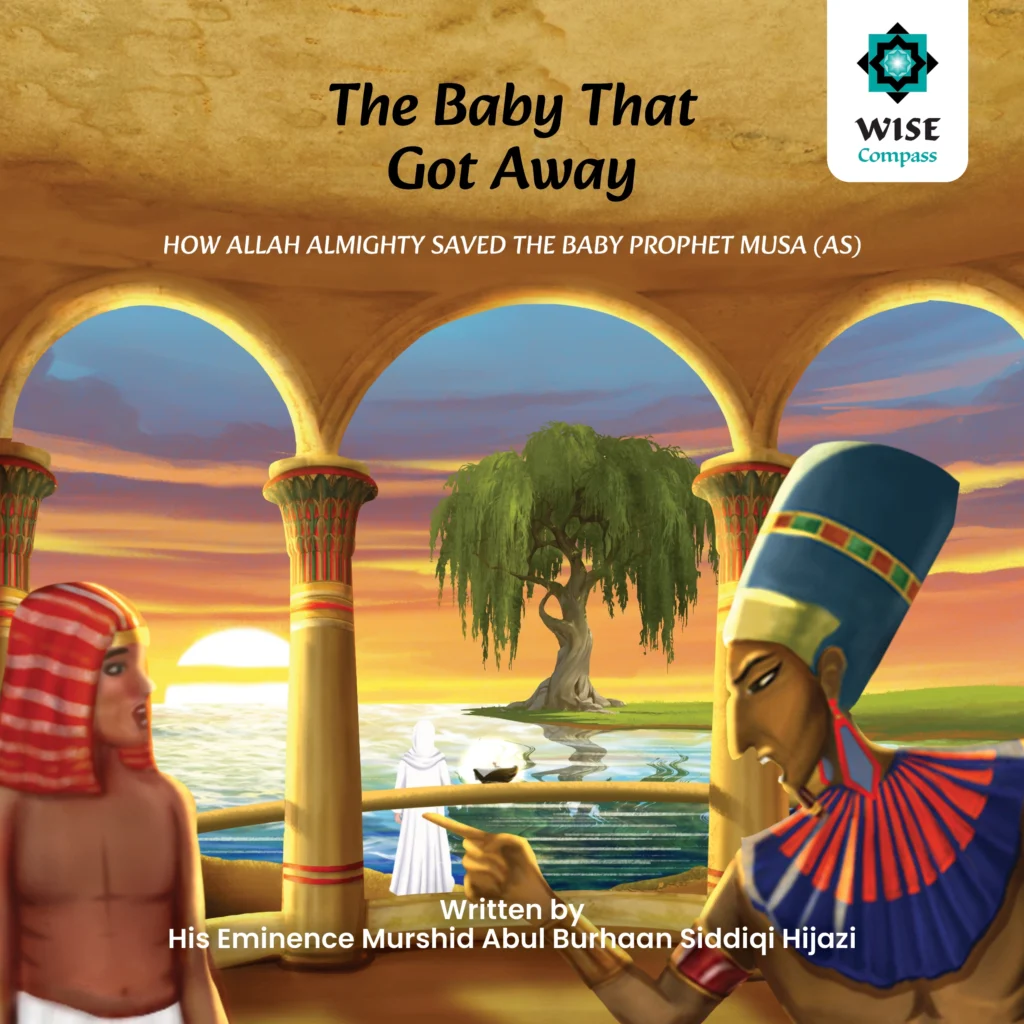
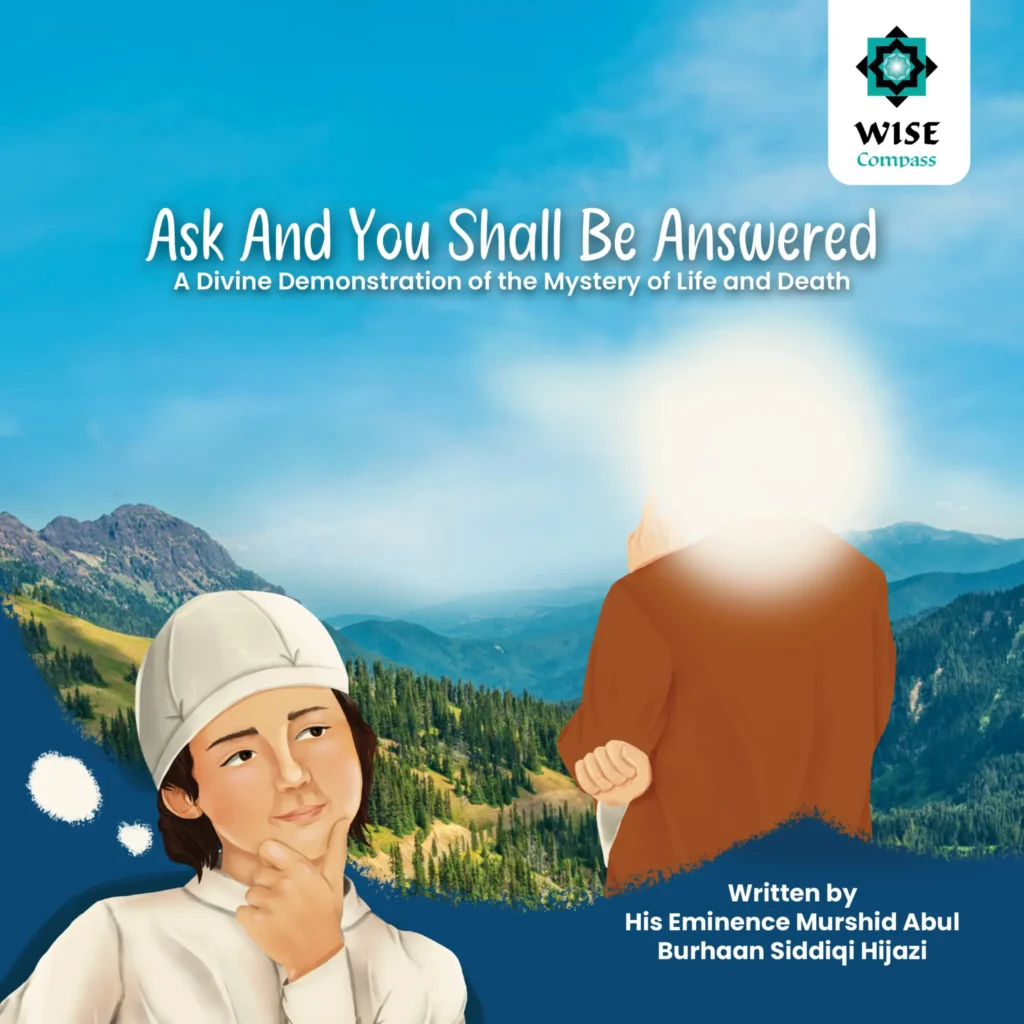
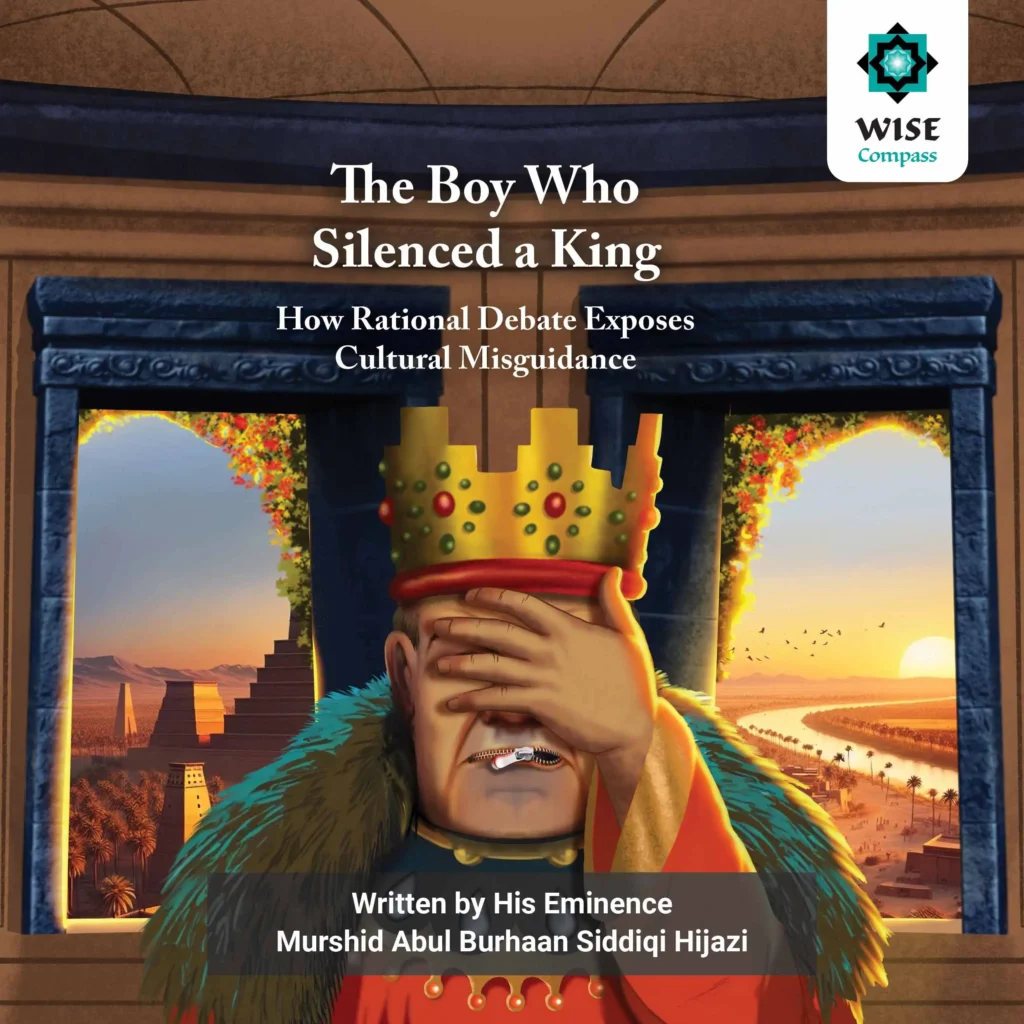
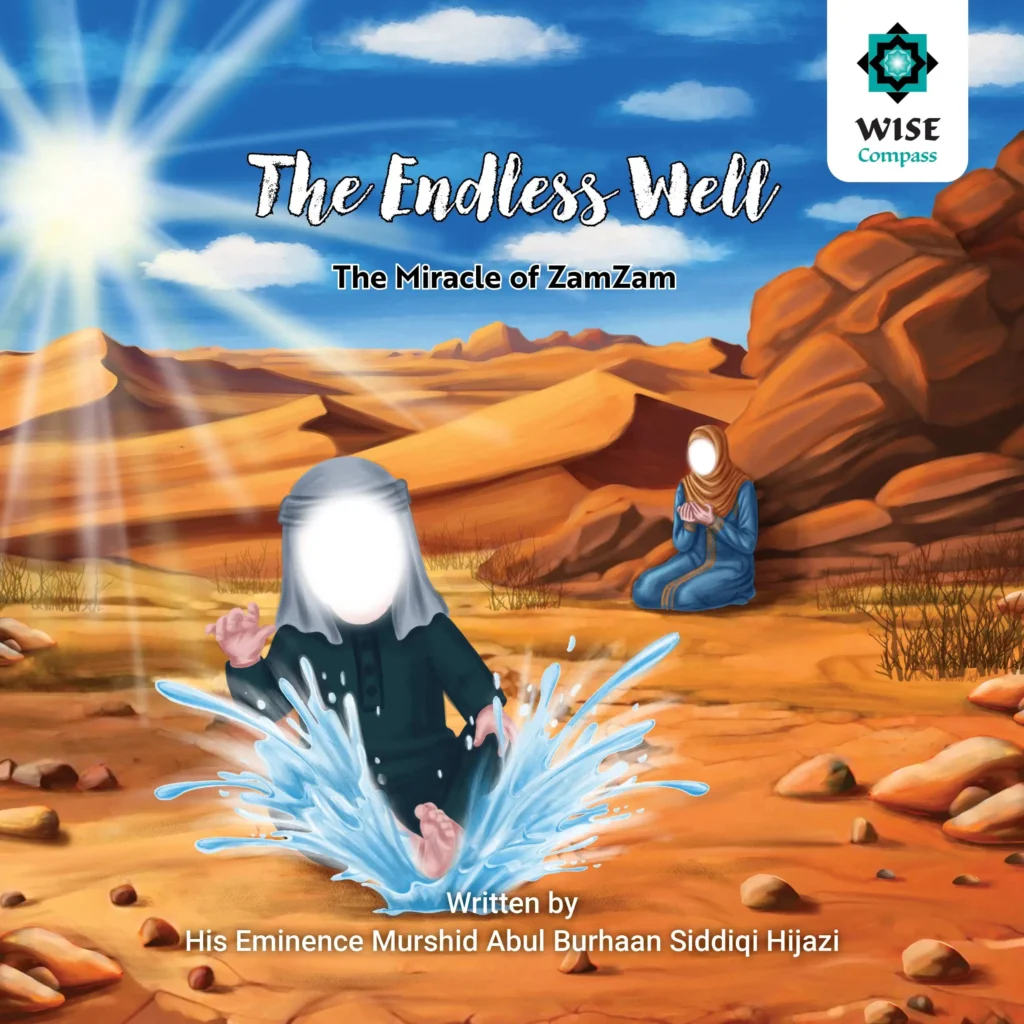
If your family is deciding how to approach Mawlid, it’s worth recognising that choosing to celebrate places you alongside centuries of scholars and communities who saw real value in doing so. Starting with something simple, reading Seerah books for kids together; is a meaningful, low-pressure way to begin.
Choose to make Mawlid part of your family’s year. Explore our Seerah books for kids and start a tradition that centuries of Muslim families before you have cherished.