

What should I do when my child eats bread with a small patch of mould, thinking it is safe?
Parenting Perspective
It can be very alarming to discover your child has eaten mouldy food, even a small amount. While it is often harmless, mould can cause illness, so it is important to respond calmly and carefully. The priority is to reassure your child while taking sensible steps to monitor their health and turn the incident into a learning opportunity. You can start by saying, ‘It is okay; you did not realise it was there. Let us check how you are feeling and talk about how we can spot this next time to keep you safe.’ This approach calms any fear your child may have and focuses on a positive path forward.
Assess the Situation and Monitor for Symptoms
First, do not panic. Many types of bread mould are not highly toxic, but it is essential to watch your child for any signs of an adverse reaction. Foodborne illness from mould can cause symptoms like the following:
- Nausea or vomiting
- Stomach cramps
- Diarrhoea
If any of these symptoms appear, especially if they are severe, it is best to contact your doctor for advice. In the meantime, ensure your child stays hydrated by offering small sips of water. If no symptoms develop after several hours, it is likely that no harm has been done.
Use it as a teachable moment.
Once you are sure your child is feeling well, you can use this experience to teach a crucial lesson about food safety.
- Explain What Mould Is: In simple terms, explain that mould is a type of germ that grows on old food and can make us feel poorly. ‘Mould is like a little plant that should not be there. It tells us the food is no longer fresh and is not safe to eat.’
- The ‘Whole Loaf’ Rule: Teach them that even a small spot of mould can mean the whole piece of bread (and sometimes the whole loaf) is spoilt. ‘Even if we only see a tiny bit of green or white fuzz, the invisible roots of the mould can spread all through the bread. That is why we cannot just cut the bad bit off.’
Establish Safe Habits for the Future
To prevent this from happening again, create clear and simple household rules for checking and storing food.
- Proper Storage: Remind your child why correct storage matters. ‘To stop that mould from growing, we should always keep our bread in a cool, dry place and make sure the bag is sealed tightly.’
- Always Check First: Make inspection a routine. ‘From now on, let us make it a rule to be “food inspectors”. Before you take a slice of bread, let us look at it together to make sure it is perfectly fresh and has no strange spots on it.’ A simple rule like, ‘When in doubt, throw it out’, empowers them to make the safe choice.
By making food inspection a shared habit, your child learns the importance of being mindful and proactive about their health.
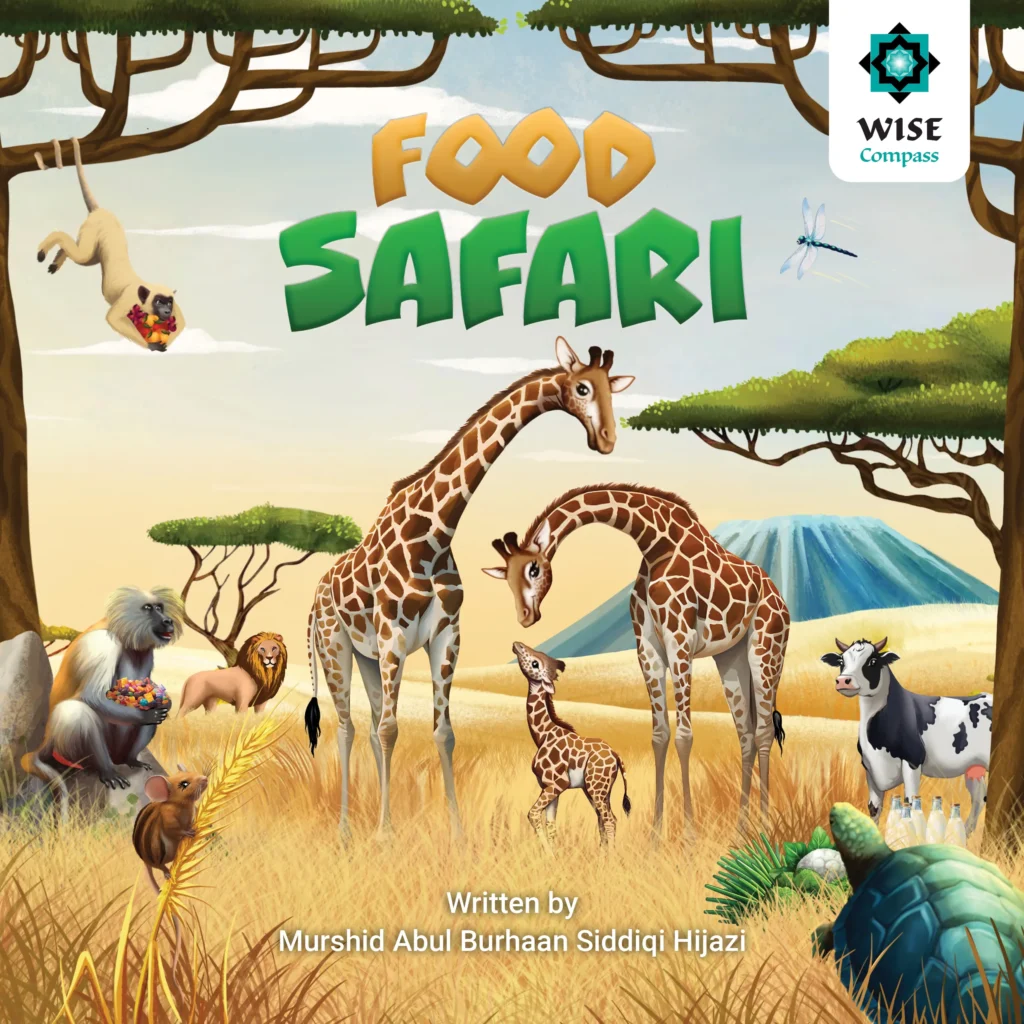
If your child enjoyed learning how to be a “food inspector”, you can build on this lesson with Food Safari, a Junior Adventurers story that follows Zaafir the Giraffe as he explores the savannah to discover the different foods Allah Almighty has created to help him grow. Through Zaafir’s journey, children learn that every meal is part of a larger system of sustenance, one that calls for mindfulness, gratitude, and care rather than waste. It is a gentle way to extend today’s teachable moment about mouldy bread into a bigger conversation about honouring the blessings of food.

Spiritual Insight
In Islam, the food we are given is a blessing and a trust (amanah) from Allah Almighty. We are guided to care for our provisions, ensuring they remain pure and safe for consumption. This incident, while concerning, is an opportunity to teach your child about the Islamic principles of respecting food, avoiding harm, and showing gratitude for Allah’s bounties.
Allah Almighty states in the noble Quran at Surah Al Baqarah (2), Verse 172:
‘O you who are believers, consume from amongst that which is purified, which We (Allah Almighty) have provided for you; and be grateful to Allah (Almighty), if you (truly) worship (Allah Almighty) exclusively.’
This verse reminds us to consume ‘good things’ and to be grateful. Part of showing gratitude is being diligent and ensuring our food is safe and wholesome. By teaching your child to check for mould and discard spoilt food, you are instilling a practical form of thankfulness and responsibility for the blessings they have been given.
It is recorded in 40 Hadith Al Nawawi that the holy Prophet Muhammad ﷺ said:
‘Do not eat food unless it is halal, and do not eat food that has gone bad. Allah has given you enough to protect you from harm.’
This Hadith gives clear guidance to avoid food that has spoilt. It is a direct instruction to protect ourselves from harm by being mindful of what we eat. By teaching your child to identify and avoid mouldy food, you are helping them adhere to this prophetic wisdom, which combines physical wellbeing with spiritual mindfulness.
Instilling these habits goes beyond simple food safety; it teaches values of responsibility, care, and gratitude. The small act of checking a piece of bread becomes a reflection of a deeper Islamic lesson: to honour and preserve the blessings Allah Almighty has provided, ensuring they remain a source of health and not harm.