







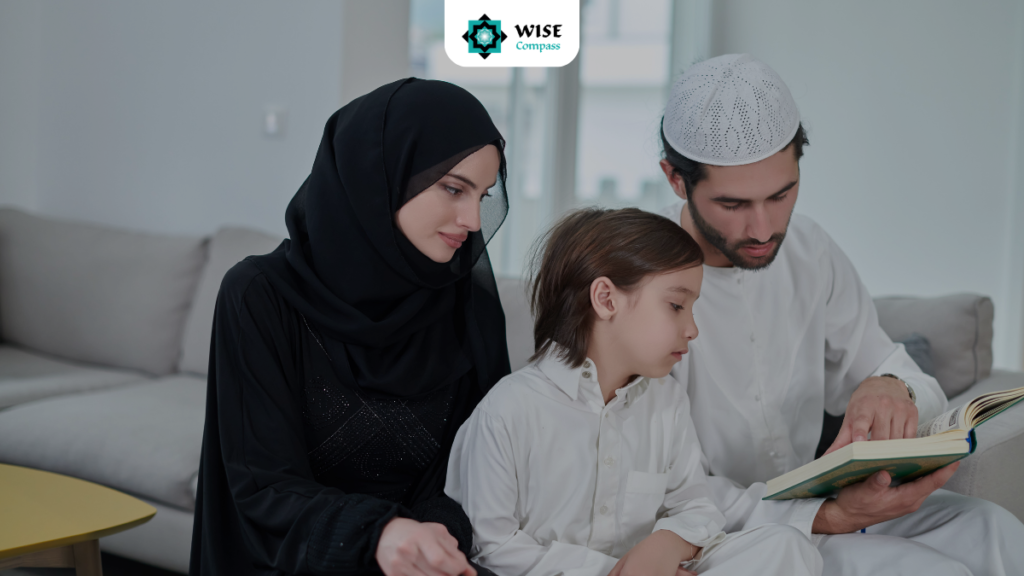
The new Hijri year is a meaningful opportunity to sit with your family and set personal Niyyah (Intentions), conscious, heartfelt commitments made for the sake of Allah Almighty. Unlike secular resolutions, Niyyah is not about willpower alone; it is a spiritual act that invites the help and blessing of Allah Almighty into your goals from the very first moment you begin to think of them. When families make Niyyah together, children learn that every positive action begins with a sincere heart no matter what age you are. It also helps them recognise that time itself is a trust given to us by Allah Almighty, and we should be mindful about how we spend it instead of accidentally wasting or misusing it. Even a few simple, honest intentions spoken aloud at home can shape the entire year ahead.
The Hijri calendar begins with the month of Muharram, a month that Allah Almighty Himself has elevated in honour. The new year opens with the memory of the Hijrah (Migration) of Holy Prophet Muhammad ﷺ, a deliberate journey that began with Niyyah and Dua. He and his companions left behind everything familiar, not for worldly gain, but purely for the sake of Allah Almighty. That single, sincere intention changed the course of human history.
When we mark the new year as a family by setting intentions, we are echoing that same spirit: choosing direction, choosing purpose, and choosing Allah Almighty’s pleasure as our compass.
Holy Prophet Muhammad ﷺ explained the importance of Niyyah in the life of every human being, and how it is the foundation of all action. It is recorded in Sahih Bukhari, Hadith 1, that Holy Prophet Muhammad ﷺ said:
‘Actions are judged by intentions, and
every person will be rewarded according to what they intended.’
This single Hadith tells us something extraordinary: the spiritual weight of everything we do this year, every act of Salah (Prescribed prayers), every kindness, and every lesson taught to our children rests on the Niyyah we carry inside.
Before asking your children and family: ‘What do we want to achieve?’, ask first: ‘What has Allah Almighty already given us?’ Sit together and name three blessings from the past year, big or small. This grounds the Niyyah-setting in humility rather than ambition and teaches children that goals grow best from a thankful heart.
To remind ourselves of why gratitude is the right starting point, we can look at the blessed words of the noble Quran. Allah Almighty states in the noble Quran at Surah Ibraheem (14), Verse 7:
لَئِن شَكَرْتُمْ لَأَزِيدَنَّكُمْ
La’in shakartum la’azeedannakum
If you are grateful, I will certainly give you more
This verse carries a direct promise: gratitude opens the door to increase. Beginning your family’s new year intentions with Shukr is not a preamble; it is the very foundation.
A Niyyah is not a wish list. Help your child choose one honest, achievable intention for the year, something they genuinely want to improve for the sake of Allah Almighty.
For younger children, this might be as simple as:
‘I want to say Bismillah (In the name of Allah Almighty) before every meal.’
For older children, it could be:
‘I want to read one page of the noble Quran every day.’
The key is sincerity over scale. A small Niyyah kept with a pure heart carries more weight than a grand resolution forgotten within a few weeks.
For younger children (ages 4-7), you can explain it in this way:
‘Niyyah is when we tell Allah Almighty in our heart what good thing we want to do, and ask Him to help us do it. Allah Almighty is so Kind that He will help us.’
Alongside individual intentions, choose one Niyyah that the whole family will work towards together. This might be:
When children see that Mum and Dad also have intentions and that the family are accountable to each other, Niyyah becomes a living, shared practice rather than a private thought. This also strengthens the confidence and belief that we can achieve what we intend, because we have each other’s support.
After sharing your intentions, make a family Dua (Supplication) together. Ask Allah Almighty to accept your Niyyah, grant you steadfastness, and make the coming year one filled with Barakah (Blessing).
One of the most beautiful Duas for guidance is the opening supplication of Salah itself:
Arabic:
اللَّهُمَّ اهْدِنِي فِيمَنْ هَدَيْتَ
Transliteration:
Allahumma ihdinee feeman hadayt
Meaning (Simple English):
O Allah Almighty, guide me among those whom You have guided.
Teach this Dua to your children as part of the ‘new year ritual’. When they understand that they are asking Allah Almighty to be counted among the rightly guided, the words of Salah carry new weight every single day.
There is great power in writing your intentions down and placing them somewhere that the family can see throughout the year. A simple card on the fridge, a note tucked into the Noble Quran, or a family journal kept on the bookshelf, all of these turn a private intention into a shared commitment. You can revisit it at the midpoint of the year, during Rajab (The seventh Islamic month), which is a month that Holy Prophet Muhammad ﷺ used as a time of spiritual preparation.
✅ Wise Compass
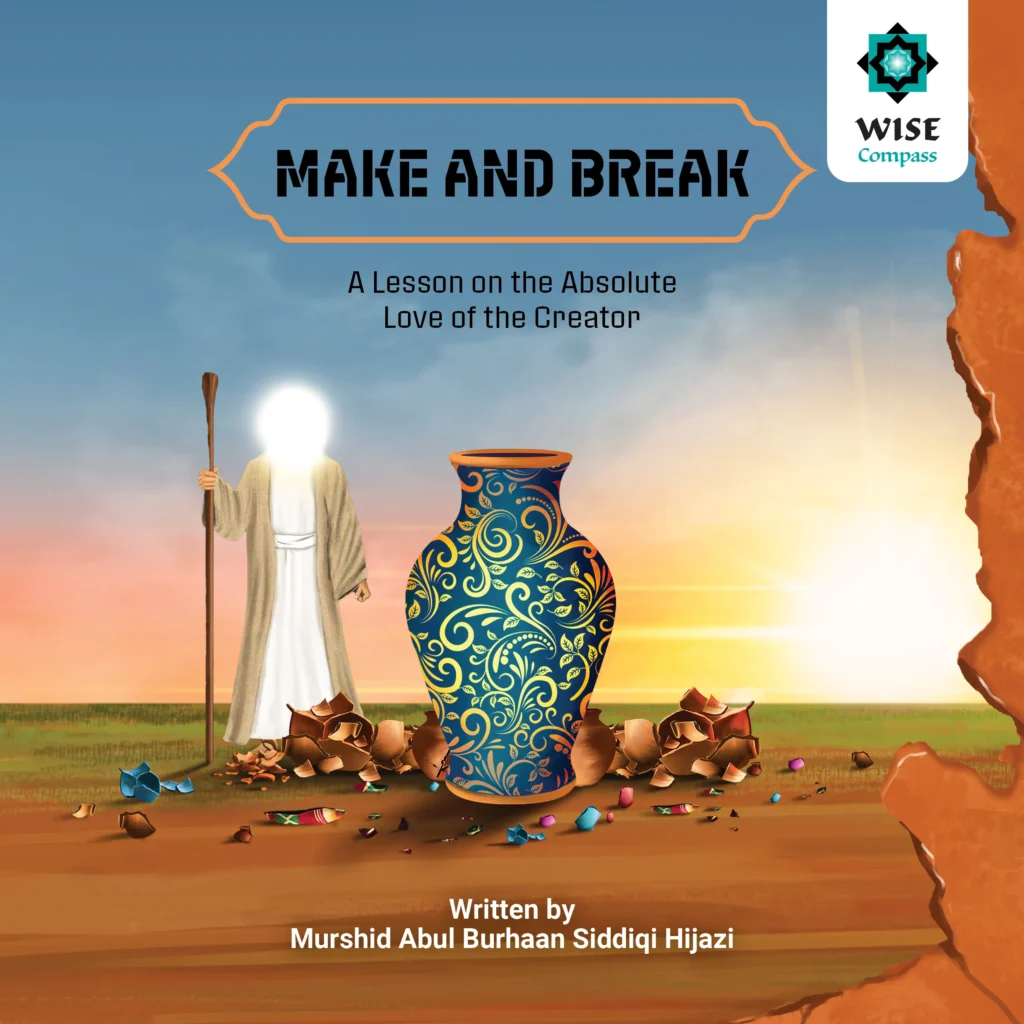
Make and Break by Wise Compass is the perfect companion to this conversation about new beginnings. It tells the story of Prophet Nooh (AS) after the Great Flood, a world renewed, a new chapter beginning, and an unexpected command from Allah Almighty to make pots. What seems like a simple task reveals a profound truth about purpose, creation, and finding meaning after a period of hardship. It is a story about what it means to begin again, with intention, with humility, and with trust in the wisdom of Allah Almighty. Read it together after your family Niyyah conversation to anchor the message in a story your children will remember. Explore Make and Break here
✅ Parenting Tip
On the first night of Muharram, give each child a small notebook and invite them to write or draw their one intention for the new Hijri year. At the top of the page, write together: ‘For the sake of Allah Almighty.’
Then, on the last night of Rajab, halfway through the Hijri year, open the journals together and ask: ‘How has Allah Almighty been helping us with this?’
This simple practice teaches children that intentions are not forgotten after we begin them, they are seeds that grow throughout the year with tending and Tawakkul (complete reliance on Allah Almighty).
‘Niyyah’ means ‘intention’. It refers to the sincere, conscious purpose behind an action. In Islam, making a mindful intention before any action is considered a spiritual act in itself. Holy Prophet Muhammad ﷺ taught that all deeds are judged by their intentions, which means that even the simplest daily action, like waking up for school or helping a sibling, can become an act of worship when it is dedicated to pleasing Allah Almighty. Teaching children about Niyyah from a young age gives them an inner compass that guides not just their behaviour and habits but also develops their mindset and good character.
The Hijri calendar is rooted in Islamic history and spirituality. It begins with the month of Muharram, which Allah Almighty has designated as sacred, and opens with the memory of the Hijrah, a journey made based on sincere intention to please Allah Almighty. This makes the Hijri new year organically aligned with the spirit of Niyyah in a way that a secular calendar date simply cannot replicate. Marking the Hijri new year with family intentions connects children to their Islamic identity and reminds them that a Muslim’s time should be purposeful.
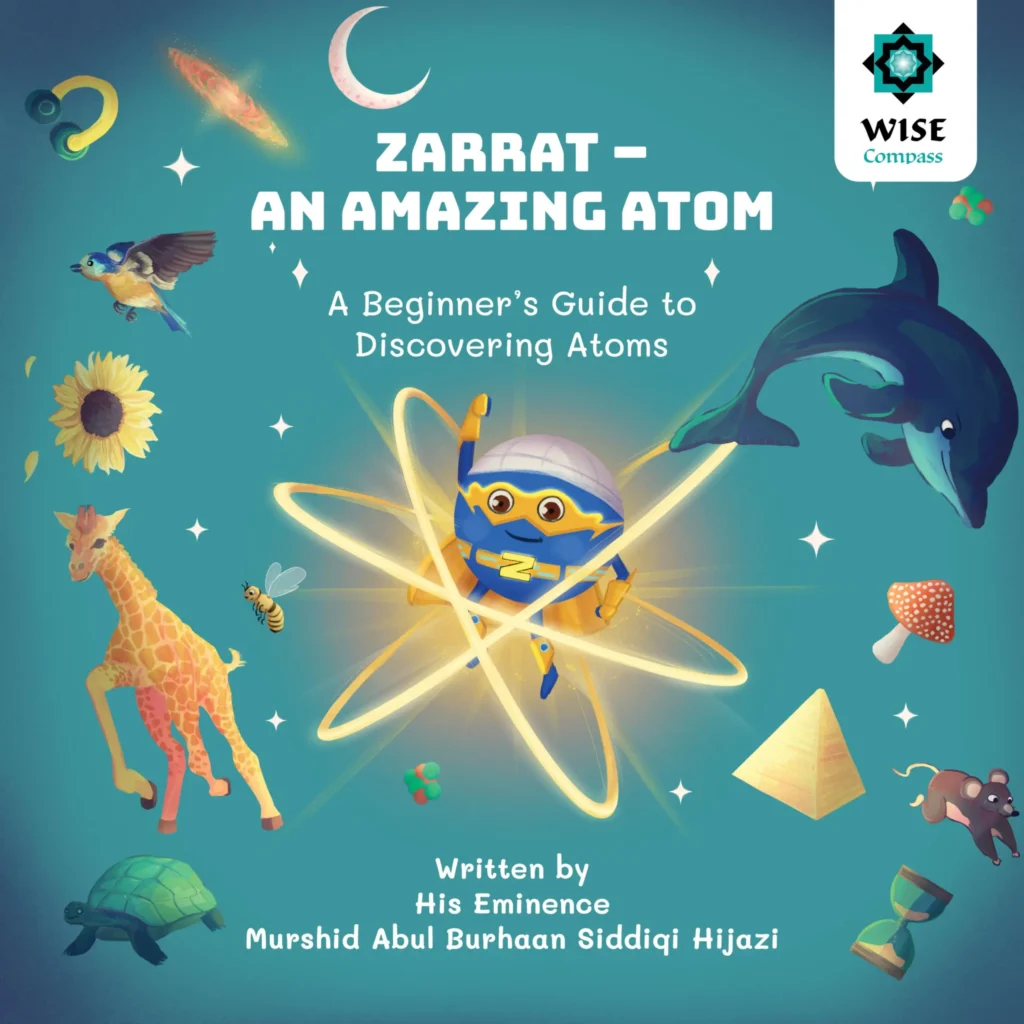
Use simple, concrete language tied to actions they already do. You might say: ‘Before you eat, say Bismillah and think in your heart, I’m doing this because Allah Almighty gave me this food, and I want to be thankful.’ Over time, children personally experience the feeling of intentionality, and it becomes natural. Storytelling is also a powerful tool; stories like The Endless Well and Make and Break from the Wise Compass library show children what purposeful action and sincere trust in Allah Almighty look like in practice.
Both are valuable and serve different purposes. Individual intentions help a child develop personal accountability and a private relationship with Allah Almighty. Family intentions build a shared culture of faith in the home and a feeling of support and trust within the home. When children see that everyone, including parents, are growing and striving together, it encourages them to strive for the same. Ideally, a family can have both: one shared goal that belongs to everyone and one personal intention for each family member that is respected and supported by the family.
This is actually a rich teaching moment. Islam does not treat lapsed intentions as failures; it treats them as opportunities to renew. Holy Prophet Muhammad ﷺ taught that returning to a good action after a slip is itself beloved to Allah Almighty. If a child’s intention falters, sit with them gently, revisit the Niyyah journal, and help them make a fresh intention. The process of making an intention, sincerely trying to follow through with it, returning to it even if it was not fulfilled, and beginning again is itself one of the most important lessons a Muslim child can learn.
Absolutely, and there is great wisdom in making it so. Annual rituals create the scaffolding of Islamic identity in children’s lives; they begin to associate the new Hijri year not with a date on a calendar but with a family gathering, a shared Dua, and a renewed sense of purpose. Over years, as children grow, their intentions will naturally deepen, and they will carry the memory of those family times spent coming together for the sake of pleasing Allah Almighty as one of the most meaningful practices of their upbringing.